
Nsumbu National Park
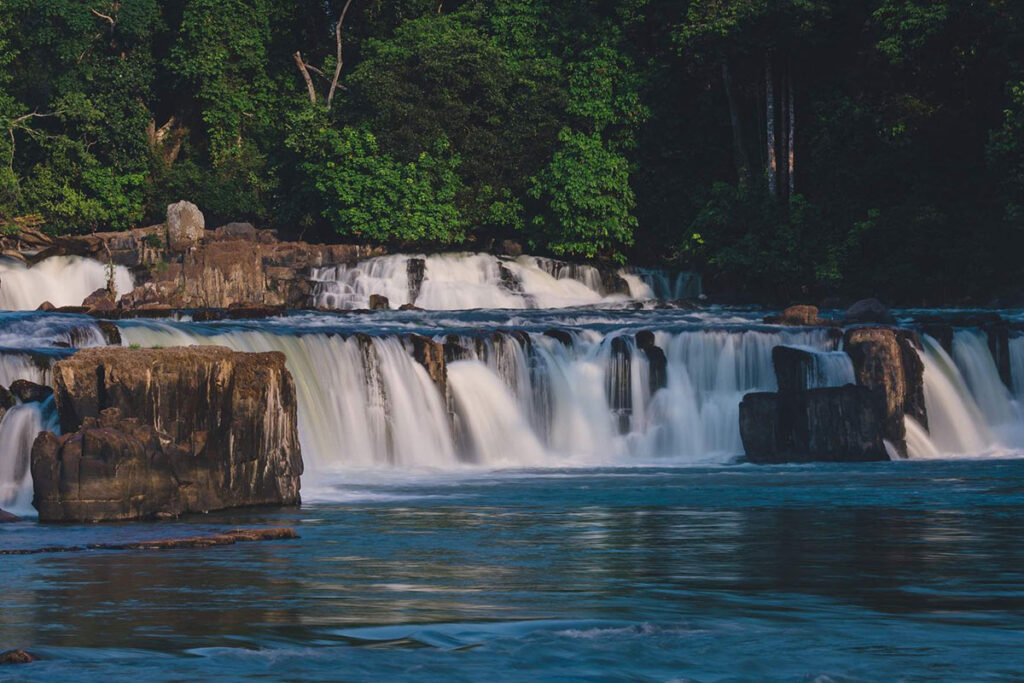
Nsumbu National Park, Zambia – Lake Tanganyika Wilderness, Rare Itigi-Sumbu Thicket, Remote Big Game Safaris and Untouched Rift Valley Shores
Nsumbu National Park, also known as Sumbu, is one of Zambia’s most remote, beautiful and ecologically diverse national parks. Stretching along more than 80–100 km of Lake Tanganyika’s unspoiled southwestern shoreline, Nsumbu offers an extraordinary mix of miombo woodland, rare Itigi-Sumbu thicket, rugged escarpments, river valleys and pristine beaches—creating one of Africa’s most unique safari landscapes. Once impacted by poaching, Nsumbu is now rebounding through strong conservation partnerships, and wildlife populations are steadily increasing. The park is an exceptional destination for travelers seeking raw wilderness, exclusive safaris, boat-based wildlife encounters and world-class freshwater sport fishing on one of the oldest and deepest lakes in the world.
Overview
Covering roughly 2,020–2,030 km², Nsumbu National Park is the heart of the wider Nsumbu–Mweru ecosystem, a vast 10,000 km² conservation landscape that protects interconnected woodlands, thickets, wetlands, lakeshore habitats and the biologically rich southern basin of Lake Tanganyika. Few parks in Africa combine terrestrial big game viewing with lake-based activities in such a seamless way. Visitors can track antelope through woodland in the morning, drift past hippos and cliffs on a boat safari in the afternoon, and end the day fishing for tigerfish or Nile perch beneath spectacular Tanganyika sunsets.
Thanks to the Nsumbu Tanganyika Conservation Programme, led by the Department of National Parks and Wildlife and the Frankfurt Zoological Society, the park’s recovery is gaining global attention. Better ranger coverage, improved community involvement and scientific monitoring have transformed Nsumbu into a rising star in Zambia’s northern tourism circuit.
Location, Size and Key Facts
Nsumbu National Park lies in the far northern tip of Zambia’s Northern Province, bordering the Democratic Republic of Congo across Lake Tanganyika’s deep waters. It is a remote protected area accessed by road, air or boat and surrounded by traditional fishing communities in Nsama and Kaputa Districts.
- Country: Zambia
- Province: Northern Province
- Districts: Nsama and Kaputa
- Total Area: ~2,020–2,030 km²
- Shoreline: 80–100 km of Lake Tanganyika coastline
- Altitude: 770–1,430 m above sea level
- Main River: Lufubu River
- Ecosystem Type: Miombo woodland, thicket, riparian forest, lake shoreline
Geography and Landscapes
Nsumbu’s geography is shaped by the Great Rift Valley, where towering escarpments plunge into the clear blue waters of Lake Tanganyika. Sandy beaches—rare in most of Zambia—line stretches of the shore, while dramatic granite headlands and rocky coves create a stunning natural shoreline. Inland, the land rises abruptly into rolling hills, savanna valleys and wooded ridges. The impressive Lufubu Gorge, carved by the powerful Lufubu River, is one of the park’s most striking geological features. The combination of cliffs, coves, escarpments and inland plains gives Nsumbu a level of scenic variety unmatched by most Zambian parks.
Climate
Nsumbu enjoys a warm tropical climate heavily moderated by Lake Tanganyika, which helps stabilize temperatures throughout the year. This lake influence gives Nsumbu a softer, more temperate feel compared to Zambia’s interior parks.
- Rainy Season (Nov–Apr): Lush green landscapes, heavy tropical showers, excellent birding, and vibrant lake colors.
- Dry Season (May–Oct): Clear skies, low humidity, ideal wildlife viewing, and premium fishing conditions.
June and July mornings can be crisp on the lake, while afternoons warm comfortably. Spectacular thunderstorms over the water mark the early rainy season and create atmospheric photography opportunities.
Hydrology
Lake Tanganyika defines Nsumbu’s hydrology and ecological identity. As Africa’s deepest and second oldest lake, Tanganyika holds nearly 20% of the world’s unfrozen freshwater and supports more than 350 endemic fish species—making it a global biodiversity hotspot. Nsumbu protects one of the lake’s most pristine western shorelines, vital for fish breeding, crocodile nesting and aquatic bird feeding.
The Lufubu River, forming the park’s eastern boundary, flows year-round from Zambia’s interior highlands, carving a deep valley and sustaining riparian forests along its banks. Smaller streams and wetlands provide additional water sources for wildlife during the dry season, supporting elephants, buffalo and antelope in the wider ecosystem.
Ecosystems and Habitats
Despite its modest size compared to other Zambian parks, Nsumbu boasts exceptional habitat diversity, creating ecological richness often found only in much larger reserves. Its ecosystems include:
- Miombo Woodland: Dominant inland vegetation with tall Brachystegia trees, serving as prime habitat for antelope, elephants and diverse birdlife.
- Itigi-Sumbu Thicket: A dense, globally rare thicket occurring in only a handful of locations across Tanzania and Zambia.
- Riparian Forests: Moist corridors of figs, palms and fruiting trees supporting monkeys, birds and smaller wildlife.
- Lakeshore Ecosystem: Beaches, reeds, lagoons and rocky headlands that host hippos, crocodiles, cichlids and waterbirds.
- Grasslands: Open plains and savanna pockets ideal for grazers like roan, zebra and sable.
Vegetation
Nsumbu’s vegetation varies from light, airy miombo woodland to dark, impenetrable Itigi-Sumbu thicket. The miombo supports seasonal leaf flushes, attracting browsers during the rains and dropping foliage that enriches soils in the dry season. The thicket, by contrast, is evergreen and extremely dense, providing refuge for shy mammals and unique plants adapted to low-light environments. Along the lake, riparian trees such as figs, palms and mahoganies create lush green belts, while wet-season flowers add bursts of color across the woodland floors and riverbanks.
Wildlife of Nsumbu National Park
Mammals
Once home to abundant large mammals, Nsumbu experienced population crashes due to historical poaching. Today, effective conservation programs have helped wildlife recover steadily, making Nsumbu one of Zambia’s best conservation turnaround stories.
Key mammal species include:
- Roan antelope (one of the park’s signature species)
- Sable antelope
- Zebra
- Eland
- Buffalo
- Impala, puku and bushbuck
- Hippos in bays and inlets
- Nile crocodiles along the lake
- Lions (increasingly recorded as populations recover)
- Leopards (most frequently seen in thicket and forested valleys)
Smaller mammals include warthogs, bushpigs, civets, servals, genets and hyrax. Elephants still roam the broader Nsumbu–Mweru landscape and increasingly appear along the Lufubu corridor.
Birdlife
Nsumbu National Park is an exceptional birding destination, offering more than 300 recorded bird species thanks to the convergence of lake, woodland, thicket and riverine habitats. This diversity supports species ranging from raptors to waterbirds, miombo specialists and migratory visitors.
- African fish eagle
- Palm-nut vulture
- Giant kingfisher
- Grey-headed gull and terns
- African skimmer
- Storks, herons and spoonbills
- Bee-eaters, rollers and sunbirds
- Miombo pied barbet and Miombo woodland finches
The lakeshore’s mix of open water, sandbars and lagoons attracts skimmers, gulls, waders and fishing birds. Raptors circle over escarpments and rocky outcrops, while miombo woodland hosts colorful species adapted to dry-season foraging.
Reptiles, Amphibians and Aquatic Life
Reptile species include Nile crocodiles, several snake species, agama lizards, skinks and tortoises. Amphibians thrive in seasonal pools created by the rains, feeding a larger ecosystem of birds, insects and fish. Lake Tanganyika’s underwater world is one of Earth’s great freshwater treasures, with hundreds of endemic cichlids displaying dazzling colors and territorial behaviors—a highlight for snorkelers and biologists alike.
Fish
Nsumbu National Park is a premier sport-fishing destination in Zambia. Lake Tanganyika hosts powerful and fast-growing species such as Nile perch, tigerfish, vundu catfish, nkupi (yellow-belly) and various species of bream. Guided fishing excursions offer travelers the rare experience of battling legendary freshwater predators in a pristine Rift Valley lake.
Unique Features of Nsumbu National Park
- One of the longest protected stretches of Lake Tanganyika shoreline
- Globally endangered Itigi-Sumbu thicket
- Dramatic rift landscapes: cliffs, coves, beaches and gorges
- Uncrowded, remote and exclusive safari experiences
- Combination of land-based and water-based activities
Cultural and Indigenous Communities
Traditional communities, including the Lungu and Tabwa people, live outside Nsumbu’s boundaries. Their cultures are deeply intertwined with Lake Tanganyika. Many legends involve lake spirits, sacred coves, ancestral fishing sites and rock formations believed to possess protective powers. Visitors can learn about historical fishing techniques, boat building, music and local culinary traditions through guided village visits. Modern conservation initiatives increasingly incorporate community resource boards and sustainable fisheries programs, ensuring local people benefit from and contribute to the park’s long-term protection.
Conservation Importance
Nsumbu is a cornerstone of biodiversity conservation in northern Zambia. The park protects one of the last and largest remaining blocks of Itigi-Sumbu thicket, a vegetation type considered endangered worldwide. It also safeguards miombo woodland, riparian forest and the crucial Tanganyika shoreline—habitats essential for birds, mammals, reptiles and fish. Nsumbu’s lakeshore is especially important for breeding fish, waterbirds, crocodiles and otters, while inland woodlands support herbivores, predators and a wide array of small fauna.
The park’s recovery is a major conservation success story. Wildlife populations have significantly rebounded thanks to improved law enforcement, increased ranger coverage, community patrols, and scientific monitoring. Nsumbu is now recognized as a model for restoring wilderness landscapes that once faced heavy poaching and human pressure.
Threats and Challenges
- Historical Poaching: Decades of wildlife loss left populations low, though many are recovering.
- Illegal Fishing: Unsustainable lake practices threaten fish stocks and shoreline habitats.
- Wildlife–Human Conflict: Crop-raiding and gear damage require ongoing mitigation.
- Climate Change: Fluctuating rainfall and lake levels may affect vegetation and water quality.
- Limited Access: Remoteness restricts tourism revenue for conservation.
Research and Monitoring Programs
Scientific research in Nsumbu focuses on wildlife recovery, fish biodiversity, vegetation mapping and freshwater ecology. The Nsumbu Tanganyika Conservation Programme conducts:
- Camera trap studies and predator monitoring
- Aerial and ground-based wildlife censuses
- Fish and aquatic biodiversity research
- Vegetation mapping of thicket and woodland zones
- Community-based resource use studies
These research programs ensure informed decision-making and long-term resilience for the park’s ecosystems.
Tourism Activities in Nsumbu National Park
Nsumbu’s mix of land and water makes it one of Zambia’s most diverse safari destinations. Activities include:
- Game Drives: Explore woodlands, open plains, escarpments and river valleys for antelope, buffalo, predators and small mammals.
- Boat Safaris: Drift past cliffs, bays and beaches to observe hippos, crocodiles, waterbirds and dramatic lakeshore scenery.
- Sport Fishing: Catch-and-release fishing for Nile perch, tigerfish, vundu and bream.
- Walking Safaris: Guided exploration of woodland, thicket and lakeshore habitats.
- Birdwatching: Excellent viewing across diverse habitats, especially during the green season.
- Snorkeling: Observe colorful Tanganyika cichlids in protected shallow zones.
- Cultural Visits: Learn about traditional fishing communities and lakeside culture.
Access and How to Get There
Although remote, Nsumbu is accessible via:
- Road: From Kasama via Mporokoso to Nsumbu (4×4 recommended, especially in rainy months).
- Air: Charter flights to Kasaba Bay or Nkamba Bay airstrips.
- Boat: Transfers from Mpulungu across the lake, arranged through lodges.
The journey is part of the adventure—passing through rural villages, woodlands, valleys and scenic highlands before reaching the deep blue horizon of Lake Tanganyika.
Permits and Regulations
Park entry fees are required for all visitors. Fishing requires additional permits and must follow catch-and-release rules. Off-road driving, excessive speed on the lake and disturbance of wildlife are prohibited. Drone use and filming require prior authorization. Lodges assist visitors with all necessary paperwork and compliance to ensure a low-impact safari experience.
Accommodation in Nsumbu National Park
Nsumbu offers several small, intimate lakeside lodges, beach chalets, tented camps and limited campsites. Most accommodations feature:
- Lake-view rooms or tents
- Private decks and shaded seating areas
- Boat docks and fishing equipment
- Fully guided safari and fishing activities
Lodges in Nkamba Bay are known for serene views, personalized service and easy access to both game-drive routes and boat excursions. Accommodations are ideal for travelers seeking a mix of safari, relaxation and aquatic adventure.
Best Time to Visit Nsumbu National Park
- June–October (Dry Season): The best wildlife viewing and fishing conditions.
- March–August (Fishing Peak): Ideal boating and fishing weather.
- November–April (Green Season): Lush vegetation, breeding birds and dramatic weather.
Why Nsumbu National Park Is Unique
Nsumbu National Park stands out as one of Africa’s most remarkable and least-discovered safari destinations. Its fusion of miombo woodland, thicket, escarpments and pristine Lake Tanganyika shoreline creates a safari environment unlike anywhere else in Zambia. Here, travelers can enjoy the thrill of big game viewing, the serenity of lake sunsets, the excitement of world-class freshwater fishing and the warmth of lakeside culture—all in a wilderness with no crowds and no commercial disturbance.
Whether exploring remote game-drive routes, cruising past towering cliffs, watching waterbirds skim the lake’s surface, or diving into the world of endemic Tanganyika cichlids, visitors experience a destination that feels untouched, exclusive and deeply authentic. Nsumbu is not just a national park—it is one of the last great frontiers of wild Zambia, and one of the most exciting conservation success stories on Lake Tanganyika’s vast, ancient shores.