
Omo National Park
Omo National Park, Ethiopia – East Africa’s Last Great Frontier of Untamed Wilderness, Indigenous Tribal Culture, Rift-Valley Landscapes, Omo River Ecosystems and Deep Human History
Omo National Park is one of Africa’s most remote, untouched, and scientifically significant protected areas—a vast, rugged expanse of over 4,068 km² tucked into the southwestern corner of Ethiopia. This immense wilderness is a land where sweeping savannahs fade into dramatic Rift Valley escarpments, where the mighty Omo River carves fertile floodplains, and where traditional pastoralist tribes continue ancient lifeways in one of the world’s most culturally rich landscapes. Despite its size and biological importance, Omo remains one of East Africa’s least developed national parks, offering explorers an extraordinary sense of solitude, untouched nature, and authentic cultural encounters that are nearly impossible to find anywhere else on the continent.
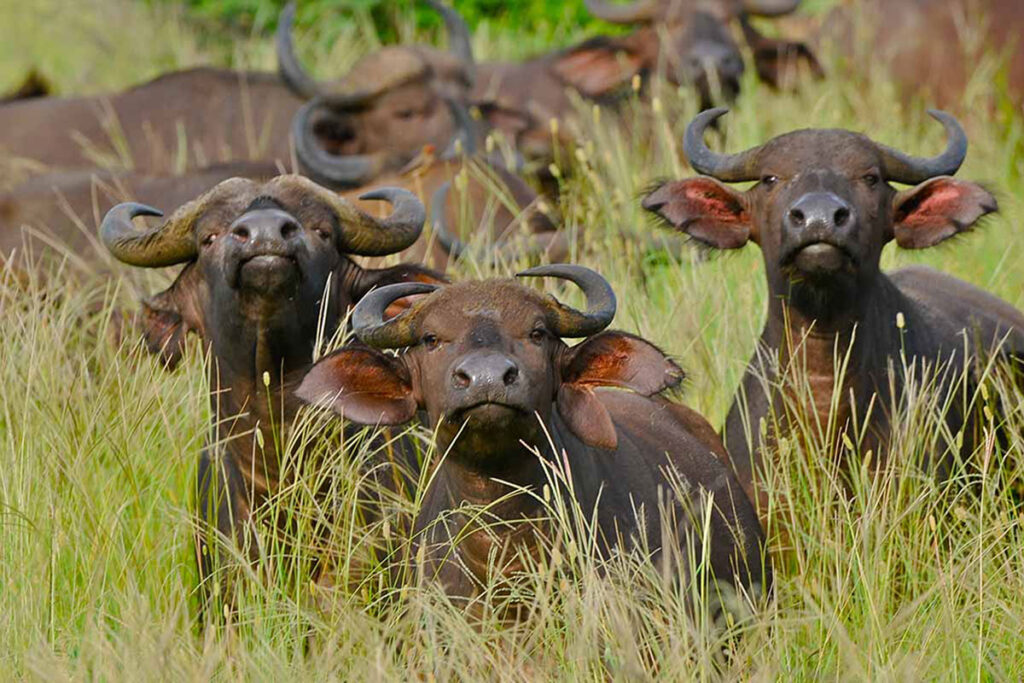
Omo National Park lies within the greater Omo–Kibish–Mago ecosystem—a globally important conservation and cultural region renowned for its diversity of wildlife, traditional communities, and world-class archaeological heritage. The park’s landscapes—comprised of open grasslands, acacia–commiphora woodlands, riparian forests, seasonal wetlands, and volcanic foothills—provide critical habitats for classic East African species. Lions patrol the plains, buffalo roam in massive herds, giraffes browse in tall woodlands, and hippos wallow in the Omo River’s deep pools. Beyond wildlife, Omo is famously intertwined with the ancient and vibrant cultures of the Suri, Mursi, Nyangatom, Dizi, and Me’en people—tribes known for body painting, lip plates, cattle culture, and traditional ceremonies that have changed little for centuries.
Overview
Established as a protected area in 1966 and gazetted in 1978, Omo National Park represents one of the most intact savannah ecosystems remaining in East Africa. Limited infrastructure, minimal road access, and its extreme remoteness have unintentionally protected it from the rapid development that has transformed many East African parks. As a result, Omo offers visitors a rare window into an Africa that feels wild, raw, and unchanged—where wildlife still moves with ancient patterns, where tribal communities remain deeply connected to the land, and where the silence and scale of the wilderness create an unmatched sense of adventure.
The park is also part of the Lower Omo Valley UNESCO World Heritage Site, one of the world’s richest paleoanthropological regions. Fossils discovered in the surrounding areas—including the famous Omo I and Omo II remains—represent some of the oldest known anatomically modern humans, dating back about 195,000 years. This prehistoric legacy gives Omo a profound significance: it is not just a wildlife sanctuary, but also a cradle of human origins, a landscape where the story of our species began.
Location, Size and Key Facts
- Country: Ethiopia
- Region: Southern Nations, Nationalities and Peoples’ Region (SNNPR)
- Size: 4,068 km²
- Coordinates: Approximately 5°–6° N, 35°–36° E
- Altitude: 450–1,500 m
- Nearest Towns: Mizan Teferi, Jinka (regional hub), Tum
- Ecosystems: Grassland, savannah, acacia woodland, floodplains, riverine forest
- Main Rivers: Omo River, Mui River, Sharum River
Geology and Rift-Valley Landscapes
Omo National Park sits within the southwestern branch of the Great Rift Valley—one of the most dramatic geological systems on Earth, formed by tectonic activity over millions of years. The region’s geological story is written in its volcanic hills, basaltic outcrops, deep gorges, and wide alluvial plains. Ancient lava flows, ash deposits, granite ridges, and sedimentary layers contribute to the park’s varied soils, which in turn support a broad spectrum of vegetation types and wildlife. Many of the region’s volcanic features date back hundreds of thousands of years, shaping the region’s water flow, drainage patterns, and grassland dynamics.
The constant shifting and uplifting associated with the Rift Valley produced the dramatic escarpments overlooking the park’s plains. These elevated areas serve as lookouts for predators, migration pathways for wildlife, and refuges for rare plant species. Over time, erosion carved river valleys, mudflats, and seasonal marshes that today form essential wetland habitats. Understanding the geology of Omo is key to understanding its biodiversity—because the landforms and soils directly shape the distribution of wildlife, vegetation, and human settlement.
Paleoanthropological Significance
Few protected areas anywhere in the world combine living cultural richness with such extraordinary archaeological and paleoanthropological heritage. The Lower Omo Valley, adjacent to the park, is one of the most important fossil sites ever discovered. Excavations here have revealed:
- Omo I and Omo II—the oldest known Homo sapiens fossils
- Stone tools dating to around 2.4 million years
- Stratified sediment layers recording early human behavior
- Faunal remains offering clues about prehistoric environments
These discoveries have reshaped global understanding of human evolution, placing Ethiopia—and the Omo Basin in particular—at the heart of early human history. Omo National Park is thus not only a biodiversity hotspot but also a living museum of humanity’s roots.
Hydrology and the Omo River System
The Omo River is the ecological lifeline of the entire region—a powerful, meandering artery that supplies water to wildlife, supports riverine forests, and sustains human communities. Originating in the Ethiopian Highlands, the river travels more than 760 kilometers before emptying into Lake Turkana in Kenya. Within the park, it forms deep pools, oxbow lakes, wetlands, and seasonally inundated floodplains that become havens for both animals and people during the dry season.
Inland rivers—including the Mui and Sharum—play critical seasonal roles. They flood during the rains, creating shallow wetlands that attract migratory birds, amphibians, and grazing herbivores. As the water recedes, nutrient-rich mud becomes prime feeding ground for antelope and livestock, sustaining the region’s pastoralist communities.
Impact of the Gibe III, IV, and V Dams
Hydropower developments upstream have significantly modified the Omo River’s natural flood cycle. Historically, annual floods deposited silt, regenerated grazing lands, triggered fish spawning, and supported the flood-retreat agriculture that tribal communities practiced for centuries. The reduction of flood pulses has introduced new challenges to:
- wildlife dispersal patterns
- seasonal grass regeneration
- wetland and fish ecology
- traditional livelihoods
These changes underscore the need for long-term, cross-border management strategies for the entire Omo–Turkana Basin.
Climate
Omo National Park experiences a hot, semi-arid climate with extreme temperature fluctuations and distinct wet and dry periods. The dry season—from December to February and again from June to August—offers the best visibility for wildlife viewing, as animals congregate along the Omo River and shrinking waterholes. Rainfall varies significantly by location and season but generally ranges from 700 to 1,100 mm per year.
During the wet season, dramatic thunderstorms sweep across the plains, filling seasonal rivers, replenishing wetlands, and transforming the savannah into lush green grazing pastures. The wet season also triggers migration patterns among herbivores, draws in large numbers of waterbirds, and supports the reproductive cycles of amphibians and insects.
Habitats and Ecosystems
Omo National Park contains one of the most diverse collections of savannah habitats in the Horn of Africa. The variety of elevation, soils, moisture, and vegetation creates a mosaic of ecosystems that support both generalist species and rare specialists found nowhere else in Ethiopia.
1. Open Grasslands
These sweeping, treeless plains support large herds of grazers such as buffalo, zebra, hartebeest, and oribi. Predators—including lions, hyenas, and cheetahs—frequently hunt here. Seasonal fires maintain these grasslands by preventing woody encroachment and stimulating nutrient cycling.
2. Acacia–Commiphora Woodland
This classic East African habitat features thorny acacias and aromatic commiphora trees that thrive in the semi-arid climate. Giraffes, impalas, kudus, and elephants rely on these woodlands for food and shade, while birds such as hornbills, starlings, and raptors nest in the trees.
3. Riverine Forest
Along the Omo, Mui, and Sharum Rivers, dense forests of tall fig trees, tamarinds, mahoganies, and palms offer refuge for primates, birds, and elephants. Large crocodiles, hippos, and monitor lizards dominate the riverbanks, while brilliant birdlife flits through the canopy.
4. Seasonal Wetlands
During the rains, shallow floodplains burst with life—frogs croak loudly, waders hunt in shallow pools, amphibians emerge from burrows, and countless insects fill the air. These wetlands serve as key breeding sites for birds and play a vital role in maintaining biodiversity.
5. Rift Valley Escarpments and Hills
Rocky hills and volcanic formations create microhabitats that shelter small mammals, hyraxes, and specialized plant species. These high points also offer magnificent views of the park’s plains and river valleys.
Flora and Botanical Richness
The park’s vegetation is a drought-adapted blend of grasses, shrubs, and broad-leafed trees that thrive despite the harsh climate. Dominant species include acacia tortilis, balanites, commiphora, and various savannah grasses. In wetter areas, tall reeds and papyrus flourish.
Botanical Highlights
- Acacia senegal
- Commiphora africana
- Balanites aegyptica
- Terminalia species
- Papyrus and riverine palms
This vegetation supports a wide array of herbivores and provides essential cover for predators. Many plants hold cultural significance for local tribes, used in medicine, rituals, and daily life.
Wildlife of Omo National Park
Omo National Park is a vital refuge for many of the savannah species associated with East Africa. Though not as densely populated as Serengeti or Maasai Mara, its remoteness ensures that wildlife populations operate largely without human disturbance.
Large Mammals
- African buffalo (large herds)
- Zebra
- Eland
- Greater kudu
- Defassa waterbuck
- Oribi
- Giraffe (Nubian giraffe, critically endangered)
- Warthog
- Bohor reedbuck
- Hippo
Predators
- Lion
- Leopard
- Cheetah (very rare)
- Spotted hyena
- African wild dogs (occasionally recorded)
Primates
- Anubis baboon
- Vervet monkey
- Colobus (localized)
Birdlife
With over 300 species recorded, Omo National Park is a paradise for birdwatchers. The mix of wetland, savannah, and woodland habitats attracts a high diversity of species, including raptors, waterbirds, and savannah specialists.
- Saddle-billed stork
- African fish eagle
- Secretary bird
- Martial eagle
- Crowned crane
- Jacanas
- Pelicans
Reptiles and Aquatic Life
- Nile crocodile
- Nile monitor lizard
- Tilapia
- Catfish
Fire Ecology
Fire plays a central role in maintaining Omo’s ecosystems. Early dry-season burns, either natural or set intentionally by pastoralists, help remove old grass, recycle nutrients, promote fresh shoots, and sustain grazing species. Without periodic fires, thorny shrubs would overtake grasslands and reduce grazing potential. Fire management is therefore essential for maintaining ecological balance.
Indigenous Tribes and Cultural Significance
The Omo region is one of the world’s greatest living cultural landscapes. Tribes in and around the park practice pastoralism, flood-retreat agriculture, and traditional rituals with exceptional continuity. Body painting, scarification, lip plates, cattle ceremonies, and age-old rites of passage reflect deep cultural identity and connection to the land.
Major Ethnic Groups
- Mursi: Famous for lip plates, scarification, cattle culture
- Suri (Surma): Body painting, Donga stick fighting
- Nyangatom: Semi-nomadic pastoralists along the Omo River
- Dizi: Highland farmers
- Me’en: Agro-pastoralists in forested highlands
Cultural Etiquette for Visitors
Cultural tourism in the Omo Valley must be approached with sensitivity. Visitors should respect local traditions, avoid intrusive photography, and always ask permission before taking pictures. Offering money to children is discouraged, as it creates dependency. Local guides help interpret customs and ensure respectful interactions.
Ecosystem Services
Omo National Park provides invaluable ecosystem services to both people and wildlife:
- Grazing resources: Seasonal grasses support livestock and wildlife
- Water regulation: The Omo River supports wetlands and agriculture
- Carbon storage: Grasslands and woodlands store vast amounts of carbon
- Biodiversity corridors: Linking Ethiopia with Kenya’s Turkana Basin
Threats and Conservation Challenges
- Poaching and bushmeat hunting
- Reduced flooding due to hydropower dams
- Grazing competition
- Human–wildlife conflict
- Limited infrastructure and ranger coverage
- Cross-border insecurity in some areas
Conservation Efforts
Despite challenges, significant conservation actions are underway:
- Nubian giraffe monitoring programs
- Expanded anti-poaching patrols
- Community conservancies supporting local livelihoods
- Research on floodplain ecology and hydrological restoration
- Cross-border conservation discussions with Kenya
Park Zones
- Omo River Zone: Best for wildlife concentration, hippos, crocs
- Mui River Zone: Prime grazing for buffalo and zebra
- Sharum Basin: Seasonal wetlands and birdwatching
- Central Savannah: Rich predator and herbivore activity
- Highland Slopes: Rugged terrain with scenic lookouts
Tourism, Safari Experience and Photography
A safari in Omo feels like stepping back a century. There are no crowds, no fences, and almost no permanent infrastructure. The silence, open skies, and sheer scale of the landscape create an immersive wilderness experience. Photographers are drawn to its golden light, dramatic storm clouds, wildlife encounters, and the visually stunning tribal cultures.
Photography Tips
- Telephoto lenses (300–600 mm) for wildlife
- Wide-angle lenses for landscapes
- Avoid flash in cultural settings
- Best light: sunrise on grasslands, sunset near the Omo River
Comparison with Mago National Park
- Omo NP: Better wildlife, larger landscapes, more wilderness
- Mago NP: Easier access, strong cultural tourism (Mursi focus)
- Together: They form Ethiopia’s ultimate cultural-wildlife safari circuit
Access and How to Visit
- Air: Jinka or Mizan Teferi airports
- Road: 4×4 required; tracks are rugged and remote
- Supplies: Visitors must bring fuel, water and provisions
Permits and Safety
- Park entry permit required at ranger posts
- Local community guides recommended
- Avoid riverbanks with crocodiles
- Practice cultural sensitivity in villages
Accommodation
- Basic bush camps inside the park
- Lodges in Jinka and Mizan Teferi
- Community-run campsites near tribal areas
Best Time to Visit
- December–March: Best wildlife visibility
- June–August: Beautiful green scenery, cool temperatures
- Rainy season: Excellent birding but difficult road access
Why Omo National Park Is Unique
Omo National Park is unlike any other wilderness in Africa. It is one of the last places where a visitor can experience a vast, untouched savannah ecosystem free from mass tourism, while also encountering some of the world’s most culturally fascinating communities. From its Rift Valley landscapes and Omo River ecosystems to its paleoanthropological treasures and thriving wildlife, Omo stands as a living testament to both human origins and natural beauty. For adventurers, photographers, conservationists, and cultural travelers seeking authenticity, Omo National Park remains one of the most extraordinary and irreplaceable destinations on Earth.