
Okomu National Park
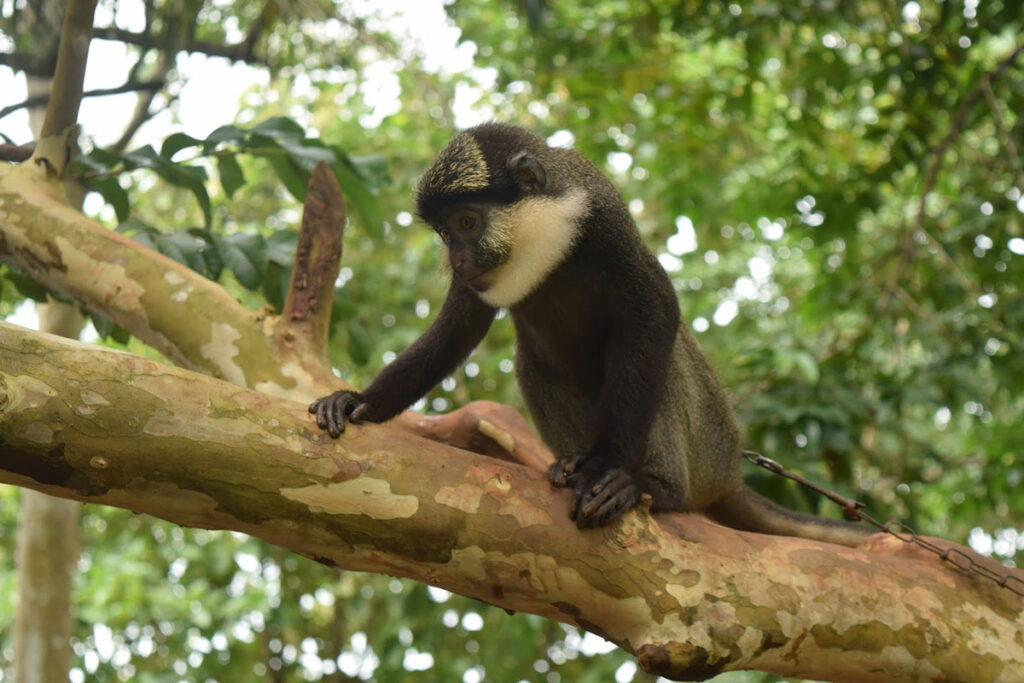
Okomu National Park, Nigeria – Last Stronghold of Lowland Rainforest, Endangered Primates, Elephants and Untouched Wilderness in Edo State
Okomu National Park is one of Nigeria’s most irreplaceable ecological treasures and a rare reminder of the ancient lowland rainforest that once blanketed much of the country’s southern region. Covering approximately 200–210 km² inside the larger 1,082 km² Okomu Forest Reserve in Edo State, this spectacular protected area safeguards dense canopies, rich wetland systems, and some of West Africa’s most threatened wildlife. It is the last substantial block of pristine rainforest in Edo State, making it a biological lifeboat for endangered primates, forest elephants, and hundreds of bird, reptile, amphibian, and insect species.
For travelers exploring “best rainforest destinations in Nigeria,” conservationists researching West African biodiversity, or eco-tourists seeking an immersive nature experience close to Benin City, Okomu National Park stands out as an exceptional destination. It combines raw wilderness, deep cultural connections, scientific value, and thrilling wildlife encounters in a compact, accessible, and truly enchanting landscape that continues to draw increased attention from both local and international visitors.
Overview of Okomu National Park
Okomu National Park was originally established as a forest sanctuary in 1935 and was later upgraded to full national park status in 1999 under the National Park Service (Establishment) Act. This transformation marked a major milestone in Nigeria’s conservation efforts, transitioning the area from a logging-regulated forest reserve into a strictly protected habitat dedicated to biodiversity preservation, scientific research, and sustainable tourism.
Today, the park is considered one of the most important remnants of the Guinea–Congo lowland rainforest biome. Despite being Nigeria’s smallest national park, its ecological value is disproportionately high. Okomu serves as a refuge for rare species such as the white-throated guenon—one of the world’s most endangered primates—and plays a crucial role in protecting forest elephant populations that have disappeared from most of southern Nigeria.
Location and Geography
Okomu National Park is located in Ovia South-West Local Government Area of Edo State, roughly 60 km north-west of Benin City. Its geographical coordinates fall between 6°15’–6°29’N and 5°09’–5°23’E, positioning it within the humid tropical rainforest belt of southwestern Nigeria. The park lies within a gently undulating lowland landscape dominated by ancient sedimentary deposits, river floodplains, swamp basins, and well-drained ridges.
The terrain ranges from about 15 to 45 meters above sea level, creating subtle but ecologically meaningful topographic variations. These elevation differences influence vegetation structure, soil types, and wildlife distribution, contributing to the mosaic of habitats that makes Okomu so biologically diverse. Shaded forest valleys, swamp-forest zones, elevated drier ridges, and mid-slope evergreen forest patches combine to form a rich, layered environment ideal for primates, amphibians, elephants, and countless invertebrates.
Climate of Okomu National Park
Okomu National Park experiences a classic humid tropical climate typical of Nigeria’s southern rainforest zone. The climate is characterized by high annual rainfall, consistently warm temperatures, and intense humidity that sustains lush vegetation and supports year-round wildlife activity. Rainfall averages between 1,500 and 2,500 mm annually, with the wet season extending from April to October.
During peak rainfall months—usually June to September—streams swell, wetlands expand, and the forest floor becomes a haven for amphibians, snails, insects, and other water-dependent species. The dry season (November to March), though less humid, still retains moderate rainfall and high moisture levels within the forest interior. Occasional Harmattan winds bring brief spells of drier, dustier air, but the dense canopy helps stabilize microclimatic conditions. Average temperatures remain warm at 25–30°C, with humidity ranging between 75–95%, creating an environment that is ideal for forest-dependent wildlife.
Hydrology and Water Systems
Water plays a central role in shaping Okomu’s ecology. The park is bordered by two major rivers—the Osse River to the east and the Okomu River to the west. These rivers feed a network of perennial streams, creeks, and wetlands that flow through the park year-round.
Within the park, smaller water bodies such as the Arakhuan stream, natural oxbow lakes, and seasonal pools provide essential drinking and breeding sites for wildlife. Seasonal flooding is common along the lower riverbanks, replenishing soil nutrients and maintaining swamp-forest habitats. These water systems support fish, amphibians, aquatic insects, and a variety of water birds, while also serving as cooling and refuge zones for forest elephants and sitatunga antelopes.
These hydrological systems not only sustain life within the park but also serve nearby communities by maintaining water tables, regulating temperatures, and reducing the impact of seasonal droughts and floods.
Ecosystems and Vegetation
Okomu National Park hosts several interconnected ecosystems that form part of the Guinea–Congo rainforest biome. Vegetation is dominated by evergreen lowland rainforest with multi-layered canopy structures. The park features:
- Swamp forest: Waterlogged areas along river channels, dominated by raffia palms and hydrophilic trees.
- High-canopy rainforest: Towering emergent trees reaching 40–50 meters, forming an almost continuous canopy.
- Mature secondary forest: Regenerated zones that support exceptional biodiversity.
- Open scrub and disturbed forest: Areas recovering from old logging trails and human disturbance.
The flora includes more than 100 tree species, such as Ceiba pentandra (silk-cotton), Triplochiton scleroxylon (African whitewood), Pycnanthus angolensis, Celtis species, Milicia excelsa (iroko), and Alstonia congensis. The understorey is filled with saplings, ferns, shade-tolerant herbs, wild ginger, and diverse lianas that intertwine through the canopy.
This multilayered vegetation structure supports thousands of invertebrates, provides nesting sites for hornbills, stabilizes soils, and contributes significantly to carbon sequestration, making Okomu a critical climate-mitigation hotspot in Nigeria.
Wildlife of Okomu National Park
Okomu National Park shelters a remarkable diversity of wildlife, including several rare and endangered species. Its dense rainforest ecosystems serve as one of Nigeria’s last refuges for forest-dependent mammals, birds, reptiles, and amphibians.
Mammals
The park is home to more than 30 species of mammals. Key species include:
- Forest elephant (Loxodonta cyclotis) – a highly endangered species that requires large, undisturbed rainforest blocks.
- White-throated guenon – one of the world’s rarest primates, found almost exclusively in southwestern Nigeria.
- Red-capped mangabey – vocal, social primates found within Okomu’s high forest zones.
- Mona monkey and putty-nosed monkey
- Sitatunga – a swamp-loving antelope that thrives in the park’s wetlands.
- Maxwell’s duiker and Ogilby’s duiker
- Tree pangolin – threatened by illegal wildlife trade.
- Bush babies, civets, mongooses, porcupines, and other nocturnal species.
Occasional sightings and local reports suggest that Nigeria–Cameroon chimpanzees (Pan troglodytes ellioti) may move through parts of the broader reserve, though more research is required to determine their presence within the park’s boundaries.
Birds
Birdlife in Okomu National Park is exceptionally rich, with more than 150 documented species, including numerous forest specialists and West African endemics. The park offers excellent birdwatching opportunities for both beginners and expert ornithologists.
- Black-casqued hornbill
- Yellow-casqued hornbill
- African grey parrot
- Angolan pitta
- Green turaco
- Forest woodpeckers
- Fish eagles, hawks, and forest owls
The high canopy layers and riverbanks are particularly productive during early mornings and late afternoons, making Okomu a top birding site in southwestern Nigeria.
Reptiles and Amphibians
- Dwarf crocodile
- Monitor lizards
- Tree snakes, pythons, vine snakes, and forest cobras
- Tree frogs, reed frogs, puddle frogs
- Forest toads and amphibians associated with humid microhabitats
Many of these species depend on unpolluted streams and swamp forests, highlighting the importance of maintaining pristine water systems within the park.
Insects and Invertebrates
Okomu is a paradise for insect enthusiasts. The park supports:
- Over 700 species of butterflies
- More than 40 species of land snails
- Dragonflies, beetles, ants, moths, and pollinators
- Termite species crucial to nutrient cycling
These invertebrates play an essential role in pollination, decomposition, and overall forest health.
Cultural and Indigenous Communities
The communities surrounding Okomu National Park are predominantly Edo-speaking people with deep historical connections to the forest. The forest has long served as a source of food, herbal medicine, spiritual inspiration, and cultural identity. Many families rely on the forest for traditional healing plants, bush mango, raffia palm, and materials used in local crafts.
Cultural beliefs also shape conservation practices. Sacred trees, ancestral groves, and traditional taboos have historically functioned as informal but effective conservation tools. Today, the Nigerian National Park Service collaborates with these communities to manage natural resources sustainably and promote eco-tourism initiatives that provide long-term benefits.
Conservation Importance
Okomu National Park is one of the most important protected areas in Nigeria for several reasons:
- It preserves the last large block of lowland rainforest in Edo State.
- It protects endangered primates and forest elephants.
- It serves as a biodiversity refuge in a region threatened by deforestation.
- It acts as a vital carbon sink and climate regulator.
- It supports scientific research and environmental education.
The park’s significance extends beyond wildlife. It plays an essential ecological role in stabilizing water systems, preventing soil erosion, promoting pollination, and maintaining natural climate buffers that benefit surrounding communities.
Threats and Conservation Challenges
Despite its protected status, Okomu faces intense environmental pressures that threaten its long-term survival. These include:
- Illegal logging and selective timber harvesting
- Expansion of rubber and oil palm plantations
- Poaching for bushmeat and wildlife trade
- Encroaching farms and human settlement
- Road construction leading to habitat fragmentation
- Climate change impacting rainfall and wetland stability
- Forest fires during extended dry spells
Addressing these challenges requires strong enforcement, community partnerships, sustainable livelihoods, and increased investment in conservation programs. Various non-governmental organizations, researchers, and local leaders continue to support efforts to protect and restore Okomu’s ecosystem.
Research and Monitoring Programs
Okomu National Park is a hub for scientific research, with ongoing studies aimed at improving biodiversity management and ecological resilience. Current research areas include:
- Camera trap surveys to monitor primate and elephant populations
- Vegetation mapping and forest regeneration studies
- GIS-based land-use analysis to identify encroachment trends
- Hydrological monitoring of rivers and wetlands
- Butterfly and insect biodiversity assessments
- Community livelihoods and conservation education programs
The park serves as an important field site for universities, conservation organizations, and international researchers studying rainforest ecology, climate change, and sustainable resource management.
Tourism Activities in Okomu National Park
Though not as widely visited as Nigeria’s savanna parks, Okomu offers a wide variety of unique and immersive tourism experiences that showcase the beauty and complexity of its rainforest ecosystems.
- Guided nature walks – Explore forest trails with expert guides.
- Tree-house canopy viewing – Climb up to 140-foot platforms for breathtaking views.
- Birdwatching safaris – Observe rare forest species in natural habitats.
- Butterfly watching – Enjoy one of West Africa’s richest butterfly populations.
- Canoe and river-edge excursions – Where permitted, explore waterways for aquatic birds and reptiles.
- Photography expeditions – Perfect for capturing the rainforest’s dramatic light and hidden wildlife.
- Night walks – Observe nocturnal species such as galagos, frogs, and insects.
- Cultural visits – Learn about traditional lifestyles, crafts, and folklore.
These activities offer memorable experiences for nature lovers, researchers, birders, photographers, and anyone seeking a peaceful retreat into one of Nigeria’s last intact rainforests.
Access and How to Get There
The gateway to Okomu National Park is Benin City, which is connected to major Nigerian cities by road and domestic flights. From Benin City:
- Travel roughly 1.5–2 hours by road toward Udo.
- Road conditions vary seasonally; 4×4 vehicles are ideal during rainy months.
- Guides, entry permits, and accommodation arrangements are handled at the park’s reception area.
Although mobile network reception is limited inside the park, guides ensure visitor safety and navigation throughout the experience.
Permits, Fees, and Park Regulations
Visitors to Okomu National Park must comply with park regulations designed to protect the fragile rainforest ecosystem. Requirements include:
- Payment of entry fees (different for citizens, residents, and international tourists)
- Mandatory use of certified park guides
- Special permits for photography, filming, or scientific research
- Strict prohibition of hunting, logging, and resource collection
- Observing quiet behavior and minimizing disturbance to wildlife
The park typically operates from early morning until dusk. Night activities require special approval from the park authorities.
Accommodation Options
While accommodation options near the park are modest compared to major tourist destinations, they provide comfortable and atmospheric stays close to nature. Available options include:
- Park-managed chalets: Basic facilities located near the park entrance.
- Community eco-lodges: Simple lodging in nearby villages.
- Hotels in Benin City: Ideal for visitors seeking more amenities, from budget to luxury.
Staying near the park entrance offers the best opportunity for early-morning wildlife viewing, while Benin City accommodations provide convenience and comfort.
Best Time to Visit
Okomu National Park can be explored throughout the year, but seasonal differences affect the type of experience visitors can expect.
- Dry season (November–March): Best for forest walks, photography, and easier road access.
- Wet season (April–October): Forest is lush and vibrant, amphibians are active, butterflies peak, but trails may be muddy.
- Best birdwatching: December–March.
- Best butterfly months: April–July.
Early mornings and late afternoons are particularly rewarding for wildlife observation.
Why Okomu National Park Is Unique
Okomu National Park stands out as one of Nigeria’s most valuable natural treasures for several compelling reasons:
- It protects the last large expanse of lowland rainforest in Edo State.
- It harbors endangered primates and forest elephants found nowhere else in Nigeria.
- It boasts extraordinary bird and butterfly diversity.
- It offers immersive rainforest experiences close to a major urban center.
- It plays a vital role in climate regulation, carbon storage, and freshwater protection.
- It serves as a living classroom for scientists, students, and conservationists.
Okomu National Park is more than a tourist attraction—it is a sanctuary of environmental heritage, a refuge for species on the brink of extinction, and a living symbol of Nigeria’s commitment to protecting its natural ecosystems for future generations. For travelers seeking authentic nature encounters, for scientists studying rainforest ecology, or for communities preserving their cultural identity, Okomu remains a rare and wonder-filled destination that must be cherished and conserved.