
Old Oyo National Park
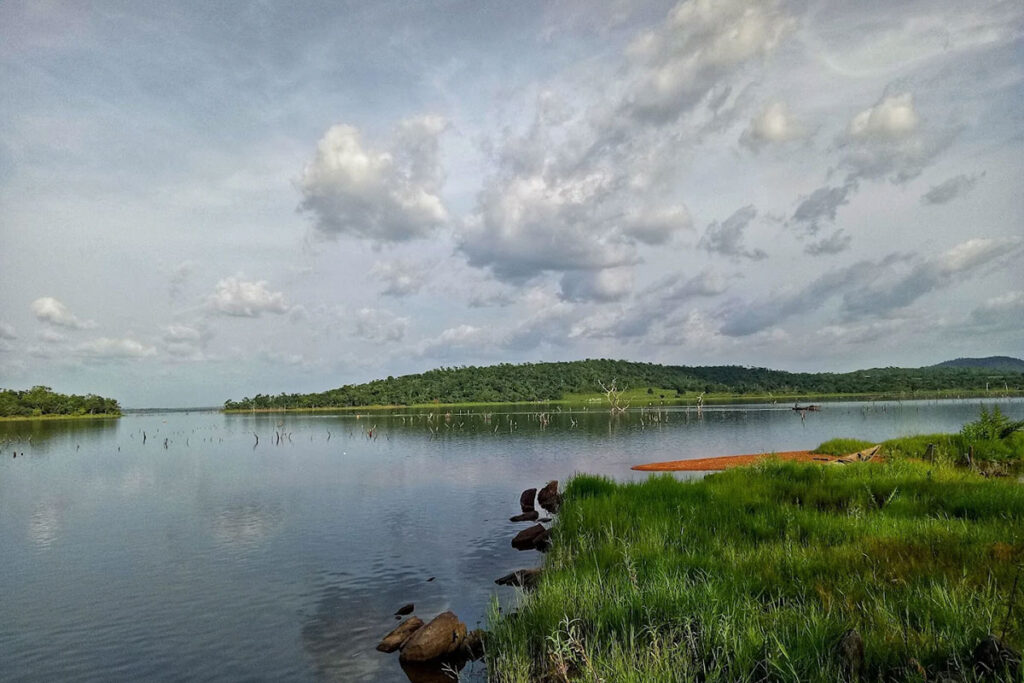
Old Oyo National Park, Nigeria – Ancient Oyo Empire Ruins, Ogun River Safaris, Guinea Savanna Wildlife and Yoruba Cultural Heritage
Old Oyo National Park is one of Nigeria’s most captivating natural and cultural destinations—a vast sanctuary where centuries of Yoruba imperial history meet the timeless beauty of the Guinea savanna ecosystem. Located in northern Oyo State and extending into southern Kwara State, the park spans approximately 2,512 km² and represents an extraordinary fusion of archaeology, wildlife, dramatic landscapes, river systems, and community heritage. It is the only protected area in West Africa where travelers can walk among the ruins of an ancient empire in the morning and embark on wildlife-viewing safaris in the afternoon—making Old Oyo a uniquely layered experience that appeals to safari enthusiasts, historians, researchers, and adventure travelers.
Originally established as a combination of forest and game reserves in the 1930s and 1940s, Old Oyo was officially designated a national park in 1991. Today it protects the historic capital of the Oyo Empire (Oyo-Ile), once one of the greatest political and military powers in West Africa. The park conserves archaeological treasures such as palace ruins, city walls, moats, shrines and defensive complexes—all surrounded by rugged hills, savanna woodlands, rocky outcrops and river corridors that sustain rich biodiversity. Wildlife enthusiasts can explore river valleys where hippos surface, savanna plains where kob and roan antelope graze, and wooded valleys where baboons, hyenas and leopards follow ancient pathways.
Overview of Old Oyo National Park
Old Oyo National Park stands at the intersection of culture and ecology. Its establishment in 1991 unified the Upper Ogun Game Reserve and Oyo-Ile Forest Reserve, creating a conservation landscape dedicated to protecting the natural environment alongside the priceless cultural heritage of the Oyo Empire. Managed by the Nigeria National Park Service, the park’s mission includes wildlife conservation, cultural preservation, tourism development, and environmental education for surrounding communities.
Modern conservation efforts have strengthened patrols, reduced poaching, protected archaeological features from encroachment, and enhanced visitor access. The park is increasingly recognized as a nature-and-heritage tourism destination, where visitors encounter a blend of storytelling, archaeology, wildlife encounters, river exploration and savanna hiking. As eco-tourism grows, Old Oyo is becoming an important hub for researchers, historians, photographers and travelers seeking immersive African experiences.
Location, Size and Key Facts
Old Oyo National Park occupies a strategic position in southwestern Nigeria, making it the most accessible savanna national park in the region for travelers based in Ibadan, Lagos, Ilorin and Osogbo. Its landscape spreads across multiple local government areas, with the main administrative headquarters located in the historic city of Oyo.
- Country: Nigeria
- States: Oyo State (majority) & Kwara State (north-east sector)
- Total Area: approx. 2,512 km²
- Coordinates: approx. 8°15’–9°00′ N, 3°35’–4°42′ E
- Elevation: 330–508 m above sea level
- Ecoregion: Southern Guinea Savanna
- Main Rivers: Ogun, Tessi, Iwa
- Nearest Towns: Oyo, Sepeteri, Iseyin, Ogbomoso
- Year Established: 1991
The park’s “saxophone-shaped” boundary encompasses plains, mountains, rivers, heritage sites and savannas, creating one of Nigeria’s most diverse protected landscapes in terms of terrain, wildlife and cultural resources.
Geography, Terrain and Landscape
Old Oyo National Park features some of the most dramatic scenery in southwestern Nigeria. The northern and central sectors are dominated by granite inselbergs, steep hills and rocky escarpments that rise from the savanna and create striking silhouettes at sunrise and sunset. These formations served both defensive and ceremonial functions during the Oyo Empire era and today provide superb hiking and photography opportunities.
The southern portion of the park is characterized by gently rolling plains, open savannas and woodland mosaics. Deep within the park, river valleys carve through rugged terrain, creating fertile lowlands lined with tall trees, vines and riverine vegetation. The presence of caves, rock shelters, ancient quarries, erosion gorges and boulder fields adds to the sense of adventure. Visitors will find secluded pools, panoramic viewpoints, bird-rich wetlands and scenic ridges that make Old Oyo visually unforgettable.
Climate and Weather
Old Oyo National Park experiences a classic tropical savanna climate defined by two major seasons and influenced by the West African monsoon and the Harmattan winds from the Sahara.
- Rainy Season (April–October): Heavy rainfall turns the savanna lush and green. Rivers swell, amphibians proliferate, and bird activity peaks. Vegetation is at its most vibrant for photography.
- Dry Season (November–March): Ideal for game viewing. Water sources shrink, concentrating animals near rivers and pools. Harmattan dust in December–February brings cooler nights and atmospheric, misty mornings.
- Temperature Range: Warm to hot year-round (28–35°C), with cooler nights during Harmattan.
For safari-focused travelers, the dry season provides optimal visibility. For birders, botanists and landscape lovers, the rainy season reveals the park’s full ecological richness and dramatic cloud formations.
Hydrology and River Systems
Water is central to life in Old Oyo National Park. The park is anchored by three key river systems—Ogun, Tessi and Iwa—which nourish wildlife, support fisheries, shape vegetation and sustain local communities. These rivers were also vital to the ancient Oyo Empire, serving as trade arteries, freshwater sources and natural defensive lines.
The Ogun River
The Ogun River is the park’s most important waterway. It supports hippos, crocodiles, waterbirds and a variety of fish species. Its floodplains host fertile soils, tall riparian forests and wetlands that act as magnets for wildlife. Travelers can enjoy seasonal canoeing, shoreline birdwatching and scenic riverside walks.
Tessi River and Iwa River
The Tessi River drains much of the park’s northern interior, creating waterholes and gallery forests essential to antelopes, primates and herbivores. The Iwa River supports amphibian breeding grounds, crocodile basking sites and wildlife drinking areas during the dry months.
Together, these rivers create a dynamic hydrological network that shapes wildlife distribution, vegetation zones and cultural settlement patterns across the park.
Ecosystems and Habitat Diversity
Old Oyo National Park sits within the Southern Guinea Savanna—a transitional ecosystem between rainforest and Sudanian savanna. This unique position creates high habitat diversity and supports a wide range of species.
- Guinea savanna grasslands: Open plains dominated by tall grasses that attract grazing antelopes.
- Wooded savannas and shrublands: Scattered trees provide browse for herbivores and cover for predators.
- Forest–savanna mosaic: Pockets of woodland that host primates, antelopes and forest-edge species.
- Riparian and gallery forests: Moist corridors along rivers that support rich birdlife and dense vegetation.
- Rocky outcrops and hill ecosystems: Specialized habitats for raptors, bats, reptiles and baboon troops.
- Wetlands and seasonal ponds: Breeding grounds for frogs, insects, waterbirds and aquatic species.
The park’s mosaic of ecosystems supports complex ecological interactions—predator-prey relationships, seasonal migrations, plant regeneration cycles and hydrological dynamics—making it a living laboratory for savanna ecology.
Vegetation and Flora
Old Oyo’s vegetation is dominated by perennial grasses and drought-resistant trees typical of the Guinea savanna zone. Tree species include Vitellaria paradoxa (shea), Isoberlinia, Prosopis africana, Terminalia, Combretum, Afzelia africana and acacias. These species provide food, shade, nesting sites and medicinal resources.
Riparian forests contain taller species such as Khaya senegalensis, Ficus and other moisture-loving trees. Rocky zones host resilient shrubs and small trees adapted to shallow soils and intense heat. During the rainy season, wildflowers and climbers transform the landscape into a carpet of color, attracting pollinators and seed dispersers.
Wildlife of Old Oyo National Park
Although some species have declined due to historical hunting and habitat pressures, Old Oyo remains an important refuge for West African savanna animals. The park supports a wide variety of mammals, birds, reptiles, amphibians and insects, offering rich opportunities for wildlife viewing.
Large Mammals and Herbivores
- Buffalo: Often found in groups near rivers and wetlands.
- Roan antelope: One of the park’s flagship savanna species, frequently seen in mixed woodlands.
- Western kob: Abundant, forming large herds across grasslands.
- Western hartebeest: Common in open plains and lightly wooded areas.
- Bushbuck and waterbuck: Found along riverbanks and in denser woodland.
- Warthog and red river hog: Active throughout the day in grasslands and woodland edges.
- Hippopotamus: In deeper river pools, especially in the Ogun River.
Primates
- Olive baboon: Widespread, especially around rocky elevations.
- Patas monkey: Known for their speed and preference for open savannas.
- Tantalus (green) monkey: Often seen in riverine forests and woodland edges.
Carnivores and Predators
- Leopard: Present but elusive, using rocky shelters for refuge.
- Spotted hyena: Active at night and known for calling loudly across the savanna.
- Side-striped jackal: A versatile predator-scavenger seen in open areas.
- Small carnivores: Civets, mongooses, genets and wildcats.
Birdlife
With diverse habitats—from wetlands to woodlands—Old Oyo is a rewarding destination for birdwatchers. At least 149 species have been recorded.
- African fish eagle
- Martial eagle
- Grey hornbill
- Red-throated bee-eater
- Parrots and lovebirds
- Weavers and finches
- Hammerkop
- White-faced whistling duck
Reptiles and Amphibians
- Nile crocodile
- Monitor lizards
- Pythons and vipers
- Tree frogs and toads during rainy season
Unique Cultural and Historical Features
The crown jewel of the park is the ancient city of Oyo-Ile, the former capital of the Oyo Empire, which dominated West Africa for several centuries. Within the park’s boundaries lie massive earthworks, palace foundations, city walls, moats, shrines and the remains of historic settlements.
Visitors can walk through the remnants of royal compounds, explore sacred sites, climb defensive hills that once protected the empire and discover ancient quarries and industrial areas where stone was shaped for construction. The blend of archaeology and nature creates an atmosphere of mystery, connecting visitors to centuries of Yoruba history, tradition and trade.
Local Communities and Cultural Connections
Communities surrounding the park are predominantly Yoruba, with cultural traditions that have been passed down through generations. Farming, fishing, cattle rearing and artisanal crafts remain core livelihoods. Many locals now work with the park as guides, guards, trackers, cultural interpreters and artisans producing handcrafts for visitors.
Cultural experiences include storytelling, drumming, dancing, pottery, weaving, food tasting and market visits. These interactions provide visitors with deeper insight into Yoruba traditions and reinforce the importance of cultural conservation alongside wildlife protection.
Conservation Importance and Management
Old Oyo National Park plays a key role in safeguarding Nigeria’s savanna biodiversity and cultural heritage. Conservation strategies include anti-poaching patrols, wildlife monitoring, fire management, vegetation restoration and community cooperation. The archaeological resources require specialized protection to prevent looting and degradation.
The park also supports education programs for schools and universities, empowering young people to appreciate heritage and conservation values.
Threats and Challenges
- Poaching and illegal hunting
- Agricultural encroachment around boundaries
- Uncontrolled dry-season bushfires
- Habitat degradation from logging and fuelwood collection
- Climate change affecting rainfall patterns and river flow
These challenges require ongoing investment, community involvement and improved surveillance to ensure the long-term sustainability of the park.
Scientific Research and Monitoring
Old Oyo National Park is a valuable research site for archaeologists, botanists, zoologists, hydrologists and climate scientists. Key research topics include wildlife surveys, bird distribution, waterhole ecology, soil analysis, forest–savanna dynamics, land-use change and heritage conservation.
The park’s landscapes serve as a natural laboratory for studying savanna processes, human–environment interactions and long-term ecological resilience.
Tourism Activities
- Game drives across savanna plains
- Birdwatching in grasslands and riverbanks
- Hiking and rock climbing on granite outcrops
- Visiting Old Oyo Empire ruins
- Boating and canoeing on the Ogun River (seasonal)
- Sport fishing in designated areas
- Cultural tours to nearby Yoruba villages
- Photography of landscapes, wildlife and heritage sites
Access and How to Get There
The park is easily accessible by road from several major cities:
- From Ibadan or Lagos: Via Oyo and Iseyin.
- From Ilorin: Via Ogbomoso or Igbeti.
- Most convenient gateways: Oyo, Sepeteri, Iseyin.
4×4 vehicles are recommended during the rainy season. Visitors can book guided tours through the park headquarters or local operators.
Permits and Park Regulations
- Park entry fees apply
- Guides recommended for game viewing and hiking
- No off-road driving
- No disturbance of archaeological sites
- No feeding wildlife
- No littering
- Drones require special approval
Accommodation Options
- Akoto Base Camp & Lodge: Comfortable chalets, swimming pool, guided activities.
- Ibuja Camp: Riverside accommodation offering canoeing and hippo viewing.
- Hotels in Oyo, Ogbomoso, Ilorin: Mid-range options near the park.
- Community guesthouses: Affordable stays with local hospitality.
Best Time to Visit Old Oyo National Park
- November–March: Best wildlife visibility and easiest travel conditions.
- April–July: Green scenery, active birdlife and dramatic skies.
- August–October: Peak greenery, vibrant flowers and excellent photography conditions.
Why Old Oyo National Park Is Unique
Old Oyo National Park is unlike any other protected area in West Africa. It is a place where nature and history intertwine: lions once roamed near royal compounds, ancient warriors patrolled rock fortresses, and traders followed river paths that still host hippos and crocodiles today. The park’s combination of dramatic landscapes, archaeological treasures, cultural traditions and wildlife makes it a profoundly meaningful destination for travelers seeking depth, variety and authentic African heritage.
For visitors, researchers and conservationists alike, Old Oyo offers a powerful blend of Yoruba civilization, savanna wildlife, river landscapes, community culture and immersive adventure. It stands as a reminder of Nigeria’s heritage and a beacon for future conservation and tourism development.