
Toubkal National Park
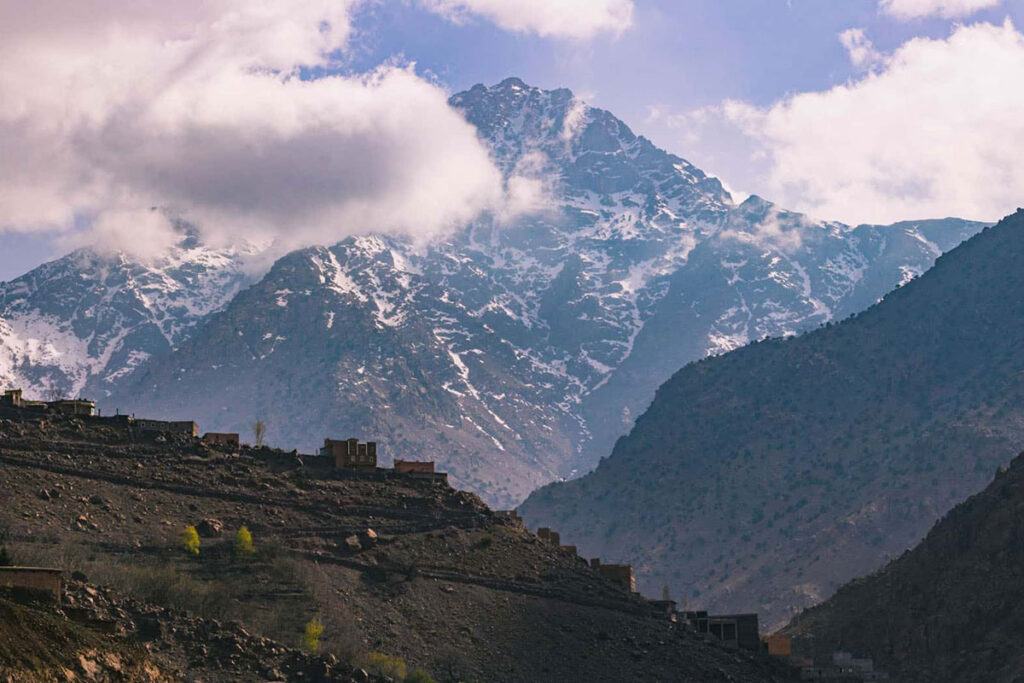
Toubkal National Park – North Africa’s Highest Peaks, Amazigh Mountain Culture, Alpine Ecosystems and Morocco’s Iconic High Atlas Wilderness
Toubkal National Park is one of Africa’s most extraordinary mountain sanctuaries—a spectacular realm of jagged summits, deep-cut valleys, ancient Berber hamlets and pristine alpine environments rising far above the Moroccan landscape. Established in 1942 and covering an area of approximately 380 km², the park protects the highest and most dramatic section of the High Atlas Mountains. Dominated by Jbel Toubkal at 4,167 meters, the highest peak in North Africa, this protected area showcases the most powerful panoramic landscapes of the Moroccan high country. Its combination of rugged geology, sacred cultural heritage and unparalleled biodiversity creates a wilderness experience that feels both timeless and completely immersive. From sweeping ridges and snow-sprinkled summits to terraced villages shaped by centuries of Amazigh mountain life, the park represents the very heart of Morocco’s high-altitude identity.
Despite its relatively compact size, Toubkal National Park is a place of immense ecological and cultural richness. Alpine meadows bursting with summer flowers, ancient juniper forests that cling to steep slopes, high-mountain streams that sustain entire valleys and a mosaic of endemic species make it one of the most biologically valuable landscapes in the Maghreb. Visitors can trek along mule paths carved into cliffs, explore glacial cirques, ascend to high plateaus with staggering views, or immerse themselves in the living traditions of Amazigh families whose resilience and hospitality are deeply intertwined with the mountain terrain. This incredible blend of nature, culture and adventure makes Toubkal one of the most iconic trekking destinations anywhere in Africa.
Location, Size and Geographic Setting
Toubkal National Park lies approximately 60–70 kilometers south of Marrakech, in the central High Atlas Mountains—an area renowned for its dramatic scenery, historic trade routes and deeply rooted Amazigh communities. The park occupies a strategic position between Morocco’s fertile northern plains and the arid foothills leading toward the Sahara, creating a natural gateway between contrasting ecological worlds. Its steep slopes rise sharply from cultivated valley bottoms, forming a dramatic amphitheater of mountains that dominate the horizon.
- Area: ±380 km² of protected mountain terrain.
- Elevation: 1,500 m to 4,167 m above sea level.
- Main features: Jbel Toubkal, Toubkal Massif, glacial valleys, high passes.
- Nearest gateway village: Imlil.
This geographic setting has shaped both natural ecosystems and human life for centuries. Terraced farmlands, ancient irrigation systems and stone houses blend seamlessly into the topography, while large elevation gradients produce noticeable shifts in climate, vegetation and wildlife within short distances—making the park an ecological treasure for trekkers and conservationists alike.
Geology, Mountain Formation and the High Atlas Landscape
The High Atlas Mountains are the result of powerful tectonic forces that began millions of years ago, pushing the Earth’s crust upward to form one of Africa’s most prominent mountain chains. In Toubkal National Park, these forces are on full display: the massif is composed primarily of ancient volcanic and metamorphic rock, some dating back to the Precambrian era. Over time, glacial sculpting carved deep U-shaped valleys, cirques, sharp cols and serrated ridges that give the park its unmistakable alpine profile.
The Toubkal Massif features an impressive collection of peaks over 3,500 m, each with unique geological traits shaped by cycles of erosion, freeze-thaw processes and ancient glaciers. The combination of volcanic basins, polished rock surfaces, glacial moraines and steep couloirs creates a landscape that is visually varied, geologically significant and highly appealing to trekkers and mountaineers.
- Jbel Toubkal (4,167 m): The iconic summit that offers panoramic views of the Atlas range and beyond.
- Ouanoukrim Peaks: Massive twin summits known for technical climbs and dramatic ridgelines.
- Plateau de Tazarhart: A high plateau battered by strong winds, ideal for advanced trekkers seeking remote alpine terrain.
Together, these geological features create a dramatic mountain environment that feels both primeval and pure, offering one of the finest alpine landscapes in all of North Africa.
Climate and Altitudinal Zonation
The climate of Toubkal National Park varies dramatically with altitude, shaping everything from the vegetation to the wildlife and traditional human activities. Lower valleys experience a temperate Mediterranean climate with warm summers and mild winters, while higher elevations transition into alpine conditions marked by thin air, cold temperatures and strong winds. Snowfall is common on the upper slopes from late autumn to spring, creating stark contrasts between green valleys and white summits.
- Temperature range: 25–30°C in summer valleys; below freezing at high elevations.
- Rainy seasons: Winter and early spring, with snow above 2,800 m.
- Dry seasons: Late spring to early autumn—ideal for trekking.
This altitudinal zonation is one of the park’s most distinctive ecological characteristics. As hikers ascend, they pass through multiple bioclimatic zones, each more rugged and sparse than the last. This unique progression is one reason why Toubkal is such a compelling destination for ecological tourism.
Hydrology – Alpine Lakes, Springs and Mountain Catchments
Despite its rugged appearance, Toubkal National Park is a crucial water tower for central Morocco. Snowmelt, rainfall and mist capture contribute to a delicate but essential hydrological network that nourishes villages far below. The mountains store vast quantities of winter snow, which melt gradually into springs and streams that sustain life year-round.
- Lake Ifni: A visually stunning alpine lake at about 2,500 m, known for its emerald waters and rocky amphitheater.
- Perennial springs: Clean, cold mountain water emerging directly from rock layers.
- Seasonal torrents: Powerful watercourses descending after snowmelt and rainfall.
- Riparian vegetation: Willow, poplar and tamarisk benefiting from the mountain runoff.
These hydrological systems support not only ecosystem stability but also agriculture, pastoralism and local communities whose lives depend on predictable mountain water flows. The park’s ability to regulate water, prevent erosion and recharge groundwater highlights its immense ecological value.
Ecosystems and Habitat Diversity
Toubkal’s ecosystems form a remarkable vertical gradient that unfolds like the pages of a natural history book. Each elevation level reveals a new assemblage of plants, birds, insects and mammals, all uniquely adapted to the changing conditions. This compressed diversity makes Toubkal an exceptional ecological hotspot, especially for researchers and nature lovers.
- Valley agriculture zones (1,500–2,000 m): Fruit orchards, terraced fields and riverine grasses.
- Holm oak and juniper forests (2,000–2,800 m): Evergreen trees hosting birds, foxes and insect life.
- Subalpine shrublands (2,800–3,200 m): Hardy bushes adapted to cold and wind.
- Alpine meadows (3,200–4,167 m): Flowers, mosses and glacial grasses dominating the high slopes.
These habitats form the backbone of the park’s ecological richness, supporting species that rely on the specific microclimates and vegetation types found at each altitude.
Flora – Juniper Forests, Alpine Flora and High-Atlas Endemics
The botanical diversity of Toubkal National Park is extraordinary. Ancient juniper groves—some hundreds of years old—dot the mid-mountain slopes, providing essential habitat for birds and shade for grazing animals. Alpine flowers burst into vibrant color during the spring and summer months, carpeting meadows with purples, yellows and whites. Many of the park’s plant species are endemic to the High Atlas, meaning they exist nowhere else in the world.
- Juniperus thurifera: Sacred, slow-growing juniper trees revered for their cultural and ecological importance.
- Holm oak forests: Evergreen stands stabilizing hillsides and sheltering wildlife.
- Alpine cushion plants: Thick mats of hardy plants adapted to cold, wind and rocky soils.
- Medicinal herbs: Used for generations by Amazigh healers and families.
These plants are not only vital for biodiversity but carry deep cultural significance—many form the basis of herbal teas, remedies and traditional practices among mountain communities.
Wildlife of Toubkal National Park
Though the high-altitude environment is challenging, Toubkal National Park supports a surprising variety of wildlife, benefiting from its extensive altitudinal range, protected valleys and relatively undisturbed wilderness. Its fauna includes cliff-dwelling mammals, high-soaring raptors, endemic birds, specialized reptiles and colorful alpine insects.
Mammals
- Barbary sheep (aoudad): The most iconic species, often seen navigating steep cliffs with agility.
- Red fox and African wolf: Adapted predators patrolling rocky slopes.
- Wild boar: Found in forest edges and dense shrublands.
- Small carnivores: Including genet and mongoose species.
Birdlife
Birdwatchers consider Toubkal one of Morocco’s finest avian destinations. Its cliffs, forests and alpine meadows attract a diverse range of resident and migrating species. The dramatic topography provides ideal hunting grounds for raptors and nesting habitat for mountain birds.
- Golden eagle
- Bonelli’s eagle
- Bearded vulture
- Alpine accentor
- Crimson-winged finch
- Levaillant’s woodpecker
- Barbary partridge
Reptiles, Amphibians and Insects
Reptiles such as lizards and snakes thrive on warm rock surfaces, while amphibians persist near springs and small pools at mid-elevation. During warm months, alpine meadows come alive with butterflies, beetles and other insects, contributing to pollination and adding vibrancy to the landscape.
Cultural Heritage – The Amazigh High-Atlas Communities
The cultural richness of Toubkal National Park is inseparable from the Amazigh communities who have lived in these mountains for centuries. Their traditional stone houses, terraced fields, mountain herding practices and vibrant oral traditions are integral to the identity of the High Atlas. Visitors experience a living culture shaped by resilience, resourcefulness and deep respect for the land.
- Traditional villages: Imlil, Aremd, Azzaden, Imnane and others.
- Pastoralism: Seasonal livestock movement across elevation zones.
- Cultural heritage: Music, weaving, storytelling and local cuisine.
These communities form the heart and soul of the region, offering hospitality, guiding expertise and cultural continuity that enrich every journey through the park.
Conservation Importance
Toubkal National Park plays a critical role in safeguarding Morocco’s high-mountain ecosystems. It preserves vital water sources, ensures the survival of high-altitude flora and fauna, and protects fragile landscapes from overuse. Its importance also extends to cultural conservation, as the park maintains traditional land-use practices and supports sustainable livelihoods.
- Protection of endemic plants and alpine wildlife.
- Water regulation for downstream communities.
- Preservation of Amazigh cultural landscapes.
- Promotion of sustainable high-mountain tourism.
Threats and Environmental Challenges
- Overgrazing: Limits natural regeneration of mountain vegetation.
- Wood harvesting: Reduces juniper and oak populations.
- Climate change: Alters snowfall patterns and ecological zones.
- Unmanaged tourism: Causes erosion and habitat disturbance.
These challenges emphasize the need for ongoing monitoring, community involvement and responsible tourism practices to ensure the park’s long-term health.
Research and Monitoring Programs
Scientific research is essential to understanding Toubkal’s complex ecosystems. Researchers study everything from climate impacts and water resources to plant ecology and bird populations. Long-term monitoring helps identify trends, guide conservation strategies and preserve the integrity of the High Atlas environment.
- Alpine flora surveys and climate response studies.
- Raptor monitoring and migration research.
- Hydrological mapping and water resource analysis.
- Traditional land-use and cultural heritage documentation.
Tourism Activities in Toubkal National Park
- Toubkal Summit Trek: The most famous ascent in North Africa.
- High-Atlas trekking circuits: Multi-day journeys through remote valleys.
- Cultural village walks: Encounters with Amazigh culture and traditions.
- Birdwatching: Superb opportunities for raptor and alpine species.
- Photography: Dramatic landscapes, glacial valleys, mountain villages.
- Winter trekking: Snow-covered ascents for experienced hikers.
Access – How to Reach Toubkal National Park
- By Road: 1.5–2 hours’ drive from Marrakech to Imlil.
- On Foot: Extensive networks of mule paths and trekking trails.
- Transport: Shared taxis, private drivers, trekking companies.
The ease of access combined with world-class trekking infrastructure makes Toubkal one of the most convenient high-mountain destinations in the region.
Permits and Park Regulations
- Licensed guide required: Mandatory for high-altitude routes.
- Passport checks at gendarmerie posts.
- Respect altitude safety guidelines and weather conditions.
- Camping only in permitted areas.
These regulations ensure visitor safety, preserve fragile habitats and support local communities involved in guiding and conservation.
Accommodation Options
- Mountain refuges: Essential facilities for summit-bound trekkers.
- Guesthouses and homestays: Authentic Amazigh hospitality in Imlil and surrounding villages.
- Lodges: Comfortable bases with mountain views and traditional cuisine.
Most accommodations blend seamlessly into the mountain environment, offering warm hospitality, striking views and direct access to key trailheads.
Best Time to Visit Toubkal National Park
- April–June: Wildflower season and mild weather.
- September–November: Clear skies and ideal trekking conditions.
- December–March: Snow and winter trekking opportunities.
Each season offers a distinct experience, making Toubkal a year-round destination for nature and mountain lovers.
Why Toubkal National Park Is Unique
Toubkal National Park stands apart as a rare fusion of soaring alpine landscapes, deep-rooted Amazigh traditions and globally significant biodiversity—all within easy reach of Marrakech. Its mighty peaks, cultural richness, ecological treasures and world-class trekking routes make it one of the most rewarding mountain destinations in Africa. From witnessing sunrise atop Jbel Toubkal to exploring ancient villages nestled below towering cliffs, every moment in the park reveals a profound connection between nature, people and the enduring spirit of the High Atlas.