
Pendjari National Park
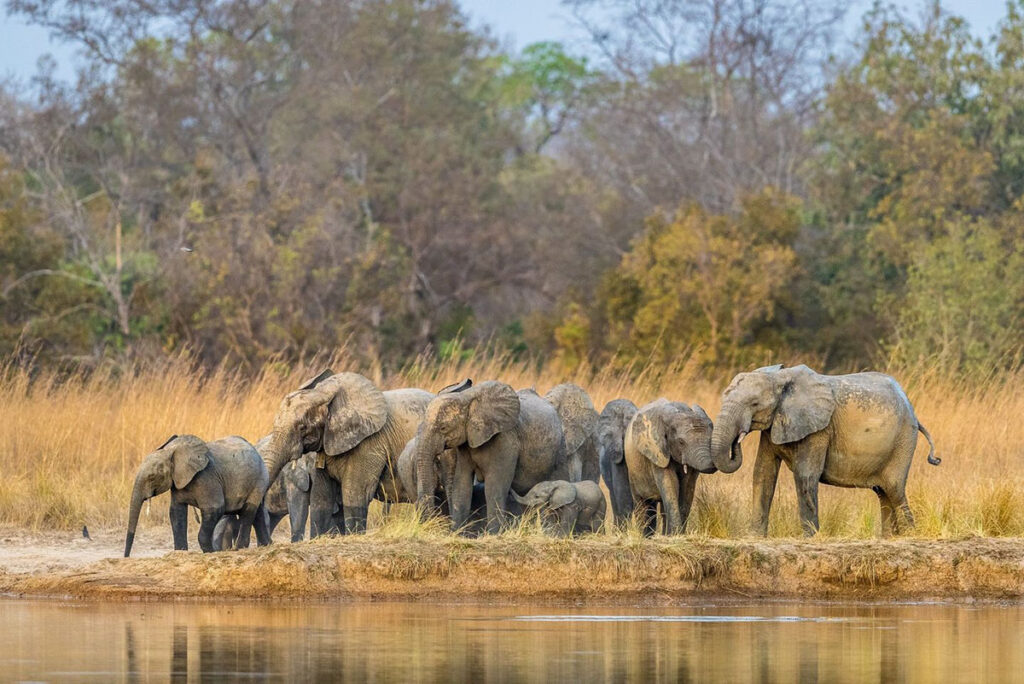
Pendjari National Park, Benin – UNESCO W-Arly-Pendjari World Heritage Site, West African Lions, Elephants, Cheetahs and Classic Savannah Wilderness
Pendjari National Park is the beating heart of West Africa’s last great wildlife stronghold—a vast, biodiverse savannah sanctuary where lions still roar at dusk, elephants roam in large herds, cheetahs sprint across open plains, and hippos wallow in permanent rivers. Located in the rugged Atakora region of northwestern Benin, Pendjari forms the Beninese core of the W–Arly–Pendjari (WAP) Complex, a massive transboundary protected area that stretches across Benin, Burkina Faso and Niger. Recognized as a UNESCO World Heritage Site and a UNESCO Biosphere Reserve, Pendjari is considered the most ecologically intact and wildlife-rich savannah ecosystem remaining in West Africa.
Covering approximately 2,755 km² of core national park and more than 6,445 km² when including the wider Pendjari Protected Area (hunting zones + buffer areas), the park shelters the largest population of West African lions, one of the only surviving populations of Northwest African cheetah, and more than 800 elephants within the immediate landscape. Over 50 large mammal species and more than 460 bird species have been recorded here, making Pendjari a premier destination for authentic West African safaris and wildlife conservation.
Overview of Pendjari National Park
Established in 1954 and upgraded to a national park in 1961, Pendjari has long been the flagship wildlife reserve of Benin. In 1986, it was named a UNESCO Biosphere Reserve, and in 2017 it became part of the W-Arly-Pendjari UNESCO World Heritage Site for its exceptional biodiversity and intact savannah ecosystems. Pendjari’s protected status reflects its vital role as a refuge for species that have largely disappeared from the rest of West Africa.
Since 2017, Pendjari has been co-managed by African Parks and the Government of Benin through CENAGREF. This partnership has brought world-class conservation management, ranger training, anti-poaching, aerial surveillance, satellite wildlife monitoring and community engagement. Wildlife numbers have increased, illegal hunting has sharply declined, and the park has become one of West Africa’s most successful conservation turnarounds.
Location, Size and Key Facts
Pendjari National Park lies in the far northwest of Benin, near the borders with Niger and Burkina Faso. It is easily accessed via Tanguiéta and Natitingou, two gateway towns that support tourism and park logistics.
- Country: Benin
- Region: Atakora Department
- Core Area: approx. 2,755 km² (National Park)
- Total Protected Landscape: approx. 6,445 km² (including hunting zones + buffer zones)
- UNESCO Designation: Part of the W-Arly-Pendjari World Heritage Site
- Biosphere Status: UNESCO Biosphere Reserve
- Wetland Status: Pendjari River Valley is a Ramsar Site (No. 1669)
- Ecosystems: Sudanian and Guinean savanna, gallery forests, escarpments, wetlands
- Nearest Towns: Tanguiéta, Natitingou
Geography, Terrain and Landscape
Pendjari is defined by its sweeping savannah landscapes, rocky inselbergs, dramatic escarpments and productive river floodplains. The rugged Atakora Mountains rise to the west, creating a series of rocky ridges and valleys that add texture and ecological variety to the park. From these heights, dramatic viewpoints look out across endless plains where wildlife moves freely.
The northern boundary is dominated by the Pendjari River, the park’s lifeline. Seasonal tributaries and depressions form natural pans and waterholes essential to wildlife during the dry season. The landscape transitions between:
- Open grassland savannas used by roan, kob, buffalo and elephants
- Wooded savannas dotted with shea, baobab, acacia and Combretum
- Rocky highlands offering refuge for leopards and nesting raptors
- Riparian forests providing shade and forage year-round
- Wetlands and oxbow lakes vital for hippos, crocodiles and birds
Climate and Weather Patterns
Pendjari’s climate is tropical savannah with a distinct wet and dry seasonal pattern typical of the Sudanian zone.
- Dry Season (Nov–Apr): Best wildlife viewing; vegetation thins; animals concentrate near the river. Daytime temps: 30–40°C.
- Wet Season (May–Oct): Lush and green; excellent birding; dramatic storms; some tracks become muddy.
- Cooler Nights: December–February often sees nighttime lows around 18–22°C.
The dry months offer the clearest visibility and densest wildlife concentrations, while the wet season reveals the park’s full botanical beauty, especially along the Pendjari River and wetlands.
Hydrology, Pendjari River and Ramsar Wetlands
Water shapes every aspect of Pendjari’s ecology. The Pendjari River flows year-round, supporting the park’s largest wildlife concentrations and forming the core of a Ramsar-listed wetland system recognized for its importance to migratory birds and aquatic biodiversity.
The Pendjari River
This permanent river sustains hippos, crocodiles, elephants, buffalo and countless waterbirds. Oxbow lakes and channels branch off from the river, forming quiet lagoons where herons, storks, kingfishers and eagles hunt. During the dry season, the river becomes the most reliable water source, making it the premier wildlife-viewing zone.
Seasonal Waterholes and Floodplains
Rainfall fills seasonal pans across the savanna, creating amphibian breeding habitats and attracting thousands of birds. As these pans dry, animals migrate back to the major water points, producing the “classic Pendjari” scenes where lions, buffalo and elephants share the same shrinking waterholes.
Ecosystems and Habitat Types
- Sudanian grassland savanna – dominant habitat supporting grazers and predators
- Tree and shrub savanna – shea, Combretum, Terminalia and acacia stands
- Gallery forests – lush river corridors with figs and mahogany relatives
- Rocky escarpments – nesting cliffs for raptors and leopard refuges
- Wetlands and Ramsar floodplains – hippos, crocodiles, waterbirds
- Miombo-like patches – pockets of Isoberlinia woodland
The mosaic of habitats allows Pendjari to support an unusually complete savannah wildlife community—one nearly extinct in most of West Africa.
Vegetation and Botanical Diversity
Pendjari’s plant communities are a rich blend of West African savanna flora. The open plains are dominated by tall grasses including Andropogon, Hyparrhenia and Loudetia, essential for grazers such as kob and roan. Scattered baobabs, shea trees (Vitellaria paradoxa), Terminalia species, Combretum and acacias provide shade and seasonal food for elephants and primates.
On rocky cliffs and escarpments, specialized trees such as Burkea africana, Detarium microcarpum, Isoberlinia doka and Afzelia africana thrive. Riverine forests host Khaya, Ficus, Tamarindus and other moisture-loving species forming dense corridors that remain green even in the harshest dry months.
Wildlife of Pendjari National Park
Pendjari is the last place in West Africa where visitors can see a complete assemblage of large savannah mammals in a relatively intact ecosystem. Wildlife densities have increased significantly under improved management.
Large Mammals and Herbivores
- African elephants: Over 800 in the park; ~3,800 across the wider WAP Complex
- African buffalo: Large herds of 200–400 individuals
- Hippos: Abundant along the Pendjari River
- Roan antelope: One of the healthiest populations in West Africa
- Kob – extremely common grazing antelope
- Hartebeest, waterbuck, bushbuck, oribi, duikers
- Warthogs – widespread
Big Predators and Carnivores
Pendjari protects the last viable populations of several iconic West African predators:
- West African lion: WAP hosts the only significant remaining population, with Pendjari containing the highest densities (~100+ lions).
- Northwest African cheetah: One of the rarest big cats on Earth, still occurring in Pendjari’s open savannas.
- Leopard: Present but elusive, favoring rocky and wooded zones.
- Spotted hyena: Common and an important ecosystem scavenger.
- West African wild dog: Critically endangered; small packs recorded in WAP, including Pendjari.
- Side-striped jackal, civets and servals
Primates
- Olive baboon
- Patas monkey
- Tantalus monkey
- Vervet monkey
Birdlife – A West African Birding Paradise
With over 460 bird species, Pendjari is one of West Africa’s most important Important Bird Areas (IBA). The Ramsar wetlands and savannas form critical habitats for resident and migratory birds alike.
- Saddle-billed stork
- African openbill
- Abdim’s stork
- African fish eagle
- Martial eagle
- Bateleur
- Secretary bird
- Carmine bee-eater
- Red-throated bee-eater
- Giant kingfisher, pied kingfisher
- White-faced whistling duck
- Pel’s fishing-owl (rare)
Reptiles, Amphibians and Invertebrates
- Nile crocodile
- Monitor lizards
- Chameleons and geckos
- Wet-season frogs and toads
- Butterflies, dragonflies and beetles in abundance
Unique Features and Conservation Value
Pendjari is one of the only places in West Africa with:
- Thriving populations of lions, cheetahs and elephants
- A complete savannah predator–prey system
- World Heritage status for ecological integrity
- A Ramsar-recognized wetland supporting migratory birds
- Cross-border wildlife corridors essential for genetic diversity
Pendjari’s importance to global conservation cannot be overstated. Without this park, many West African savannah species would face rapid extinction.
Cultural and Local Communities
Pendjari is culturally connected to the Bariba, Gourmantché and Fulani communities living around the park. These groups traditionally practice fishing, farming, herding and craft production. Today, many serve as eco-rangers, lodge staff, guides and artisans in community-development programs supported by African Parks.
Visitors can explore cultural villages, markets, traditional healing practices and West African culinary experiences, enriching their safari with authentic community interactions.
Conservation Management and Protection
Pendjari’s successful turnaround is due to the partnership between:
- African Parks
- Government of Benin
- CENAGREF (Benin’s wildlife authority)
Key achievements include:
- Significant reduction in poaching
- Aerial surveillance across the WAP landscape
- GPS monitoring of elephants and lions
- Fire management and anti-snare patrols
- Education and benefit-sharing programs
Threats and Challenges
Despite improvements, Pendjari faces challenges:
- Poaching for bushmeat and ivory
- Human–wildlife conflict on the park borders
- Dry-season fires affecting habitats
- Livestock encroachment in buffer zones
- Climate variability impacting water availability
- Regional insecurity in parts of the WAP Complex
Benin has reinforced regional security, but ongoing vigilance is essential due to the complex transboundary nature of the WAP Complex.
Scientific Research and Monitoring
Pendjari is a key research hub for West African ecology. Ongoing studies include:
- Elephant migration tracking via satellite collars
- Lion and cheetah genetics and population monitoring
- Camera-trap surveys for predators and herbivores
- Bird censuses in Ramsar wetlands
- Vegetation and fire ecology mapping
- Water quality and aquatic biodiversity sampling
Findings guide adaptive management and help refine conservation strategies across the WAP Complex.
Tourism Activities in Pendjari
- Game drives: Elephants, lions, buffalo, antelopes
- Birdwatching: Best around Mare Bali, floodplains and riverine forests
- Guided walking safaris in safe zones
- Scenic viewpoints on the Atakora escarpment
- Night drives for hyenas, genets and nocturnal birds
- Hippo and crocodile viewing along the Pendjari River
- Cultural tours: Bariba, Fulani and Gourmantché villages
Access and How to Get There
Most visitors access Pendjari via:
- Natitingou and Tanguiéta – main access towns
- By road: From Cotonou or Parakou via major highways
- By air: Charter flights to nearby airstrips
- Park entrances: Batia and Pendjari Lodge gate
Permits and Park Regulations
- Park entry fees required
- Guides recommended for game drives
- No off-road driving
- No feeding wildlife
- No littering
- No drone usage without special permission
Accommodation Options
- Pendjari Lodge: Luxury tented accommodation inside the park
- Hotel Tata Somba (Natitingou): Cultural architecture, comfortable facilities
- Community guesthouses – budget options
- Campsites – available by arrangement
Most lodges provide guided activities, full-board packages and wildlife-focused itineraries.
Best Time to Visit Pendjari National Park
- November–March: Peak big-game viewing (dry season)
- June–September: Best for lush landscapes and birding
- October & April: Transition months with mixed conditions
Why Pendjari National Park Is Unique
Pendjari National Park preserves something extraordinarily rare: a fully functioning West African savannah ecosystem complete with lions, cheetahs, wild dogs, elephants, buffalo, hippos, antelopes and over 460 bird species. As part of the W-Arly-Pendjari UNESCO World Heritage Site and WAP Lion Conservation Unit, it is the last refuge for West Africa’s great mammals.
For travelers seeking authentic wilderness, scientific significance, rich cultural connections and unforgettable wildlife encounters, Pendjari offers one of the most powerful safari experiences in Africa—untamed, uncrowded and profoundly important for the future of global conservation.