
Owabi Wildlife Sanctuary
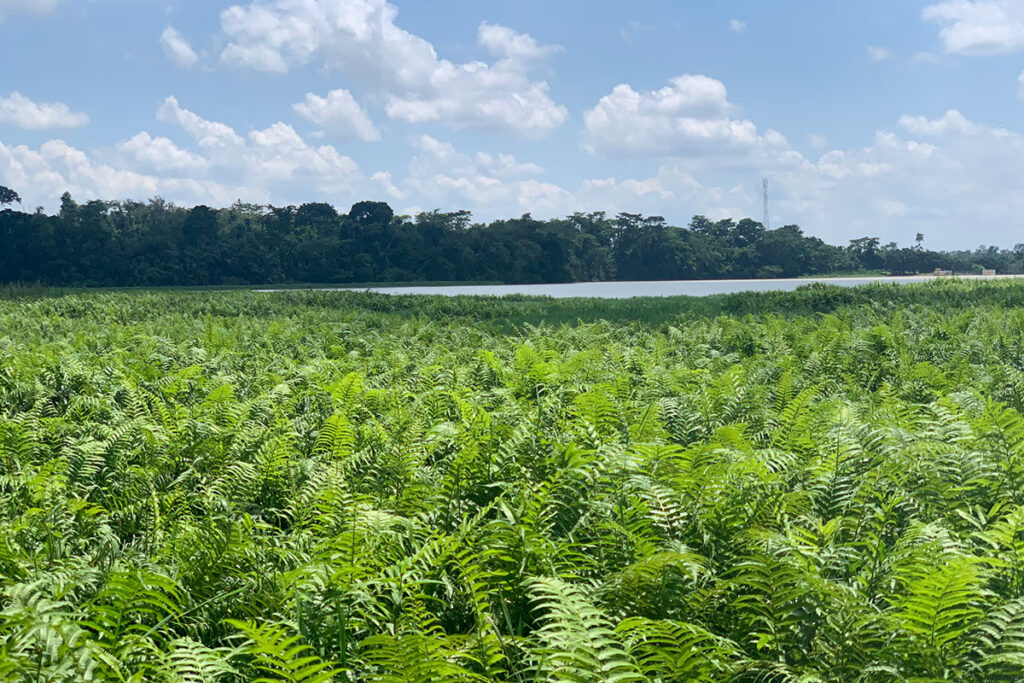
Owabi Wildlife Sanctuary, Ghana – Ramsar Wetland, Urban Forest Refuge, Birdwatching Paradise, Hydrological Lifeline and Kumasi’s Last Remaining Natural Ecosystem
Owabi Wildlife Sanctuary is one of Ghana’s most ecologically significant and irreplaceable protected areas—an oasis of forest, freshwater wetlands and rich biodiversity located just outside Kumasi, one of West Africa’s fastest-growing cities. Covering approximately 13 km², Owabi is officially designated as a Ramsar Wetland of International Importance, reflecting its global value for wetland conservation, waterbird habitat and hydrological stability. At its heart lies the Owabi Reservoir, a century-old water supply system that once served as the primary source of drinking water for Kumasi and still remains a crucial hydrological asset.
The sanctuary protects some of the last remaining swamp forest and riparian vegetation within the Ashanti Region, offering refuge to birds, monkeys, reptiles, amphibians, butterflies, freshwater fish and a remarkable array of wetland and forest plants. As rapid urbanization surrounds it, Owabi stands as a living natural fortress—preserving biodiversity, stabilizing climate, regulating water and providing the people of Kumasi with an essential green sanctuary.
What makes Owabi truly unique is not only its biodiversity but its position as a rare ecological buffer within an intensely urbanized landscape. While many African cities have lost their wetlands to development, Owabi survives as a critical ecosystem supporting hundreds of species and delivering vital ecosystem services that sustain livelihoods and enhance climate resilience. Its forest canopy cools surrounding communities, its swamp soil stores carbon, and its wetlands purify water naturally—functions no artificial engineering can replace. Visitors to the sanctuary experience an unexpected immersion into quiet forests, reflective waters, vibrant birdlife and lush wetland scenery only minutes away from Kumasi’s bustling streets.
Overview
Owabi Wildlife Sanctuary is one of Ghana’s most biologically dense small protected areas. Despite its limited size, the sanctuary contains a remarkable variety of habitats—swamp forest, semi-deciduous forest, freshwater marshes, riparian corridors, grassland edges and aquatic ecosystems around the reservoir. These diverse habitats support more than 150 species of birds, numerous mammals such as monkeys and duikers, a variety of amphibians, reptiles, butterflies and essential aquatic organisms that form the foundation of the sanctuary’s food web. Owabi also plays a vital role in environmental education, functioning as an outdoor classroom for local schools, universities and conservation organizations.
The sanctuary is managed by the Wildlife Division of the Forestry Commission of Ghana. Conservation efforts focus on protecting the catchment area, monitoring biodiversity, preventing illegal activities such as poaching and sand winning, and engaging surrounding communities in sustainable resource management. Given Kumasi’s rapid population growth and increasing environmental pressure, Owabi’s conservation has become a national priority, ensuring that the city retains at least one undeveloped natural ecosystem for future generations.
Location, Size and Key Facts
- Country: Ghana
- Region: Ashanti Region
- Location: 12–15 km northwest of Kumasi
- Coordinates: ~6.75° N, 1.65° W
- Area: Approx. 13 km²
- Protected Status: Wildlife Sanctuary, Ramsar Wetland
- Established: Early 1920s as a catchment protection reserve
- Key Feature: Owabi Reservoir (constructed 1925–1930)
Historical Background
Owabi’s origins trace back to the early 20th century when British colonial authorities sought to establish a long-term water supply for Kumasi. The Owabi River was dammed to create a stable reservoir, and the surrounding forest was protected to prevent erosion, siltation and pollution. This early form of environmental regulation makes Owabi one of Ghana’s oldest managed conservation landscapes. Over time, as Kumasi expanded, the sanctuary became a critical ecological buffer, preventing unregulated construction and preserving a vital hydrological system.
By the late 20th century, scientists recognized the area’s international importance for wetland biodiversity. In 1988 Owabi was declared a Ramsar Site, acknowledging its significance for waterbirds, migratory species and wetland conservation. The designation also highlighted the sanctuary’s hydrological role in maintaining clean water and stabilizing local climate conditions. In modern times, Owabi has become a focal point for conservation advocacy, with local and international organizations working to protect its fragile ecosystems from growing urban pressure.
Geography and Landscape
Owabi’s landscape is defined by a harmonious mixture of forested hills, swampy depressions, marshes, open water and riparian corridors. The sanctuary sits within a gently undulating terrain, with the reservoir occupying the central basin of the protected area. Forest cover is densest along slopes and around the waterbody, gradually transitioning to swamp forest and marshland in lower, waterlogged zones. The mosaic of vegetation, water systems and forest microclimates creates ideal ecological niches for multiple species.
- Reservoir Basin: Open freshwater habitat supporting fish and waterbirds.
- Swamp Forest: Water-drenched forest hosting amphibians, reptiles and wetland-adapted plants.
- Riparian Strips: Lush riverbank vegetation rich in birdlife.
- Semi-Deciduous Forest: Dense canopy forest typical of the Ashanti rain belt.
- Marshes & Wetlands: Seasonal and permanent marsh areas crucial for breeding species.
Climate
Owabi experiences a warm, humid tropical climate typical of southern Ghana. Two rainy seasons—April to July and September to November—maintain high water levels in the reservoir and wetlands. Annual rainfall ranges between 1,400 and 1,600 mm, supporting lush vegetation throughout much of the year. Temperatures remain relatively stable, averaging 22°C–32°C. Humidity is consistently high due to the sanctuary’s swamp forest, which retains moisture and moderates local temperatures. Even during the dry season (December–March), the forest canopy and wetland soils ensure that the sanctuary remains green and biologically active.
Hydrology and the Owabi Reservoir System
Hydrologically, Owabi is one of Ghana’s most important small protected areas. The Owabi Reservoir forms the core of the sanctuary, fed by the Owabi River and several tributary streams. The wetland vegetation acts as a natural filtration system, removing sediments and pollutants before water enters the reservoir. This ecological filtration process was historically essential for Kumasi’s water supply—and it remains crucial today as urban runoff increases.
The swamp forest surrounding the reservoir is vital for preventing soil erosion, stabilizing banks and maintaining water quality. During the rainy season, marshes and lowlands store excess rainwater, mitigating downstream flooding. In the dry months, these wetlands release stored water slowly, maintaining a steady flow that supports wildlife and surrounding communities. The sanctuary also replenishes groundwater supplies through deep infiltration—an invaluable ecosystem service for the greater Kumasi area.
Ecosystems and Habitat Diversity
- Semi-Deciduous Forest: Home to monkeys, birds, reptiles and canopy-dependent plants.
- Swamp Forest: Unique waterlogged habitat with specialized tree species and amphibians.
- Freshwater Marsh: Breeding ground for waterbirds, frogs and aquatic insects.
- Riparian Ecosystem: Dense vegetation that supports kingfishers, otters and riverine wildlife.
- Reservoir Ecosystem: Habitat for fish, waders, migrating birds and aquatic flora.
Vegetation and Plant Life
Owabi hosts a rich blend of forest and wetland vegetation including hardwoods, swamp species, climbing vines, ferns, understory herbs and aquatic plants. Many of the forest trees provide fruits, seeds and nesting habitat for birds and mammals. Others are culturally significant, used in traditional medicine by surrounding communities.
Key Forest Species
- Ceiba pentandra (Kapok tree)
- Milicia excelsa (Odum)
- Triplochiton scleroxylon (Wawa)
- Alstonia boonei (Onyina)
- Khaya anthotheca (African mahogany)
Wetland and Aquatic Plants
- Water lilies (Nymphaea spp.)
- Sedges and reeds
- Floating aquatic vegetation
- Raffia palms
- Marsh grasses and ferns
Wildlife of Owabi Wildlife Sanctuary
Owabi wildlife includes forest mammals, wetland birds, reptiles, amphibians, butterflies and freshwater species. Due to its protected status and relatively low disturbance in the core area, the sanctuary continues to serve as a vibrant refuge for wildlife in an otherwise urbanized landscape.
Mammals
- Spot-nosed monkey
- Lowe’s monkey
- Maxwell’s duiker
- Brush-tailed porcupine
- African civet (rare)
- Gambian giant pouched rat
- Fruit bats and insectivorous bats
Birdlife – Over 150 Species
Birdwatching is one of the sanctuary’s greatest attractions. Owabi provides habitat for an impressive list of waterbirds, forest birds and migratory species that travel from Europe and North Africa during winter. Species diversity peaks during the rainy seasons when food availability increases.
- Pied kingfisher
- Malachite kingfisher
- African jacana
- White-faced whistling duck
- Grey heron
- Senegal coucal
- African thrush
- Hornbills and turacos
Birdwatching Hotspots
- Reservoir Edge: Jacanas, herons, ducks.
- Riparian Forest: Kingfishers, barbets, hornbills.
- Marsh Edges: Waders, sandpipers, migrant species.
- Dam Spillway: Excellent visibility for waterbirds.
- Forest Trails: Sunbirds, flycatchers, finches.
Reptiles and Amphibians
- Monitor lizards
- Agama lizards
- Tree frogs and toads
- Skinks
- Occasional pythons (rare)
Aquatic Species
- Freshwater tilapia
- Catfish
- Electric fish
- Aquatic insects
- Freshwater shrimp
Butterflies and Insects
Dozens of butterfly species thrive in Owabi’s forest edges and flowering zones, including swallowtails, white admirals and skippers. Dragonflies and damselflies are abundant around the reservoir and marshes, serving as indicators of wetland health.
Cultural and Community Significance
Owabi is deeply connected to the cultural traditions of surrounding communities such as Ohwim, Abuakwa, Akropong and Esaase. The forest has historically served as a source of medicinal plants, wild foods and spiritual sites. Traditional water taboos once protected sections of the wetland from overuse, showing the long-standing relationship between local people and the landscape. Today, communities participate in conservation education, tree planting, buffer zone management and sustainable livelihood projects designed to reduce pressure on the sanctuary.
Ecosystem Services
- Water purification through natural wetland filtration.
- Flood control during heavy rains.
- Urban cooling via forest microclimates.
- Carbon storage in forest biomass and peat-like swamp soils.
- Groundwater recharge through deep infiltration.
- Biodiversity refuge for species threatened by urban development.
Threats and Conservation Challenges
- Urban encroachment: Expanding settlements threaten forest edges.
- Illegal logging: Reduces canopy cover and habitat quality.
- Sand winning: Damages swamp forests and hydrology.
- Poaching: Small mammals and birds targeted.
- Pollution: Waste dumping threatens water quality.
- Overfishing: Illegal nets deplete fish populations.
Conservation and Management Efforts
- Strengthening enforcement and ranger patrols
- Building community stewardship programs
- Wetland restoration projects
- Biodiversity monitoring surveys
- Environmental education for schools
- Proposed development of bird hides and trails
Future Conservation Plans
- Improved ecotourism facilities
- Clear demarcation of buffer zones
- Expansion of community-led conservation initiatives
- Long-term hydrological monitoring
- Wetland rehabilitation and tree replanting
Visitor Experience and Activities
- Birdwatching: Excellent year-round opportunities.
- Nature Walks: Guided trails through forest and wetland areas.
- Butterfly Watching: Peak activity after rain.
- Photography: Scenic forest and water landscapes.
- Educational Tours: Perfect for schools and universities.
Trails and Viewing Points
- Reservoir Perimeter Trail: Views of waterbirds and marsh zones.
- Riparian Forest Route: Ideal for spotting hornbills and monkeys.
- Marsh Viewpoint: Good for photographing waders and herons.
Photography Tips
- Arrive at sunrise for the best lighting conditions.
- Use telephoto lenses (300mm+) for shy waterbirds.
- Capture reflections on the reservoir during calm mornings.
- Explore trails after rain for butterfly and frog photography.
- Use fast shutter speeds for dragonflies.
Access and How to Get There
- By Road: 20–40 minutes from Kumasi city center.
- Nearest Airport: Kumasi International Airport.
- Public Transport: Taxis and ride-hailing services available.
Permits and Regulations
- Entry fees apply for visitors.
- Guided tours recommended for safety.
- No fishing, hunting or plant collection.
- Stay on designated trails.
- No drones without authorization.
Accommodation
Owabi has no internal lodges, but visitors can stay in Kumasi, which offers a wide range of hotels, guesthouses and serviced apartments. Areas such as Ahodwo, Asokwa, Airport Residential, Bantama, Abuakwa and Breman have excellent accommodation options suitable for tourists, researchers and birdwatchers.
Best Time to Visit
- Dry Season: December–March (easy walking, good visibility).
- Rainy Seasons: April–June and September–November (peak wildlife and bird activity).
Why Owabi Wildlife Sanctuary Is Unique
Owabi Wildlife Sanctuary is an ecological jewel—one of the few remaining urban-edge wetlands in West Africa and the last intact natural ecosystem in the Kumasi metropolitan area. Its swamp forests, freshwater marshes, riparian habitats and reservoir support rich biodiversity, provide vital ecosystem services and offer residents a peaceful escape into nature. Owabi’s Ramsar designation highlights its international importance, while its proximity to Kumasi makes it both scientifically significant and uniquely accessible. For birdwatchers, nature lovers, conservationists, researchers and photographers, Owabi Wildlife Sanctuary offers one of Ghana’s most rewarding natural experiences—an invaluable reminder that even within a rapidly growing city, nature can persist, thrive and inspire.