
Quirimbas National Park
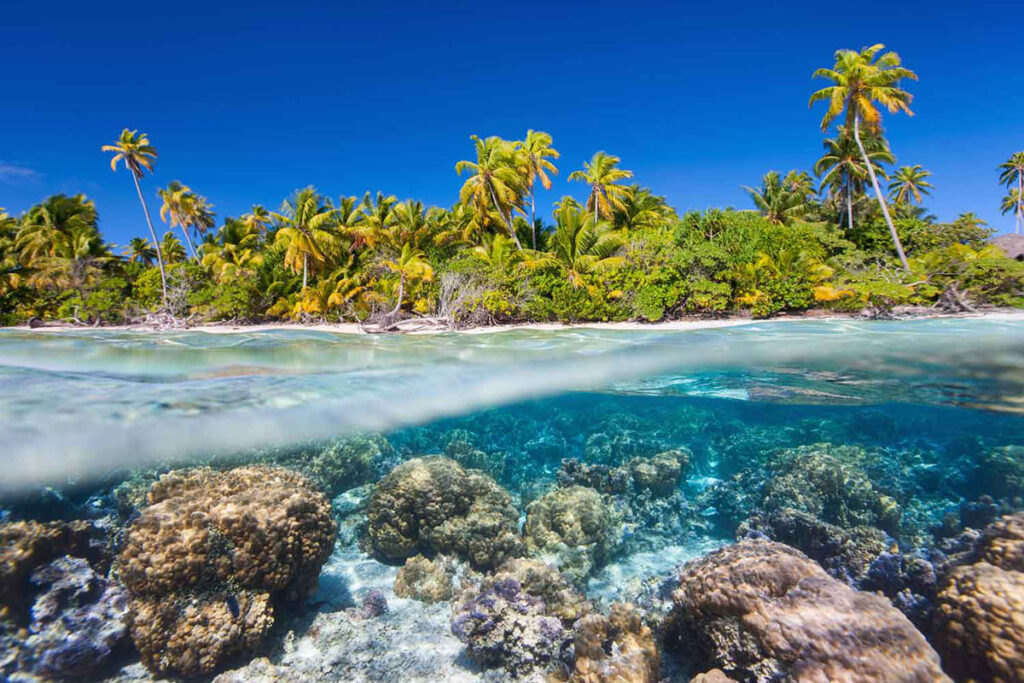
Quirimbas National Park, Mozambique – Coral Reefs, Pristine Islands, Mangrove Forests, Miombo Wildlife, Dhow Culture and One of Africa’s Greatest Marine–Terrestrial Wildernesses
Quirimbas National Park is one of Africa’s most extraordinary coastal wilderness areas—a breathtaking fusion of turquoise Indian Ocean waters, vibrant coral reefs, white-sand beaches, ancient mangrove forests, shimmering tidal flats, seagrass meadows, and wildlife-rich miombo woodlands stretching across the mainland of northern Mozambique. Covering over 7,500 km² of land and sea and protecting 11 spectacular islands of the Quirimbas Archipelago, the park is a sanctuary for endangered sea turtles, dugongs, dolphins, rays, elephants, lions, rare birds, and thousands of marine species that thrive in one of the healthiest reef systems in the western Indian Ocean.
For travelers seeking Quirimbas National Park holidays, Mozambique island and beach safaris, Indian Ocean diving and snorkeling tours, dhow sailing expeditions, or cultural encounters with traditional Swahili coastal communities, the Quirimbas offer an unmatched combination of coastal tranquility, underwater adventure and natural beauty. With its untouched coral gardens, remote islands, historic villages, and remarkable biodiversity, Quirimbas National Park stands among the world’s most captivating marine–terrestrial protected areas—an unforgettable destination for explorers, conservationists and ocean lovers.
Overview of Quirimbas National Park
Established in 2002, Quirimbas National Park was created to protect a unique blend of ecosystems found nowhere else in Africa: extensive coral reefs, pristine beaches, mangrove forests, miombo woodlands, coastal forests, tidal flats, estuaries and oceanic channels teeming with life. The park lies at the heart of the Quirimbas Archipelago, a chain of 32 islands extending from the coastal city of Pemba to the Rovuma River at the Tanzanian border. Eleven of these islands lie within the national park itself, forming the core of its marine protection zone.
Quirimbas is recognized globally as a stronghold for Indian Ocean marine biodiversity and a key link in the East African marine ecological corridor. Its reefs host high coral cover and exceptional fish biomass, while its terrestrial landscapes form the last significant wildlife corridor in northern Mozambique. The park also safeguards centuries-old Swahili, Arab and Portuguese cultural heritage, making it both a natural and cultural treasure.
Location, Size and Key Facts
Quirimbas spans mainland and offshore environments in Mozambique’s Cabo Delgado Province, positioned along the warm Mozambique Channel. Its boundaries encompass a remarkable variety of habitats, from deep-water reefs to wooded hills.
- Total Area: approx. 7,500 km²
- Marine Protected Area: ~1,500 km²
- Islands Protected: 11 major islands within the park
- Coordinates: approx. 12°–12.8° S, 40°–41° E
- Nearest City: Pemba
- Established: 2002
- Main Ecosystems: coral reefs, mangroves, seagrass, miombo woodland, coastal forest
Geography, Terrain and Landscape
Quirimbas National Park presents a stunning mosaic of landscapes shaped by wind, waves, tides and millions of years of coastal evolution. Offshore, the Indian Ocean shimmers with shallow lagoons, deep channels, coral drop-offs and limestone islands rising gently from the sea. Sandbanks shift with the tides, forming temporary white arcs of beach that disappear and reappear at different times of day. Coral rag formations—ancient fossilized reefs—create dramatic cliffs and hidden caves along some island shores.
On the mainland, the terrain shifts into dense mangrove estuaries, open coastal plains, miombo-covered hills, river valleys and wooded escarpments. Inland woodlands provide a habitat mosaic where elephants roam, birds nest and predators hunt. The interplay between land and sea defines the character of the park: mangroves flood and retreat, rivers feed nutrient-rich estuaries and seagrass meadows, and ocean currents shape reef structures and biodiversity patterns. Every landscape is influenced by the tides, creating a dynamic environment full of life and seasonal rhythm.
Climate and Weather Patterns
Quirimbas experiences a warm tropical climate influenced by the Mozambique Channel and the seasonal monsoon winds. Temperatures remain warm throughout the year, with the Indian Ocean moderating conditions and providing excellent diving and snorkeling weather in most months.
- Dry season (May–November): Cooler temperatures, calm seas, exceptional underwater visibility—ideal for diving, snorkeling, dhow sailing and beach holidays.
- Rainy season (December–April): Hotter and more humid with afternoon rain; marine life remains vibrant and vegetation on the mainland grows lush and green.
- Sea temperatures: 26–30°C year-round
- Average air temperatures: 25–32°C
From June to October, humpback whales migrate through the Mozambique Channel, offering unforgettable whale-watching opportunities. These months are especially popular with divers, photographers and ocean lovers.
Hydrology, Oceanography and Marine Systems
Water—both fresh and salt—defines Quirimbas National Park. The park encompasses some of the richest, most intact marine ecosystems in East Africa, shaped by warm currents, nutrient flows and the seasonal mixing of freshwater from coastal rivers with the Indian Ocean.
Coral Reefs
The Quirimbas reef system contains more than 375 coral species and hundreds of invertebrate species. Coral formations range from shallow patch reefs to deep vertical walls and extensive barrier reefs. Hard corals such as Acropora, Porites, Pocillopora and Montipora dominate, forming complex structures that shelter thousands of fish.
Seagrass Meadows
Seagrass beds serve as feeding grounds for dugongs and sea turtles. They stabilize sediments, filter water, store carbon and function as nurseries for juvenile fish and crustaceans. Many endangered species rely on these habitats for survival.
Mangrove Forests
Quirimbas protects one of Mozambique’s largest mangrove systems, with species including red mangrove (Rhizophora mucronata), black mangrove (Avicennia marina) and white mangrove (Laguncularia racemosa). These forests:
- protect the coastline from erosion
- provide nursery habitat for fish
- host mud crabs, birds, otters and reptiles
- act as major carbon sinks
Rivers and Estuaries
Freshwater rivers from the mainland meet the ocean in nutrient-rich estuaries, increasing plankton blooms and supporting seabirds, dolphins, otters and fish. Seasonal flooding patterns are essential for fish spawning and mangrove regeneration.
Ecosystems and Habitat Types
Coral Reef Ecosystems
Among the most intact and diverse in Africa, the reefs host large populations of reef fish, sharks, rays and marine invertebrates.
Seagrass and Lagoon Systems
These calm, shallow systems support dugongs, turtles and nursery zones for reef species, playing a crucial role in the park’s marine health.
Mangrove Ecosystems
Important for shoreline stability and biological productivity, mangroves serve as a link between land and ocean environments.
Coastal Forests and Coral Rag Forests
Forests growing on ancient fossilized coral reef limestone, supporting endemic plants, birds and primates.
Miombo Woodlands
Inland regions feature classic African miombo woodland dominated by Brachystegia and Julbernardia species, home to elephants, antelopes, predators and birdlife.
Vegetation and Botanical Diversity
The vegetation of Quirimbas varies dramatically between the mainland and islands. Island vegetation includes coastal scrub, dune vegetation, coral rag forests, palm groves and mangroves, while mainland flora features classic miombo species, tall grasses, riverine trees and thickets.
- Mangroves: Red, black, white, grey mangrove species
- Coastal plants: salt-tolerant shrubs, creeping vines and dune grasses
- Miombo trees: Brachystegia, Julbernardia, Isoberlinia
- Coral rag specialists: hardy shrubs and endemic plants
- Palms: coconut palms, raffia palms, fan palms
These ecosystems provide forage, shade, shelter and breeding sites for countless species—from elephants on land to fish and turtles in the sea.
Wildlife of Quirimbas National Park
Marine Life
The park’s marine biodiversity is world-class, making it one of the Indian Ocean’s most important protected marine environments.
- Sea turtles: green, hawksbill, loggerhead, olive ridley
- Marine mammals: humpback whales (seasonal), spinner dolphins, bottlenose dolphins, dugongs
- Sharks: blacktip reef, whitetip reef, grey reef sharks, leopard sharks
- Rays: manta rays, eagle rays, stingrays
- Reef fish: angelfish, butterflyfish, parrotfish, snappers, groupers, wrasses
- Invertebrates: octopus, squid, nudibranchs, starfish, sea cucumbers
Terrestrial Mammals
- African elephants – following historic migration paths
- Lions (localized populations)
- Leopards
- African wild dogs (rare but present)
- Samango monkeys and vervet monkeys
- Small antelopes – suni, red duiker, bushbuck
Birdlife
With more than 300 bird species, Quirimbas is exceptional for birdwatching along both ocean and woodland habitats.
- Goliath heron
- African fish eagle
- Flamingos (tidal flats)
- Brown-headed parrot
- Bee-eaters and kingfishers
- Boobies, terns and frigatebirds
- Mangrove warblers and coastal specialists
Reptiles and Amphibians
- Crocodiles in riverine zones
- Monitor lizards
- Geckos and chameleons
- Tree frogs and coastal amphibians
Invertebrates
- Coconut crabs (select islands)
- Ghost crabs and mud crabs
- Dragonflies and butterflies
- Coral invertebrates of extraordinary color
Cultural and Local Communities
The Quirimbas coast is deeply shaped by Swahili, Arab, African and Portuguese influences. Fishing communities have lived here for centuries, sailing traditional dhows, harvesting seafood, collecting seaweed and trading along Indian Ocean routes. Coastal villages remain centers of traditional craftsmanship, especially dhow-building, basket weaving, pottery and the art of shell ornaments.
A highlight of Quirimbas culture is Ibo Island, one of the oldest settlements in Mozambique. With its coral-stone buildings, Portuguese fort, antique mansions, narrow alleyways and centuries-old Swahili architecture, Ibo Island is both a historical jewel and a living cultural landscape. Visitors encounter blacksmiths forging jewelry, women crafting intricate silverwork, and fishermen navigating the tides as they have done for generations.
Community-based tourism, marine stewardship programs, sustainable fisheries initiatives and cultural heritage projects are essential for preserving both livelihoods and the cultural identity of the Quirimbas region.
Conservation Importance
Quirimbas National Park protects ecosystems critical to the ecological resilience of northern Mozambique and the western Indian Ocean:
- One of East Africa’s healthiest coral reef systems
- Important dugong and sea turtle habitat
- Major mangrove carbon sinks
- Connected terrestrial wildlife corridor
- Key shark and ray habitats
- Nesting beaches, bird islands and fish nurseries
The park’s cultural and historical landscapes add another layer of significance, linking environmental protection with centuries of coastal heritage.
Threats and Conservation Challenges
- Coral bleaching: rising temperatures threaten reef health.
- Illegal fishing: destructive gear damages ecosystems.
- Turtle poaching: eggs and adults targeted in some areas.
- Mangrove cutting: reduces coastal protection and nursery habitats.
- Poverty-related overfishing: community pressures on resources.
- Security instability: recent unrest in Cabo Delgado complicates conservation work.
Collaborative management with communities, strong marine monitoring, sustainable fishing practices and eco-friendly tourism development are essential for ensuring long-term resilience and ecosystem health.
Scientific Research and Monitoring
Research in Quirimbas focuses on marine health, reef recovery, climate change resilience, fisheries sustainability and community-led environmental stewardship. Key monitoring efforts include:
- Coral bleaching surveys
- Sea turtle nesting monitoring
- Dugong tracking programs
- Mangrove restoration projects
- Shark and ray population studies
- Fisheries management and catch assessments
Partnerships with marine biologists, universities, local rangers and community groups form the backbone of long-term monitoring programs.
Tourism Activities in Quirimbas National Park
Quirimbas offers one of Africa’s finest combinations of beach relaxation, underwater exploration, cultural discovery and wilderness adventure. Popular activities include:
- World-class diving & snorkeling on coral reefs
- Dhow sailing expeditions between islands
- Kayaking through mangrove channels
- Birdwatching on tidal flats and islands
- Whale watching (June–October)
- Island-hopping trips to remote beaches
- Ibo Island historical tours
- Deep-sea fishing (in permitted zones)
- Beach camping and community eco-lodges
Many visitors choose multi-day itineraries that combine diving, dhow sailing, beach walks, cultural encounters and relaxed time on pristine sands.
Access and How to Get There
- Pemba Airport – main regional hub for international travelers.
- Boat transfers – dhows, speedboats and lodge transfers.
- 4×4 vehicles – essential for exploring mainland sections.
Most visitors connect through Pemba and then travel by boat to island lodges, mainland camps or cultural sites such as Ibo Island.
Permits and Park Regulations
- Marine activity permits may be required for diving, fishing or boating.
- No fishing in marine sanctuary zones.
- Do not disturb turtle nesting sites.
- No coral, shell or sand removal.
- Stay within designated tourist or cultural areas.
Accommodation Options
Quirimbas offers a range of accommodation experiences:
- Luxury island lodges: overwater bungalows, private villas and secluded beaches.
- Eco-lodges: solar-powered accommodations with low-impact design.
- Community camps: operated by local villages.
- Guesthouses: in Ibo Island and coastal towns.
Many lodges offer diving centers, dhow trips, spa services, cultural tours and private beach access.
Best Time to Visit Quirimbas National Park
- May–November: best overall weather; calm, clear seas for diving and snorkeling.
- June–October: peak whale-watching season.
- December–April: greener landscapes, excellent birdlife; seas may be rougher.
For most visitors, the best time to visit is May to November when sea conditions are ideal and island activities are at their peak.
Why Quirimbas National Park Is Unique
Quirimbas National Park is a rare and extraordinary place where coral reefs flourish, islands glow under tropical sunlight, whales migrate along ancient sea routes, mangroves breathe with the tides, dunes shift with the winds, elephants roam inland forests and centuries-old Swahili-Arab culture thrives. This magnificent union of marine beauty, terrestrial wilderness, cultural heritage and ecological importance makes the Quirimbas one of Africa’s most remarkable protected landscapes.
For travelers seeking pristine beaches, unforgettable underwater encounters, dhow sailing adventures, rich cultural experiences and one of the most serene island environments on the planet, Quirimbas National Park is an unparalleled destination—an Indian Ocean paradise where nature and culture meet in perfect harmony.