
Samburu National Reserve
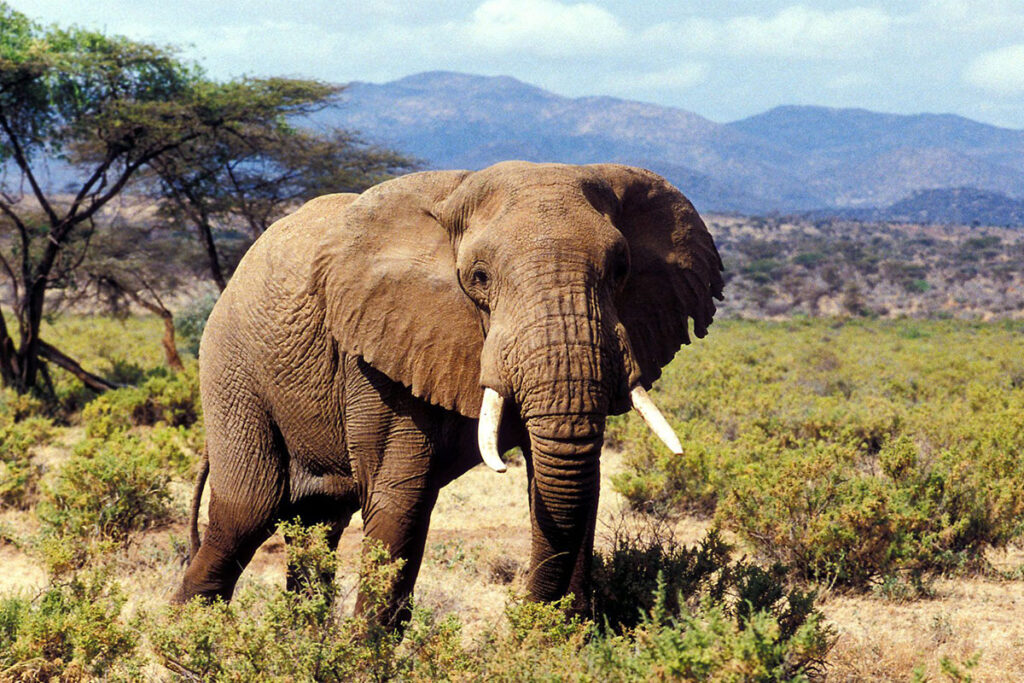
Samburu National Reserve, Kenya – The Legendary Northern Frontier, Home of the Samburu Special Five, Ewaso Ng’iro River Wilderness and One of East Africa’s Most Iconic Safari Landscapes
Samburu National Reserve, established in 1985, is one of Kenya’s most breathtaking safari landscapes—a rugged frontier where towering volcanic outcrops rise from golden grasslands, iconic wildlife roams freely and the life-giving Ewaso Ng’iro River nourishes a ribbon of lush forests through an otherwise semi-arid wilderness. Situated in northern Kenya, the reserve forms part of a much larger ecosystem that includes Buffalo Springs and Shaba National Reserves, creating a continuous wildlife habitat that is both ecologically rich and culturally profound.
What sets Samburu apart is its distinctive wildlife assemblage. The region is home to the famous Samburu Special Five—rare dryland-adapted species found predominantly in northern Kenya. This includes the endangered Grevy’s zebra with its narrow stripes, the beautifully patterned reticulated giraffe, the desert-adapted beisa oryx, the blue-legged Somali ostrich and the long-necked gerenuk. These species, combined with large elephant herds, thriving predator populations and more than 450 bird species, make Samburu one of the most rewarding wildlife destinations in Africa.
But Samburu is not only about wildlife. It is also a living cultural landscape where the Samburu people—renowned pastoralists closely related to the Maasai—maintain ancient traditions, colorful attire, sacred ceremonies and livestock-based livelihoods. The reserve offers a rare opportunity to experience authentic cultural encounters alongside world-class safari adventures, creating a safari experience that feels both intimate and deeply immersive.
Key Facts and Figures
- Location: Samburu County, Northern Kenya
- Coordinates: Approx. 0.6°N, 37.5°E
- Established: 1985 (protected since the 1940s)
- Surface Area: 165 km²
- Altitudinal Range: 800 – 1,230 meters above sea level
- Main Hydrological Feature: Ewaso Ng’iro River
- Signature Species: Samburu Special Five (Grevy’s zebra, reticulated giraffe, Somali ostrich, beisa oryx, gerenuk)
- Total Bird Species: 450+ species recorded
- Neighboring Reserves: Buffalo Springs (south), Shaba (east)
- Main Airstrips: Samburu Oryx Airstrip & Buffalo Springs Airstrip
Location
Samburu National Reserve is located in the semi-arid northern region of Kenya, approximately 350 km from Nairobi. It lies on the northern banks of the Ewaso Ng’iro River, just north of Buffalo Springs National Reserve. Its strategic location marks the ecological transition between central Kenya’s savannas and the drier northern frontier. The surrounding community lands and conservancies such as Kalama and Westgate form vital buffer zones that support wildlife dispersal and enhance ecological connectivity across northern Kenya.
Geography
Samburu’s landscape is a remarkable blend of semi-desert plains, rugged rocky hills, volcanic ridges and riverine oases. Ancient geological forces shaped the region, particularly volcanic eruptions that formed basalt plateaus, granite inselbergs and long ridges that now serve as lookout points for predators. These formations include the iconic Koitogor Hill and Ololokwe Mountain, which dominate the skyline and add dramatic vertical relief to the region’s flat plains.
Wind erosion, extreme temperatures and seasonal floods have helped sculpt the terrain into a rugged and picturesque mosaic of cliffs, boulder clusters, sandy riverbeds and open plains. The varied topography creates microhabitats that support a surprising diversity of wildlife. Rocky outcrops shelter leopards and klipspringers, while gently sloping plains provide grazing for zebras, gazelles and oryx.
The most important geographical feature is the Ewaso Ng’iro River. Its name means “brown water” in Maa, a reference to its muddy seasonal flow. The river’s banks are lined with lush vegetation—doum palms, figs, acacia woodlands—that provide essential shade, food and refuge for animals. This river transforms the entire reserve into a thriving oasis, particularly during droughts.
Climate
Samburu experiences a classic semi-arid climate with high temperatures, strong sunlight and low, unpredictable rainfall. Daytime temperatures often reach 35°C or higher, especially during January to March. Nights, however, can be surprisingly cool due to low humidity and rapid desert heat loss.
The region receives approximately 350–500 mm of rainfall annually, divided into:
- Long rains: April–May
- Short rains: October–November
Even during rainy periods, storms tend to be isolated and brief. This climate shapes Samburu’s wildlife dynamics, vegetation patterns and seasonal migrations. During severe droughts, the Ewaso Ng’iro River becomes a magnet for wildlife, concentrating large numbers of animals along its banks and creating exceptional game viewing.
Hydrology
Hydrologically, Samburu revolves around one lifeline: the Ewaso Ng’iro River. Flowing from the snowmelt and rainfall of Mount Kenya and the Aberdares, the river supplies permanent water to a region where many months pass without rain.
The river supports:
- riparian forests with doum palms and fig trees
- wetlands and oxbow lakes
- breeding pools for hippos and crocodiles
- migration corridors for elephants and primates
- water sources for predators and prey
During extreme droughts, when other northern rivers dry up, animals from distant regions move toward Samburu. This includes elephants, lions, antelope and migratory birds—all relying heavily on the Ewaso Ng’iro to sustain life in the harsh drylands.
Ecosystems
Despite its small size, Samburu National Reserve contains a mosaic of ecosystems shaped by rainfall, river dynamics and volcanic geology. These ecosystems are critical for both wildlife survival and ecological processes across northern Kenya.
- Riverine Forests: Shady belts of doum palms and acacias that attract elephants, monkeys and leopards.
- Acacia & Commiphora Woodlands: Essential browsing zones for reticulated giraffes and gerenuks.
- Semi-Arid Grasslands: Open plains where zebras, oryx and gazelles graze.
- Scrublands & Thornbush: Dense vegetation providing ambush cover for leopards.
- Rocky Outcrops: Predator lookouts and specialized habitat for klipspringers.
- Seasonal Pans & Wetlands: Important for migratory bird species during the rains.
Vegetation
Samburu’s vegetation is dominated by drought-resistant species adapted to intense heat and long dry spells. Flat-topped acacia trees, commiphora bushes, salvadora shrubs and hardy grasses form the backbone of the semi-arid plant community. Many of these species play crucial ecological roles—acacia pods and leaves provide food for giraffes and elephants, while thornscrub shelters smaller antelope and birds.
Along the river, vegetation becomes denser and more diverse. Majestic doum palms, giant acacias, wild figs and tamarind trees create oasis-like conditions that attract wildlife from miles around. These riverine forests are some of the most productive habitats in northern Kenya and support a wide range of mammals, birds, reptiles and insects.
Wildlife
Samburu is celebrated for its extraordinary concentration of rare dryland species and for its strong predator and elephant populations. Its wildlife dynamics differ from southern Kenya’s savannas, offering visitors a distinct and unique safari experience.
The Samburu Special Five
These iconic species are the hallmark of Samburu and the main reason wildlife enthusiasts travel to northern Kenya:
- Grevy’s zebra: The world’s largest and most endangered zebra species with narrow stripes and a white belly.
- Reticulated giraffe: Featuring the most stunning geometric patterns among giraffe subspecies.
- Beisa oryx: A drought-tolerant antelope capable of surviving with minimal water.
- Somali ostrich: Identified by its deep blue legs and long neck adapted to hot climates.
- Gerenuk: A graceful antelope able to browse while standing upright on its hind legs.
Other Mammals
Samburu hosts one of the healthiest and best-studied elephant populations in Africa, thanks to the work of Save the Elephants. Large herds roam the plains, using ancient migratory routes and displaying complex family structures led by experienced matriarchs.
- Lions: Thriving populations stalking zebras, gazelles and oryx.
- Leopards: Common along rocky slopes and riverine forests.
- Cheetahs: Fast hunters of the open plains.
- African wild dogs: Occasionally seen moving through conservancies.
- Grant’s gazelles, impalas, dik-diks, warthogs, klipspringers
Birdlife
Samburu’s birdlife is exceptionally rich, with more than 450 species recorded across multiple habitats. The reserve is especially important for dryland species and river-dependent birds.
- Vulturine guinea fowl – strikingly colorful and usually seen in flocks
- African fish eagle – commonly found along the river
- Golden-breasted starling – a jewel of northern Kenya
- Secretary bird – hunting snakes in the grasslands
- Marabou stork, African darter, Verreaux’s eagle, hornbills, bee-eaters
Reptiles and Amphibians
- Nile crocodiles – abundant in the Ewaso Ng’iro River
- Monitor lizards
- Three-horned chameleons
- Ground agamas & geckos
- Frogs emerging during rainy months
Insects
Butterflies, beetles, termites and ants are abundant throughout the ecosystem. Termite mounds serve as ecological hotspots, offering shelter and nesting sites for birds and reptiles.
Unique Features
- The world-renowned Samburu Special Five
- Ewaso Ng’iro River as the region’s lifeline
- Rugged volcanic hills and photogenic rocky outcrops
- Exceptional elephant and predator sightings
- Close cultural immersion with the Samburu people
- Part of a tri-reserve ecosystem with vast wildlife movement
Cultural and Indigenous Communities
The Samburu people are proud semi-nomadic pastoralists whose way of life is deeply intertwined with their livestock and the natural environment. Their culture is expressed through colorful beadwork, elaborate hairstyles, traditional ceremonies and strong social structures based on age-sets and clans.
Visitors can explore Samburu manyattas, learn about livestock herding practices, experience traditional songs and dances, and gain insight into how local communities coexist with wildlife despite harsh climatic conditions. Tourism revenue helps support education, healthcare and sustainable resource management within Samburu County.
Conservation Importance
Samburu is a critical conservation area within northern Kenya, protecting rare dryland-adapted species and sustaining important elephant migration corridors. Conservation initiatives focus on wildlife protection, community involvement, predator coexistence programs and habitat restoration. The success of Samburu’s elephant conservation is recognized globally, with the region serving as a model for community-based conservation partnerships.
Threats
- Increasing drought frequency due to climate change
- Upstream water abstraction reducing river flow
- Poaching threats on elephants and big cats
- Encroachment by livestock into buffer zones
- Human-wildlife conflict around pastoral lands
Research and Monitoring
Samburu National Reserve is a world-leading center for wildlife research. Key projects include:
- Save the Elephants: The most influential elephant research program in Africa
- Ewaso Lions: Lion ecology and coexistence strategies
- Grevy’s Zebra Trust: Monitoring and protecting the endangered Grevy’s zebra
- Predator monitoring and camera-trapping studies
- Bird ringing and migration tracking
Tourism Activities in Samburu National Reserve
Samburu provides a wide array of safari experiences that cater to both adventurous and luxury travelers. Activities include:
- Game drives along the river and across open plains
- Birdwatching in forests, wetlands and savannas
- Cultural visits to Samburu villages
- Camel safaris in neighboring conservancies
- Sundowner experiences on rocky outcrops
- Nature walks and guided bush walks in conservancies
- Night game drives (permitted in community conservancies)
- Wildlife photography from hides and riverbanks
Access
Reaching Samburu is straightforward:
- By Road: 5–6 hours from Nairobi via Nanyuki and Isiolo, with the final stretch on gravel roads.
- By Air: Daily flights from Nairobi to Samburu Oryx and Buffalo Springs Airstrips.
- Inter-reserve Movement: Seamless access between Samburu, Buffalo Springs and Shaba.
Permits and Fees
Park entry fees are payable to the Samburu County Government. Visitors pay separate charges for vehicles, guides, camping and filming. Payment is accepted via electronic platforms used across Kenya’s protected areas.
Accommodation
Samburu offers a diverse range of accommodations tailored to all budgets. Popular lodges include:
- Samburu Intrepids
- Elephant Bedroom Camp
- Sasaab Lodge
- Ashnil Samburu
- Elephant Watch Camp
- Sarova Shaba Lodge (near Shaba Reserve)
Best Time to Visit
The best time to visit Samburu is during the dry seasons—June to October and December to March. Wildlife concentrates along the river, making sightings exceptional. The short and long rains bring beautiful green scenery, migratory birds and excellent photography opportunities.
Why Samburu National Reserve Is Unique
Samburu National Reserve stands in a league of its own—a magnificent frontier landscape where rare dryland wildlife, strong predator populations, iconic elephants and rich cultural traditions collide to form one of Kenya’s most unforgettable safari experiences. Its rugged beauty, exceptional biodiversity, deep ties to Samburu culture and year-round game viewing make it a destination that continues to inspire and captivate travelers from across the world. For those seeking a safari infused with authenticity, diversity and soul, Samburu remains one of the greatest natural treasures in East Africa.