
Selous Game Reserve
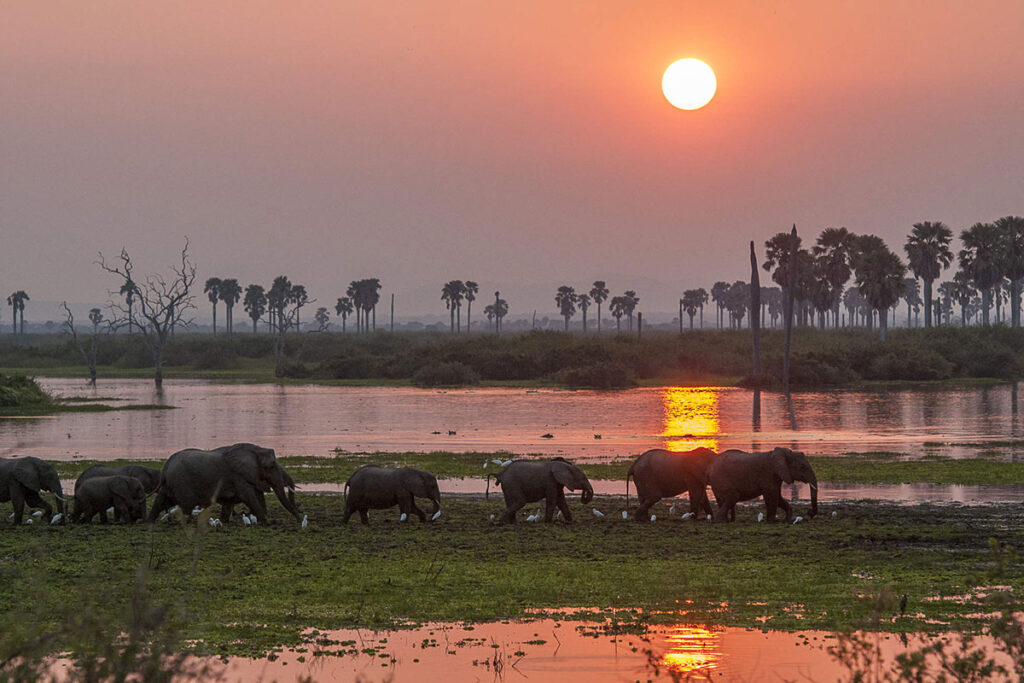
Selous Game Reserve – Africa’s Largest Protected Wilderness, Mighty Rufiji River, Miombo Forests, Wetlands, Big Game, Boat Safaris and Tanzania’s Most Pristine Safari Landscape
Selous Game Reserve is one of Africa’s greatest wilderness strongholds—a vast, intact ecosystem of over 50,000 km² that protects Africa’s largest remaining population of elephants, one of the continent’s most significant lion populations, immense buffalo herds, thriving hippo and crocodile populations, and a remarkable mosaic of wetlands, rivers, lakes and miombo woodlands. Established in 1922 and recognized as a UNESCO World Heritage Site in 1982, Selous (now officially part of the broader Nyerere National Park network) is one of the largest and most ecologically important protected areas on Earth. Its size, biodiversity, hydrological richness, and near-pristine wilderness conditions make it one of the world’s most extraordinary safari destinations.
Covering an area larger than Switzerland, Selous protects an enormous portion of Tanzania’s southern circuit—a region celebrated for its remote, uncrowded, off-the-beaten-path wildlife experiences. Unlike the northern safari circuit, Selous is a world of untouched landscapes, where the vast Rufiji River snakes through floodplains and channels, creating oxbow lakes, marshes, swamps and lagoons teeming with hippos, crocodiles, fish, waterbirds and thriving riparian forests. The combination of waterways and woodlands nurtures a huge diversity of mammals, reptiles, amphibians and bird species, making Selous a paradise for those seeking authentic, immersive, and wild African safaris.
Location, Size and Geographic Setting
Selous Game Reserve lies in southeastern Tanzania, stretching into the remote highlands of Morogoro, Lindi, Pwani and Ruvuma regions. It is bordered by Mikumi National Park to the northwest, Niassa Reserve (Mozambique) to the south, and the Indian Ocean influence to the east, making it part of one of Africa’s largest transboundary ecosystems. With an enormous size of 50,000–55,000 km², Selous is considered the biggest faunal reserve in Africa and one of the largest globally.
- Established: 1922
- UNESCO Status: World Heritage Site (1982)
- Total Area: 50,000–55,000 km²
- Altitude Range: 100–1,300 m above sea level
- Coordinates: Approximately 8°30′S, 37°00′E
- Nearest City: Dar es Salaam (approx. 5–6 hours by road)
Its enormous scale protects multiple biomes—from miombo woodland and forested escarpments to floodplains, palm savannah, river channels, lakes, hot springs and expansive wetlands—forming one of Africa’s most diverse wilderness landscapes.
Geology, Landscape Formation and Physical Features
The Selous landscape was shaped by tectonic forces associated with the East African Rift and centuries of erosion along the Rufiji River basin. The region features gently rolling plateaus, deep river channels carved through sedimentary layers, seasonal floodplains, coastal sand influences, volcanic hot springs and ancient miombo forests growing on iron-rich soils.
- Rufiji River Basin: The largest river in Tanzania, feeding dozens of interconnected lakes.
- Stiegler’s Gorge: A dramatic 100-meter deep canyon along the Rufiji River.
- Palm Savannah: Scenic Borassus palm plains shaped by seasonal floods and elephants.
- Miombo Highlands: Woodland ridges with nutrient-poor soils supporting specialty flora.
This geodiversity creates a striking variety of habitats, each supporting different wildlife guilds and ecological processes.
Climate and Seasonal Patterns
Selous has a tropical savannah climate with distinct rainy and dry seasons shaping wildlife movements, vegetation patterns and river levels. Its proximity to the Indian Ocean influences humidity and rainfall intensity.
- Long Rains: March–May
- Short Rains: October–December
- Dry Season: June–October (peak safari season)
- Temperature Range: 18°C–33°C
- Annual Rainfall: 750–1,200 mm depending on region
During the dry season, wildlife concentrates around lakes and river systems, while the wet season transforms Selous into a lush green wilderness filled with waterbirds, amphibians, and migratory species.
Hydrology – Lakes, Rivers, Wetlands and the Rufiji System
Selous’ hydrology is one of its defining features. The Rufiji River—the largest and most ecologically important river in Tanzania—drains through the reserve, feeding numerous lakes, oxbows, marshes and permanent wetlands. These water networks sustain immense wildlife populations, create breeding grounds for fish and amphibians, and regulate vegetation and soil moisture throughout the reserve.
- Rufiji River: Selous’ lifeline and the largest river in East Africa by drainage basin.
- Lake Manze, Lake Siwandu, Lake Nzerakera: Iconic hippo and crocodile strongholds.
- Swamps & Floodplains: Rich habitats supporting elephants, buffaloes, birds and reptiles.
- Hot Springs: Geothermal areas influenced by tectonic activity.
The abundance of water throughout the year allows Selous to support wildlife densities comparable to East Africa’s northern parks but with far fewer visitors, enhancing the sense of exclusivity and wilderness.
Ecosystems and Habitat Diversity
Selous contains one of Africa’s most varied ecological mosaics, shaped by hydrology, soil types, fire regimes and topography. This variety allows a huge range of species to thrive, from large mammals to rare reptiles and unique woodland birds.
- Miombo Woodlands: Dominant biome; home to elephants, sable antelope and wild dogs.
- Riverine Forests: Evergreen corridors along water bodies hosting monkeys, leopards and birds.
- Swamps and Floodplains: Critical for hippos, crocodiles, buffaloes and waterbirds.
- Grasslands & Palm Savannah: Open habitats supporting grazing herbivores and predators.
- Lakes & Oxbows: Core habitats for fish, aquatic reptiles and birdlife.
This ecological diversity makes Selous one of the last large, functioning wilderness ecosystems where predator-prey dynamics remain healthy and largely undisturbed.
Vegetation and Botanical Diversity
Selous is dominated by miombo woodland, one of Africa’s most extensive dry forest biomes. These woodlands are characterized by Brachystegia, Julbernardia and Isoberlinia tree species, which shed their leaves during dry seasons to conserve moisture. Riverine forests feature evergreen species such as mahogany, kigelia (sausage trees), fig trees and ebony. Grasslands alternate with palm-fringed floodplains and seasonal swamp vegetation.
- Miombo Trees: Brachystegia, Julbernardia, Isoberlinia
- Riverine Trees: Mahogany, sausage trees, sycamore figs
- Swamp Vegetation: Papyrus, reeds, aquatic grasses
- Seasonal Flowers: Wildflowers and shrubs blooming after rains
The diversity of vegetation types supports different herbivore species, from browsers to grazers, ensuring a balanced food web.
Wildlife of Selous Game Reserve
Selous is renowned for its exceptional wildlife densities, especially elephants, buffaloes, lions, hippos, crocodiles and African wild dogs. As one of Africa’s last strongholds for endangered species, the reserve plays a critical role in regional biodiversity conservation.
Mammals
Historically, Selous supported over 100,000 elephants—one of the world’s largest populations. Although poaching significantly reduced numbers in the early 21st century, strong conservation efforts have enabled partial recovery. The reserve also hosts huge buffalo herds, thriving populations of lions, leopards, hyenas and one of Africa’s largest populations of endangered African wild dogs.
- Elephants: One of Africa’s most significant populations.
- Buffalo: Enormous herds concentrated along floodplains.
- Lions: Large prides supported by abundant herbivores.
- Leopards: Common in woodlands and riverine areas.
- Wild Dogs: One of Africa’s most important strongholds.
- Hippos & Crocodiles: Thrive in lakes and river systems.
- Giraffes, wildebeest, impalas, warthogs, zebras and hartebeest.
Birdlife
Selous is a premier birding destination with over 440 species recorded. The lakes and river channels support large populations of waterbirds, while miombo woodlands host specialty species unique to Tanzania’s southern circuit.
- Fish eagles, kingfishers and herons along waterways.
- Bee-eaters, hornbills and rollers in woodlands.
- Waders such as storks, plovers and ibises in wetlands.
- Rare species like the Pel’s fishing owl and African skimmer.
Reptiles, Amphibians and Fish
Selous’ aquatic systems are home to Africa’s largest Nile crocodile populations, dozens of fish species, frogs, toads, terrapins, and various lizards and snakes. The Rufiji River Delta supports rich aquatic ecosystems that play vital roles in nutrient cycling and fish breeding.
Unique Features of Selous Game Reserve
Selous Game Reserve stands apart for its immense size, low tourist density, extraordinary river systems and authentic wilderness character. It is one of the few places where travelers can enjoy classical game drives, boat safaris, walking safaris and fly-camping in the same area. The lakes and channels of the Rufiji River make Selous the best boating safari destination in East Africa.
- Boat Safaris: A signature Selous experience.
- Wild Dog Stronghold: One of the largest global populations.
- Remote Wilderness: Limited tourism ensures low impact.
- Huge Herds: Massive buffalo and elephant populations.
Cultural and Historical Significance
Named after Frederick Courteney Selous, a British explorer and naturalist, the reserve also holds deep cultural significance for indigenous communities including the Ndengereko, Pogoro, Ngindo and Maasai who historically lived around its edges. Their traditional ecological knowledge, use of fire, and coexistence with wildlife shaped parts of the landscape long before official protection.
Conservation Importance
Selous is one of Africa’s most critical conservation areas due to its size, biodiversity, and role as a wildlife corridor linking to Mozambique’s Niassa Reserve. It preserves:
- The largest remaining elephant migration in East Africa.
- One of the biggest lion populations in Africa.
- A vital population of endangered African wild dogs.
- Intact ecosystems functioning at landscape scale.
Its designation as a UNESCO World Heritage Site emphasizes its unmatched ecological value.
Threats and Environmental Challenges
- Poaching: Elephant poaching was severe between 2009–2014.
- Habitat Fragmentation: Expansion of development near boundaries.
- Hydrological Changes: Large infrastructure projects may alter water flow.
- Human–Wildlife Conflict: Near community lands.
Tanzania continues to strengthen anti-poaching patrols, monitoring programs and community partnerships to secure Selous’ future.
Research and Monitoring Programs
Scientific research in Selous focuses on elephant recovery, lion ecology, wild dog pack dynamics, aquatic ecosystems and fire management. Long-term monitoring projects also study vegetation regeneration, hydrology and climate impacts across the reserve.
- Elephant Monitoring: Tracking recovery and movement patterns.
- Wild Dog Studies: Understanding pack behavior and disease resistance.
- Hydrology Research: Assessing Rufiji River flow and floodplain dynamics.
- Vegetation Mapping: Tracking fire and human influence.
Tourism Activities
Selous is one of the most adventurous safari destinations in Africa, offering activities that are rare or restricted in other protected areas. Its low tourist density enhances the feeling of exclusivity.
- Game Drives: Through prime wildlife areas.
- Boat Safaris: On lakes and river channels.
- Walking Safaris: Guided wilderness explorations.
- Birding Safaris: Diverse habitats ideal for birdwatching.
- Fly-Camping: Remote, immersive bush experiences.
Access – How to Reach Selous Game Reserve
- By Road: 5–6 hours from Dar es Salaam via Kibiti or Morogoro.
- By Air: Daily flights to Siwandu, Mtemere, Matambwe and Nyerere airstrips.
- Wildlife Corridors: Ecological links to Ruaha and Niassa.
Permits and Park Regulations
- Entry fees required for all visitors.
- Walking safaris must be accompanied by armed rangers.
- Strict no-off-road driving policy (except designated zones).
- No littering, feeding wildlife or disturbing natural habitats.
Accommodation Options
- Luxury Lodges: Full-service lakeside and riverfront lodges.
- Mid-Range Camps: Tented camps overlooking lakes and woodlands.
- Budget Campsites: Located near gate areas.
- Fly-Camps: Seasonal wilderness experiences for adventurers.
Most accommodations are located near the lakes and river systems, offering spectacular wildlife viewing and sunset vistas over the Rufiji channels.
Best Time to Visit
- June–October: Best for wildlife viewing; dry season.
- November–March: Lush landscapes, excellent birding.
- April–May: Heavy rains; some camps close.
Why Selous Game Reserve Is Unique
Selous Game Reserve is one of the last great wildernesses of Africa—an enormous, biodiverse, hydrologically rich and ecologically intact landscape where wildlife thrives on a scale seen in very few places on Earth. Its combination of vast woodlands, dramatic river systems, abundant wildlife, low tourist density and exclusive activities like boat and walking safaris make it a truly exceptional safari destination. For those seeking the essence of wild Africa—raw, immersive, untouched and awe-inspiring—Selous remains one of the continent’s most extraordinary natural treasures.