
Watamu Marine National Park
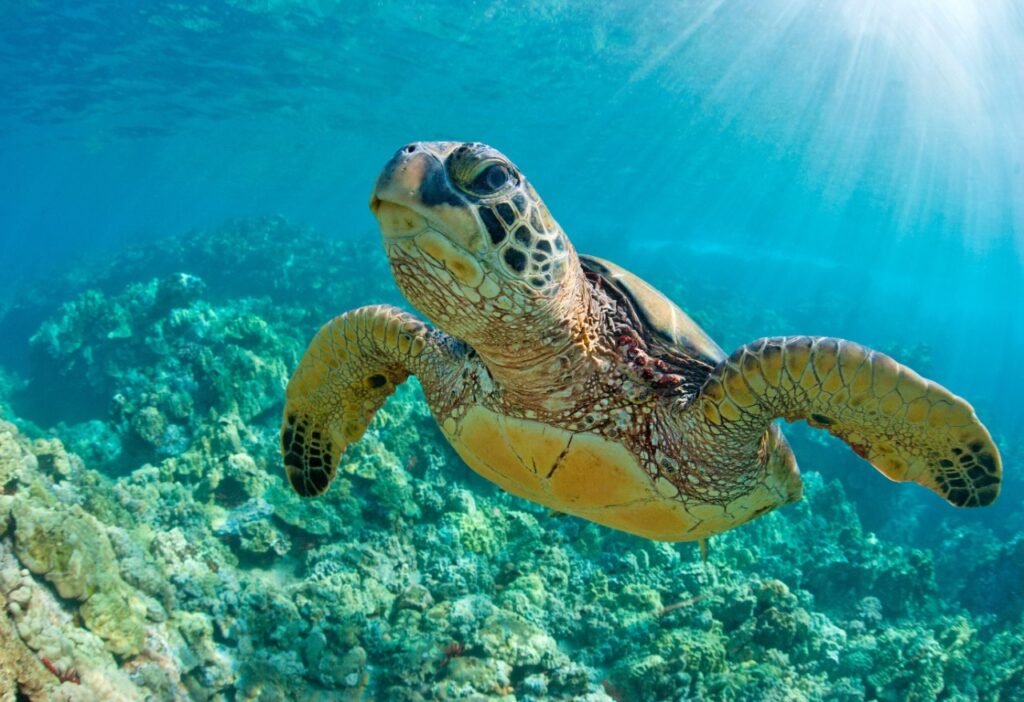
Watamu Marine National Park, Kenya – UNESCO Biosphere Reserve, Coral Reef Paradise, Turtle Nesting Sanctuary, and One of the Most Biodiverse Marine Parks in the Western Indian Ocean
Overview
Watamu Marine National Park is one of Africa’s most iconic marine sanctuaries—a shimmering ocean paradise of coral gardens, turquoise lagoons, soft white-sand beaches, thriving mangrove forests and remarkably abundant marine life. Established in 1968 as part of Kenya’s pioneering efforts to conserve its coastal ecosystems, the park covers 10 km² of fully protected no-take marine habitat and is surrounded by the 32 km² Watamu Marine National Reserve. Combined, the protected seascape spans more than 42 km² of coral reefs, seagrass meadows, mangroves, sandbars, tidal flats and open ocean. In 1979, this entire coastal system was recognized as a UNESCO Biosphere Reserve, underscoring its global ecological importance.
Watamu is celebrated for its exceptional biological richness, hosting more than 600 species of fish, over 150 hard and soft coral species, three species of endangered sea turtles, multiple species of dolphins, humpback whales, whale sharks, reef sharks, manta rays and countless invertebrates. The park’s shallow, calm lagoons and extensive coral formations make it one of the most accessible snorkeling and diving destinations in Africa, offering crystal-clear views of vibrant reefs and colorful marine life. It is equally vital for conservation, protecting globally threatened species and supporting the livelihoods of over 30,000 residents in the Watamu and Mida Creek region. Few marine protected areas combine beauty, biodiversity, cultural heritage and accessibility in the way Watamu does.
Location and Geographic Setting
Watamu Marine National Park lies on the northern coast of Kenya within Kilifi County, approximately 120 km north of Mombasa and 25 km south of Malindi. Its proximity to the well-developed tourism town of Watamu makes it one of the most easily accessible marine parks in East Africa. The park forms part of the larger Malindi–Watamu coastal ecosystem, stretching across a series of headlands, coves, beaches, reef flats, offshore islands, sandbanks and tidal creeks.
The geographic heart of the park is a shallow lagoon system shielded from powerful Indian Ocean swells by a fringing coral reef that runs parallel to the coastline. Inside this natural barrier, calm, warm, clear waters create ideal conditions for coral growth, fish nurseries and world-class snorkeling. To the south, the park borders the magnificent Mida Creek, an expansive tidal estuary filled with mangrove forests and rich birdlife. To the east lies the deeper Indian Ocean, where whale sharks, humpback whales, dolphins and pelagic species move along seasonal migration routes. This unique blend of coastal, lagoon and pelagic environments allows Watamu to support one of the highest concentrations of marine biodiversity on the Kenyan coast.
Geography and Seascape
Watamu’s landscape is a striking mosaic of shallow lagoons, coral reefs, sandy beaches, tidal channels, offshore islets, mangrove stands and rock pools. The fringing coral reef, which sits between 300 and 1,000 meters offshore depending on the area, forms a semi-continuous barrier that protects the lagoon from strong wave action. This natural breakwater creates sheltered waters ideal for coral development and fish breeding.
Within the lagoon, coral ridges and limestone shelves create dramatic underwater scenery. Sandbars appear at low tide, attracting wading birds and forming temporary islands for visitors to explore. The lagoon’s depth rarely exceeds 5 meters, enabling excellent underwater visibility and making Watamu one of East Africa’s safest places for snorkeling and shallow diving. Offshore, deeper waters attract large pelagic species such as whale sharks, humpback whales, giant trevallies and dolphins, especially during peak migration seasons. This combination of shallow inner reefs and deep outer channels gives Watamu an ecological diversity that few other marine parks can match.
Climate
Watamu Marine National Park experiences a tropical climate moderated by monsoon winds and the warm currents of the Indian Ocean. Temperatures are consistently warm throughout the year, making the park a true year-round marine tourism destination. Seasonal patterns influence visibility, water temperatures and marine species migrations.
- January–March: Hot, dry, clear and calm—ideal for snorkeling, diving and whale shark encounters, with excellent underwater visibility.
- April–June (Long Rains): Increased rainfall leads to reduced visibility and stronger swells, though the reefs remain vibrant.
- July–September: Cooler southeast monsoon winds bring fresh breezes and choppier seas—coinciding with humpback whale migration.
- October–December: Short rains and warming seas create ideal conditions for coral reef activity and dolphin sightings.
Sea temperatures generally range from 25°C to 29°C, encouraging diverse marine life and maintaining healthy coral communities. The monsoon cycles also influence fish migrations, plankton blooms and turtle nesting behavior.
Hydrology and Oceanography
The hydrology of Watamu Marine National Park is governed by tidal flows, monsoon winds and Indian Ocean currents. Tidal patterns regulate lagoon depth, the distribution of nutrients and sediment movement within the reef ecosystem. The park experiences semi-diurnal tides with variations of up to three meters, which expose and submerge sandbars, reef flats and mudflats throughout the day.
Oceanographic conditions also play a crucial role in shaping the park’s biodiversity. Nutrient-rich upwellings occur offshore when strong currents bring deep, cooler waters toward the surface. These upwellings support large plankton blooms that attract whale sharks, manta rays and other filter-feeding species. Currents also influence coral growth, with areas of moderate water movement showing the highest coral diversity. Water clarity is excellent for much of the year, typically ranging from 15 to 30 meters, making Watamu one of the best underwater viewing destinations in Africa. The flow of water between the lagoon, reef crest and open ocean ensures continuous nutrient exchange, sustaining vibrant reef life and supporting major marine migrations.
Marine Protected Area Zonation
Watamu Marine National Park is managed using a zonation system that ensures long-term sustainability of marine resources. This approach regulates human activity across different ecological zones, maximizing conservation benefits while allowing controlled tourism and traditional resource use where appropriate.
- Core Conservation Zone: The fully protected section where all extractive activities—including fishing—are prohibited. This no-take zone protects coral reefs, seagrasses, juvenile fish and endangered species such as turtles and dolphins.
- Recreation Zone: Designated areas where snorkeling, swimming and glass-bottom boat tours are allowed under KWS regulations. These zones have minimal ecological disturbance and provide safe access for visitors.
- Buffer Zone (Marine Reserve): Surrounding waters where traditional, sustainable fishing is permitted for local communities, ensuring both conservation and livelihoods coexist.
- Special Purpose Zones: Areas set aside for scientific research, turtle nesting protection, and restoration projects such as coral transplantation and mangrove regeneration.
Ecosystems and Habitat Diversity
Watamu Marine National Park hosts one of East Africa’s most diverse marine ecosystem networks. The interplay between coral reefs, seagrass beds, mangrove forests, sand flats, mudflats and open ocean habitats supports extraordinary levels of biodiversity.
Coral Reef Ecosystem
The park’s coral reefs are among the healthiest in the Western Indian Ocean, sheltering over 150 species of hard and soft corals. Coral genera such as Acropora, Pocillopora, Porites, Montipora, Favia and Seriatopora form towering coral bommies, intricate branching colonies, massive boulder corals and delicate table structures. These reefs provide essential habitat for reef fish, invertebrates and small predators. Although global coral bleaching events affected the region in 1997–1998, 2005 and 2016, Watamu’s reefs have shown impressive resilience thanks to strong ocean currents and active conservation programs that monitor reef health and promote recovery.
Seagrass Meadows
Seagrass meadows carpet large stretches of the lagoon floor and play a vital role in maintaining marine productivity. These underwater meadows support juvenile fish, sea turtles, rays, seahorses and invertebrates. Dominant species such as Thalassia hemprichii, Halodule uninervis and Syringodium isoetifolium stabilize sediments, store carbon, filter pollutants and serve as essential feeding grounds for green turtles.
Mangrove Forests (Mida Creek)
To the south of the marine park lies Mida Creek, one of Kenya’s most important mangrove ecosystems. Its winding channels and intertidal mudflats support eight species of mangroves, including Rhizophora mucronata, Avicennia marina and Bruguiera gymnorhiza. Mangroves protect the coast from erosion, serve as nurseries for fish and crustaceans, and support shorebirds, mudskippers, oysters and rich plankton communities. Mida Creek is a centerpiece for birdwatching, especially during migratory periods.
Sand Flats and Mudflats
At low tide, wide expanses of sand and mudflats emerge between the lagoon and the mangroves. These rich intertidal zones provide essential foraging grounds for wading birds such as sandpipers, curlews, plovers and crab plovers. The flats also host mollusks, polychaete worms, starfish, sea cucumbers and crustaceans that play key roles in nutrient cycling.
Rocky Shores and Tidal Pools
Rocky platforms along Watamu’s headlands create natural tidal pools filled with soft corals, algae, hermit crabs, anemones, sponges and small reef fish. These microhabitats offer exceptional opportunities for ecological education and shoreline exploration.
Open Ocean
Beyond the reef crest, the seascape drops into deeper Indian Ocean waters where migratory giants including whale sharks, humpback whales, bottlenose dolphins, giant trevallies, tuna, barracuda and reef sharks occur. During certain months, these offshore channels become marine “highways,” offering unforgettable wildlife encounters.
Flora (Marine and Coastal Vegetation)
Watamu’s plant life is dominated by marine vegetation such as seagrasses and algae, complemented by coastal vegetation including palms, shrubs and mangroves. These plants play crucial roles in ecosystem stability, shoreline protection and nutrient cycling.
- Mangroves: Species including Rhizophora, Avicennia and Bruguiera stabilize the coastline and support marine nurseries.
- Seagrasses: Beds dominated by Thalassia, Halodule and Halophila provide essential feeding grounds for endangered turtles.
- Coastal vegetation: Dune plants, coconut palms and casuarina trees protect beaches from erosion.
- Algae: Marine algae such as Turbinaria, Gracilaria, Sargassum and sea lettuce support fish populations and filter nutrients.
Marine Wildlife of Watamu Marine National Park
Marine Mammals
Watamu is a hotspot for marine mammal sightings. Spinner dolphins perform acrobatic leaps in the lagoon channels, while bottlenose and humpback dolphins frequently appear offshore. From July to October, humpback whales migrate from Antarctica to breed in warmer East African waters, often breaching spectacularly near the reef. Whale sharks, which are the world’s largest fish, migrate through Watamu’s warm waters between October and March. Although now critically endangered, dugongs once thrived in the seagrass meadows and are still occasionally recorded offshore.
Sea Turtles
Watamu is one of East Africa’s most important sea turtle nesting sites. Three species regularly visit the park:
- Green turtle (Endangered): The most common nester, often seen grazing on seagrass.
- Hawksbill turtle (Critically Endangered): Known for its ornate shell, it thrives around coral reefs.
- Loggerhead turtle (Vulnerable): Occasionally nests along Watamu’s open beaches.
Turtle nesting typically peaks between February and July, with more than 30 nests recorded annually under the monitoring of Local Ocean Conservation (LOC), one of Africa’s most active turtle conservation organizations.
Fish Species
Watamu’s reefs host over 600 species of fish, making it one of the most diverse fish habitats along the East African coastline. Colorful reef fish such as angelfish, butterflyfish, surgeonfish, parrotfish and triggerfish dominate the coral gardens. Predatory species like barracuda, snapper, grouper, giant trevally, bluefin trevally, reef sharks, moray eels and lionfish commonly patrol deeper reef areas. Rare species such as frogfish, leaf scorpionfish and napoleon wrasse can also be encountered by experienced divers.
Invertebrates, Corals and Mollusks
Invertebrates are a major component of the marine food web at Watamu. The reefs host numerous species of octopus, squid, cuttlefish, sea cucumbers, nudibranchs, crabs, lobsters and shrimps. Mollusks such as cowries, tritons, cones and clams inhabit sandy and rocky areas. Crown-of-thorns starfish, although naturally occurring, are monitored closely due to their potential to cause coral decline during population booms.
Birdlife (Mida Creek IBA)
Mida Creek is internationally recognized as an Important Bird Area (IBA) and supports thousands of resident and migratory birds. Shorebirds such as crab plovers, sandpipers, curlews, plovers, sacred ibis, terns and grey herons forage across the mudflats. Ospreys nest in mangrove trees, and kingfishers—including the mangrove and malachite kingfishers—are commonly seen hunting fish. The creek serves as a critical feeding and resting site for Palearctic migratory species that travel thousands of kilometers from Eurasia each year.
Unique Features
- Some of Africa’s most accessible and vibrant coral gardens
- Major migration corridor for dolphins, whale sharks and humpback whales
- UNESCO Biosphere Reserve status ensures global protection
- Mida Creek’s extensive mangrove estuary attracts thousands of birds
- High water clarity supports unparalleled snorkeling visibility
- One of the oldest marine parks in Africa
- Natural lagoons perfect for beginner snorkelers
- Important sea turtle nesting beaches with long-term conservation programs
Cultural and Archaeological Significance
Watamu lies near one of East Africa’s most historically significant archaeological sites: the Gede Ruins. This ancient Swahili settlement, which thrived between the 12th and 17th centuries, includes the remains of palaces, mosques, houses and wells built from coral stone. Archaeological research has revealed that Gede was a center of Indian Ocean trade, linking coastal East Africa with Arabia, Persia, India and China.
The local Swahili communities maintain cultural traditions shaped by centuries of maritime heritage. Traditional wooden dhows still sail the waters of Watamu and Mida Creek, representing a living link to the region’s maritime past. Handicrafts, fishing practices and coastal cuisine continue to reflect the cultural richness of the Kenyan coast.
Conservation Importance
Watamu Marine National Park plays a vital role in protecting globally significant marine biodiversity. Its coral reefs, seagrass meadows and mangrove forests are essential for maintaining the productivity and stability of the Western Indian Ocean ecosystem. The park protects endangered sea turtles, critical fish nurseries and major migration routes for humpback whales and whale sharks. It also supports sustainable livelihoods for over 30,000 people through marine tourism, fishing, conservation work and eco-friendly enterprises.
Threats and Conservation Challenges
- Coral bleaching: Major events have occurred in 1997–1998, 2005 and 2016.
- Coastal development: Expanding tourism and urbanization exert pressure on the coast.
- Plastic pollution: Marine debris poses threats to turtles and marine mammals.
- Overfishing: Illegal fishing outside protected zones disrupts marine food webs.
- Climate change: Rising sea temperatures affect coral health and reproduction.
- Crown-of-thorns outbreaks: These coral-eating starfish can rapidly degrade reefs.
Research and Monitoring Programs
Watamu is a major research hub for marine scientists, conservationists and universities. Collaborative programs focus on coral reef health, fish population studies, turtle nesting and tagging, dolphin monitoring, whale migration tracking, mangrove restoration and water quality analysis. Organizations such as Kenya Wildlife Service, Local Ocean Conservation and international universities contribute to long-term data collection and adaptive management strategies.
Tourism and Visitor Activities
Snorkeling and Diving
Watamu’s coral gardens are among Africa’s most accessible and impressive snorkeling sites. Popular reefs such as Coral Gardens, Turtle House Reef and Blue Lagoon Reef offer vibrant fish assemblages, colorful corals, dramatic underwater landscapes and excellent visibility. Both beginners and experienced divers will find a wide variety of marine experiences, from shallow coral gardens to deep-water channels.
Glass-Bottom Boat Tours
Glass-bottom boats offer a unique way to observe corals, fish and sea turtles without entering the water. These tours are ideal for families, elderly visitors and those who prefer a relaxed, non-swimming experience.
Dolphin and Whale Watching
Dolphin watching is one of Watamu’s signature experiences, with spinner, bottlenose and humpback dolphins regularly encountered. From July to October, humpback whales migrate past Watamu, offering dramatic breaching displays. Whale sharks appear from October to March and are often seen feeding near the reef crest.
Water Sports
- Kite surfing
- Kayaking
- Stand-up paddleboarding
- Deep-sea fishing (outside park boundaries)
- Sailing and catamaran excursions
Mida Creek Activities
Mida Creek is perfect for birdwatching, mangrove boardwalk tours, dhow cruises and sunset photography. Its calm channels also support kayaking and eco-education trips.
Access and How to Get There
Watamu Marine National Park is easily accessible by road and air. The nearest airport is Malindi Airport, located 25 km to the north, while Moi International Airport in Mombasa lies 120 km to the south. The park is well connected by paved coastal roads from Kilifi, Malindi and Mombasa, making it convenient for both domestic and international visitors.
Permits and Park Fees
- Daily conservation fees payable at the gate or online via Kenya Wildlife Service.
- Special permits required for diving, filming, research and commercial activities.
- Snorkeling, boating and marine tours must be conducted with licensed operators following KWS guidelines.
Accommodation Options
- Luxury beachfront hotels and spa resorts
- Boutique eco-lodges along the beach
- Eco-camps near Mida Creek
- Self-catering villas and private beach houses
Best Time to Visit
- January–March: Best water clarity and perfect conditions for snorkeling and diving.
- October–March: Whale shark season for exceptional pelagic encounters.
- July–October: Humpback whale migration with frequent breaching.
- February–July: Peak turtle nesting and hatching season.
- Year-round: Dolphin watching, reef exploration and lagoon activities.
Why Watamu Marine National Park Is Unique
Watamu Marine National Park is a rare and extraordinary coastal ecosystem where coral reefs, turquoise lagoons, mangrove forests, seagrass meadows, sandy beaches, pelagic channels and coastal culture blend seamlessly into one of the most beautiful marine landscapes in the Western Indian Ocean. Its status as one of Africa’s oldest marine parks, combined with UNESCO recognition, makes it an exceptional destination for marine conservation and eco-tourism. Whether exploring coral gardens, witnessing turtle hatchlings enter the sea, kayaking through mangroves, swimming with dolphins or watching humpback whales breach offshore, Watamu offers unforgettable experiences and stands as a shining example of successful marine protection in Africa.