
Waza National Park
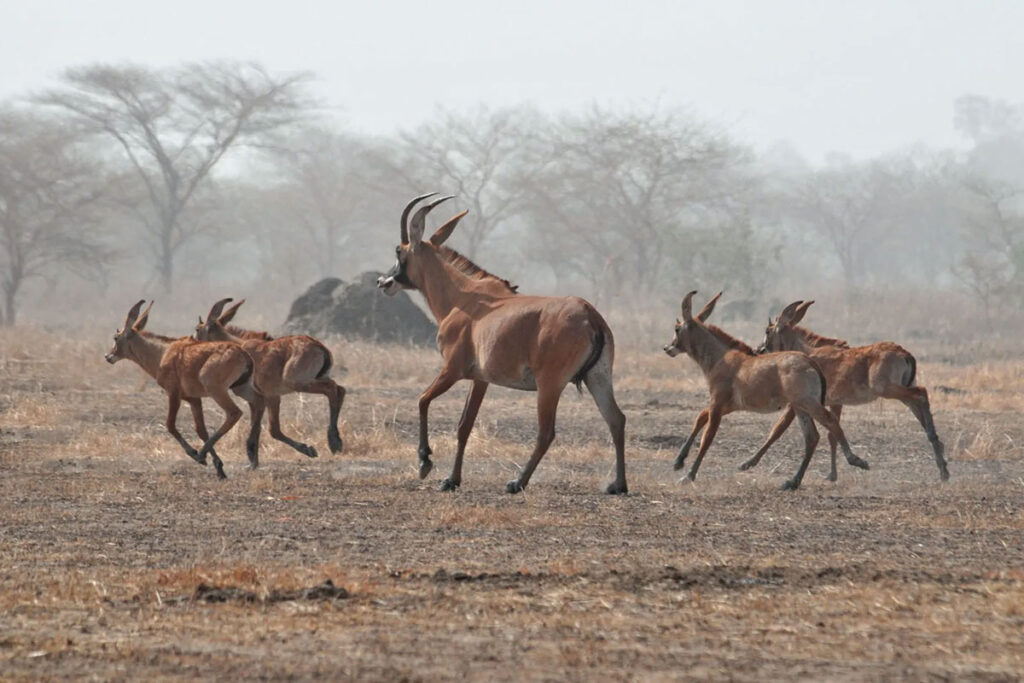
Waza National Park, Cameroon – UNESCO Biosphere Reserve, Sahelian Wildlife Sanctuary and Keystone Conservation Landscape of the Lake Chad Basin
Waza National Park is one of Cameroon’s most celebrated protected areas and a vital ecological stronghold for the Sahel. Established in 1934 and proclaimed a national park in 1968, Waza spans roughly 1,700 km² of semi-arid savannas, seasonal wetlands, acacia woodlands and low-lying floodplains. Its combination of biological richness, striking landscapes and cultural heritage earned it recognition as a UNESCO Biosphere Reserve in 1979. Today, it stands as one of the most important Sahelian wildlife refuges in Central Africa.
Located in Cameroon’s Far North Region, Waza lies at the ecological crossroads between West and Central Africa. The park’s diverse habitats shelter elephants, lions, Kordofan giraffes, hartebeest, roan antelope, kob and more than 350 recorded bird species. Its defining feature—the vast Yaéré floodplain—undergoes dramatic seasonal transformation, shifting from fertile wetlands in the rainy season to expansive grazing plains in the dry months. For travelers seeking raw wilderness, high ecological value and a safari far from crowds, Waza National Park delivers an authentic and scientifically fascinating experience.
Location
Waza National Park is situated between the towns of Mora and Kousseri in northern Cameroon, close to the borders with Chad and Nigeria. This geographic position places the park within the massive Lake Chad Basin, a transboundary ecological region that supports wildlife migrations, seasonal grazing and a mosaic of natural and human-shaped landscapes. The regional hub of Maroua lies approximately 75–90 km to the south, providing the main access point for visitors via the Maroua–Salak International Airport.
Geography
Waza’s geography reflects thousands of years of hydrological shifts within the Lake Chad Basin. The park is characterized by sandy Sahelian plains formed by aeolian processes, low-lying clay depressions that gather water as seasonal pans, and rolling savannas dotted with hardy acacia trees. Two contrasting environments dominate the landscape: upland woodlands in the drier sectors and the immense Yaéré floodplain in the north and east.
During the rainy season, the floodplain transforms into a vast wetland teeming with aquatic life, grasses and breeding bird populations. As the water recedes, nutrient-rich soils promote dense grass growth that attracts large grazers. This predictable seasonal cycle supports Waza’s ecological productivity and drives the park’s spectacular wildlife concentrations.
Climate
Waza lies in a classic Sahelian climate zone, marked by extreme heat and stark wet-dry contrasts. The dry season (October to May) is long and intense, with temperatures routinely exceeding 40°C. Vegetation thins out, water becomes scarce and wildlife congregates around the remaining waterholes and the edges of the floodplain. Dust-laden Harmattan winds further intensify the arid conditions.
The rainy season (June to September) brings brief but heavy rains, flooding the Yaéré plains and triggering rapid plant growth. These seasonal changes dictate everything from antelope migrations to lion hunting strategies, making Waza an excellent destination for observing wildlife behaviors shaped by extremes of climate.
Hydrology
Hydrology is the backbone of Waza National Park’s ecological identity. The annual overflow of the Logone River feeds the Yaéré floodplain, creating one of the most productive wetland systems in Central Africa. As floods spread across the plain, fish breed in shallow pools, amphibians proliferate and aquatic plants flourish, attracting vast numbers of birds.
When the water recedes, huge expanses of nutrient-rich grasslands emerge, drawing herbivores from the surrounding savannas. These grasslands act as dry-season lifelines for kob, hartebeest, roan antelope and reedbuck, while the shrinking pools and pans become hunting grounds for lions, hyenas and raptors. The park’s hydrological cycle is so critical that even small shifts in rainfall dramatically influence wildlife distribution and ecosystem health.
Ecosystems
Waza contains several key ecosystems, each offering different habitats for wildlife:
- Sahelian savanna: Dominated by drought-resistant grasses and scattered shrubs.
- Acacia and Balanites woodlands: Essential browsing areas for giraffes and elephants.
- Yaéré floodplain: A vast seasonal wetland that transforms into rich grazing lands.
- Shrub thickets: Cover for warthogs, jackals and small antelope.
- Dry riverbeds: Important wildlife movement corridors.
- Seasonal pans and pools: Critical water sources during the dry months.
Vegetation
Waza’s flora is adapted to extreme aridity and seasonal flooding. Dominant tree species include Acacia seyal, Balanites aegyptiaca, Faidherbia albida and Ziziphus mauritiana. During the rainy season, the floodplain produces a lush carpet of grasses such as Hyparrhenia, Cenchrus and Sporobolus, which support large herds of grazing herbivores.
As the dry season progresses, woody vegetation becomes essential for browsing species. The seasonal shift from grasses to browse shapes the movement patterns of elephants, giraffes and roan antelope across the park.
Wildlife
Despite historical challenges, Waza National Park remains one of Cameroon’s most valuable wildlife refuges. Its combination of woodland, savanna and floodplain habitats supports a wide range of mammals, birds, reptiles and amphibians. Wildlife viewing is at its peak during the dry season, when the landscape’s seasonal waterholes draw animals into more concentrated areas.
Elephants
Waza is home to one of Cameroon’s last Sahelian elephant populations. These elephants move between woodland and floodplain areas, often gathering in significant numbers around the park’s remaining permanent water sources. Conservation measures have helped stabilize the population, although continued efforts are needed due to past poaching pressures and regional insecurity.
Lions
Waza once supported one of the most prominent lion populations in Central Africa. While numbers have declined, lions still play a critical ecological role in the park. They are often seen prowling the floodplain edges, where kob and reedbuck congregate, or resting in the shade of acacia trees during the heat of the day. Waza remains an important site for the conservation of Sahel-adapted lion populations.
Kordofan Giraffes
One of Waza’s greatest conservation treasures is its population of Kordofan giraffes, a critically endangered subspecies found only in a few parts of the Sahel. These giraffes rely heavily on acacia browse and are frequently seen in small groups along the park’s woodland fringes. Their survival in Waza highlights the park’s regional importance.
Herbivores
- Roan antelope
- Hartebeest
- Bohor reedbuck
- Kob
- Topi (Damaliscus korrigum)
- Warthogs
- Patas monkeys
- Oribi and duiker
These herbivores migrate between the floodplain and woodlands in response to seasonal food availability, creating excellent wildlife-viewing opportunities during the dry season.
Carnivores
- Lions
- Leopards
- Spotted and striped hyenas
- Jackals
- Caracals and servals
Birdlife
With more than 350 bird species, Waza National Park is a premier birding destination in Central Africa. Its location along major migratory flyways makes it an essential refuge for Palearctic migrants as well as resident African species. The flooded Yaéré plains attract storks, pelicans, cranes, herons and waders in extraordinary numbers during the wet season.
- Black-crowned cranes
- Abyssinian ground hornbills
- Saddle-billed and marabou storks
- Secretary birds
- African fish eagles
- White and black storks
- Herons, pelicans and spoonbills
Reptiles and Amphibians
Reptile species include Nile crocodiles, monitor lizards, rock pythons and puff adders. Amphibians reproduce explosively during the rainy season, creating essential food sources for birds and small carnivores. These seasonal surges in amphibian populations reflect the pulse-driven nature of Waza’s ecosystems.
Unique Features
- The Yaéré floodplain—one of Central Africa’s richest seasonal wetland systems
- Home to critically endangered Kordofan giraffes
- Key refuge for Sahel-adapted elephants and lions
- UNESCO Biosphere Reserve designation
- Important stopover site for Palearctic migratory birds
- Dramatic seasonal transitions between wet and dry periods
Cultural and Indigenous Communities
The lands surrounding Waza are home to several ethnic communities, including the Fulani, Kotoko and Arab Shuwa peoples. Their traditional livelihoods—centered on pastoralism, seasonal transhumance and dryland farming—are closely linked to rainfall patterns and natural resource cycles. Their cattle migration routes often intersect the park’s boundaries, making community engagement a crucial part of Waza’s conservation strategy.
Collaborative programs focus on sustainable grazing practices, community wildlife monitoring, education, and reducing conflict between pastoralists and wildlife. These initiatives strengthen the long-term coexistence between people and nature.
Conservation Importance
Waza National Park is one of the most important biodiversity refuges in the Lake Chad Basin. Conservation priorities include protecting elephants and giraffes, preserving floodplain ecosystems, restoring predator populations and maintaining wildlife connectivity with surrounding habitats. Ranger patrols, ecological surveys and community partnerships contribute to the park’s ongoing resilience, despite challenges posed by poaching and regional security issues.
Threats
- Historic elephant poaching
- Regional insecurity affecting wildlife movements
- Livestock encroachment and habitat pressure
- Climate change reducing floodplain productivity
- Seasonal fires that impact vegetation structure
- Fragmentation of wildlife migration corridors
Research and Monitoring
- Population surveys of elephants, giraffes and lions
- Bird migration monitoring and wetland studies
- Vegetation mapping of the Yaéré floodplain
- Community-supported wildlife reporting networks
- Hydrological assessments tracking seasonal water flows
Tourism Activities
- Wildlife game drives across savanna and floodplain landscapes
- Birdwatching excursions in wetlands and seasonal pools
- Walking tours with trained guides
- Photography safaris focusing on Sahelian wildlife
- Visits to waterholes during the dry season
Access
Waza National Park is accessible by road from Maroua, with a 75–90 km drive depending on route and seasonal road conditions. The nearest airport, Maroua–Salak International Airport, offers domestic connections and limited regional flights. Travel is most reliable during the dry season, while heavy rains may restrict access to parts of the park.
Permits and Fees
Visitors require an entry permit, which can be arranged through park authorities or licensed tour operators. Permit fees support conservation management, ranger patrols and community development programs aimed at ensuring the long-term sustainability of the park.
Accommodation
- Waza Camp: Main lodge-style accommodation near the park entrance
- Community-run campsites: Offering rustic and authentic stays
- Lodges in Mora and Maroua: Convenient bases for day trips
Best Time to Visit
The best time to visit Waza National Park is during the dry season from December to April, when animals cluster around remaining water sources and floodplain edges. Wildlife sightings are at their peak during this period, and road access is generally at its best. Birdwatchers will find excellent opportunities at the start of the rainy season when migratory species arrive.
Why Waza National Park Is Unique
Waza National Park offers a rare insight into Sahelian wilderness—a place where elephants roam acacia woodlands, giraffes browse under clear desert skies, lions hunt along floodplain edges and millions of birds migrate across continents. Its combination of ecological richness, cultural depth and remote natural beauty makes it one of Central Africa’s most distinctive national parks. For travelers seeking an authentic safari in a region where nature still follows ancient seasonal rhythms, Waza remains an unforgettable destination and a cornerstone of Sahelian conservation.