
West Coast National Park
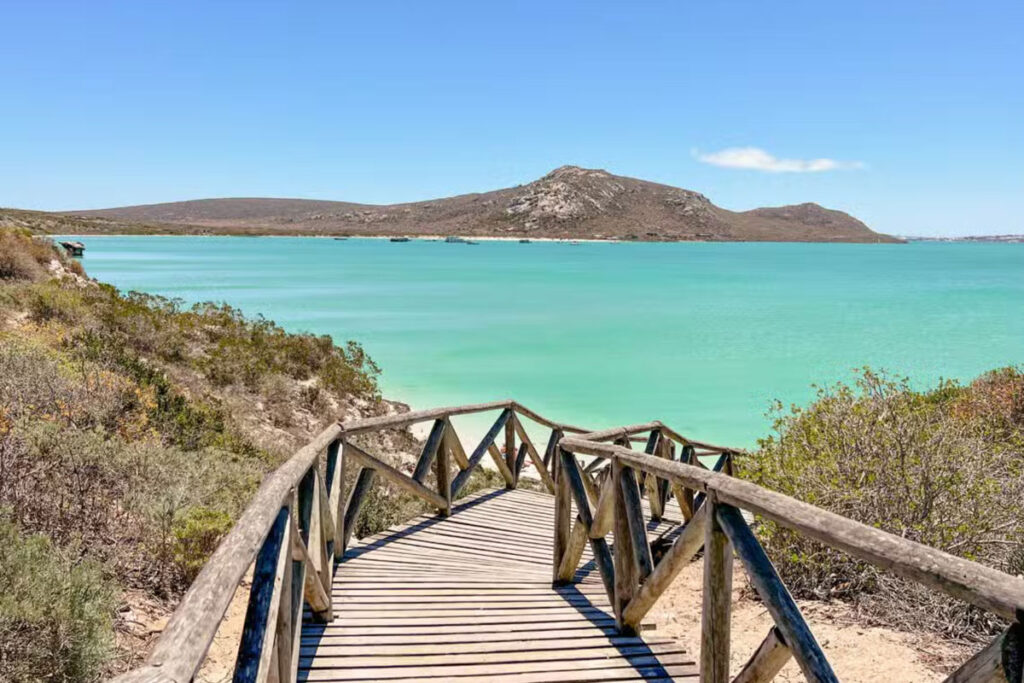
West Coast National Park, South Africa – Langebaan Lagoon, Wildflower Kingdom, Migratory Bird Haven, Archaeological Treasure and One of the Cape’s Most Ecologically Important Coastal Reserves
West Coast National Park is one of South Africa’s most remarkable protected areas—a dazzling landscape where turquoise marine lagoons, fynbos plains, granite outcrops, Atlantic beaches and vibrant wildflower fields collide to form a uniquely rich ecosystem. Established in 1985, the park was created to conserve the internationally significant Langebaan Lagoon, one of the world’s most pristine marine lagoons. Today the park forms part of the UNESCO-designated Cape West Coast Biosphere Reserve and protects diverse habitats ranging from tidal marshes and dune systems to strandveld, fynbos, islands and marine areas.
A critical sanctuary for migratory birds, the lagoon is listed as a Ramsar Wetland of International Importance (designated in 1988), and the broader park is recognized as an Important Bird Area (IBA SA104 – Langebaan Lagoon) due to the tens of thousands of migratory waders it supports annually. Beyond its ecological significance, West Coast National Park is famous for its spring wildflowers, rich cultural history, prehistoric archaeological sites, water sports, houseboat escapes and magnificent coastal scenery. It is one of the Western Cape’s most visited natural destinations—an essential stop for nature lovers, photographers, birdwatchers and anyone seeking the wild beauty of South Africa’s Atlantic coast.
Location and Geographic Setting
West Coast National Park lies along South Africa’s Atlantic coastline in the Western Cape Province, surrounding the spectacular Langebaan Lagoon and extending from Yzerfontein in the south to Langebaan in the north. Approximately one hour north of Cape Town along the R27, the park is exceptionally accessible while maintaining a sense of unspoiled wilderness.
The park’s heart is the 20 km-long Langebaan Lagoon, a purely marine lagoon fed only by tidal exchange with the Atlantic—not by rivers—making it one of the rarest lagoon systems on Earth. Its shallow turquoise waters, calm bays, mudflats and sandbanks contrast beautifully with the surrounding fynbos hills, granite outcrops and sweeping dune fields. To the west, the park includes a dramatic stretch of Atlantic coastline known for cliffs, beaches, seabird colonies and rugged coastal vegetation.
Geology and Landscape Formation
The geology of West Coast National Park reflects millions of years of shifting sea levels, dune formation, sediment deposition and tectonic uplift. The park’s oldest rocks belong to the Malmesbury shale and Cape granite formations, exposed through erosion and forming dramatic outcrops at Seeberg and Postberg. Over time, strong ocean winds sculpted vast dune systems that now host strandveld vegetation.
The formation of the Langebaan Lagoon was driven by rising sea levels after the last Ice Age. As the ocean advanced into the low-lying basin, it created a protected marine environment ideal for mudflats, seagrass beds and salt marshes. These unique conditions produce striking colour gradients in the water—from deep blue to turquoise to jade—caused by depth changes, sandbanks, salinity shifts and submerged vegetation.
Climate
The park has a Mediterranean climate influenced by the cold Benguela Current, featuring:
- Summer (November–March): Warm, dry, windy conditions (20–35°C), ideal for water sports and coastal activities.
- Winter (June–August): Cool, wet weather (10–20°C) with South Atlantic cold fronts.
- Spring (August–October): Famous wildflower season, triggered by winter rains and rising temperatures.
- Autumn (April–May): Mild, calm, excellent for birding and hiking.
These seasonal shifts influence water levels, bird migrations, wildflower blooming and overall biodiversity.
Hydrology
The hydrology of West Coast National Park is defined by the Langebaan Lagoon, a globally significant tidal lagoon system. Unlike estuaries, it receives no freshwater inflows—its water is entirely marine, regulated by tidal exchange through the narrow Langebaan channel.
Key hydrological zones include:
- Tidal mudflats: Crucial feeding grounds for migratory waders and flamingos.
- Salt marshes: Supporting halophytic (salt-tolerant) plants and invertebrates.
- Seagrass beds: Essential nurseries for fish and marine organisms.
- Sandy shallows and bays: Ideal for swimming, boating and marine biodiversity.
The lagoon and associated wetlands were declared a Ramsar Site (1988) for their global importance in supporting birdlife, ecological processes, breeding fish and rare coastal vegetation.
Ecosystems and Habitat Diversity
West Coast National Park protects one of the most diverse sets of coastal ecosystems in South Africa. Each habitat type plays a unique ecological role.
Langebaan Lagoon Ecosystem
A pristine marine environment, the lagoon supports fish nurseries, sand prawn beds, seagrasses and nutrient-rich mudflats. It is one of the best places in Africa to observe migratory shorebirds.
Fynbos and Strandveld
The park forms part of the Cape Floristic Region, the world’s smallest yet richest plant kingdom. Fynbos and strandveld vegetation include a mix of proteas, ericas, daisies, restios and salt-adapted shrubs. This vegetation thrives in sandy soils, strong winds and coastal conditions.
Dune Systems
Coastal dune fields are shaped by ocean winds and support hardy pioneer plants that stabilize shifting sands. These areas shelter small mammals, reptiles and numerous insects.
Rocky Outcrops
Granite domes and ridges at Seeberg and Postberg provide microclimates that foster varied flora and offer sweeping views of the lagoon and Atlantic coast.
Salt Marshes and Mudflats
Extensive salt marshes occur along the lagoon margins, dominated by halophytes such as Sarcocornia and Spartina species. Mudflats teem with worms, crustaceans and mollusks that feed migratory birds in the thousands.
Atlantic Coastal Zone
The western park boundary includes wild beaches, wave-battered cliffs and rocky tidal pools supporting diverse seabirds, seals and intertidal marine species.
Vegetation (Flora)
More than 500 plant species grow within the park, including flowering annuals, fynbos shrubs, succulents and halophytes. Postberg and Seeberg are especially renowned for their flower displays.
Dominant plant families during flower season include:
- Asteraceae (daisies)
- Aizoaceae (vygies)
- Iridaceae (irises and bulbs)
- Scrophulariaceae
Rare and notable species include:
- Euphorbia mauritanica
- Limonium peregrinum
- Carpobrotus edulis
- Drosanthemum spp.
The Postberg section (open only in August–September) is globally famous for its mass wildflower blooms, often regarded as one of the greatest natural floral spectacles on Earth.
Wildlife of West Coast National Park
Mammals
While not a traditional “big game” park, West Coast National Park hosts an excellent variety of mammals, especially in Postberg and inland areas:
- Eland
- Bontebok
- Red hartebeest
- Mountain zebra
- Kudu
- Steenbok
- Cape grysbok
- Bat-eared fox
- Caracal (rare)
- Cape grey mongoose
- Honey badger
Marine Mammals
- Cape fur seals
- Heaviside’s dolphins (near threatened)
- Dusky dolphins
- Southern right whales (Aug–Oct migration)
Birdlife
West Coast National Park is one of Africa’s foremost birding regions, with more than 300 species and some of the continent’s highest migratory bird concentrations.
Migratory wader numbers include:
- Up to 55,000 waders in summer months
- Up to 10,000 flamingos during peak periods
- Over 1% of the global Curlew Sandpiper population
Notable bird species:
- Black harrier (endangered Cape endemic)
- African oystercatcher (near threatened)
- Kittlitz’s plover
- Hartlaub’s gull
- Greater and lesser flamingo
- Curlew sandpiper
- Whimbrel, sanderling, knots and godwits
- Cape gannet (offshore sightings)
Islands and Seabird Colonies
The park includes several protected islands within the larger Langebaan Lagoon Marine Protected Area:
- Meeuw Island
- Schaapen Island
- Jutten Island
These islands support breeding colonies of:
- Kelp gulls
- Cormorants
- African black oystercatchers
- Terns
- Occasional African penguin visitors
Reptiles and Amphibians
- Angulate tortoise
- Geometric tortoise (rare in surrounding reserves)
- Cape cobra
- Puff adder
- Boomslang
- Southern rock agama
- Various frog species
Cultural and Archaeological Significance
The West Coast is home to some of South Africa’s most important archaeological discoveries. Evidence of early human activity dates back thousands of years, including:
- Shell middens from ancient Khoisan coastal dwellers
- Stone tool scatters used for hunting and gathering
- Prehistoric campsites along dunes and shorelines
The Geelbek Cultural Centre, a beautifully restored Cape Dutch homestead, features exhibitions on local archaeology, natural history and early settler life. Nearby fossil sites such as Elandsfontein (just outside the park) have revealed extinct megafauna including elephant, buffalo and giant hartebeest, suggesting a dramatically different Ice Age environment.
Fire Ecology
Fynbos ecosystems are fire-adapted, requiring periodic burning for regeneration. Fire stimulates the germination of numerous plant species and helps maintain biodiversity. Controlled burns are carefully managed within and around the park to preserve natural ecological processes while reducing the risk of uncontrolled wildfires.
Conservation Importance
West Coast National Park plays a crucial role in protecting:
- One of the world’s most pristine marine lagoons
- Large populations of migratory birds
- Threatened fynbos ecosystems
- Salt marsh wetlands of global significance
- Endangered species such as the black harrier
- Archaeological and cultural heritage
The park forms a core element of the Cape West Coast Biosphere Reserve and the Langebaan Lagoon Marine Protected Area, ensuring integrated protection of marine, terrestrial and cultural assets.
Threats and Conservation Challenges
- Coastal development pressures around the park
- Human disturbance to bird nesting and feeding sites
- Pollution entering the lagoon from boats and surrounding activities
- Climate change affecting coastal vegetation and water temperature
- Invasive species threatening fynbos biodiversity
Research and Monitoring
Ongoing scientific studies in the park include:
- Bird migration tracking
- Lagoon hydrology and marine vegetation studies
- Fynbos regeneration and fire ecology research
- Archaeological excavations
- Endangered species monitoring
Tourism and Visitor Activities
Wildflower Viewing (Seasonal)
From mid-August to early September, fields of daisies, vygies, nemesias and bulbs transform Postberg and Seeberg into one of the world’s greatest wildflower displays.
Birdwatching
Bird hides such as Geelbek, Abrahamskraal and Seeberg offer excellent viewing of waders, flamingos, terns and rare raptors.
Water Sports and Lagoon Activities
- Kiteboarding (world-renowned conditions)
- Windsurfing
- Kayaking
- Stand-up paddleboarding
- Sailing
- Swimming in warm shallow bays
Scenic Drives and Cycling
- Seeberg viewpoint route
- Postberg flower circuit (seasonal)
- Lagoon-edge cycling trails
Hiking Trails
- Seeberg Trail
- Postberg Trails
- Strandveld & dune walks
Houseboat Stays
Kraalbaai’s eco-friendly houseboats offer unique accommodation experiences directly on the lagoon.
Recreational Zones
- Kraalbaai Lagoon Zone: Swimming, kayaking, SUP, boating
- Postberg Section: Seasonal wildflower viewing
- Geelbek Area: Bird hides, cultural centre, wetlands
- Atlantic Coastal Zone: Beaches, dunes, ocean viewpoints
- Seeberg Viewpoint: Scenic panoramas and fynbos trails
Access and How to Get There
The park is easily accessible via the R27 from Cape Town, with main gates near Langebaan and Yzerfontein. Roads within the park connect major viewpoints, lagoon sites, flower zones and historical attractions.
Accommodation Options
- Kraalbaai Houseboats (unique lagoon accommodation)
- Self-catering cottages managed by SANParks
- Nearby hotels & lodges in Langebaan and Yzerfontein
- Designated picnic sites with facilities
Permits and Park Fees
- Daily conservation fees required
- Permits for boating, angling and certain water sports
- Postberg section open only during wildflower season
Best Time to Visit
- August–September: Wildflower season
- October–April: Best lagoon weather for water sports
- Year-round: Birding, hiking and photography
Why West Coast National Park Is Unique
West Coast National Park is a rare combination of marine beauty, floral wonder, historic landscapes and unparalleled birdlife. Its pristine lagoon, vibrant wildflower fields, fynbos ecosystems, ancient archaeological sites, calm beaches and rich biodiversity make it one of South Africa’s most treasured nature destinations. Whether exploring its tidal flats, hiking fynbos hillsides, observing flamingos in shallow water or relaxing in the tranquility of Kraalbaai, the park offers a timeless blend of wilderness, serenity and natural splendor found nowhere else in the Cape.