
Rwenzori Mountains National Park
Rwenzori Mountains National Park – Glacial Peaks, Afro-Alpine Forests, Rare Wildlife and the Legendary Mountains of the Moon
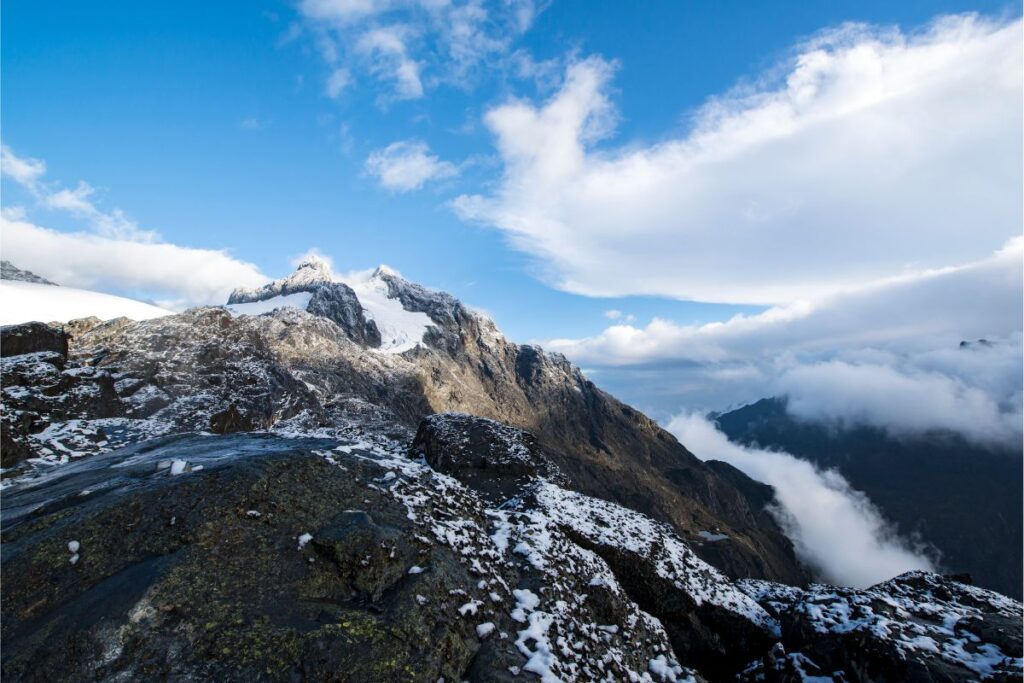
Rwenzori Mountains National Park is one of Africa’s most extraordinary protected landscapes, a place where tropical rainforests rise into misty highlands and culminate in permanent equatorial glaciers. Covering 996 km² along Uganda’s western border with the Democratic Republic of Congo, the park protects the iconic Rwenzori mountain range—ancient peaks known for centuries as the “Mountains of the Moon.” With its highest summit, Margherita Peak (5,109 m), towering above the cloud line, the park offers a breathtaking blend of rugged peaks, rocky cirques, glacier-fed lakes, giant Afro-alpine vegetation zones and some of the richest montane forests in East Africa.
The park is one of the most biodiverse mountain systems on the continent. Its steep altitudinal gradient creates ecosystems that shift dramatically from tropical to arctic conditions in a relatively short distance. Travelers ascend from warm lowland forests full of monkeys and birds into bamboo slopes, moss-draped heather trees, and finally into a surreal world of giant lobelias and groundsels. Above these unique vegetation zones, permanent icefields cling stubbornly to the summit ridges, providing a rare sight in equatorial Africa. The Rwenzoris also hold cultural importance for the Bakonzo and Bamba peoples, who regard the high peaks as sacred and have lived in harmony with the mountain environment for generations. Together, these natural and cultural elements make Rwenzori Mountains National Park one of Uganda’s most captivating wilderness destinations.
Location, Size and Geographic Setting
The park stretches across the districts of Kasese, Bundibugyo and Ntoroko in western Uganda, forming part of the larger Albertine Rift—a region recognized globally for its exceptional biodiversity. The Rwenzori range rises dramatically from the surrounding plains, forming steep ridges and deep valleys shaped by tectonic uplift and long-term glacial activity. Because the mountains sit directly on the Uganda–DR Congo border, many of their ecosystems continue into neighboring Virunga National Park, creating a vast transboundary wilderness corridor.
- Location: Western Uganda, on the DR Congo border
- Area: 996 km²
- Elevation range: 1,600 m – 5,109 m
- Highest point: Margherita Peak on Mount Stanley
- Designation: UNESCO World Heritage Site
The dramatic elevation changes within the park make the Rwenzori Mountains one of the most visually stunning highland regions in Africa. Jagged massifs, steep forested gullies, cascading waterfalls and glaciated basins combine to create a landscape of exceptional wilderness and ecological diversity.
Geology and Landscape Formation
The Rwenzori range was formed millions of years ago by tectonic uplift rather than volcanic activity, distinguishing it from Mount Kilimanjaro and Mount Kenya. Massive blocks of ancient Precambrian rock were thrust upward along faults in the Albertine Rift, creating a network of ridges and peaks composed of gneiss, granite, quartzite and amphibolite. Over millennia, glaciers carved deep valleys and cirques into the uplifted rock, leaving behind moraines, polished cliff faces and sculpted basin-like depressions that now cradle alpine lakes.
- Mountain type: Block mountains formed by tectonic uplift
- Dominant rock types: Gneiss, quartzite, granite
- Key massifs: Stanley, Speke, Baker, Gessi, Emin, Luigi di Savoia
- Glacial features: Cirques, U-shaped valleys, extensive moraines
The rugged geology of the Rwenzori Mountains continues to evolve due to ongoing tectonic activity in the Great Rift Valley. This slow but constant geological motion contributes to the steep slopes, irregular ridgelines and dramatic cliffs that define the park’s skyline.
Climate and Seasonal Weather Patterns
The Rwenzori Mountains experience a cool, humid climate dominated by heavy rainfall and substantial temperature variations between day and night. Moisture from the Congo Basin fuels the development of thick cloud cover and frequent storms, which create dense fog, slippery trails and lush moss-covered forests. Temperatures drop steadily with altitude, and at higher elevations, frost forms regularly while snow blankets the summit zones.
- Annual rainfall: 1,500–3,000 mm
- Temperatures: 20–22°C at foothills; often below freezing above 4,000 m
- Rainy seasons: March–May and September–November
- Best trekking seasons: December–February and June–August
The constantly wet environment is responsible for the expansive bog zones, deep peat layers and thick moss carpets found throughout the mid-altitude and high-altitude ecosystems. These climatic conditions also contribute to the health of the park’s Afro-alpine flora, which has adapted to a life of intense humidity, chilling temperatures and sharp diurnal fluctuations.
Hydrology – Rivers, Glaciers, Lakes and Bogs
The Rwenzori Mountains serve as one of Uganda’s most important freshwater catchments. Rainfall, snowmelt and glacial runoff feed multiple rivers that flow into Lake Edward, the Semliki River and the Nile basin. High-altitude bogs and wetlands act as natural sponges, slowly releasing water throughout the year and stabilizing river flow even during dry seasons.
- Main rivers: Mubuku, Nyamwamba, Nyamugasani, Bujuku, Lhubiriha
- Alpine lakes: Lake Bujuku, Lake Mahoma, Lake Kitandara
- Glacier-fed valleys: Stanley Plateau, Speke Glacier, Baker Glacier
- High-altitude bogs: Thick peat systems supporting water regulation
Although the Rwenzori glaciers are retreating due to rising temperatures, they remain a defining feature of the park and continue to influence its hydrology. The mountains’ rivers power hydropower plants, irrigate farmland and serve as crucial water sources for both people and wildlife in western Uganda.
Ecosystems and Habitat Diversity
The park’s ecosystems form one of the most dramatic altitude-based vegetation sequences in Africa. The journey from lowland rainforest to icy summits reveals an extraordinary series of habitats, each with its own microclimate, plant communities and wildlife. This layered ecological structure makes the Rwenzoris a global hotspot of mountain biodiversity.
- Lowland rainforest (1,600–2,200 m): Dense forest rich in primates and birds.
- Bamboo zone (2,200–3,000 m): Tall bamboo stands used by elephants and buffaloes.
- Montane forest (2,400–3,400 m): Moss-draped trees, ferns and large epiphyte loads.
- Heather zone (3,000–4,000 m): Giant heather trees with thick carpets of moss.
- Afro-alpine zone (3,800–4,500 m): Giant lobelia and groundsel, alpine bogs and tussock grasses.
- Glacial zone (4,500 m+): Icefields, snow, rock outcrops and bare cliffs.
Each zone supports highly specialized species that have adapted to extreme moisture, cold temperatures and fluctuating light conditions. The Afro-alpine zone, in particular, contains vegetation found in only a few other mountain systems worldwide, making it one of the park’s most striking features for trekkers and scientists.
Flora – Giant Lobelias, Moss Forests and Heather Trees
The plant life of the Rwenzori Mountains is renowned for its unusual beauty and evolutionary adaptation. In the mid-altitude forests, trees are covered in thick mats of moss, lichen and epiphytes due to persistent rainfall and fog. Higher up, the landscape transforms into a fantasy-like world of giant lobelia and giant groundsel species, which have developed insulating structures to cope with freezing nights and strong sunlight during the day.
- Giant lobelias: Lobelia wollastonii, Lobelia gibberoa
- Giant groundsels: Senecio adnivalis
- Podocarpus forests: Dominant in lower montane zones
- Bamboo: Yushania alpina
- Heather species: Erica kingaensis and others
These flora communities create a natural environment that feels untouched and ancient, offering some of the most photogenic landscapes in East Africa. Many trekkers describe the Afro-alpine vegetation as one of the highlights of their Rwenzori experience.
Wildlife of Rwenzori Mountains National Park
Rwenzori Mountains National Park supports a wide range of mammals, birds, reptiles and amphibians. Though dense vegetation makes sightings less predictable than in savanna parks, the variety of species that inhabit its forests and high-altitude zones is impressive. Many species are endemic to the Albertine Rift and found nowhere else in the world.
Mammals
- Forest elephants
- Rwenzori duiker (endemic)
- Buffaloes
- Chimpanzees
- Blue monkeys
- L’Hoest’s monkeys
- Giant forest hogs
The Rwenzori duiker, a small antelope adapted to the high-altitude heath and moorland zones, is particularly notable due to its limited global range. Elephants and buffaloes generally inhabit the lower slopes, where bamboo and forest vegetation are abundant.
Birdlife – Albertine Rift Endemics
The park is a premier birding destination, hosting over 217 species, including numerous Albertine Rift endemics. These birds thrive in the unique mix of montane forest, bamboo and Afro-alpine vegetation found on the slopes of the Rwenzori Mountains.
- Rwenzori turaco
- Handsome francolin
- Blue-headed sunbird
- Rwenzori batis
- Strange weaver
- Archers robin-chat
The deep valleys and mist-filled forests offer perfect habitats for shy and specialized montane bird species, making the park a rewarding site for ornithologists and nature lovers.
Reptiles, Amphibians and Smaller Species
- Three-horned chameleons
- Rwenzori climbing mice
- Montane frogs
- Small lizards and rodents
Amphibians thrive in the wet bog zones and along forest streams, while chameleons occupy cooler and more humid areas in the montane and bamboo belts.
Unique Features of the Rwenzori Mountains
Few mountain ranges in the world match the Rwenzoris in terms of dramatic scenery and ecological uniqueness. The combination of equatorial glaciers, ancient metamorphic rock, giant Afro-alpine vegetation and deep glacial valleys creates one of Africa’s most iconic and visually arresting landscapes.
- Equatorial glaciers: Among the last remaining in Africa
- Giant Afro-alpine flora: Rare plants adapted to freezing nights
- High-altitude lakes: Kitandara, Bujuku, Mahoma
- Deep glacier-carved valleys: Bujuku and Mubuku Valleys
- Rugged peaks: Including Mount Stanley, Speke and Baker
The surreal landscapes of the upper Rwenzoris—misty cliffs, glittering snow, bogs dotted with oversized plants—are features that photographers and trekkers describe as almost otherworldly.
Cultural and Indigenous Communities
The Bakonzo and Bamba peoples have lived around the Rwenzori Mountains for generations. Their cultural traditions, spiritual beliefs and ecological knowledge remain deeply connected to the landscape. Many peaks, rivers and forests are considered sacred, and communities honor the mountains through rituals, storytelling and sustainable land management practices.
Local residents play a crucial role in the park’s conservation through guiding, portering, community tourism and environmental stewardship. Visitors often enjoy cultural encounters that shed light on the profound relationship between people and mountains in this region.
Conservation Importance
The protection of Rwenzori Mountains National Park is vital for preserving biodiversity, freshwater resources and high-altitude ecosystems that are increasingly vulnerable to climate change. The park’s Afro-alpine vegetation, endemic species and fragile glaciers make it an irreplaceable natural laboratory for scientific study and long-term ecological monitoring.
- Safeguards water resources for western Uganda
- Preserves unique Afro-alpine and montane ecosystems
- Protects critically endangered Albertine Rift species
- Provides climate and glacial research opportunities
Threats and Environmental Challenges
- Rapid glacial retreat due to global warming
- Encroachment and land pressure around park edges
- Pollution and sedimentation of downstream rivers
- Poaching of small mammals and birds
- Vegetation degradation and soil erosion
Climate change remains the single biggest threat, as shrinking glaciers affect not only the park’s appearance but also its hydrology and biodiversity.
Research and Monitoring Programs
- Glacial mapping and melt-rate analysis
- Hydrological studies on river systems
- Vegetation surveys and climate impact research
- Bird population monitoring
- Wildlife tracking and habitat-use studies
Rwenzori Mountains National Park is a key research site for scientists studying mountain ecology, climate change effects, glacial recession and high-altitude biodiversity patterns in the tropics.
Tourism Activities and Attractions
- Mountaineering: Summit expeditions to Margherita Peak.
- Multi-day trekking: Central Circuit and Kilembe Trail.
- Photography: Afro-alpine plants, glaciers and dramatic valleys.
- Birdwatching: Rare Albertine Rift species.
- Cultural encounters: Bakonzo homesteads and community tours.
Trekking through the Rwenzori Mountains offers a rare and rewarding journey into some of the most dramatic and pristine high-altitude environments on the African continent.
Access – How to Reach the Park
- By road: 6–7 hours from Kampala via Fort Portal or Kasese
- Nearest airstrip: Kasese
- Main trailheads: Nyakalengija (Central Circuit) and Kilembe Trail
Permits and Regulations
- Park entrance fees required for all visitors
- Summit attempts require mountaineering permits
- Guides and porters mandatory for major climbs
- Camping allowed only in designated huts or camps
Accommodation Options
- Mountain huts: Strategically located along trekking routes
- Hotels and lodges: Available in Kasese and Fort Portal
- Campsites: Managed by mountaineering operators
Best Time to Visit Rwenzori Mountains National Park
- December–February: Clearer skies and more stable weather
- June–August: Less rainfall and better climbing conditions
During these drier months, trails are more manageable, and views of the peaks and glaciers are often spectacular.
Why Rwenzori Mountains National Park Is Unique
Rwenzori Mountains National Park stands as one of Africa’s most distinctive wilderness areas. Its combination of equatorial glaciers, ancient tectonic mountains, vast bogs, deep glacial valleys and surreal Afro-alpine vegetation creates a landscape found nowhere else in the world. The park’s unmatched biodiversity, cultural heritage, scientific value and adventurous trekking routes make it a premier destination for nature enthusiasts and explorers. For those seeking an authentic high-altitude wilderness experience, the Rwenzori Mountains deliver a journey that is both visually stunning and spiritually profound.