
Abuko Nature Reserve
Abuko Nature Reserve – The Gambia’s Best Wildlife and Birdwatching Destination
Abuko Nature Reserve is The Gambia’s first and most famous protected area, located just 25 kilometers from Banjul. This small but spectacular forest reserve is one of West Africa’s top birdwatching and eco-tourism destinations. Covering about 107 hectares, Abuko offers a rare opportunity to see monkeys, antelopes, reptiles, and over 270 bird species in their natural habitats—all within an hour’s drive from the Atlantic Coast resorts.
Whether you’re a first-time visitor to The Gambia or a seasoned birder, Abuko Nature Reserve delivers a unique combination of accessibility, wildlife diversity, and tropical scenery. It’s the perfect day trip for travelers seeking authentic Gambian nature and close-up wildlife encounters.
Where Is Abuko Nature Reserve Located?
Abuko Nature Reserve lies in The Gambia’s West Coast Region, near Lamin Village, about 25 kilometers from the capital city, Banjul, and only 10 kilometers from Yundum International Airport. Its central location along the South Bank Road makes it easy to access from coastal resorts such as Kololi, Kotu, and Senegambia. The reserve forms part of the country’s key conservation corridor and is managed by The Gambia’s Department of Parks and Wildlife Management.
Originally protected in 1916 as a water catchment area, Abuko was officially gazetted as a nature reserve in 1968. It remains the cornerstone of Gambian conservation and a vital sanctuary for the country’s remaining tropical forest ecosystem.
Landscape and Ecosystem of Abuko Nature Reserve
Abuko’s landscape is a remarkable mosaic of forest, wetland, and savanna habitats. At its heart runs the Lamin Bolong stream, which flows year-round, nourishing the dense gallery forest that defines much of the reserve. This lush environment—filled with mahogany, oil palm, and silk-cotton trees—creates a cool and shaded refuge for countless animal and bird species.
Surrounding the forest are open savanna woodlands and patches of grassland dotted with acacias and shrubs. This transition between forest and savanna gives Abuko its ecological richness, supporting both wetland species and dryland wildlife in a relatively small area. The result is a microcosm of Gambian biodiversity, easily explored on foot.
Wildlife and Animals in Abuko Nature Reserve
Abuko is often called “The Gambia in miniature” because its small area contains almost every major habitat found in the country. The reserve’s abundant wildlife makes it a prime attraction for birdwatchers, photographers, and families alike. Sightings are frequent, and most animals are accustomed to human presence, allowing close observation.
Monkeys and Other Mammals
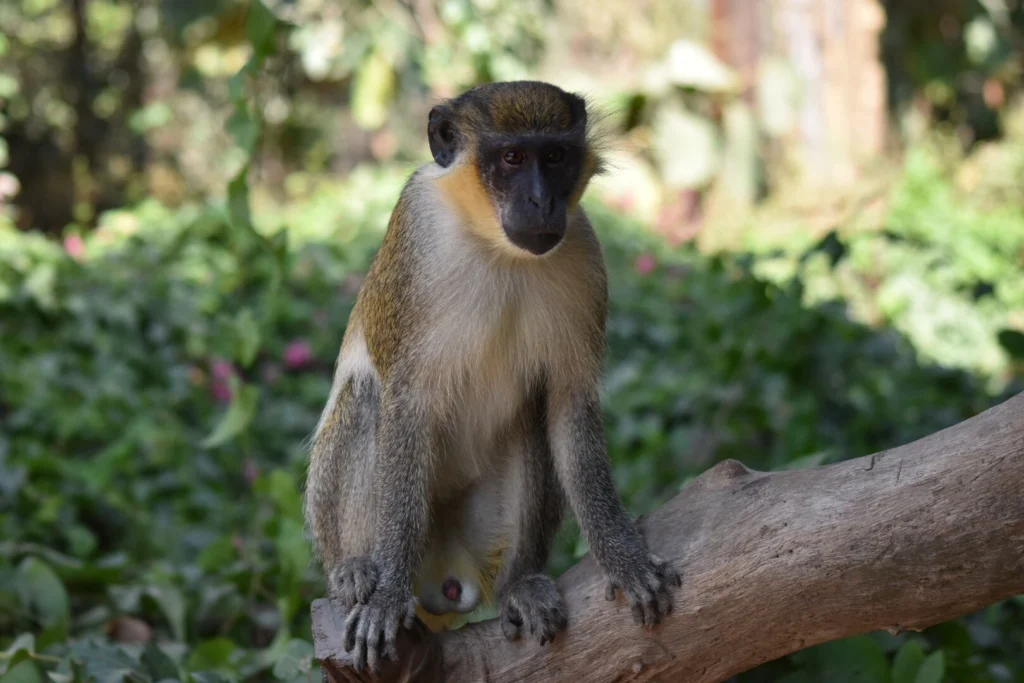
Abuko is home to three species of monkeys—vervet monkeys, red colobus monkeys, and patas monkeys. The red colobus is particularly significant as it is an endangered species endemic to West Africa’s coastal forests. Visitors often encounter vervets near the walking trails, while patas monkeys prefer the drier savanna edges.
Other mammals include bushbucks, duikers, mongooses, and porcupines. With luck, visitors may spot nocturnal creatures like bush babies (galagos) or fruit bats emerging at dusk. Though small, Abuko offers the excitement of a full safari experience within walking distance of Banjul.
Reptiles and Amphibians
Abuko’s waterways are home to several large Nile crocodiles, which can often be seen basking at the popular Bamboo Pool. Monitor lizards patrol the stream banks, while frogs and toads thrive in the wetlands during the rainy season. These reptiles and amphibians play crucial roles in the ecosystem, controlling insect populations and serving as prey for larger predators.
Birdlife – Why Abuko Is a Top Birdwatching Spot in The Gambia
With over 270 bird species recorded, Abuko is a world-class birdwatching destination. Forest species such as violet turacos, green wood hoopoes, blue-breasted kingfishers, and African paradise flycatchers are easily spotted along shaded paths. Wetlands attract herons, egrets, hammerkops, and the majestic African fish eagle. The savanna areas add more variety with hornbills, bee-eaters, and rollers.
The best times for birding are early morning and late afternoon when the forest is most active. During the dry season (November to April), migratory birds from Europe and North Africa add even more diversity, making Abuko a paradise for ornithologists and nature photographers.
Things to Do in Abuko Nature Reserve
Despite its size, Abuko offers a wide range of activities that appeal to all nature lovers. The reserve’s peaceful atmosphere, easy walking trails, and reliable wildlife sightings make it ideal for half-day or full-day visits.
- Guided Nature Walks: Enjoy forest walks led by experienced guides who help spot monkeys, antelopes, and reptiles while explaining the ecology of the reserve.
- Birdwatching Excursions: Observation hides and clearings provide excellent viewing points for both resident and migratory birds.
- Bamboo Pool: Watch Nile crocodiles basking in the sun while surrounded by tropical forest and bird calls.
- Wildlife Photography: Capture stunning images of monkeys, birds, and butterflies under the forest’s filtered light.
- Environmental Education: Visit the small interpretation center, which offers information about The Gambia’s flora, fauna, and conservation programs.
Best Time to Visit Abuko Nature Reserve
Abuko Nature Reserve is open all year, but the best time to visit is during the dry season from November to April. During this period, animals are more concentrated around water sources, and trails are dry and easy to navigate.
The wet season from May to October transforms the forest into a lush, green paradise filled with butterflies, frogs, and nesting birds. For photographers, this is the most colorful time to capture the vibrant greens and active wildlife.
How to Get to Abuko Nature Reserve
Reaching Abuko is quick and convenient. The reserve sits directly along the Banjul–Brikama highway and can be accessed by taxi, private car, or organized tour. The drive takes only 30–45 minutes from popular coastal resorts such as Kololi and Senegambia. Many hotels offer half-day excursions that include a guided walk through the reserve.
Entrance Fees and Facilities
Abuko Nature Reserve is open daily from 8:00 AM to 6:00 PM. Entrance fees are affordable and payable in Gambian Dalasi at the main gate. Knowledgeable local guides are available for hire and are highly recommended to enrich the experience and help identify wildlife species.
Facilities include well-marked trails, shaded picnic areas, restrooms, and a small educational center. Visitors should carry drinking water, insect repellent, and a hat, especially during hot afternoons. A small gift shop near the entrance occasionally sells local crafts and refreshments.
Conservation and Community Involvement
Abuko Nature Reserve plays an essential role in conserving The Gambia’s dwindling natural forests. It serves as a refuge for wildlife threatened by deforestation, urbanization, and agriculture. The reserve also acts as a vital environmental education hub, attracting school groups and researchers throughout the year.
Local communities in Lamin and Abuko actively participate in eco-tourism initiatives, offering guiding services and producing handicrafts for visitors. These programs provide income and reduce human pressure on forest resources, ensuring that conservation benefits both people and wildlife.
Travel Tips for Visiting Abuko Nature Reserve
- Arrive early for the best wildlife viewing, especially bird activity at dawn.
- Bring binoculars, a camera with a zoom lens, and plenty of water.
- Wear long sleeves and light, breathable clothing for protection from sun and insects.
- Follow park rules and never feed or approach wild animals.
- Hire a certified local guide to support conservation and local livelihoods.
Nearby Attractions
If you have extra time, combine your visit to Abuko with other nearby attractions in The Gambia’s West Coast Region:
- Tanji Bird Reserve: A scenic coastal sanctuary famous for seabirds, pelicans, and fishing village views.
- Kachikally Crocodile Pool: A cultural site in Bakau known for its resident crocodiles and spiritual significance.
- River Gambia Excursions: Explore mangrove creeks upriver to see kingfishers, herons, and bottlenose dolphins.
Why Visit Abuko Nature Reserve
Abuko Nature Reserve is the perfect introduction to The Gambia’s wild side. It combines lush forests, rich birdlife, and a peaceful atmosphere within easy reach of Banjul and the coastal hotels. For travelers looking to experience African wildlife up close without long drives or crowds, Abuko offers an authentic and unforgettable eco-adventure.
Conclusion – Experience The Gambia’s Natural Heart
Abuko Nature Reserve proves that small protected areas can hold immense ecological value. Its mix of forest trails, open savannas, and wetlands makes it one of The Gambia’s most important wildlife sanctuaries. From the call of the turaco echoing through the canopy to the sight of monkeys leaping across the branches, every moment in Abuko captures the spirit of West Africa’s natural beauty. A visit here is more than a tour—it’s a journey into The Gambia’s living heritage.