
Addo Elephant National Park
Addo Elephant National Park – South Africa’s Big 7 Safari Destination
In the heart of South Africa’s Eastern Cape, Addo Elephant National Park stands as one of Africa’s greatest conservation success stories. Once home to just 11 elephants in the 1930s, the park now shelters more than 600 of these majestic giants along with lions, rhinos, leopards, buffaloes, whales, and great white sharks — making it the only reserve in the world to protect the famous Big 7. Stretching from the rugged Zuurberg Mountains to the turquoise waters of Algoa Bay, Addo offers a malaria-free safari that combines classic African wildlife encounters with marine adventures, all in one destination.
Overview and Location
Addo Elephant National Park lies about 70 kilometers northeast of Gqeberha (formerly Port Elizabeth) in South Africa’s Eastern Cape Province. It was established in 1931 to save the last remaining elephants from extinction after decades of overhunting and habitat loss. From its modest beginnings, Addo has expanded to cover over 1,640 square kilometers of land and a marine protected area of about 3,800 square kilometers across Algoa Bay. This vast conservation area brings together mountains, forests, savannas, and ocean ecosystems under one unified park.
Today, Addo is managed by South African National Parks (SANParks) and stands as the third-largest national park in South Africa, attracting visitors from across the world for its spectacular biodiversity, easy access, and year-round game viewing.
Landscape and Ecosystem Diversity
Few parks in Africa offer the diversity of Addo. The reserve spans multiple habitats — from semi-arid Karoo plains and rolling grasslands to lush fynbos-covered slopes and the rich marine world of Algoa Bay. These landscapes represent five of South Africa’s nine biomes, each supporting unique wildlife and vegetation.
- Albany Thicket: A dense, evergreen shrubland providing essential food for elephants and antelopes year-round.
- Fynbos: Known for its dazzling wildflowers, fynbos dominates the southern Cape region and adds bursts of color in spring.
- Karoo: A semi-desert landscape supporting kudu, ostriches, meerkats, and hardy succulents.
- Grassland and Savanna: Open plains ideal for spotting zebra, buffalo, and large predators like lions and cheetahs.
- Marine Ecosystem: Extending into Algoa Bay, this area protects penguins, Cape gannets, southern right whales, and great white sharks.
This combination of land and ocean ecosystems makes Addo unique — visitors can watch elephants grazing in the bush one day and cruise alongside dolphins and whales the next.
Wildlife in Addo Elephant National Park
Addo is one of the most wildlife-rich destinations in South Africa, boasting an extraordinary range of species both on land and at sea. Whether you’re watching elephants at a waterhole or whales breaching offshore, the park provides some of the most memorable wildlife experiences on the continent.
The Elephants of Addo
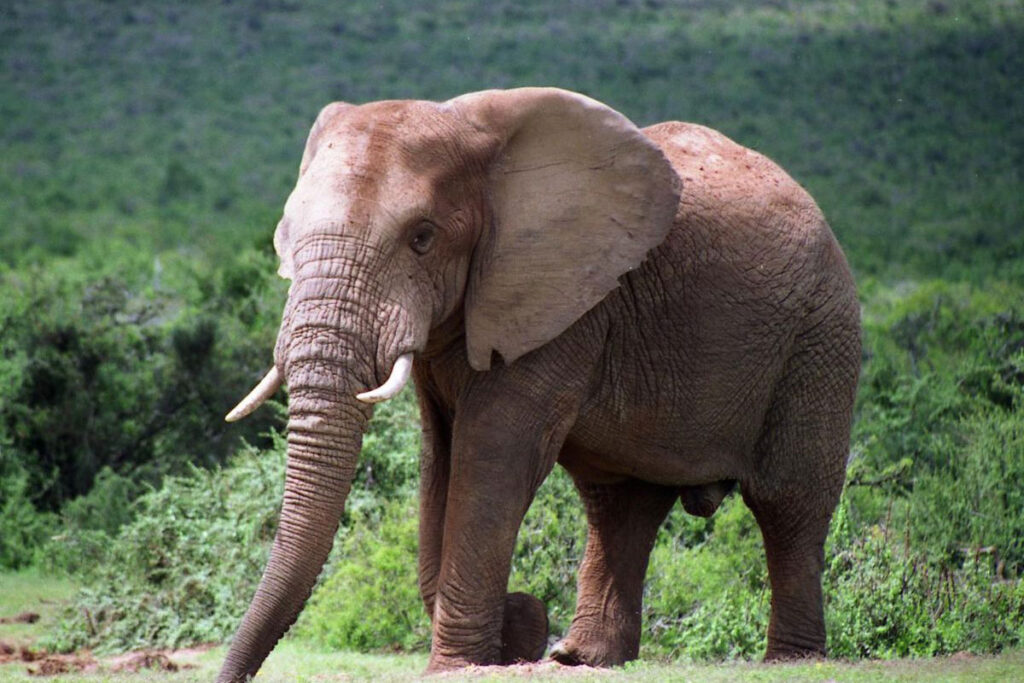
The park’s elephants are its most famous residents. Once on the brink of extinction, the population has grown to over 600 individuals, all descended from the original survivors. These elephants are known for their unique genetics — many are tuskless, an adaptation that helped them survive poaching decades ago. Visitors can observe them up close at waterholes like Hapoor Dam or along the park’s open roads, where herds often move gracefully through the bush.
The Big 7 Safari Experience
Addo Elephant National Park is the only place in the world where you can seek out the Big 7 — elephant, lion, leopard, rhino, buffalo, southern right whale, and great white shark. The park’s marine section in Algoa Bay adds an incredible coastal element to the classic African safari. Boat tours departing from Gqeberha offer visitors the chance to spot whales and sharks while connecting the marine and terrestrial halves of the Addo ecosystem.
Other Mammals and Notable Species
Addo is home to more than 95 mammal species, including black rhinos, lions, spotted hyenas, cheetahs, warthogs, and several antelope species such as kudu, eland, and red hartebeest. The park also supports small predators like caracals and jackals. An unusual highlight is the Addo flightless dung beetle, found nowhere else on Earth, playing a key ecological role in recycling nutrients from animal waste.
Birdlife and Marine Animals
Birdwatchers will find Addo equally rewarding. Over 400 bird species have been recorded, from majestic African fish eagles and secretary birds to hornbills, sunbirds, and ostriches. The park’s marine islands — including Bird and St. Croix — are vital breeding sites for African penguins and Cape gannets. Offshore, visitors can encounter bottlenose dolphins, humpback whales, and seasonal visits from southern right whales.
Main Attractions and Activities in Addo Elephant National Park
Addo offers something for everyone — from family-friendly self-drives to adventurous hiking trails and exclusive marine safaris. Each activity reveals a new perspective on this diverse wilderness.
- Self-Drive Safaris: Explore at your own pace on well-marked roads. The Gorah Loop, Domkrag Dam, and Nyathi sections are popular routes for close wildlife encounters.
- Guided Game Drives: Join SANParks rangers for morning, afternoon, or night drives to spot predators and nocturnal animals.
- 4×4 Adventure Trails: The Zuurberg and Kabouga routes offer challenging off-road experiences through rugged mountains and river valleys.
- Hiking and Horseback Riding: Scenic trails, including the Alexandria Hiking Trail, take visitors through forests, dunes, and coastal vegetation. Horseback safaris allow for a peaceful, non-intrusive way to observe wildlife.
- Marine Excursions: Boat tours in Algoa Bay showcase dolphins, whales, penguins, and sharks, linking the park’s terrestrial and oceanic worlds.
Accommodation in and Around Addo
Addo provides a wide range of accommodation options for every traveler. The main Addo Rest Camp offers self-catering chalets, cottages, safari tents, and a campsite with full amenities. For those seeking luxury, Gorah Elephant Camp (a 5-star tented lodge within the park) and River Bend Lodge offer exclusive experiences. Outside the park, guesthouses, eco-lodges, and B&Bs in Addo Valley and Colchester provide affordable stays close to the main gate.
Climate and Best Time to Visit Addo Elephant National Park
Addo enjoys a mild, semi-arid climate, making it a great year-round destination. The dry season (May to September) offers the best game-viewing conditions as animals gather at waterholes and the vegetation is sparse. The wet season (October to April) brings lush greenery, blooming flora, and young animals, creating fantastic photographic opportunities.
Daytime temperatures range from 20°C to 30°C, while evenings can be cool. Rainfall averages around 450 mm annually, and the park is completely malaria-free, ideal for families and first-time safari-goers.
Getting to Addo Elephant National Park
Addo is easily accessible from Gqeberha via the N2 highway, a drive of about one hour to the main gate. Visitors traveling along the Garden Route or from Grahamstown and Cradock can also reach the park comfortably. The nearest airport is Chief Dawid Stuurman International Airport (PLZ), with car rentals and transfers available. Most of the park’s roads are suitable for standard vehicles, though 4×4 cars are recommended for exploring remote sections.
Visitor Information and Park Facilities
The main rest camp includes a visitor center, restaurant, shop, fuel station, and interpretive displays. Entrance fees are paid per person per day, with discounts for South African residents and SANParks Wild Card holders. Visitors are advised to maintain safe distances from animals, drive slowly, and avoid leaving vehicles outside designated areas. Facilities are well-developed, ensuring a comfortable and family-friendly safari experience.
Conservation and Community Involvement
Addo Elephant National Park is a remarkable example of successful wildlife recovery. From a population of just 11 elephants, the park now supports thriving populations of large mammals and marine species. The Greater Addo Conservation Project continues to expand the park by linking nearby reserves and community lands into a continuous ecological corridor.
Local communities benefit directly through eco-tourism employment, guiding, and small business opportunities. Conservation initiatives focus on habitat restoration, anti-poaching efforts, and marine protection programs across Algoa Bay. Addo stands as a global model for integrated land-sea conservation and sustainable community partnerships.
Travel Tips for Visiting Addo Elephant National Park
- Book accommodation and activities in advance, especially during holidays and summer months.
- Drive slowly and maintain a safe distance from elephants — especially mothers with calves.
- Carry binoculars, a zoom lens, sunscreen, hats, and layered clothing for changing weather.
- Visit key waterholes like Hapoor, Rooidam, and Marion Baree for excellent wildlife viewing.
- Plan at least two full days to explore both northern and southern sections of the park.
Frequently Asked Questions About Addo Elephant National Park
Is Addo Elephant National Park malaria-free?
Yes, Addo is completely malaria-free, making it a safe choice for families, elderly travelers, and children.
How many elephants are in Addo Elephant National Park?
Over 600 elephants currently roam the park, one of the largest and healthiest populations in southern Africa.
Can I drive my own car in Addo?
Yes, most of Addo’s roads are accessible by standard vehicles, and self-drive safaris are one of its top attractions.
What makes Addo different from other South African parks?
Addo uniquely combines land and ocean ecosystems, allowing visitors to experience Africa’s Big 7 — including whales and great white sharks — in one protected area.
Why Visit Addo Elephant National Park
Addo captures the very essence of South Africa’s wild beauty. It’s a place where elephants roam freely, lions roar at sunset, and whales breach offshore. The park’s diversity of landscapes, its malaria-free environment, and its proximity to major travel routes make it ideal for first-time safari travelers and nature enthusiasts alike.
Whether you’re embarking on a self-drive adventure, photographing elephants at Hapoor Dam, or exploring the marine life of Algoa Bay, Addo offers an unmatched safari experience — powerful, authentic, and deeply inspiring.
Conclusion – A Symbol of South Africa’s Conservation Success
Addo Elephant National Park is more than a wildlife reserve — it’s a symbol of restoration, resilience, and hope. From 11 elephants to a Big 7 stronghold, Addo showcases how visionary conservation can transform both nature and communities. As one of Africa’s most diverse and accessible safari parks, Addo invites visitors to witness not just wildlife, but the story of Africa’s enduring wilderness.