
Agulhas National Park
Agulhas National Park – Where the Atlantic and Indian Oceans Meet
At the very tip of South Africa, Agulhas National Park marks the true southernmost point of the African continent — where the cold Atlantic Ocean meets the warm Indian Ocean in a dramatic display of power and beauty. Situated near the coastal town of L’Agulhas in the Western Cape, this windswept park offers a captivating blend of rugged coastlines, shipwreck history, unique fynbos vegetation, and world-class biodiversity. It’s a place of natural wonder, maritime heritage, and quiet coastal charm — the symbolic end of Africa.
Overview and Location
Agulhas National Park lies about 250 kilometers southeast of Cape Town in South Africa’s Overberg region, between the towns of L’Agulhas and Struisbaai. Established in 1999, it covers around 21,000 hectares of land and marine habitat. Managed by South African National Parks (SANParks), the park forms part of the Cape Floral Kingdom — the smallest yet richest plant kingdom on Earth and a designated UNESCO World Heritage Site. The park’s mission is to protect the extraordinary biodiversity of the Agulhas Plain while preserving its cultural and maritime heritage.
Geography and Landscape
The park’s centerpiece is Cape Agulhas, the official southernmost point of Africa and the geographical meeting place of two great oceans. Here, the warm Agulhas Current of the Indian Ocean collides with the cold Benguela Current of the Atlantic, creating turbulent seas known for dramatic weather and shipwrecks. Inland, the landscape transitions into rolling limestone hills, wetlands, and the colorful fynbos plains of the Agulhas Plain — home to some of the most diverse plant species on the continent. Panoramic viewpoints reveal sweeping coastal scenery sculpted by centuries of wind and waves.
Climate and Best Time to Visit
Agulhas National Park experiences a mild, Mediterranean-style climate with cool, wet winters and warm, dry summers. Average summer temperatures range from 20°C to 28°C, while winters (June to August) average between 10°C and 18°C. The park is an excellent year-round destination, but your experience may vary depending on the season:
- August to December: Spring and early summer bring the spectacular wildflower season, when the fynbos bursts into bloom.
- June to September: Peak whale-watching season, when southern right whales migrate close to shore with their calves.
- Year-round: Ideal for hiking, photography, and exploring the coastal trails, with fewer crowds outside holidays.
Flora – The Rich Cape Floral Kingdom
Agulhas National Park lies at the heart of the Cape Floral Kingdom, one of the most botanically rich regions in the world. Over 2,000 plant species have been identified, including about 100 found nowhere else on Earth. The park’s unique ecosystems include Agulhas limestone fynbos and coastal renosterveld, both considered globally threatened vegetation types. Visitors in spring can enjoy the sight of blooming ericas, proteas, restios, and daisies blanketing the plains in vivid color — a dream for botanists and photographers alike.
Wildlife in Agulhas National Park
Although Agulhas is not a “Big Five” destination, it supports an impressive diversity of smaller mammals, birds, and marine life. Its compact size makes wildlife encounters frequent and accessible, offering a tranquil safari experience in a coastal setting.
Land Mammals
Among the terrestrial animals found here are bontebok, eland, Cape mountain zebra, red hartebeest, and grey rhebok, often seen grazing in open grasslands. Predators such as caracal and Cape fox roam the dunes and shrublands, while nocturnal species like porcupines and honey badgers are occasionally spotted on night drives. The best viewing times are early morning and late afternoon when wildlife is most active.
Birdlife
With over 270 recorded species, Agulhas is one of the top birdwatching destinations in the Western Cape. The park’s wetlands attract flamingos, herons, and African spoonbills, while the coastline provides nesting grounds for African black oystercatchers and various terns. Inland birdwatchers can spot blue cranes — South Africa’s national bird — alongside sunbirds, Cape weavers, and francolins. Bird hides at Soetendalsvlei and other wetlands offer excellent photography opportunities.
Marine Life and Coastal Ecosystems
Offshore, the confluence of two oceans creates one of South Africa’s most biologically productive marine zones. Visitors can see Cape fur seals, dolphins, and during winter, southern right whales breaching close to shore. The intertidal rock pools teem with sea stars, anemones, and shellfish, offering fascinating insights into coastal ecology. Nearby Struisbaai’s calm waters provide safe spots for swimming and snorkeling.
Main Attractions and Things to Do in Agulhas National Park
Agulhas National Park offers an unforgettable mix of natural beauty, adventure, and heritage exploration. From standing at the southernmost point of Africa to walking among shipwrecks and spotting whales offshore, every experience here connects visitors with the park’s wild coastal spirit. Whether you’re a photographer, hiker, or history enthusiast, there’s something for everyone in this rugged yet peaceful part of South Africa.
1. Visit the Southernmost Point of Africa
No trip to Agulhas is complete without visiting the iconic monument marking the official southernmost tip of Africa. This spot, where the Atlantic and Indian Oceans meet, is both symbolic and scenic — a must-see for any traveler exploring the Cape. The viewpoint is well-signposted, with interpretive panels explaining the ocean currents, geology, and history of the site. On clear days, you can enjoy panoramic views of the rugged coastline and crashing waves that define this extraordinary location.
2. Explore the Historic Cape Agulhas Lighthouse
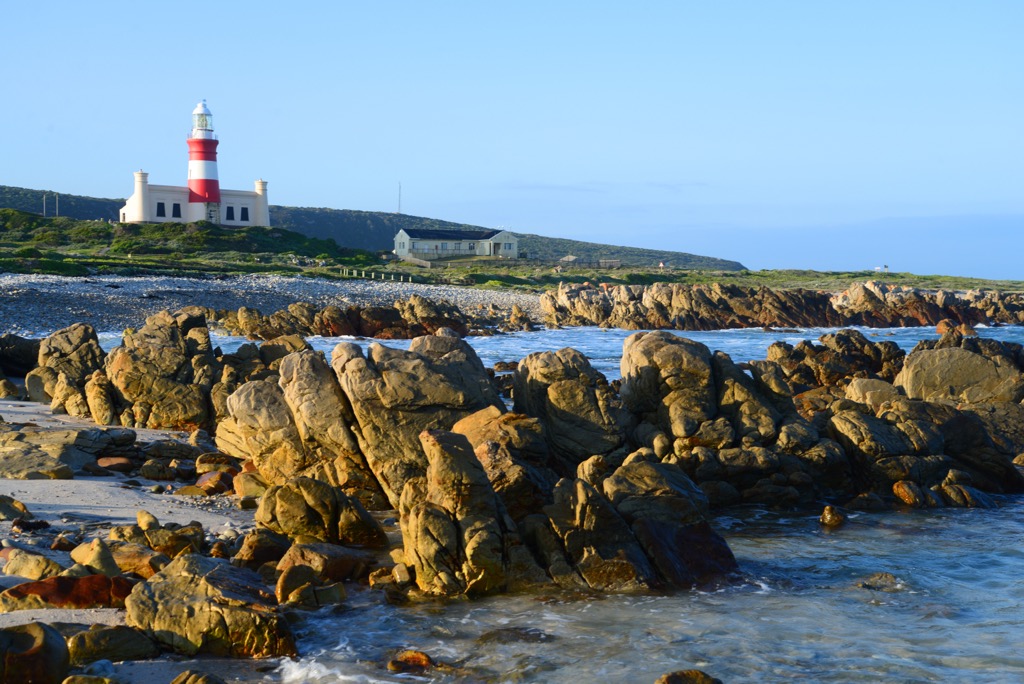
Standing proudly since 1848, the Cape Agulhas Lighthouse is the second-oldest working lighthouse in South Africa and one of the park’s most photographed landmarks. Visitors can climb its spiral staircase to the top for sweeping views of the coast, dunes, and fynbos-covered plains. Inside the lighthouse, a small maritime museum displays navigational instruments, models of historic ships, and exhibits on early seafaring life along this treacherous coast. At the base, you’ll find a charming café and gift shop — perfect for a coffee break with ocean views.
3. Walk the Shipwreck Trail
Agulhas is famously known as the “Graveyard of Ships,” with over 140 recorded wrecks scattered along its shores. The Shipwreck Trail is a short, scenic coastal walk that lets you explore some of these haunting relics up close. The highlight is the Meisho Maru 38, a Japanese fishing trawler that ran aground in 1982 and remains partially visible on the rocks today. Along the route, interpretive signs tell fascinating stories of storms, sailors, and maritime rescues — blending natural beauty with rich history. The trail is especially atmospheric at sunrise or sunset, when the light turns the coastline golden.
4. Hike the Two Oceans Trail and Other Walking Routes
The Two Oceans Hiking Trail is one of the most rewarding walks in the park, offering breathtaking views of both the Indian and Atlantic Oceans. This circular route weaves through fynbos hills, dunes, and wetlands, showcasing the park’s unique vegetation and birdlife. Shorter trails near the rest camp and lighthouse provide easy options for families or casual walkers. For photographers and nature enthusiasts, the hiking routes are ideal for spotting colorful flora, small antelope, and endemic birds in their natural habitat.
5. Whale and Dolphin Watching
Between June and November, Agulhas becomes one of South Africa’s top whale-watching destinations. Southern right whales migrate from Antarctica to calve and nurse their young in the sheltered bays around Struisbaai and Cape Agulhas. You can often see them from the shore, breaching or blowing water into the air. Dolphins, including bottlenose and dusky species, are frequently seen year-round. For the best viewing, head to coastal viewpoints near the lighthouse or take a scenic drive toward Struisbaai Harbor.
6. Birdwatching and Wetland Exploration
Agulhas is a paradise for bird enthusiasts, with more than 270 bird species recorded. The wetlands of Soetendalsvlei — South Africa’s largest natural freshwater lake — attract flamingos, herons, spoonbills, and African black oystercatchers. Bird hides and observation decks allow for peaceful birdwatching in a serene setting. Inland, look for sunbirds feeding on flowering proteas, Cape weavers building nests, and the elegant blue crane, South Africa’s national bird, striding through the grasslands.
7. Photography and Scenic Viewpoints
For photographers, Agulhas offers endless inspiration — from the dramatic meeting of two oceans to wildflower-covered dunes and shipwreck silhouettes against the horizon. Early mornings and late afternoons provide the best light for landscape and wildlife photography. Key spots include the southernmost point monument, the lighthouse, and the cliffs above the Meisho Maru wreck. Don’t forget your wide-angle lens for capturing the vast skies and panoramic seascapes that make Agulhas so distinctive.
8. Discover the Park’s Unique Plant Life
Botanists and nature lovers will find Agulhas National Park especially rewarding during the spring wildflower season. The fynbos plains burst into color with blooming ericas, proteas, daisies, and geophytes. Guided botanical walks led by SANParks rangers are sometimes available, offering insight into the ecological importance of the Cape Floral Kingdom and the park’s endemic plant species. It’s an opportunity to appreciate the subtle beauty of one of the world’s most biodiverse floral regions.
9. Visit the Surrounding Coastal Villages
Extend your Agulhas experience by exploring nearby coastal communities. The fishing village of Struisbaai boasts one of South Africa’s longest natural beaches and a charming harbor where you can see local fishermen bring in their catch — often joined by friendly stingrays. The historic mission village of Elim, founded in 1824, features whitewashed cottages and traditional reed roofs, offering a glimpse into the region’s cultural heritage. These nearby stops add a human touch to your Agulhas adventure.
10. Relax and Unwind in Nature
For those seeking tranquility, Agulhas is the perfect place to unwind. Enjoy quiet sunsets over the ocean, stargazing under the clear night sky, or simply relaxing on your chalet deck surrounded by the sounds of the sea and wind. The park’s unspoiled atmosphere makes it a peaceful retreat far from busy cities — ideal for mindfulness, reflection, or romantic getaways.
Cultural Heritage and Shipwreck History
Agulhas is steeped in maritime history. Known as the “Graveyard of Ships,” its treacherous waters have claimed more than 140 vessels over the centuries. The Shipwreck Trail showcases several of these wrecks, including the famous Meisho Maru 38, which ran aground in 1982. The iconic Cape Agulhas Lighthouse, built in 1848, is the second-oldest operational lighthouse in South Africa and a highlight for visitors. Its viewing platform offers panoramic views of the coastline, while its small museum tells stories of sailors, storms, and survival.
Accommodation in and Around Agulhas National Park
Accommodation within Agulhas National Park includes comfortable, eco-friendly self-catering units at the Agulhas Rest Camp, offering panoramic sea and fynbos views. Each chalet or cottage is fully equipped with modern amenities and private decks. For alternative stays, nearby towns such as L’Agulhas, Struisbaai, and Elim feature guesthouses, seaside lodges, and charming B&Bs. A small campsite inside the park caters to travelers seeking a closer connection with nature.
Getting to Agulhas National Park
The park is easily accessible from Cape Town via the N2 highway through Caledon and Bredasdorp, then south on the R316 toward Struisbaai. The drive takes approximately three hours. All internal roads are suitable for standard vehicles, and 4×4 tracks are not required. The nearest fuel station and grocery stores are located in Struisbaai, while visitors should note limited mobile signal in some coastal areas.
Visitor Facilities and Practical Information
Agulhas National Park is open daily from sunrise to sunset. Entrance fees can be paid at the main gate or online via SANParks. Facilities include a visitor information center, picnic spots, restrooms, and marked walking trails. The lighthouse precinct also offers a café, gift shop, and maritime museum. Because of the strong coastal winds, visitors are advised to bring layered clothing and secure hats or cameras.
Conservation and Community Involvement
Agulhas National Park plays a vital role in conserving the Agulhas Plain — a globally important biodiversity hotspot. Ongoing conservation efforts focus on restoring degraded habitats, protecting endangered plant species, and managing coastal wetlands. The park works closely with nearby communities such as Elim and Struisbaai to promote sustainable tourism, environmental education, and local employment opportunities. These partnerships ensure that both people and nature benefit from the park’s protection.
Key Species to Look Out For
- Bontebok and eland grazing in fynbos grasslands.
- Cape mountain zebra and grey rhebok on open plains.
- Caracal and Cape fox during early morning or dusk.
- Southern right whales offshore between June and November.
- Flamingos, oystercatchers, and blue cranes near wetlands and lagoons.
Frequently Asked Questions About Agulhas National Park
Is Agulhas really the southernmost point of Africa?
Yes. The official southernmost tip of Africa lies within Agulhas National Park, marked by a monument where the Indian and Atlantic Oceans converge.
Can you swim at Cape Agulhas?
Swimming is not recommended directly at Cape Agulhas due to rough seas and rocky conditions, but nearby Struisbaai offers sheltered beaches ideal for safe swimming and kayaking.
Is Agulhas part of the Cape Floral Kingdom?
Yes, it forms part of the Cape Floral Region — one of the world’s six floral kingdoms, recognized for its exceptional concentration of endemic plant species.
Are there whales at Agulhas?
Yes, southern right whales visit the coastline from June to November for breeding and calving, offering excellent viewing from coastal lookouts.
What makes Agulhas National Park special?
It’s the only place in Africa where travelers can stand at the meeting of two oceans, surrounded by pristine fynbos, historic shipwrecks, and extraordinary marine life — all in one breathtaking location.
Travel Tips for Visiting Agulhas National Park
- Pack layered clothing and a windbreaker — coastal weather changes quickly.
- Bring binoculars and a camera for birding, whale watching, and landscapes.
- Stay at least two nights to explore the park, lighthouse, and surrounding villages.
- Visit in spring for wildflowers or winter for whales and dramatic skies.
- Book accommodation early during South African public holidays.
- Carry snacks, water, and sunscreen, as facilities are limited in remote areas.
Why Visit Agulhas National Park
Agulhas National Park is one of South Africa’s most symbolic destinations — where oceans meet, ecosystems merge, and history runs deep. It’s a paradise for photographers, nature lovers, and anyone seeking solitude at the edge of the continent. Whether you’re exploring the lighthouse, walking the Shipwreck Trail, or simply standing at the iconic southernmost point, Agulhas offers a rare mix of natural drama and quiet reflection.
Conclusion – The End of Africa, The Start of Discovery
Agulhas National Park embodies the essence of the Cape: wild, windswept, and full of life. It’s a place where land and sea collide, flowers bloom on limestone cliffs, and whales glide past ancient wrecks. More than just a geographical landmark, it’s a celebration of South Africa’s natural and cultural heritage — a destination that reminds every traveler that the end of Africa is also the beginning of wonder.