
Abijatta–Shalla Lakes National Park
Abijatta–Shalla Lakes National Park – Ethiopia’s Great Rift Valley Birdwatching and Wildlife Sanctuary
Located in the heart of Ethiopia’s Great Rift Valley, Abijatta–Shalla Lakes National Park is a breathtaking natural wonder of twin lakes, volcanic formations, and prolific birdlife. Spanning an area of about 887 square kilometers, it lies roughly 200 kilometers south of Addis Ababa, making it one of the most accessible and ecologically diverse national parks in the country. The park’s twin lakes — the shallow, soda-rich Lake Abijatta and the deep, mysterious Lake Shalla — create a fascinating contrast in color, depth, and ecology, forming a paradise for flamingos, pelicans, and hundreds of migratory bird species.
Overview and Location
Abijatta–Shalla Lakes National Park lies in Ethiopia’s Oromia Region, within the central section of the Great Rift Valley. Established in 1970, the park was created to protect the region’s extraordinary birdlife, fragile aquatic ecosystems, and unique geothermal features. The park’s altitude ranges from 1,540 to 2,075 meters above sea level, offering sweeping views of the Rift Valley escarpments and surrounding savannas. Its proximity to the main Addis Ababa–Shashamane highway makes it ideal for short birdwatching trips, weekend safaris, and eco-tours from the capital.
Geography and the Twin Lakes
The defining feature of the park is its two contrasting lakes — Abijatta and Shalla — separated by only three kilometers of dry acacia woodland yet completely different in their physical and chemical characteristics. Together, they provide a dramatic example of the Rift Valley’s geological and hydrological diversity.
Lake Abijatta – The Flamingo Haven
Lake Abijatta, situated to the north, is a shallow, alkaline lake covering about 205 square kilometers with an average depth of 14 meters. Its highly alkaline waters encourage the growth of blue-green algae, which attract immense populations of greater and lesser flamingos, creating one of the most spectacular wildlife displays in Ethiopia. Early in the morning, the lake often glows pink as thousands of flamingos feed across its shimmering surface.
The lake receives inflows from the Bulbula and Hora Kello rivers, though its water levels fluctuate seasonally due to rainfall and evaporation. In recent decades, Lake Abijatta has been threatened by water diversion for irrigation and soda ash extraction. Nevertheless, it remains a vital feeding ground for flamingos, pelicans, avocets, storks, and numerous other waterbirds, making it a crucial ecosystem for East African migratory species.
Lake Shalla – The Deep Blue Mystery
In contrast, Lake Shalla, located to the south, is one of Africa’s deepest and most dramatic lakes, plunging to depths exceeding 260 meters. Covering about 370 square kilometers, it lies in a vast volcanic caldera surrounded by rugged cliffs and geothermal activity. Steam vents, hot springs, and fumaroles bubble along its shores, releasing sulfur and mineral deposits that give the lake its unique scent and color.
Unlike Abijatta, Lake Shalla’s saline waters support little aquatic life, yet its striking blue color, steep escarpments, and geothermal features make it a favorite for photographers and researchers alike. Hot springs such as those at Fike and Daka are believed to have therapeutic properties and are often visited by locals for their warmth and mineral content.
Climate and Ecosystem
Abijatta–Shalla Lakes National Park experiences a semi-arid climate typical of Ethiopia’s central Rift Valley. Average daytime temperatures range from 20°C to 30°C, dropping to around 10°C at night. Rainfall averages between 500 and 700 millimeters annually, with two main wet seasons — March to May and September to November.
Vegetation in the park varies from open acacia woodland and grass savanna to patches of thornbush and shrubland. Dominant tree species include Acacia tortilis and Acacia seyal, while euphorbias and aloes thrive on the drier slopes. The varied vegetation supports a mix of wetland and terrestrial fauna, making the park one of the most ecologically diverse in the Great Rift Valley.
Wildlife in Abijatta–Shalla Lakes National Park
Although the park is best known for its rich birdlife, it also harbors a range of mammals, reptiles, and amphibians adapted to the semi-arid conditions of the Rift Valley. The coexistence of open grassland and wetland habitats provides sanctuary for numerous species.
Birdlife – The Heart of the Park
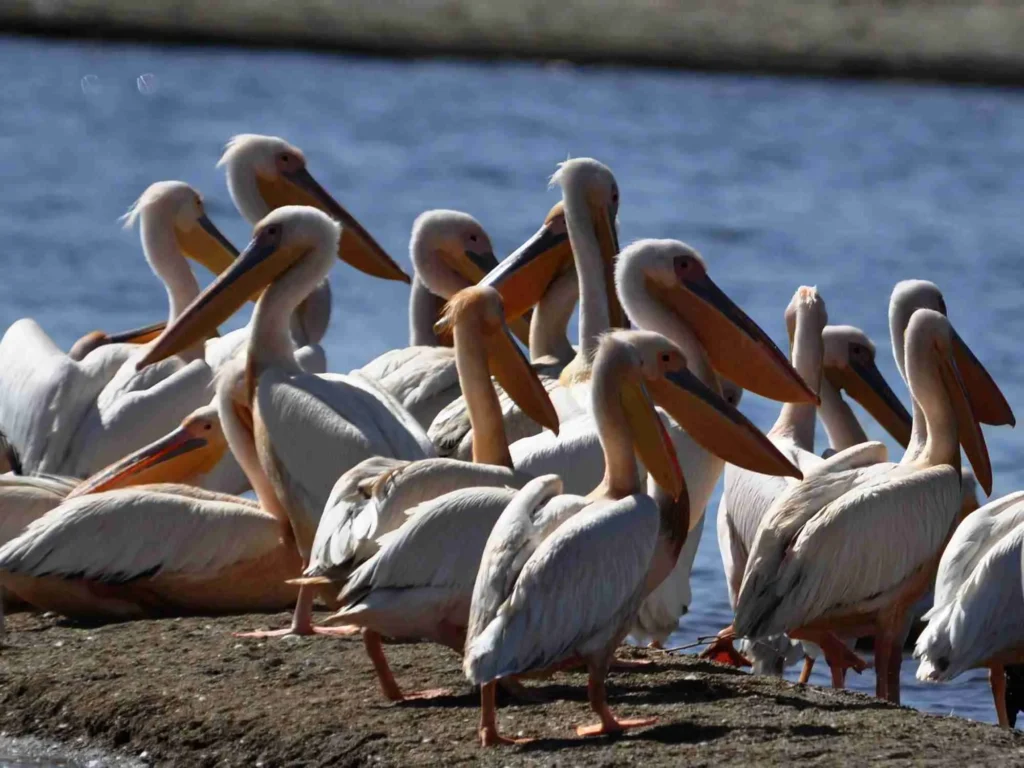
Abijatta–Shalla Lakes National Park is a true birdwatcher’s paradise, with more than 450 recorded bird species. Lake Abijatta attracts large flocks of flamingos, pelicans, herons, spoonbills, storks, and ibises, while Lake Shalla’s cliffs and rocky shores provide nesting grounds for raptors. During the migratory season from October to March, thousands of Palearctic migrants arrive from Europe and Asia, transforming the park into a seasonal haven of avian activity.
Commonly sighted species include the African fish eagle, Egyptian goose, steppe eagle, black-winged stilt, and common greenshank. The park’s international importance for migratory birds has earned it recognition as an Important Bird and Biodiversity Area (IBA) by BirdLife International, highlighting its global ecological value.
Mammals and Reptiles
While less numerous than the birdlife, the park’s mammal population is diverse and adapted to its dry landscapes. Visitors may encounter Grant’s gazelles grazing in the open plains, olive baboons along the acacia woodlands, and guereza colobus monkeys swinging through the forested patches. Dik-diks and warthogs are also common in the savanna areas.
Predators such as jackals and spotted hyenas are occasionally seen, particularly at dawn or dusk. Reptiles like monitor lizards, agamas, and snakes are widespread along rocky escarpments, while amphibians thrive in temporary ponds during the rainy season.
Major Attractions and Activities
Abijatta–Shalla Lakes National Park offers a mix of scenic beauty, birdwatching, geothermal wonders, and hiking opportunities. Each section of the park reveals a different face of Ethiopia’s Great Rift Valley.
- Birdwatching: Observe thousands of flamingos, pelicans, and migratory birds along Lake Abijatta’s shores — one of Africa’s premier birding destinations.
- Geothermal Hot Springs: Visit the steaming vents and hot springs along Lake Shalla’s eastern rim, especially the Daka and Fike springs.
- Hiking and Nature Walks: Explore acacia forests and savanna landscapes with local guides who share insights into the park’s wildlife and ecology.
- Scenic Viewpoints: Climb the hills between the lakes for panoramic vistas of the twin lakes and surrounding Rift Valley escarpments — especially stunning at sunrise or sunset.
- Boat Rides (Seasonal): When conditions allow, guided boat trips offer closer views of pelicans, cormorants, and other aquatic birds.
- Photography: Capture striking contrasts of colors — the turquoise depths of Lake Shalla, the pink shimmer of flamingos on Lake Abijatta, and the stark volcanic cliffs that define the landscape.
Nearby Attractions
The park’s location makes it easy to combine with other Great Rift Valley destinations. Just north lies Lake Ziway, known for its island monasteries and prolific waterbirds. To the east is Lake Langano, a freshwater lake ideal for swimming, kayaking, and resort stays. Southward, visitors can explore the cultural hub of Shashamane or continue to Hawassa, a scenic lakeside city with excellent hotels and restaurants.
Access and Entry Gates
The main entrance is the Abijatta Gate, located off the Addis Ababa–Shashamane highway. The drive from Addis takes about 2½ to 3 hours on a well-maintained road. Visitors can also enter from the southern Shalla Gate for direct access to the geothermal hot springs. A 4×4 vehicle is recommended, particularly during the rainy season when some tracks become muddy. Facilities within the park are basic, so visitors should bring water, snacks, and binoculars.
Park Fees and Permits
The park is managed by the Ethiopian Wildlife Conservation Authority (EWCA). As of the latest updates, entry fees are as follows:
- Foreign adult visitors: USD 7–10 per person per day
- Children/students: USD 5 per day
- Vehicle entry: USD 5–7 depending on size
- Local guide (recommended): USD 5–10 per excursion
Fees are payable at the park gate. Hiring a local guide is strongly encouraged to enhance the experience and support community-based tourism.
Accommodation Near the Park
While there are no major lodges inside the park itself, several comfortable options are available nearby around Langano, Ziway, and Shashamane. These range from luxury resorts to eco-lodges and local guesthouses.
- Sabana Beach Resort (Lake Langano): A luxurious retreat with private beaches and panoramic views of the Rift Valley.
- Bishangari Eco-Lodge: A sustainable lodge offering birdwatching, cycling trails, and lakeside relaxation.
- Haile Resort Ziway: A modern lakeside hotel with excellent dining, located about 30 minutes north of the park.
- Local Guesthouses (Ziway and Shashamane): Affordable and convenient for backpackers or short-stay visitors.
Conservation and Environmental Challenges
Abijatta–Shalla Lakes National Park plays a crucial role in preserving the biodiversity of Ethiopia’s central Rift Valley. However, it faces ongoing challenges from water diversion, deforestation, and agricultural expansion. Over the past few decades, Lake Abijatta’s surface area has shrunk significantly due to reduced inflows from its tributaries, threatening flamingo populations and wetland habitats.
Conservation organizations, including the Ethiopian Wildlife Conservation Authority and local NGOs, are working to restore balance through reforestation, habitat protection, and community education. Sustainable tourism initiatives are helping raise awareness and provide alternative livelihoods for local residents, encouraging long-term stewardship of the park’s fragile ecosystems.
Best Time to Visit
Abijatta–Shalla Lakes National Park can be visited year-round. The dry seasons from November to March and June to September are best for birdwatching, hiking, and photography, as roads are accessible and bird concentrations are highest. During the wet seasons (April–May and October–November), the park turns lush and green, lakes fill to the brim, and wildflowers bloom, offering fantastic photography opportunities.
Visitor Tips
- Bring binoculars, camera gear, sunscreen, and a hat for daytime exploration.
- Wear light, comfortable clothing, but carry a jacket for cool evenings.
- Pack sufficient drinking water and snacks, as facilities are limited inside the park.
- Engage a local guide for expert bird identification and cultural interaction.
- Respect wildlife and avoid disturbing nesting or feeding birds.
- Early morning and late afternoon are the best times for bird activity and photography.
- Combine your visit with nearby lakes such as Langano or Ziway for a complete Rift Valley experience.
Cultural and Community Experiences
Surrounding the park are Oromo communities whose livelihoods depend on farming, livestock, and small-scale commerce. Visitors can experience authentic Oromo culture through traditional coffee ceremonies, local cuisine, and handicraft markets. These cultural visits help build understanding between visitors and local residents while generating income that supports conservation and sustainable tourism.
Key Facts About Abijatta–Shalla Lakes National Park
- Established: 1970
- Location: Oromia Region, Ethiopia
- Area: 887 square kilometers
- Main Features: Twin lakes (Abijatta and Shalla), hot springs, Rift Valley escarpments
- Altitude: 1,540–2,075 meters
- Main Activities: Birdwatching, hiking, photography, geothermal exploration
- Key Species: Flamingos, pelicans, Grant’s gazelles, baboons, African fish eagles
Why Visit Abijatta–Shalla Lakes National Park
Abijatta–Shalla Lakes National Park offers a unique blend of wildlife, geology, and serenity. Few places in Africa combine the spectacle of vast flamingo flocks with volcanic hot springs and dramatic Rift Valley vistas. Its proximity to Addis Ababa makes it perfect for short safaris or weekend getaways, while its tranquility and natural beauty appeal to photographers and eco-travelers seeking less-crowded destinations.
Conclusion – A Living Canvas of the Great Rift Valley
Abijatta–Shalla Lakes National Park embodies the spirit of Ethiopia’s Great Rift Valley — raw, colorful, and full of life. From the shimmering pink waves of Lake Abijatta’s flamingos to the steaming depths of Lake Shalla’s volcanic shores, every moment here is a reminder of nature’s resilience and wonder. Despite facing environmental challenges, this park remains one of Africa’s most mesmerizing sanctuaries — a true testament to Ethiopia’s natural heritage and a must-visit for anyone exploring the heart of the Rift Valley.