
Al Hoceima National Park
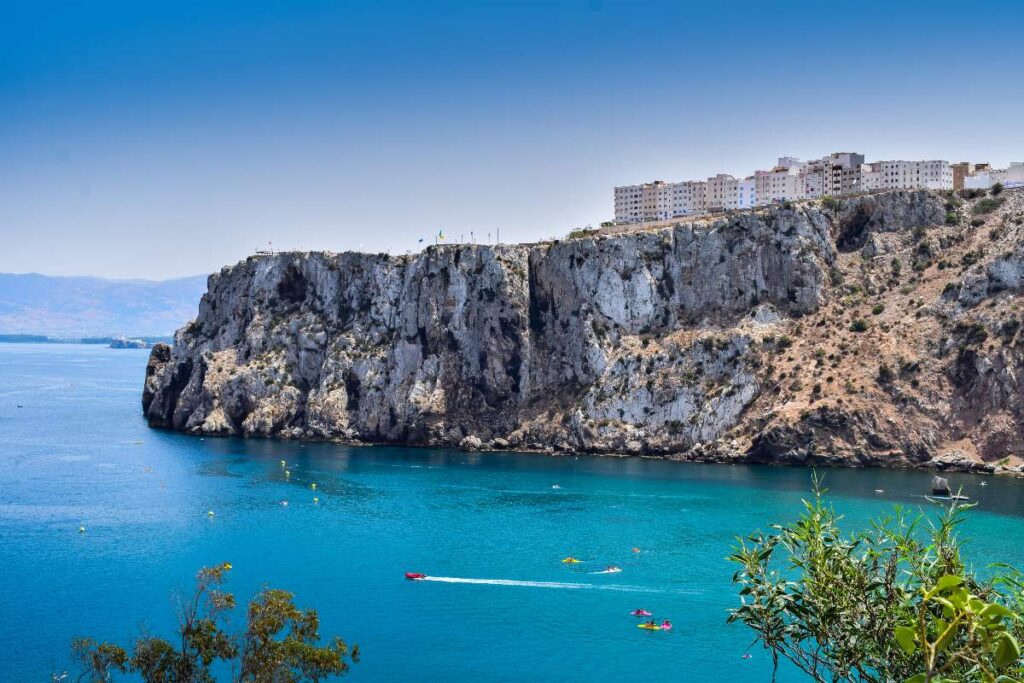
Al Hoceima National Park – Morocco’s Mediterranean Coastal and Mountain Treasure
Tucked away in the northern reaches of Morocco, where the rugged Rif Mountains plunge into the Mediterranean Sea, lies the breathtaking Al Hoceima National Park. This park is a rare combination of mountain and marine beauty — a place where forested peaks meet turquoise coves, cliffs rise dramatically from the water, and wildlife thrives in both land and sea. Established in 2004, Al Hoceima National Park covers nearly 470 square kilometers and stands as one of Morocco’s most important protected areas, balancing biodiversity conservation, tourism, and traditional local life. It’s an ideal destination for hikers, divers, birdwatchers, and anyone seeking peace in nature’s embrace.
Key Facts and Figures of Al Hoceima National Park
- Location: Northern Morocco, near the city of Al Hoceima, in the Rif Mountains along the Mediterranean coast.
- Established: 2004 by the High Commission for Water and Forests.
- Total Area: Approximately 470 km² (280 km² land, 190 km² marine).
- Altitude Range: Sea level to about 800 meters in the Rif Mountains.
- Habitat Types: Coastal cliffs, marine meadows, oak and pine forests, and inland valleys.
- Main Species: Mediterranean monk seal, Barbary macaque, bottlenose dolphin, Bonelli’s eagle, Audouin’s gull, Aleppo pine.
- Climate: Mild Mediterranean – cool, wet winters; dry, warm summers.
- Best Time to Visit: April to October for ideal hiking and marine conditions.
Landscape and Ecosystems
The park’s geography is one of remarkable contrasts. On land, the Rif Mountains form a series of rolling hills and dramatic limestone cliffs that plunge directly into the Mediterranean Sea. These cliffs, dotted with caves and small waterfalls, are among the park’s most distinctive features. Forests of Aleppo pine, evergreen oak, juniper, and wild olive trees blanket much of the highlands, creating a green belt that stabilizes the soil and provides vital habitat for wildlife.
The marine zone, which makes up about one-third of the park, is equally impressive. It includes crystal-clear waters, rocky reefs, and Posidonia oceanica meadows — underwater grasslands that serve as nurseries for fish and oxygen producers for the sea. These underwater ecosystems are essential to the health of the Mediterranean and have earned Al Hoceima recognition as an international biodiversity hotspot.
Wildlife and Biodiversity
Land Animals
Al Hoceima National Park supports more than 70 species of mammals, reptiles, and amphibians. The most famous resident is the Barbary macaque — North Africa’s only native monkey and a symbol of Morocco’s wild heritage. These playful primates thrive on the park’s forested slopes, often seen foraging in family groups. Other mammals include wild boars, genets, jackals, and hares, while reptiles such as tortoises and lizards are abundant in the sunlit rocky terrain.
Birdlife
With over 200 recorded bird species, Al Hoceima is one of North Africa’s premier birdwatching destinations. During spring and autumn migrations, thousands of seabirds and raptors cross this vital coastal corridor. Notable residents include Bonelli’s eagles, Audouin’s gulls, ospreys, and European shags nesting along the cliffs. Within the forests, visitors may spot colorful species such as woodpeckers, warblers, and bee-eaters. Few places offer the opportunity to see both mountain and marine birds in a single day.
Marine Life
Beneath the Mediterranean’s surface lies a vibrant marine ecosystem. The park’s waters harbor bottlenose and common dolphins, loggerhead sea turtles, and colorful reef fish, alongside the critically endangered Mediterranean monk seal. Once nearly extinct, a small number of these seals have returned to the sea caves around Bades and Cala Iris to rest and breed. The seagrass meadows of Posidonia provide food and refuge for countless species, including octopuses, starfish, and sponges — making Al Hoceima a paradise for snorkelers and divers.
Top Activities and Experiences in Al Hoceima National Park
1. Hiking and Trekking in the Rif Mountains
Al Hoceima offers some of Morocco’s most scenic hiking routes, winding through forested hills and coastal ridges. Trails such as Torres de Alcala to Cala Iris Bay pass through pine forests and wildflower meadows before opening to panoramic sea views. Adventurous hikers can climb Mount Bokkoya for breathtaking 360-degree vistas of the Rif Mountains and the Mediterranean. Guided hikes are available for those interested in the park’s ecology, plant life, and traditional Amazigh (Berber) culture.
2. Boat Excursions and Dolphin Watching
Boat trips are among the park’s most memorable experiences. Departing from Al Hoceima’s harbor or Cala Bonita Beach, these excursions follow the rugged coastline lined with cliffs and sea caves. Early morning and sunset cruises frequently encounter pods of playful dolphins gliding alongside the boats — a thrilling reminder of the park’s rich marine life.
3. Snorkeling and Diving
The marine section of Al Hoceima National Park boasts some of the clearest waters in the Mediterranean, with visibility often exceeding 20 meters. Snorkelers and divers can explore reefs teeming with colorful fish, sea anemones, and coral-like formations. Local dive centers in Al Hoceima and Ajdir offer guided dives, equipment rental, and PADI certification courses. The reefs near Cala Iris and Sfiha Beach are especially rich in marine biodiversity.
4. Beach Relaxation and Swimming
The park’s beaches are pristine and tranquil, ideal for relaxation. Cala Bonita, Tala Youssef, and Quemado Beach are among the most popular, offering fine sand, turquoise water, and safe swimming conditions. These beaches are family-friendly and perfect for kayaking, sunbathing, or simply watching the sunset paint the cliffs in golden hues.
5. Birdwatching Tours
Birdwatching is a highlight for many visitors, particularly during spring and autumn migrations. Guided tours take travelers to Cap Kalaa and the forests around Bades, where early mornings reveal ospreys diving for fish and eagles circling above the sea. Whether on the cliffs or forest trails, birdwatching in Al Hoceima delivers incredible diversity within compact distances.
6. Kayaking and Coastal Exploration
Kayaking along Al Hoceima’s coastline allows visitors to discover hidden beaches and sea caves unreachable by land. The route from Sfiha to Cala Bonita offers calm waters and the chance to spot dolphins and seabird colonies. Morning excursions are ideal before coastal winds rise later in the day.
7. Cultural Encounters in Rif Villages
The surrounding Rif villages offer warm hospitality and an authentic cultural experience. Travelers can visit Amazigh homes to learn about traditional bread baking, sample locally made olive oil and honey, or purchase woven baskets from women’s cooperatives. These visits not only enrich travelers’ understanding of local traditions but also directly benefit the communities that help protect the park.
8. Rock Climbing and Adventure Sports
Al Hoceima’s limestone cliffs are a playground for climbers and adventure enthusiasts. Routes have been established around Cala Iris and Bades Bay for rock climbing and abseiling, with safety equipment provided by licensed guides. Paragliding and mountain biking are also gaining popularity, offering thrilling views of the Mediterranean landscape.
9. Eco-Education and Conservation Tours
Visitors can participate in conservation activities that showcase the park’s environmental efforts. Rangers and local NGOs organize eco-tours focused on marine restoration, waste management, and sustainable fishing practices. Educational programs and beach cleanups allow travelers to contribute to the protection of Morocco’s Mediterranean heritage.
10. Photography and Scenic Viewpoints
With its blend of rugged cliffs, blue waters, and forested hills, Al Hoceima is a photographer’s dream. The light at sunrise and sunset transforms the landscape into a masterpiece of colors. Popular viewpoints include Torres de Alcala, Mount Bokkoya, and the cliffs above Cala Iris — perfect for capturing the park’s wild beauty and Mediterranean charm.
Accommodation and Visitor Facilities
Accommodation options near Al Hoceima cater to all types of travelers. Luxury seekers can stay at Mercure Quemado Resort or Suites Hotel Mohamed V, both offering stunning sea views and modern amenities. Eco-lodges and guesthouses in Ajdir and Cala Iris provide a quieter, nature-immersed experience, while campsites near Tala Youssef appeal to backpackers and adventurers. In Al Hoceima City, restaurants serve fresh seafood, tagines, and couscous dishes infused with local honey, almonds, and olive oil.
Best Time to Visit Al Hoceima National Park
The park is open year-round, but the most pleasant months are from April to October. Spring (March–May) brings mild temperatures and blooming wildflowers, ideal for hiking and birdwatching. Summer (June–August) offers warm seas for snorkeling, swimming, and boating. Autumn (September–October) provides excellent weather with fewer visitors, while winter remains mild, averaging 15–20°C — perfect for scenic drives and cultural exploration.
Getting There and Accessibility
Al Hoceima National Park is easily accessible from the nearby city of Al Hoceima. Cherif Al Idrissi Airport connects the region with Casablanca and Tangier through regular domestic flights. By road, visitors can reach the park via the N2 highway — about 3 hours from Nador, 5 hours from Tetouan, or 7 hours from Fez. Local taxis, rental cars, and organized tours are available, and boat transfers from Quemado Harbor provide access to marine zones and coastal coves.
Conservation and Management
The park is managed by the High Commission for Water and Forests, with support from international conservation organizations. Its goals include protecting the Mediterranean monk seal, restoring degraded habitats, and promoting sustainable tourism. Local fishermen receive training in eco-friendly practices, while patrols monitor illegal fishing and pollution. Through education, employment, and eco-tourism revenue, nearby communities actively participate in conservation, making Al Hoceima a model for integrated coastal management in Morocco.
Key Species to Look Out For
- Mediterranean monk seal – one of the world’s rarest marine mammals.
- Bottlenose dolphin – commonly spotted during coastal boat tours.
- Barbary macaque – playful primates thriving in the park’s forests.
- Bonelli’s eagle – majestic raptor nesting along the cliffs.
- Audouin’s gull – rare seabird endemic to the Mediterranean region.
- Aleppo pine forests – vital habitats supporting birdlife and soil stability.
Frequently Asked Questions about Al Hoceima National Park
What makes Al Hoceima National Park unique?
It’s the only national park in Morocco that seamlessly combines mountains, forests, and marine ecosystems — creating unmatched diversity in one protected area.
Can I see dolphins or monk seals in the park?
Yes. Dolphins are frequently sighted on boat excursions, and while rare, monk seals occasionally rest or breed in secluded caves around Bades and Cala Iris.
Is Al Hoceima National Park safe for visitors?
Absolutely. The park is well-managed and safe for travelers. Roads, trails, and beaches are maintained by local authorities, and guided activities ensure responsible and enjoyable exploration.
Are there hiking guides available?
Yes. Park rangers and certified guides offer hiking, birdwatching, and boat excursions. A local guide enriches the experience by sharing ecological insights and cultural stories.
What should I pack for a visit?
Comfortable hiking shoes, sunscreen, a hat, swimwear, binoculars for birdwatching, and a camera for capturing the park’s stunning viewpoints are highly recommended.
Why Visit Al Hoceima National Park
Al Hoceima National Park is a rare Mediterranean treasure where mountains, forests, and sea coexist in harmony. It combines the serenity of pristine beaches with the thrill of outdoor adventure and the warmth of Moroccan culture. Whether you’re hiking coastal trails, kayaking through hidden coves, or observing dolphins at sunrise, every experience here connects you to the natural rhythm of Morocco’s wild north.
Conclusion
Al Hoceima National Park stands as a jewel of northern Morocco — where the Rif Mountains kiss the Mediterranean and life thrives both above and below the waves. Its blend of marine sanctuaries, mountain trails, and local traditions makes it one of the most rewarding destinations in the country. With eco-tourism on the rise and strong community involvement, Al Hoceima represents the future of sustainable adventure in Morocco: wild, welcoming, and full of life.