
Amboseli National Park
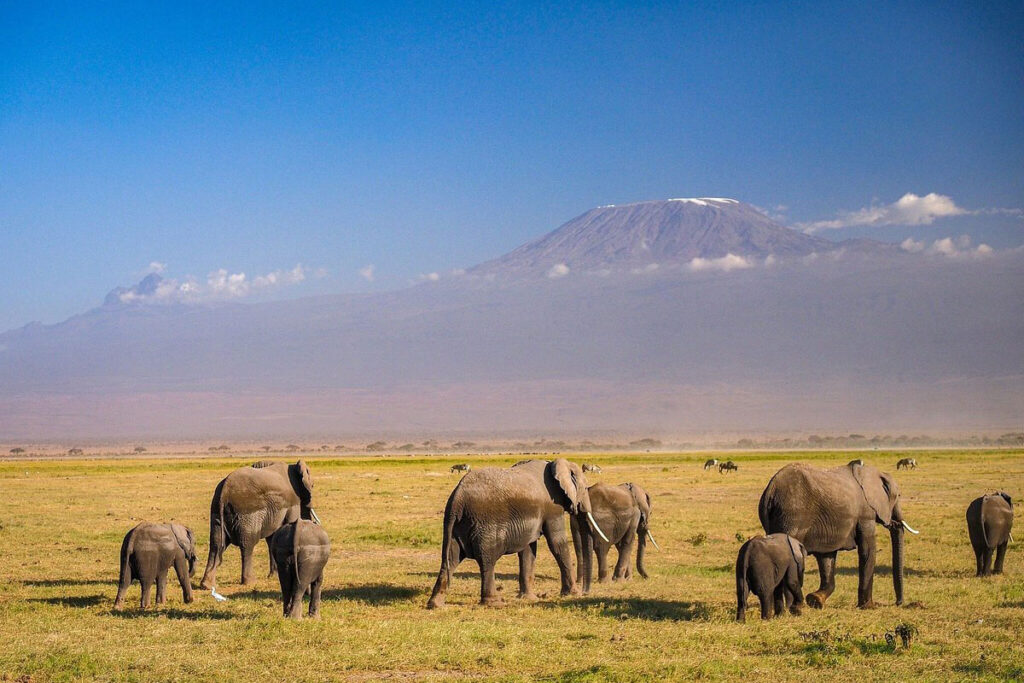
Amboseli National Park – Kenya’s Timeless Land of Giants Beneath Mount Kilimanjaro
Nestled at the foot of Mount Kilimanjaro on Kenya’s southern border, Amboseli National Park is one of Africa’s most iconic safari destinations. Renowned for its vast herds of free-ranging elephants and sweeping views of the snow-capped mountain, Amboseli is a living postcard of wild Africa. The park’s open savannas, seasonal wetlands, and acacia woodlands support a stunning diversity of wildlife. Here, elephants march across golden plains, lions stalk silently through the grass, and flamingos gather in shimmering salt pans — all set against the breathtaking backdrop of Africa’s tallest mountain.
Key Facts and Figures
- Location: Loitoktok District, Kajiado County, southern Kenya – near the Tanzanian border.
- Size: 392 km² (151 square miles).
- Established: 1974; UNESCO Biosphere Reserve designation in 1991.
- Altitude: 1,180 to 1,600 meters above sea level.
- Main Habitats: Open grasslands, acacia woodland, marshes, and the dry bed of Lake Amboseli.
- Major Attractions: Elephants, Mount Kilimanjaro views, Maasai culture, Observation Hill, and birdlife.
- Best Time to Visit: June–October and January–February (dry seasons).
Geography, Ecosystem, and Hydrology
Amboseli’s unique landscape lies within the eastern branch of the Great Rift Valley system. Despite being semi-arid, the park is sustained by a hidden hydrological network fed by underground streams from Mount Kilimanjaro’s melting glaciers. These waters emerge in lush green swamps such as Enkongo Narok and Ol Tukai, transforming Amboseli into a life-sustaining oasis where animals congregate during the dry season.
The park’s name comes from the Maasai word “Empusel,” meaning “salty, dusty place.” During the dry months, dust devils swirl across the desiccated bed of Lake Amboseli, while the rainy season transforms the area into shallow, glimmering lakes that attract pelicans, flamingos, and other waterbirds. This rhythmic cycle between drought and abundance defines Amboseli’s natural charm, creating ever-changing wildlife scenes.
Wildlife and Biodiversity in Amboseli
The Iconic Elephants of Amboseli
Amboseli National Park is world-famous for its elephants — some of the largest and most studied in Africa. The Amboseli Elephant Research Project, founded in 1972 by Dr. Cynthia Moss, has followed more than 1,600 individuals, providing groundbreaking insights into elephant family bonds, social behavior, and intelligence. Watching these majestic animals move gracefully across the plains, with Kilimanjaro’s snowy peak rising behind them, is one of Africa’s most unforgettable safari moments.
Other Mammals and Predators
Beyond elephants, Amboseli supports more than 80 species of mammals. Lions, leopards, and cheetahs patrol the plains, while spotted hyenas, jackals, and serval cats add to the predator diversity. Herds of zebras, wildebeests, gazelles, buffaloes, and giraffes graze across the savanna, often followed by opportunistic predators. In the wetlands, hippos wallow lazily, and waterbucks feed along the grassy shores. The park’s open terrain and excellent visibility make it one of Kenya’s best places for observing wildlife interactions up close.
Birdlife
With over 420 recorded bird species, Amboseli ranks among East Africa’s top birding destinations. Flamingos, pelicans, herons, and egrets flock to the seasonal lakes, while secretary birds and martial eagles dominate the skies. Colorful species such as crowned cranes, bee-eaters, and superb starlings brighten the grasslands and acacia trees. The best birdwatching occurs between November and April, when migratory species from Europe and Asia visit the park.
Unique Ecosystem Dynamics
Amboseli forms part of a broader ecological corridor that extends into Tanzania’s Kilimanjaro and Longido ecosystems. Through the Kimana Wildlife Corridor, elephants and other species migrate seasonally between Amboseli and Tsavo West National Park. Community conservancies bordering the park ensure these routes remain open, safeguarding both biodiversity and Maasai pastoral livelihoods.
Top Things to Do in Amboseli National Park
1. Game Drives and Wildlife Safaris
Game drives are the essence of an Amboseli safari. Morning drives reveal predators on the prowl and elephant herds heading to the swamps, while afternoon drives showcase golden sunsets over the plains. Popular routes include Ol Tukai Swamp, Sinet Delta, and the grasslands beneath Observation Hill. The open terrain provides near-guaranteed sightings of elephants, buffaloes, zebras, and giraffes.
2. Observation Hill Lookout
Observation Hill offers panoramic views of Amboseli’s landscape, Lake Amboseli, and Mount Kilimanjaro’s majestic silhouette. It’s the only area in the park where visitors can leave their vehicles and walk to the summit. This vantage point is particularly magical at sunset, when animals gather below at waterholes and the fading light casts a golden hue over the plains.
3. Elephant Watching and Photography
Amboseli is a paradise for photographers. The elephants are so accustomed to safari vehicles that they often approach within meters, providing exceptional photo opportunities. Early mornings are perfect for capturing silhouettes of elephants against Kilimanjaro’s glowing peaks, while the swamps offer striking reflection shots of elephants bathing or feeding.
4. Birdwatching and Wetland Walks
Birdwatching safaris in Amboseli National Park focus on its marshes and seasonal lakes, home to over 400 species. The Ol Tukai and Enkongo Narok swamps are prime sites for herons, jacanas, and kingfishers, while the surrounding woodlands attract hornbills and rollers. With binoculars and a zoom lens, birders can enjoy close encounters with both resident and migratory species.
5. Cultural Encounters with the Maasai
Amboseli sits within the heart of Maasai country. Visiting a local Maasai village offers deep insight into traditional life and cultural heritage. Guests can participate in dance performances, learn about beadwork and pastoral customs, and understand how the Maasai have coexisted with wildlife for centuries. These cultural visits also directly support community-based conservation projects.
6. Scenic Flights and Hot Air Balloon Rides
A scenic flight or hot-air balloon ride reveals Amboseli’s vast beauty from above. Floating silently at sunrise, visitors can admire the winding swamps, glowing plains, and Kilimanjaro’s snow-covered summit in the distance. Most balloon safaris end with a bush breakfast on the savanna — an unforgettable highlight for any visitor.
7. Nature Walks in Nearby Conservancies
Walking safaris are not permitted inside the main park, but surrounding conservancies such as Selenkay and Kimana offer guided walks led by Maasai naturalists. These walks focus on tracking animal footprints, identifying medicinal plants, and interpreting the ecosystem from a local perspective — providing a more intimate connection with the land.
8. Night Game Drives (in Conservancies)
Outside Amboseli’s main boundaries, night drives reveal the park’s nocturnal side. Using infrared spotlights, visitors may see genets, civets, aardvarks, porcupines, and even elusive species like the serval or white-tailed mongoose. This activity offers a completely different perspective of Amboseli’s ecosystem.
9. Conservation and Research Experiences
Visitors can learn about ongoing research and conservation work through the Amboseli Elephant Research Project or organizations like the Big Life Foundation. These programs highlight anti-poaching efforts, habitat restoration, and human-wildlife conflict solutions. Such educational tours give travelers a meaningful understanding of Amboseli’s ecological significance.
10. Photography Safaris
Amboseli is a dream destination for photographers seeking dramatic scenery and wildlife action. Favorite photo spots include Sinet Delta for flamingos and giraffes, Enkongo Narok swamp for elephants, and Observation Hill for panoramic landscapes. Morning and evening light provide soft tones that enhance every frame.
Accommodation in and Around Amboseli
Amboseli offers a range of accommodations for every budget. Luxury lodges such as Ol Tukai Lodge, Amboseli Serena Safari Lodge, and Tawi Lodge offer premium comfort and breathtaking views of Mount Kilimanjaro. Mid-range travelers can enjoy stays at Kibo Safari Camp or AA Lodge Amboseli, while budget options like Kimana Camp and Kenya Wildlife Service campsites provide affordability without sacrificing the experience. Many lodges are eco-friendly and work with local Maasai communities to support sustainable tourism.
Best Time to Visit Amboseli National Park
Amboseli is open year-round, but the dry seasons — from June to October and January to February — are best for game viewing, as wildlife concentrates around the swamps. During the green season (March–May and November–December), the park transforms into lush, vibrant grasslands, attracting migratory birds and offering outstanding photography conditions. Clear views of Mount Kilimanjaro are most common in the early mornings.
Park Entrances and Travel Information
- Main Gates: Kimana Gate (east), Meshanani Gate (west), Iremito Gate (northeast), Kitirua Gate (south), and Kelunyet Gate (north).
- Distance from Nairobi: 240 km (approximately 4 hours by road).
- By Air: Daily flights from Nairobi’s Wilson Airport (40–50 minutes) land at Amboseli Airstrip.
- Entrance Fees (KWS 2025): USD 60 per adult per day (non-residents), USD 30 (residents), USD 10 (citizens).
Safari Itinerary Ideas
- 2-Day Classic Amboseli Safari – Game drives, Observation Hill, and Maasai cultural visit.
- 3-Day Amboseli Explorer – Includes conservation experiences and a hot-air balloon ride.
- 7-Day Southern Kenya Circuit – Combine Amboseli with Tsavo West, Chyulu Hills, and Nairobi National Park.
Conservation and Community Involvement
Amboseli’s success is built on strong partnerships between the Kenya Wildlife Service and local Maasai communities. Organizations like Big Life Foundation and Amboseli Trust for Elephants have made huge strides in reducing poaching, mitigating human-wildlife conflict, and improving community welfare through eco-tourism revenue. These initiatives fund schools, water projects, and healthcare facilities, proving that wildlife conservation can directly enhance local livelihoods.
Practical Tips for Visitors
- Carry binoculars, sunscreen, a camera with a zoom lens, and neutral-colored clothing.
- Book your safari early during the peak season (July–October).
- Use a 4×4 vehicle in wet seasons for swampy terrain.
- Respect wildlife viewing distances and maintain silence near animals.
- Best viewing times: early morning (6:00–9:00 am) for clear Kilimanjaro views and active wildlife.
Frequently Asked Questions
What makes Amboseli National Park special?
Amboseli’s unique blend of abundant elephants, easy wildlife sightings, and panoramic views of Mount Kilimanjaro makes it one of the most photogenic safari parks in Africa.
Can I see Mount Kilimanjaro clearly from Amboseli?
Yes, Kilimanjaro is best seen in the early morning or late afternoon, especially during the dry season when the air is clear and the summit stands out vividly.
How many elephants are in Amboseli?
Amboseli is home to over 1,500 elephants — one of the largest and most intensively studied populations in Africa, with many individuals recognized by researchers.
Is Amboseli suitable for first-time safari travelers?
Absolutely. Its compact size, open visibility, and rich wildlife make Amboseli ideal for first-time visitors seeking a rewarding and accessible safari experience.
What other parks can be combined with Amboseli?
Amboseli connects seamlessly with Tsavo West, Chyulu Hills, and Nairobi National Park. Travelers can also extend their journeys across the border into Tanzania’s Kilimanjaro or Serengeti ecosystems.
Why Visit Amboseli National Park
Amboseli is more than a safari park — it is the soul of Africa captured in a single landscape. Its elephants symbolize wisdom and family, its scenery embodies harmony, and its people reflect the deep cultural roots of coexistence with nature. Whether you seek adventure, photography, or cultural immersion, Amboseli promises a safari experience that stays with you forever.
Conclusion
Amboseli National Park stands as one of Kenya’s most treasured destinations — a place where the snows of Kilimanjaro meet the golden plains of East Africa. It’s a timeless land of giants, where elephants roam free, Maasai traditions endure, and conservation thrives. Visiting Amboseli is more than a journey; it’s a chance to witness nature’s power, balance, and beauty in its purest form.