
Andringitra National Park
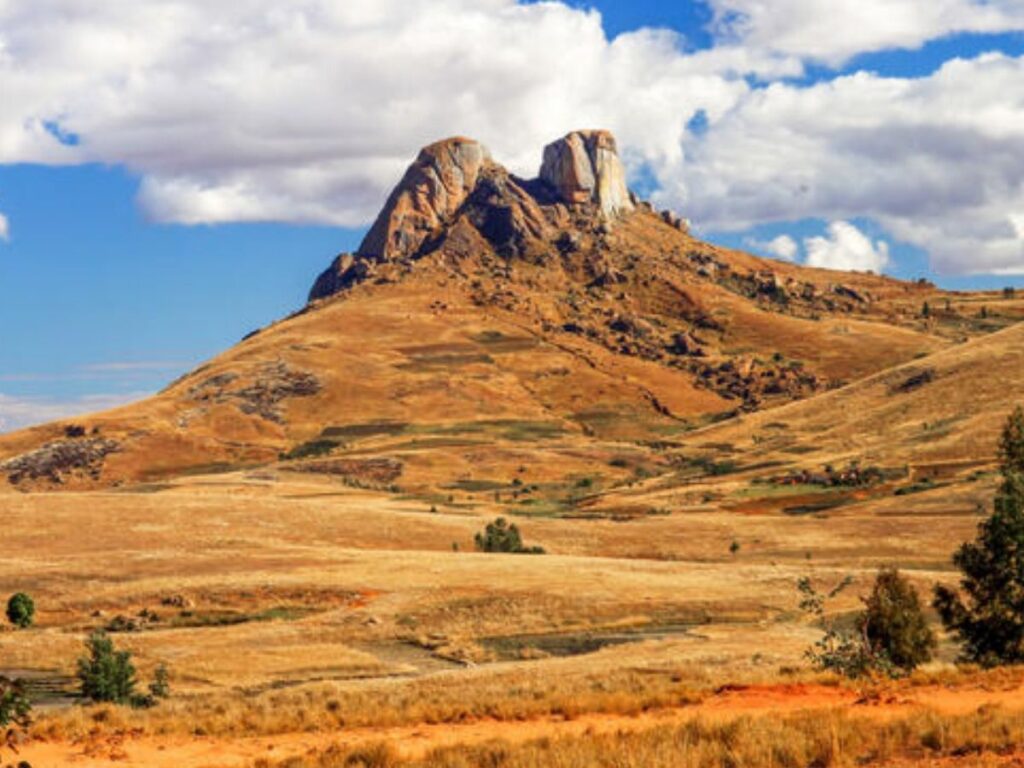
Andringitra National Park – Madagascar’s Hidden Mountain Paradise of Peaks, Lemurs, and Adventure
Nestled in the southeastern highlands of Madagascar, Andringitra National Park is one of the island’s most breathtaking and diverse destinations. This UNESCO World Heritage Site, established in 1999, combines towering granite peaks, misty rainforests, and sweeping highland plateaus into a landscape of rare beauty. With its challenging treks, spectacular waterfalls, and extraordinary biodiversity, Andringitra offers a rare experience for those seeking both adventure and serenity. It’s home to Madagascar’s second-highest peak, Pic Boby (Imarivolanitra), which stands at 2,658 meters, and is the ultimate destination for hikers, climbers, and nature enthusiasts.
Quick Facts and Visitor Overview
- Location: Near Ambalavao in Fianarantsoa Province, southeastern Madagascar.
- Size: 311 km² (120 square miles).
- Established: 1999; part of the Rainforests of the Atsinanana UNESCO World Heritage Site.
- Altitude Range: 650 to 2,658 meters (2,132 to 8,720 feet).
- Main Features: Pic Boby, Tsaranoro Valley, Riambavy and Riandahy waterfalls, rainforest, granite cliffs, and high-altitude grasslands.
- Activities: Trekking, camping, rock climbing, lemur watching, photography, and cultural experiences.
- Best Time to Visit: April–November (dry season).
Geography and Landscape
Andringitra lies between Madagascar’s central highlands and the eastern rainforest belt, forming part of the great granite backbone of the island. Its terrain is dominated by towering cliffs, deep valleys, and vast plains dotted with giant boulders. The park’s most famous landmark, Pic Boby, often appears shrouded in clouds, creating an otherworldly atmosphere. Below, rivers carve through the forested valleys, feeding majestic waterfalls such as Riambavy and Riandahy — twin cascades that drop over 300 meters, surrounded by lush ferns and orchids.
The park’s climate is equally diverse. The lower valleys are warm and humid, nurturing dense rainforests filled with wildlife, while the higher elevations are cool, often windy, and occasionally frosty at night. This variation creates distinct ecosystems stacked vertically, supporting a remarkable array of life. The region’s ancient granite formations are among the oldest in the world, shaped by millennia of erosion into surreal domes and ridges that glisten at sunrise and sunset.
Biodiversity and Ecosystem
Andringitra National Park is a biodiversity hotspot, harboring more than 1,000 plant species, 13 lemur species, and hundreds of bird, reptile, and amphibian species. Its unique combination of habitats — rainforest, savanna, and high-mountain moorland — supports life forms found nowhere else on Earth. Scientists consider Andringitra a natural laboratory of evolution, representing Madagascar’s ecological transition from humid forest to arid plateau.
Lemurs and Mammals
The park’s forests and cliffs are alive with lemurs, Madagascar’s most iconic creatures. Visitors can encounter ring-tailed lemurs basking on sun-warmed rocks, Verreaux’s sifakas leaping gracefully through trees, and nocturnal species such as mouse lemurs darting between branches during night walks. The red-fronted brown lemur and southern bamboo lemur are also common in the lower forests. Other mammals include the Malagasy civet, endemic rodents, and insectivorous tenrecs that thrive in the cooler highlands.
Birds, Reptiles, and Amphibians
Birdwatching in Andringitra is exceptional. Over 100 species inhabit the park, many of them endemic to Madagascar. The Madagascar rock thrush, blue vanga, Madagascar kestrel, and forest fody are among the highlights. In the damp undergrowth, keen observers can spot vividly colored frogs such as the mantella, while the rocky outcrops host geckos, chameleons, and skinks that blend perfectly with their surroundings. Herpetologists regard Andringitra as one of the best sites in Madagascar for reptile and amphibian diversity.
Flora and Vegetation Zones
The park’s vegetation changes dramatically with altitude. The lower elevations are dominated by humid rainforest rich in orchids, tree ferns, and pandanus palms. As you climb higher, the vegetation transitions to montane forest filled with mosses and lichens, and eventually to high-altitude grasslands dotted with aloe, succulents, and the famous giant lobelias. During the dry season, these plateaus explode with color as alpine wildflowers bloom across the granite slopes.
Top Activities and Experiences in Andringitra National Park
1. Trekking and Climbing Pic Boby
Reaching the summit of Pic Boby is Andringitra’s most famous adventure. Standing at 2,658 meters, it’s the second-highest mountain in Madagascar and offers some of the island’s most breathtaking views. The trek usually takes two to three days, passing through rainforest, savanna, and alpine grassland. At the summit, hikers are rewarded with panoramic views stretching as far as Isalo’s sandstone cliffs and the Indian Ocean on clear days. Nights on the trail are cool, and camping beneath star-filled skies is an unforgettable experience.
2. Exploring Tsaranoro Valley
Located on the park’s western edge, Tsaranoro Valley is a landscape of towering granite domes, open plains, and small villages. Often compared to Yosemite Valley in the United States, it’s a paradise for hikers, rock climbers, and photographers. The valley is home to numerous lemur groups and offers trails that range from gentle walks to full-day hikes. The Sacred Forest Trail is particularly rewarding, combining scenic beauty with cultural heritage as local guides share legends about ancestral spirits and sacred rocks.
3. Rock Climbing and Adventure Sports
Andringitra is internationally recognized for its rock-climbing potential. The Tsaranoro Massif attracts climbers from around the world, offering dozens of established routes on vertical granite walls, including “Out of Africa,” one of Madagascar’s most famous multi-pitch climbs. Bouldering and abseiling are also available, and local guides ensure safety for climbers of all levels. For those seeking more adrenaline, nearby operators offer paragliding experiences over the valley’s vast expanse.
4. Waterfall and River Walks
The park’s rivers feed some of Madagascar’s most spectacular waterfalls. The twin Riambavy and Riandahy Falls plunge side by side through forested cliffs, creating misty rainbows visible from afar. Guided hikes lead to the falls and several hidden pools ideal for a refreshing swim after a long trek. The sound of cascading water and the surrounding birdlife make these spots perfect for relaxation and photography.
5. Cultural Encounters with Betsileo and Bara Communities
Andringitra lies at the crossroads of two ethnic groups — the Betsileo, known for their intricate rice terraces, and the Bara, traditional cattle herders of the southern highlands. Cultural tours allow visitors to experience daily village life, learn about traditional farming, and participate in local music and dance. Guides explain the importance of fady (taboos) and ancestral customs that help preserve the landscape. Supporting these communities through visits or craft purchases contributes directly to conservation and local development.
6. Camping and Stargazing
Camping in Andringitra is a magical experience. With minimal light pollution, the night sky bursts with stars, and the Milky Way stretches vividly overhead. Campsites such as Andohariana, Morarano, and Camp Catta are popular bases for trekkers. The cool, crisp air and surrounding wilderness make every night in the park feel remote and untouched. For nature photographers, early morning fog and the golden light of dawn create perfect shooting conditions.
7. Photography and Eco-Tourism
Andringitra offers endless photography opportunities — from the silver-grey granite domes of Tsaranoro to the emerald rainforest valleys below. Professional photographers often describe it as Madagascar’s most cinematic park. Eco-tourism here emphasizes sustainability; local guides and lodges operate under low-impact principles, ensuring that tourism benefits both the environment and the communities that protect it.
Park Entry Fees and Permits
All visitors must obtain a permit through Madagascar National Parks (MNP). As of 2025, entry costs approximately USD 15 for international visitors. Hiring a certified guide is mandatory and enhances the experience with local knowledge about wildlife and culture. Porters are available for multi-day treks, and camping gear can be rented in Ambalavao or at the park entrance. Fees directly support conservation and community initiatives.
Accommodation and Facilities
Accommodation options near Andringitra range from comfortable eco-lodges to rustic campsites. Camp Catta and Tsara Camp in the Tsaranoro Valley offer cozy bungalows with views of the cliffs, while Riambavy Lodge provides an authentic mountain retreat. Inside the park, designated campsites like Andohariana and Morarano cater to trekkers, offering basic amenities such as water, toilets, and fire pits. Most lodges serve local Malagasy cuisine and assist in organizing treks, climbs, and transfers.
How to Get There
Andringitra National Park is about 47 kilometers south of Ambalavao and 150 kilometers from Fianarantsoa. From Fianarantsoa, travelers can drive or take a taxi-brousse to Ambalavao (2–3 hours), then hire a 4×4 vehicle to reach the Namoly or Tsaranoro park entrances (another 3–4 hours). Those traveling from Antananarivo can reach Ambalavao in about 10 hours along the scenic RN7 highway, which also passes Ranomafana and Isalo National Parks — making Andringitra an ideal stop on a southern Madagascar circuit.
Best Time to Visit Andringitra National Park
The dry season (April–November) offers the best hiking and climbing conditions, with clear skies and comfortable temperatures. The cool, dry months from June to September are perfect for summit treks and long-distance hikes. The rainy season (December–March) brings lush vegetation and fuller waterfalls but makes some trails slippery. Even during the wet months, short hikes and cultural visits remain enjoyable.
Nearby Attractions and Suggested Itineraries
- Ranomafana National Park: A rainforest wonderland famous for golden bamboo lemurs, located north of Andringitra.
- Anja Community Reserve: Near Ambalavao, known for close-up encounters with ring-tailed lemurs and community-led conservation.
- Isalo National Park: Southwest of Andringitra, featuring sandstone canyons, natural pools, and desert landscapes — perfect for a combined highland-to-savanna adventure.
Conservation and Community Involvement
Andringitra is managed by Madagascar National Parks in partnership with local communities and NGOs. Conservation programs focus on habitat restoration, reforestation, and sustainable farming. Tourism revenue supports schools, health clinics, and environmental education. By trekking with local guides and staying in community-owned lodges, visitors actively contribute to the preservation of this fragile mountain ecosystem.
Travel Essentials
- Carry warm layers and waterproof gear — temperatures can drop sharply at night.
- Wear sturdy hiking boots and bring trekking poles for steep sections.
- Bring cash, as there are no ATMs near the park.
- Book accommodation and guides in advance, especially in the dry season.
- Respect local customs and sacred areas; ask before taking photos of people.
Frequently Asked Questions
How long should I spend in Andringitra?
Spend at least three days to explore the park’s highlights — one day for the Tsaranoro Valley, one for the waterfalls, and one for the Pic Boby summit trek. Longer stays allow for cultural visits and extended hiking routes.
Is Andringitra suitable for beginners?
Yes. While the summit trek is moderately challenging, many shorter trails are ideal for beginners or families, offering lemur sightings and scenic viewpoints without steep climbs.
Are there any safety concerns?
The park is safe and well-supervised by guides and rangers. Visitors should, however, prepare for remote conditions — limited mobile signal, basic facilities, and cool temperatures at night.
Can I visit year-round?
Yes, but the dry months (April–November) offer the best conditions for trekking and photography. The rainy season is ideal for botanists and those seeking lush scenery.
What makes Andringitra unique?
It’s one of the few places in Madagascar where you can climb mountains, explore rainforests, watch lemurs, and experience traditional culture — all within one park. Its combination of adventure, biodiversity, and solitude is unmatched.
Why Visit Andringitra National Park
Andringitra National Park is a destination of discovery and balance — a meeting place of land and sky, people and nature. It offers world-class hiking, rare wildlife, and authentic Malagasy culture far from the tourist crowds. For travelers seeking adventure with purpose, Andringitra embodies the essence of eco-tourism: wild, welcoming, and wonderfully unspoiled.
Conclusion
From the mist-shrouded summit of Pic Boby to the serene valleys below, Andringitra National Park captures the heart of Madagascar’s wilderness. Its granite cliffs, cascading waterfalls, and welcoming communities create an experience that is both humbling and inspiring. To visit Andringitra is to walk through a living tapestry of geology, ecology, and culture — a reminder that Madagascar remains one of the most extraordinary destinations on Earth.