
Arly National Park
Arly National Park – Burkina Faso’s Hidden Gem in the W-Arly-Pendjari Complex
In the far southeast of Burkina Faso, where the golden savannas meet dense riverine forests, lies Arly National Park—a wild and untamed landscape that forms part of the world-renowned W-Arly-Pendjari Complex (WAP). This UNESCO World Heritage Site stretches across Burkina Faso, Benin, and Niger, creating one of West Africa’s largest and most ecologically important protected areas. With its thriving elephant herds, rare West African lions, diverse birdlife, and scenic sandstone hills, Arly National Park is a paradise for nature lovers seeking authentic wilderness far from the crowds.
Overview and Location
Arly National Park, also called “Parc National d’Arly” or “Arli,” covers approximately 760 square kilometers in Tapoa Province, southeastern Burkina Faso. It borders Benin’s Pendjari National Park and Burkina’s Singou Reserve, forming part of a vast transboundary ecosystem crucial for West African wildlife migration. Established in 1954 and later incorporated into the W-Arly-Pendjari Biosphere Reserve, the park is managed by the Burkina Faso government in collaboration with conservation partners and local communities.
Landscape and Ecosystems
Arly National Park is a diverse mosaic of landscapes—open savannas, wooded grasslands, riverine forests, and striking sandstone plateaus known as the Gobnangou Hills. The Arly and Pendjari rivers cut through the park, forming lifelines that sustain wildlife throughout the dry season. During the rainy months, seasonal pools and floodplains burst into life, painting the savanna green and attracting herds of antelopes and flocks of migratory birds.
Its vegetation includes Sudanian woodland, dry forests of Isoberlinia and Combretum, and lush gallery forests along rivers—habitats that support both savanna and forest-dwelling species. This mix makes Arly a critical ecological bridge between the Sahel and the Guinean Forests of West Africa.
Wildlife in Arly National Park
Despite its remote location, Arly is one of the richest wildlife regions in West Africa. It’s home to a wide variety of large mammals, reptiles, and birds that thrive across its woodlands, wetlands, and rocky plains.
Elephants and Large Mammals
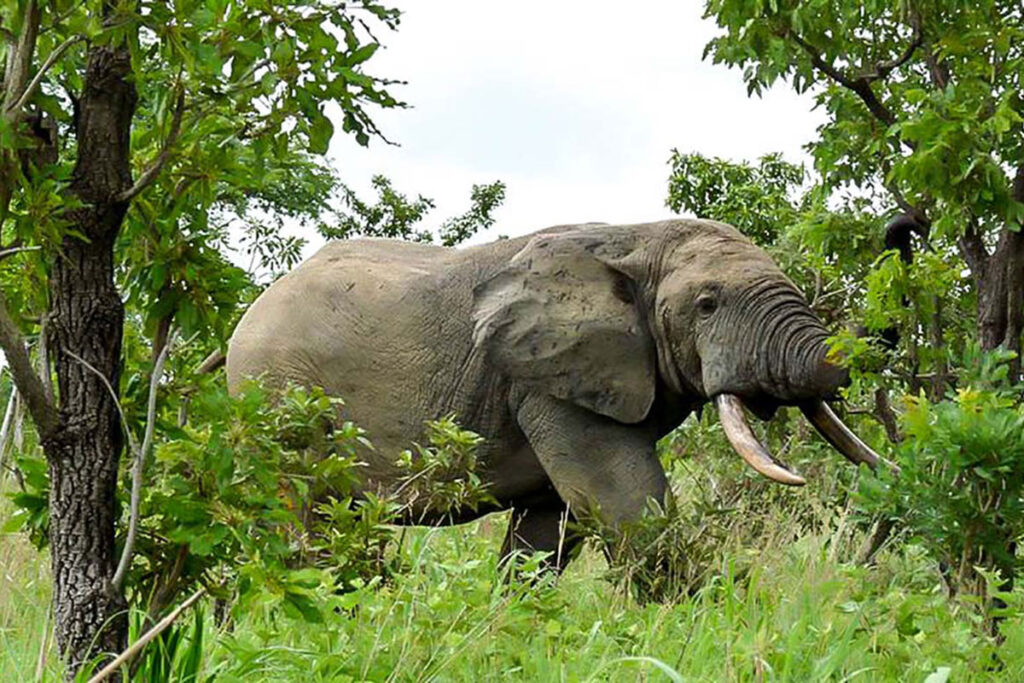
The park shelters significant herds of African elephants, often seen congregating near the Tounga waterhole and along the Arly River. These elephants are part of the region’s last strong West African population, moving seasonally between Burkina Faso, Benin, and Niger. Other notable species include buffaloes, hippos, warthogs, roan antelopes, hartebeests, baboons, and green monkeys. Predators such as lions, leopards, hyenas, and caracals still roam these lands, though sightings are rare due to the park’s vastness and dense terrain.
Birdlife
Arly National Park is a haven for birdwatchers, boasting over 360 recorded bird species. The wetlands and woodlands attract species such as the African fish eagle, bateleur, helmeted guineafowl, grey heron, black crowned crane, bee-eaters, and hornbills. During the rainy season, migratory species from Europe and North Africa flock to Arly’s rivers and marshes, making it one of Burkina Faso’s best birding destinations.
Reptiles and Amphibians
Arly’s wetlands and riverbanks support a variety of reptiles, including Nile crocodiles, monitor lizards, snakes, and several frog species that thrive in the park’s ponds and floodplains after rainfall. These lesser-seen species play an important role in the park’s food chain, supporting both birds and larger predators.
Top Activities and Experiences
1. Game Drives and Wildlife Viewing
Game drives are the highlight of any visit to Arly National Park. The main safari routes lead to watering points like Tounga and Kabonga, where elephants, buffaloes, and antelopes gather during the dry season. Early morning and late afternoon drives offer the best chances to see predators such as lions and hyenas. Because the park remains uncrowded, wildlife encounters here feel raw and intimate—perfect for photographers and wilderness enthusiasts.
2. Birdwatching Safaris
Arly is among the top birding destinations in the Sahel region. Guided birding walks along the riverbanks and floodplains allow visitors to spot everything from colorful bee-eaters and rollers to raptors like the African fish eagle. Bring binoculars and a field guide for the best experience—especially during the wet season, when migratory birds arrive in abundance.
3. Guided Nature Walks
In designated zones and with the company of park rangers, visitors can enjoy short walking safaris to explore the park’s smaller inhabitants—reptiles, butterflies, and birds—and learn about medicinal plants and tracking techniques used by local guides.
4. Cultural Visits and Local Communities
The park’s buffer zone is inhabited by friendly local communities, including the Gourmantché and Peul (Fulani) people. Cultural visits offer opportunities to experience traditional dance, taste local cuisine, and learn how communities are integrating sustainable agriculture and eco-tourism to coexist with wildlife.
5. Photography and Scenic Landscapes
Arly’s golden plains, sandstone hills, and riverine forests make it one of Burkina Faso’s most photogenic regions. Sunrise over the Gobnangou cliffs and sunset by the Tounga waterhole create postcard-perfect moments for photographers capturing Africa’s untamed beauty.
How to Get to Arly National Park
Arly is best accessed via the town of Diapaga, approximately 600 km east of Ouagadougou. The journey by road takes around 8–10 hours, passing through Fada N’Gourma and Pama. From Diapaga, a dirt road leads south to the park’s entrance, usually requiring a 4×4 vehicle—especially during the rainy season. Charter flights can also be arranged from Ouagadougou to nearby airstrips in Diapaga or Pama for those preferring shorter travel times.
Accommodation and Facilities
While Arly remains an off-the-beaten-path destination, visitors can find basic to mid-range accommodations near the park. The Hotel de la Tapoa and eco-lodges in Diapaga offer comfortable stays, while camping options inside the park allow for an immersive wilderness experience. Most lodges provide guided safaris, meals, and arrangements for local cultural tours. Visitors should bring essentials like insect repellent, sunscreen, and enough drinking water, as facilities are limited.
Climate and Best Time to Visit
Arly National Park experiences a tropical savanna climate with a dry season from November to April and a wet season from May to October. The dry season is best for game viewing, as animals gather near rivers and waterholes, and the terrain is easier to navigate. The wet season transforms the park into a lush paradise with excellent birding opportunities, though some roads become muddy or impassable.
Conservation and Management
Arly plays a vital role in West African wildlife conservation as part of the W-Arly-Pendjari Complex. Together, these parks protect over 30,000 km² of savanna ecosystem—home to the last viable populations of elephants, lions, cheetahs, and other large mammals in West Africa. Despite its global importance, the area faces challenges such as poaching, illegal grazing, and security threats. The High Commission for Water, Forests and Wildlife, alongside partners like the German Development Cooperation (GIZ) and UNESCO, supports anti-poaching patrols, ranger training, and sustainable community initiatives. Local people benefit through eco-tourism income, education programs, and resource management projects that promote coexistence between humans and wildlife.
Travel Tips for Visitors
- Travel during the dry season for better accessibility and clearer wildlife viewing.
- Bring binoculars, camera gear, and lightweight clothing suitable for hot conditions.
- Hire an experienced local guide or ranger for the safest and most informative experience.
- Ensure you have sufficient fuel and supplies, as services are limited inside the park.
- Respect wildlife and cultural traditions; keep noise to a minimum during safaris.
- Check travel advisories and park regulations before visiting.
Why Visit Arly National Park
Arly National Park offers a truly authentic safari in one of Africa’s least-explored regions. It’s a place where elephants roam freely across ancient landscapes, lions call under starry skies, and birds fill the air with color and song. As part of the UNESCO-listed W-Arly-Pendjari Complex, Arly is not just a park—it’s a living symbol of resilience, conservation, and the untamed spirit of West Africa.
Conclusion
Remote, raw, and remarkably beautiful, Arly National Park represents the wild heart of Burkina Faso. Its sweeping savannas, sandstone cliffs, and vibrant wildlife paint a picture of Africa as it once was—untouched and full of life. For adventurers, birders, and eco-travelers looking to go beyond the typical safari circuit, Arly promises discovery, solitude, and connection with one of the last great wildernesses of West Africa.