
Bontebok National Park
Bontebok National Park – South Africa’s Smallest National Park and a Biodiversity Jewel of the Cape Floral Kingdom
Bontebok National Park, just outside the historic town of Swellendam in South Africa’s Western Cape, is a remarkable conservation success story and a vital sanctuary within the globally renowned Cape Floral Kingdom. Despite being South Africa’s smallest national park at only 27.86 square kilometers, it protects an extraordinary concentration of endangered plants, endemic wildlife, rare renosterveld vegetation, and flourishing fynbos landscapes beneath the dramatic Langeberg Mountains. Established in 1931 to save the bontebok antelope from extinction, the park has evolved into a biologically rich wilderness—an accessible, peaceful, and uncrowded nature destination for travelers seeking authentic Western Cape biodiversity.
Overview and Location
Located less than ten minutes from Swellendam and around 220 km from Cape Town along the N2, Bontebok National Park is one of the most accessible national parks in the Western Cape. Its strategic location makes it popular with day visitors, hikers, birdwatchers, photographers, and travelers exploring the Garden Route. Despite its easy access, the park offers a captivating wilderness experience rooted in conservation, native plants, and quiet outdoor recreation within the UNESCO-listed Cape Floral Region.
The park stretches from the foothills of the Langeberg Mountains to the banks of the Breede River, the Western Cape’s longest river. These riverine forests, renosterveld plains, and fynbos slopes create diverse habitats that support exceptional plant and wildlife richness. The Mediterranean climate—warm, dry summers and cool, wet winters—combined with shale soils and river moisture, makes this one of the last strongholds of Coastal Renosterveld, a critically endangered vegetation type surviving today mostly in protected areas like Bontebok.
History and Conservation Significance
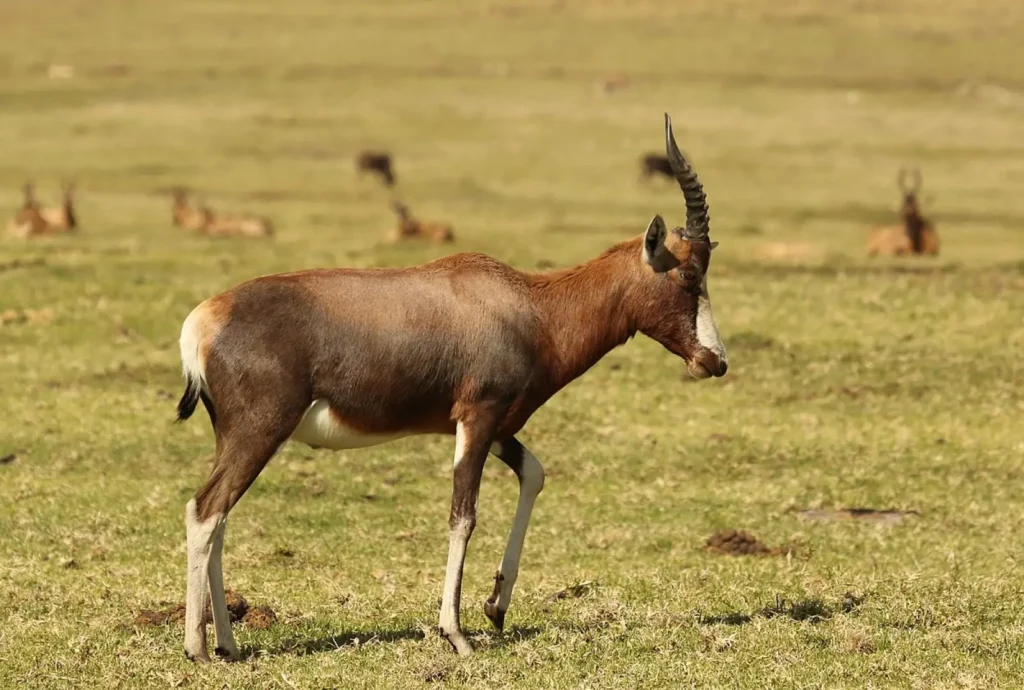
The story of Bontebok National Park is one of South Africa’s greatest conservation triumphs. In the early 1900s, the bontebok antelope—found only in the Western Cape—was hunted to near extinction, with as few as 17 to 22 individuals remaining. Concerned farmers and conservationists created a sanctuary to save the species, and in 1931 the first Bontebok National Park was proclaimed. It later moved to its current location to better protect renosterveld habitat and support long-term species recovery.
Thanks to decades of habitat management, controlled breeding, and strict monitoring, the bontebok population has rebounded. Today, the park maintains a stable population of around 200 bontebok, considered the ecological carrying capacity of the area, while thousands more thrive across South Africa. This success underscores the park’s significance not only for bontebok but also for numerous threatened renosterveld species found nowhere else. Protecting this rare ecosystem remains one of the park’s most important responsibilities.
Landscape, Ecosystems, and Climate
The park’s landscapes feature rolling renosterveld plains, fynbos-clad hillsides glowing with proteas and ericas, and lush riverbanks shaded by wild olives, acacias, and reeds. The towering Langeberg Mountains create a spectacular backdrop of rugged peaks rising above lowland plains. Much of the park is gently undulating terrain shaped by ancient geology and river dynamics.
Renosterveld, one of the world’s most threatened vegetation types, dominates the landscape. With over 500 recorded plant species—including many Western Cape endemics—the park is a botanical treasure. From August to October, seasonal wildflowers burst into color, transforming the plains into a vibrant tapestry that attracts botanists, photographers, and flower enthusiasts.
The Breede River creates a thriving riparian zone that supports otters, amphibians, waterbirds, aquatic plants, and a cooler microclimate. Morning mists, river breezes, and lush wetland edges contrast beautifully with the dry renosterveld plains, creating exceptional ecological diversity in a compact area.
Wildlife in Bontebok National Park
Although small, the park offers outstanding wildlife viewing. The bontebok—with its glossy chestnut coat and striking white markings—is easily seen grazing across the plains. Their recovery from near extinction is one of the park’s defining features.
Other mammals include the iconic Cape mountain zebra, grey rhebok, red hartebeest, common duiker, and small antelope such as the cape grysbok. Along the Breede River, visitors may spot the elusive Cape clawless otter, a highlight for wildlife enthusiasts.
Birdwatching is exceptional, with more than 200 species recorded. Highlights include South Africa’s national bird, the blue crane, the powerful African fish eagle, colorful sunbirds feeding on fynbos blooms, and wetland species like spur-winged geese. Raptors such as the jackal buzzard and pale chanting goshawk frequently soar above the plains.
Reptile and amphibian diversity is also high, with species such as angulate tortoises, various skinks, geckos, frogs, and several snakes—all essential for maintaining ecological balance within this unique habitat.
Top Activities and Things to Do
1. Wildlife Viewing and Self-Drive Safaris
Bontebok National Park is perfect for relaxed wildlife viewing. The compact size and open vegetation make sightings easy, especially for families, photographers, or first-time safari travelers. Smooth roads allow all vehicle types, making it one of the Western Cape’s most accessible wildlife destinations.
2. Hiking and Nature Trails
Well-marked trails explore renosterveld hills, mountain viewpoints, and riverine forests. The Aloe Hill Trail offers stunning valley vistas, the Bushbuck Trail winds through shady woodland, and the Acacia Trail provides easy access to the riverbank—ideal for families. These trails showcase the park’s flora, birdlife, and peaceful nature.
3. Birdwatching
With its open landscapes and diverse habitats, the park is one of the Western Cape’s top birding destinations. Early mornings offer the best sightings of cranes, sunbirds, eagles, and wetland species along the river.
4. Canoeing, Kayaking, and Swimming
The Breede River offers calm stretches ideal for kayaking, canoeing, and summer swimming. The river environment is scenic and peaceful, with opportunities to see otters, fish eagles, and waterbirds along the bank.
5. Riverside Picnics and Photography
Shaded picnic sites near the river offer breathtaking views of the Langeberg Mountains. These tranquil areas are ideal for families, photographers, and travelers looking to relax in nature.
6. Cycling and Light Mountain Biking
Smooth tracks and gentle gradients make the park perfect for recreational cycling. It offers a refreshing way to explore wildlife and landscapes at a peaceful pace.
Accommodation and Visitor Facilities
The park’s main accommodation, Lang Elsie’s Rest Camp, sits beside the Breede River and offers modern self-catering chalets and scenic campsites. Named after a respected Khoekhoe leader, the camp blends cultural heritage with comfort and natural beauty. Visitors enjoy braai areas, clean facilities, walking access to the river, and views of wildlife grazing nearby.
Additional accommodation is available in Swellendam, including boutique guesthouses, hotels, and luxury lodges—making it easy to combine a park visit with regional attractions such as wine estates, museums, and historic landmarks.
Best Time to Visit Bontebok National Park
The park is a year-round destination. The cooler, dry months from April to October are ideal for hiking, wildlife viewing, and photography. From September to November, the renosterveld blooms with spectacular wildflower displays.
Summer (December to March) brings warm weather perfect for river activities such as swimming and kayaking, with pleasant early mornings and late afternoons for nature walks.
How to Get There
Bontebok National Park is easily accessible, just 6 km from Swellendam via the Die Stroom Gate. The drive from Cape Town takes about 2.5 hours along the N2 through farmlands, vineyards, and mountain scenery. All internal park roads are suitable for regular vehicles, and guided day tours can be arranged from Swellendam or Cape Town.
Conservation, Challenges, and Community Involvement
The park remains a vital conservation area focused on protecting bontebok populations, restoring renosterveld landscapes, and controlling invasive plants that threaten native species. Ongoing initiatives include alien clearing, controlled ecological burns, and long-term biodiversity monitoring.
Community involvement plays a key role. The park partners with local residents, conservation groups, and eco-tourism organizations to promote environmental education, create jobs, and support sustainable tourism. Visitor fees directly support the protection of this unique ecosystem.
Practical Travel Tips
- Bring sun protection, hats, and light layers—especially in summer.
- Pack binoculars for wildlife and birdwatching.
- Wear sturdy walking shoes for trails.
- Plan time for riverside picnics and scenic viewpoints.
- Book accommodation early during wildflower season and weekends.
Why Visit Bontebok National Park?
Bontebok National Park offers one of the Western Cape’s most serene and intimate wildlife experiences. Its combination of conservation success, rare flora, iconic landscapes, and peaceful activities makes it an essential stop for nature lovers. Whether photographing bontebok at sunrise, wandering through wildflower plains, exploring fynbos trails, or paddling along the Breede River, every moment in the park is meaningful and inspiring.
Conclusion
Bontebok National Park stands as a symbol of resilience and ecological recovery in South Africa. Despite its modest size, it preserves some of the most threatened vegetation and wildlife in the Cape Floral Kingdom. From the revival of the bontebok antelope to the protection of critically endangered renosterveld, the park offers powerful conservation lessons and unforgettable natural beauty. For travelers exploring the Western Cape, it remains a must-visit destination rich in biodiversity, scenery, and history.