
Cango Wildlife Ranch
Cango Wildlife Ranch – South Africa’s Leading Conservation Centre, Big Cat Sanctuary, and Wildlife Experience in Oudtshoorn
Cango Wildlife Ranch is one of South Africa’s most respected wildlife conservation facilities and a premier eco-tourism attraction along the Garden Route. Located in Oudtshoorn in the Little Karoo, the ranch has earned international recognition for its ethical wildlife care, endangered species breeding programs, research partnerships, and hands-on conservation education. Established in 1977, the ranch has evolved from humble origins into a global centre of excellence, home to more than 90 species and dedicated to protecting some of the world’s most threatened animals through science-driven conservation and responsible tourism.
Accredited by PAAZA (Pan-African Association of Zoos & Aquaria) and supported by global conservation networks, Cango Wildlife Ranch adheres to strict international welfare standards. PAAZA accreditation ensures that high-level protocols for habitat design, enrichment, nutrition, veterinary care, and ethical interactions are consistently met. This positions the ranch among Africa’s most trusted conservation centres. Every visitor contributes directly to species survival programs, veterinary medicine, and ongoing conservation research.
Overview and Location
Cango Wildlife Ranch lies just outside Oudtshoorn, the “Ostrich Capital of the World,” and is easily accessible from George, Mossel Bay, and Route 62. Its beautifully designed habitats, guest walkways, and immersive experiences offer visitors an intimate and educational wildlife encounter. The ranch is a popular stop for families, school groups, photographers, and travellers exploring the Garden Route, Swartberg Pass, and Cango Caves.
The ranch features themed zones resembling natural ecosystems—from tropical forests and aviaries to river habitats and predator enclosures—allowing guests to experience wildlife safely and respectfully. Elevated platforms give breathtaking views of big cat habitats, while shady pathways guide visitors through aviaries and primate forests. The entire layout is designed for maximum educational value, comfort, and accessibility.
History and Conservation Mission
Founded more than four decades ago, Cango Wildlife Ranch evolved from a simple crocodile farm into a world-class sanctuary driven by a mission to protect biodiversity. During the early 2000s, the ranch broadened its conservation role through strategic partnerships, a dedicated veterinary hospital, and expanded breeding and rehabilitation programs. Over the years, it has rescued and rehabilitated countless injured or confiscated animals—including victims of the illegal wildlife trade. Today it serves as a vital scientific and educational centre in the Western Cape.
Its mission focuses on:
- Endangered species breeding for cheetahs, lemurs, and threatened carnivores.
- Animal rescue & rehabilitation for confiscated or injured wildlife.
- Conservation education for schools, families, and international visitors.
- Research partnerships with universities and conservation bodies.
- Ethical wildlife encounters designed to fund conservation, not exploitation.
- Sustainability initiatives promoting responsible tourism and environmental care.
The Cheetah Preservation Foundation (CPF)
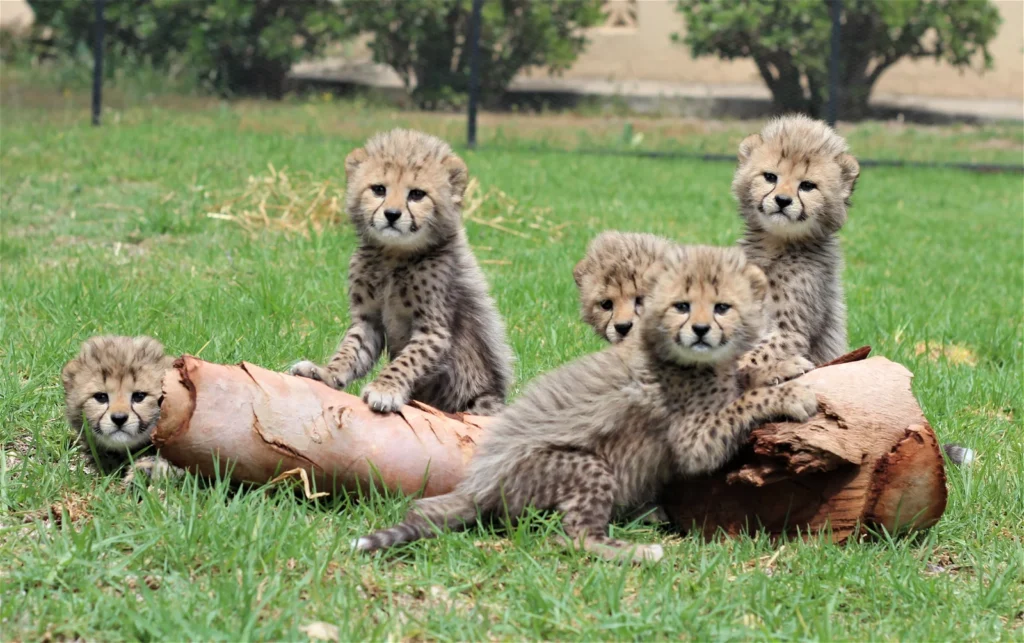
The Cheetah Preservation Foundation (CPF) is the cornerstone of Cango Wildlife Ranch’s conservation efforts. Founded to respond to rapidly declining cheetah populations, CPF focuses on strengthening genetic diversity, improving breeding success, and raising global awareness. Partnerships with international studbook managers ensure that cheetahs at the ranch contribute to scientifically managed bloodlines essential for long-term species survival.
CPF-supported education campaigns highlight poaching, shrinking habitats, and human-wildlife conflict—some of the greatest threats facing wild cheetahs. The ranch’s parent-raised cubs are part of global behavioural studies, while enrichment programs support natural hunting, stalking, and sensory engagement. CPF’s efforts extend far beyond the ranch, with fundraising and awareness campaigns supporting cheetah conservation across Africa.
Habitats, Key Species, and Wildlife Experiences
Cango Wildlife Ranch houses a rich diversity of species within naturalistic, enrichment-based habitats designed to support behavioural and psychological well-being. Each habitat mirrors the animal’s natural ecosystem and includes climbing structures, pools, feeding puzzles, and shaded resting areas.
1. Big Cats
The ranch’s big cat collection is one of its greatest highlights. Cheetahs, the ranch’s flagship species, demonstrate remarkable speed and elegance. White lions showcase rare recessive genetics, while Bengal and Siberian tigers serve as ambassadors for critically endangered Asian tiger populations. Leopards, including striking black leopards, reflect Africa’s elusive and adaptable carnivores. Corrective educational messaging accompanies each habitat, explaining poaching threats, habitat destruction, and illegal wildlife trade.
2. Lemurs and Primates
The ranch’s lemur forest is home to ring-tailed lemurs, brown lemurs, and black-and-white ruffed lemurs—all native to Madagascar and all threatened by deforestation. These interactive habitats highlight the complexity of island biodiversity, the influence of climate change, and the urgency of primate conservation worldwide. Guests learn about lemur social structures, vocal communication, foraging behaviours, and the global initiatives supported by the ranch.
3. Reptile Program and Crocodile Conservation
Reptiles are an essential part of Cango Wildlife Ranch’s heritage. The crocodile programs include one of South Africa’s largest populations of Nile crocodiles, with safe viewing platforms over massive aquatic enclosures. Visitors learn about crocodile evolution, thermal regulation, breeding biology, and ecosystem roles.
The reptile house features a remarkable collection of species such as anacondas, Burmese pythons, reticulated pythons, monitor lizards, African rock pythons, rare tortoises, and venomous snakes including Egyptian cobras. Guided talks explain venom systems, feeding strategies, reptile adaptations, and why reptiles are among the world’s most persecuted animals.
4. Birds and Aviaries
Lush tropical aviaries house vibrant species including African grey parrots, hornbills, owls, waterfowl, and exotic parrots. Informative displays highlight the threats facing these birds—from illegal pet trade and deforestation to climate-induced habitat shifts. Feeding shows allow guests to observe natural behaviour such as foraging, calling, wing displays, and flock dynamics.
5. Aquatic Animals
A river-inspired habitat system showcases otters, fish species, small sharks, and amphibians. Underwater tunnels allow close-up viewing of aquatic wildlife while educating guests about water pollution, marine conservation, and the impact of plastics on ocean health.
Ethical Animal Welfare and Enrichment
Animal welfare is central to all operations at Cango Wildlife Ranch. Enclosures are built with natural substrates, resting platforms, vegetation, and environmental enrichment designed to stimulate physical and cognitive engagement. Enrichment programmes include scent trails, puzzle feeders, climbing structures, and social interaction to encourage natural behaviours.
A dedicated veterinary team oversees routine medical checkups, vaccinations, dietary formulation, parasite control, and emergency procedures. The ranch opposes cub petting, exploitative breeding, or any practice misaligned with animal welfare ethics. All visitor encounters follow strict guidelines ensuring that animals can choose whether to participate.
Education, Community Outreach, and Research
Education is one of the ranch’s strongest contributions to conservation. More than 40,000 schoolchildren participate annually in learning programmes aligned with environmental curricula. These sessions teach students about species biology, threats to biodiversity, climate change, and conservation ethics.
The ranch also supports outreach initiatives in neighbouring communities, wildlife clubs, and youth ambassador programmes designed to inspire the next generation of conservationists. Research collaborations with universities cover genetics, nutrition, enrichment design, behaviour studies, and disease prevention—making the ranch a valuable scientific partner in South Africa.
Sustainability Efforts
Cango Wildlife Ranch integrates eco-friendly practices throughout its infrastructure. Water-efficient enclosures, recycling stations, composting initiatives, and solar energy solutions help reduce environmental impact. The ranch has minimised single-use plastics and supports local suppliers, organic produce vendors, and community artisans to promote sustainable tourism. Environmental clean-up campaigns and local conservation projects further demonstrate the ranch’s commitment to environmental stewardship.
Visitor Facilities and Accessibility
The ranch offers a welcoming experience for families, solo travellers, and large groups. Facilities include:
- On-site cafés and restaurants with vegetarian and family-friendly menus.
- Gift shops featuring conservation-themed merchandise.
- Wheelchair-accessible routes, ramps, and restrooms.
- Shaded seating and landscaped relaxation areas.
- Children’s play zones, interactive displays, and guided tours.
Photography is highly encouraged. The ranch provides ideal natural lighting for big cats, reptiles, primates, and aquatic species. Flash is discouraged in certain indoor areas to protect animal sensitivity.
Best Time to Visit
Cango Wildlife Ranch is a year-round destination.
- Morning: big cats are more active and temperatures are cool.
- Midday: reptiles bask and aviaries are lively with bird calls.
- Late afternoon: feeding shows, softer lighting, and relaxed animal behaviour.
Cooler months (April–September) provide pleasant walking conditions, while summer months bring bright, vibrant wildlife displays.
Why Visit Cango Wildlife Ranch?
Cango Wildlife Ranch offers an ethical, educational, and deeply engaging wildlife experience. It combines world-class animal care, interactive learning, endangered species protection, and sustainable tourism in a single destination. Every visitor plays a role in supporting veterinary care, enrichment, rescue operations, and conservation research. For families, photographers, educators, and travellers along the Garden Route, this is one of South Africa’s most inspiring conservation centres.
Frequently Asked Questions (FAQ)
How long does a visit take?
2–3 hours is recommended, but many guests stay longer for tours and encounters.
Are wildlife encounters ethical?
Yes—encounters follow strict welfare guidelines aligned with PAAZA standards and do not involve exploitative practices.
Is the ranch family-friendly?
Very. Children enjoy safe walkways, educational zones, and close-up wildlife viewing.
Do I need to book in advance?
Walk-ins are welcome, but online bookings are advised during peak seasons.
Is Cango Wildlife Ranch wheelchair accessible?
Yes, with ramps, wide walkways, and accessible restrooms throughout.
Do visits support conservation?
Yes—entrance fees directly fund veterinary medicine, enrichment, rehabilitation, and CPF-led conservation programmes.
Conclusion
Cango Wildlife Ranch is a world-class wildlife sanctuary dedicated to protecting endangered species, educating future generations, and promoting ethical, sustainable tourism. With its diverse species, enrichment-based habitats, scientific research collaborations, and community-focused mission, the ranch offers one of South Africa’s most meaningful wildlife experiences. Whether visiting for learning, photography, conservation involvement, or family fun, Cango provides an inspiring journey into the heart of wildlife protection.