
Central Kalahari Game Reserve
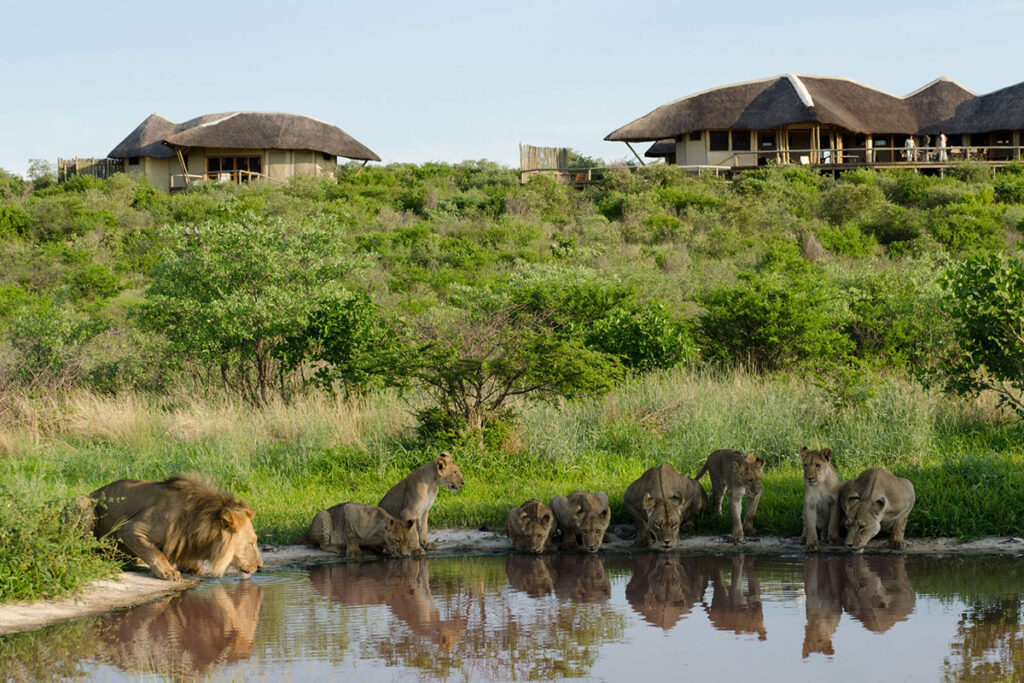
Central Kalahari Game Reserve – Botswana’s Immense Desert Wilderness of Endless Horizons, Black-Maned Lions, and Ancient San Culture
The Central Kalahari Game Reserve (CKGR) is one of the world’s last true wildernesses—an immense expanse of shimmering horizons, fossilized river valleys, golden grasslands, and ancient dune systems covering approximately 52,800 km² in the heart of Botswana. Established in 1961 primarily to protect the ancestral lands and culture of the San Bushmen, CKGR remains one of the largest and most pristine protected areas on Earth. It is a sanctuary of desert-adapted wildlife, dramatic seasonal migrations, uninterrupted night skies, and deep cultural heritage.
Despite being classified as a semi-arid desert, the Central Kalahari is far from empty. Seasonal rains transform its valleys—especially Deception Valley, Piper Pan, and Sunday Pan—into lush, wildlife-rich grasslands. This temporary abundance triggers one of southern Africa’s most remarkable yet underrated migrations of herbivores and predators. Visitors who journey into this vast interior discover an untouched wilderness, where solitude, silence, and raw beauty define every moment.
Overview and Location
CKGR lies centrally within Botswana, southwest of the Makgadikgadi Pans. The reserve is primarily accessed from Ghanzi in the west or Rakops in the north, with further connections through Maun, the safari hub of northern Botswana. The isolation of the reserve is a large part of its appeal—visitors may drive for hours without encountering another vehicle, experiencing the Kalahari much as it existed centuries ago.
The reserve forms part of the larger Kalahari Basin, covering an ancient geological depression filled with millennia-old wind-blown sands. CKGR’s fossil river systems and Sahel-like seasonal grasslands make it one of Africa’s most unique ecological and cultural landscapes.
Landscape, Ecosystems, and Geology
The Central Kalahari is a land of striking contrasts, its landscapes shaped over thousands of years by wind, fire, drought, and ancient rivers that no longer flow. Fossilized river valleys—such as Deception Valley—are remnants of waterways that once carved through the desert during wetter prehistoric periods. These valleys contain nutrient-rich soils that support nutritious grasses after rains, attracting thousands of grazing animals and the predators that follow.
Key ecosystems within CKGR include:
- Fossil riverbeds with fertile calcareous soils and long grass species.
- Open savanna plains supporting wildebeest, springbok, and oryx.
- Salt pans and interdune depressions that temporarily hold water.
- Acacia-dotted scrublands providing shade and browse for browsers.
- Ancient red sand dunes stabilized by hardy grasses and shrubs.
During the green season (December–April), the Kalahari erupts into color, with fresh grasses, flowering herbs, and migratory birds transforming the dry desert into a surprising oasis. The dramatic shifts between seasons shape the behavior of all wildlife in the region.
Climate
CKGR experiences extreme weather variation typical of desert environments:
- Summer (Oct–March): Very hot days, dramatic thunderstorms, and rapid vegetation growth.
- Winter (May–Aug): Cool, clear days and freezing nights (as low as –2°C).
- Rainy season: Essential for herbivore migrations, breeding, and predator activity.
These seasonal extremes create unpredictable but highly rewarding safari conditions—especially for photographers and wildlife enthusiasts.
Flora
Despite its harsh climate, the Central Kalahari hosts a surprising diversity of plant species adapted to survive long droughts, intense heat, and nutrient-poor soils. Notable vegetation includes:
- Camelthorn (Acacia erioloba) – a keystone tree providing food, shade, and nesting sites.
- Terminalia sericea – thriving on sandy ridges.
- Grewia shrubs and desert herbs.
- Sandveld grasses that produce nutritious grazing after rains.
- Edible tubers used by the San as emergency water sources.
The blooming of wildflowers and grasses after the rains creates a burst of color across the pans, attracting insects, birds, and grazing mammals.
Wildlife of the Central Kalahari Game Reserve
CKGR is famed for its desert-adapted megafauna—including:
- Black-maned Kalahari lions – massive, muscular, and iconic.
- Cheetahs – thriving in vast open plains ideal for high-speed pursuits.
- Leopards – secretive predators found in woodland edges.
- Brown hyenas – prominent scavengers unique to the Kalahari.
- Gemsbok (oryx) – masters of desert survival.
- Springbok – present in large herds during the wet season.
- Eland, wildebeest, giraffes, and aardvarks.
The green season brings explosive wildlife viewing opportunities as large herds migrate into the fossil river valleys. Calving occurs shortly after the rains, creating abundant prey for cheetahs, African wildcats, and black-maned lions. CKGR is one of the best places in Africa to witness dramatic predator–prey interactions in wide-open terrain.
Desert Wildlife Adaptations
Animals in the Central Kalahari exhibit extraordinary adaptations that allow them to thrive in extreme conditions:
- Gemsbok can raise their body temperature to avoid sweating and conserve water.
- Lions obtain most moisture from prey and can survive weeks without drinking.
- Springbok fluctuate metabolic rates to reduce water loss.
- Brown hyenas scavenge vast distances to locate food.
- Nocturnal species like aardvarks and porcupines avoid daytime heat.
These adaptations highlight the Kalahari’s harsh environment and the remarkable resilience of its wildlife.
Green Season Migration and Predator Dynamics
The rainy season triggers one of southern Africa’s most dramatic but least-known wildlife migrations. When rains fall across the Kalahari, tender green grasses emerge almost overnight, drawing:
- Vast herds of springbok
- Wildebeest
- Eland
- Oryx
These congregations create a predator hotspot. Lions move into Deception Valley, cheetahs appear along Sunday Pan, and leopards increase hunting activity on dune edges. The arrival of thousands of newborn antelope (January–March) produces some of Africa’s most spectacular predator viewing.
Birdlife
The reserve supports over 250 bird species, many of them uniquely adapted to desert conditions. Notable species include:
- Kori bustard – Africa’s heaviest flying bird.
- Pale chanting goshawk – ubiquitous across the reserve.
- Secretary birds – striking snake hunters of the grasslands.
- Lappet-faced vultures – key scavengers essential to ecosystem health.
- Sandgrouse – famous for soaking belly feathers to carry water to chicks.
Summer months bring an influx of migrant species, including kestrels, swallows, cuckoos, and various raptors following the movements of prey across the green plains.
The San Bushmen – Indigenous Custodians of the Kalahari
The Central Kalahari is deeply intertwined with the heritage of the San people, one of the world’s oldest continuous cultures. For thousands of years, they lived as semi-nomadic hunter-gatherers, using unparalleled ecological knowledge to survive in the desert.
Their cultural identity includes:
- Remarkably precise animal tracking skills.
- Use of poison-tipped arrows for hunting.
- A complex click-based language with deep oral storytelling traditions.
- Knowledge of edible roots, desert tubers, and medicinal plants.
- Traditional water storage in ostrich eggshells.
- Celestial navigation and star-based mythology.
The San remain an important part of the reserve’s ongoing conservation narrative, and cultural tours offer visitors a profound understanding of traditional Kalahari life.
Astronomy and Night Skies
CKGR is one of the darkest places on Earth. With no artificial lights across tens of thousands of square kilometers, the night skies are astonishingly clear. Low humidity, minimal dust at night, and stable desert air create perfect conditions for:
- Milky Way core visibility
- Astrophotography
- Viewing southern constellations like the Southern Cross
- Satellite and meteor observations
Astrophotographers consider CKGR one of the best locations in Africa for night-sky photography, especially from April to September.
Conservation Significance
The Central Kalahari Game Reserve plays a crucial conservation role:
- One of Africa’s largest intact ecosystems
- Key refuge for desert-adapted predators and herbivores
- Vital stronghold for brown hyena populations
- Protection of San cultural landscapes
- Important site for raptor conservation (eagles, vultures)
The reserve remains mostly undeveloped and lightly visited, offering pristine conditions for scientific research into climate change, predator ecology, migration patterns, and desert plant survival strategies.
Threats and Conservation Challenges
Though relatively well-protected, CKGR faces several challenges:
- Climate change – increasing droughts affect water availability and grazing cycles.
- Human-wildlife conflict on reserve edges.
- Poisoning of vultures and predators outside the park.
- Encroachment from livestock grazing.
- Historical disputes over San relocations.
Despite these issues, CKGR remains one of the most intact desert ecosystems globally, with effective monitoring and strong protection through Botswana’s conservation authorities.
Tourism and Visitor Experience
A safari in CKGR is unlike any other in Africa—remote, peaceful, and deeply immersive. Activities include:
- Game drives through vast open plains.
- Walking safaris guided by expert San trackers.
- Astrophotography under pristine night skies.
- Cultural encounters with San communities.
- Mobile tented safaris in wilderness campsites.
Visitors must be entirely self-sufficient, carrying water, food, fuel, recovery equipment, and emergency supplies. The sense of solitude—where you may drive all day without seeing another vehicle—is one of CKGR’s greatest luxuries.
Road Conditions, Safety, and Permits
The reserve requires careful planning. Key points include:
- Deep sand—4×4 vehicles are mandatory.
- No fuel stations inside the reserve.
- No water sources at campsites—bring sufficient supplies.
- Satellite phone or GPS tracker strongly recommended.
- Entry and camping permits must be booked in advance through DWNP.
- No night driving, no off-road driving, and no firewood collection permitted.
These restrictions help protect the fragile desert ecosystem and ensure visitor safety.
How to Get There
Main access routes include:
- Rakops – gateway to Deception Valley.
- Ghanzi – western access point.
- Maun – connects CKGR with the Okavango Delta.
All routes involve long sandy tracks, requiring careful navigation and good vehicle preparation.
Best Time to Visit
Each season offers unique highlights:
- January–April (Green Season): Wildlife concentration, predator action, birthing season.
- May–September: Cool weather, perfect for camping and stargazing.
- October–December: Very hot, challenging but excellent for photography.
There is no bad time to visit CKGR—only different versions of its wild beauty.
Why Visit Central Kalahari Game Reserve?
Visitors come to CKGR for its raw wilderness, its sense of infinite space, its extraordinary wildlife, and its deep cultural soul. The combination of desert-adapted animals, dramatic seasonal changes, world-class stargazing, and profound San heritage makes CKGR one of the most extraordinary safari destinations on Earth.
Conclusion
Central Kalahari Game Reserve is a sanctuary of silence, beauty, resilience, and deep history. It protects not only desert wildlife but also the ancient cultural landscapes of the San people. CKGR remains a rare place where nature still operates on its own terms, offering travelers a safari experience that is raw, elemental, and unforgettable. For adventurers seeking Africa’s true wilderness frontier, the Central Kalahari stands alone.