
Central Kalahari Game Reserve
Central Kalahari Game Reserve – Africa’s Largest, Wildest, and Most Remote Desert Safari Destination in Botswana
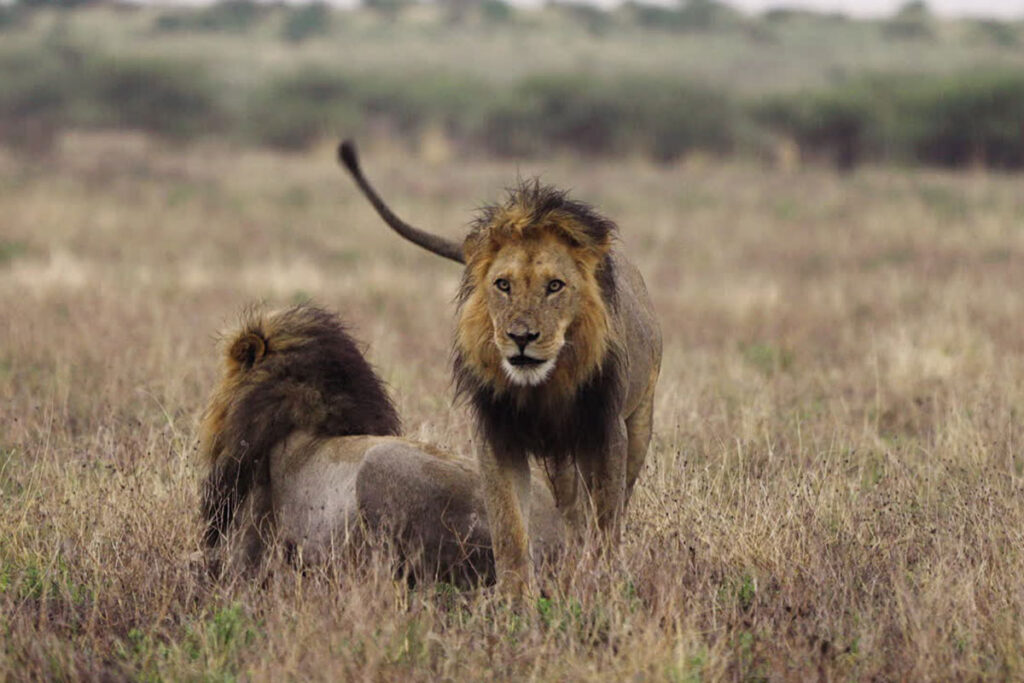
The Central Kalahari Game Reserve (CKGR) in Botswana is one of the largest and most untouched wilderness areas on Earth, covering an astonishing 52,000 km² of pristine Kalahari Desert landscapes. This massive protected area is characterised by endless golden grasslands, fossil river valleys, red sand dunes, open pans, and dramatic horizons that stretch beyond sight. The CKGR is home to iconic wildlife—including the legendary black-maned Kalahari lions, cheetahs, oryx, springbok, and brown hyenas—and offers a safari experience unlike anywhere else in Africa.
For travellers seeking true isolation, extreme wilderness, and a safari free from crowds, the Central Kalahari Game Reserve stands unrivalled. Its raw, untouched beauty, silence, night skies, and ancient human history create an experience that is at once humbling and exhilarating. This comprehensive guide explores everything about CKGR—from wildlife and safari activities to ecosystems, hydrology, climate, conservation, culture, and the best time to visit—helping travellers plan an unforgettable journey into Botswana’s remote desert heartland.
Overview of Central Kalahari Game Reserve
Proclaimed in 1961, CKGR was originally established as a sanctuary for Indigenous San (Bushman) communities who lived in the Kalahari for thousands of years as hunter-gatherers. The park was not focused on tourism but on protecting both the ecosystem and one of the world’s oldest living cultures. Because of its extremely remote location and limited access, the CKGR remained almost entirely closed to outsiders for decades, which preserved its pristine wilderness character and made it a globally unique conservation landscape.
Today, despite increased tourism access, the Central Kalahari Game Reserve remains raw, wild, and largely undeveloped. There are no luxury lodges inside most of the reserve, no tarred roads, and no towns—only remote campsites and endless wilderness. For this reason, CKGR is regarded as one of the last true frontier safari destinations in Africa, appealing to experienced self-drive adventurers, photographers, ecologists, and travellers who seek absolute solitude in nature.
Location and Size
The Central Kalahari Game Reserve sits at the geographical centre of Botswana, a landlocked country known for its commitment to conservation and low-impact tourism. The reserve spans 52,000 km²—an area larger than Switzerland, Denmark, or Costa Rica—making it the second-largest game reserve in the world after Northeast Greenland National Park.
Its immense size means that wildlife roams across vast territories, landscapes change dramatically from north to south, and many areas remain practically untouched by humans. The central location also positions CKGR at the heart of the Kalahari Basin, a semi-desert system that influences rainfall, vegetation, wildlife distribution, and the movements of predators and antelope.
Geography and Geology
The reserve lies within the ancient Kalahari Sands—a geological system stretching across Botswana, Namibia, Angola, and South Africa. These deep, wind-blown sands are millions of years old and create the distinctive red dunes, sandy soils, and flat plains for which the region is known. Beneath these sands lie older geological formations including calcrete and fossil river deposits.
One of CKGR’s most iconic geographical features is the network of fossil river valleys such as Deception Valley, Passarge Valley, and the Letiahau River system. These valleys, dry for thousands of years, still support denser grass growth and richer soils, attracting wildlife seasonally. The park’s open pans—Piper Pan, Sunday Pan, and Leopard Pan—are ancient lake beds with shimmering white surfaces. These salt-rich flats are magnets for grazing animals and the predators that hunt them.
Climate
The CKGR experiences an extreme semi-arid climate defined by high temperatures, low moisture, and intense seasonal contrasts. In summer (November–March), temperatures regularly exceed 40°C (104°F), and massive thunderstorms sweep across the plains. These rains are short but intense, transforming dry grasslands into lush, green savannas. This is when the famous “Kalahari migration” occurs, with springbok, oryx, wildebeest, and hartebeest moving into Deception Valley and the surrounding pans to feed on nutrient-rich grasses.
Winter (May–August) is cold and dry. Nighttime temperatures can drop below freezing, especially on the elevated pans and dunes. Days remain warm and clear, offering excellent visibility and comfort for wildlife viewing. Because precipitation is very low—with only 150–350 mm annually—the Kalahari ecosystem depends heavily on seasonal rainfall cycles, which play a major role in vegetation growth, animal movements, and predator behaviour.
Hydrology and Water Systems
Although the Kalahari appears extremely dry, its hydrological system is surprisingly complex. There are no permanent rivers or lakes in CKGR, yet seasonal rainfall creates ephemeral pans that temporarily hold water, attracting wildlife and birds. Many species rely on moisture-rich vegetation for hydration rather than surface water.
Subsurface water exists deep below the sand dunes, and in some areas natural seepages create small oases. Artificial boreholes installed by Botswana’s wildlife authorities also provide essential water points where wildlife gathers during prolonged drought periods. The hydrology of the Kalahari is a delicate balance—too much disturbance disrupts natural adaptation, while too little water can lead to population declines among large mammals.
Ecosystems and Habitats
The Central Kalahari Game Reserve encompasses numerous semi-desert ecosystems that support a remarkable diversity of wildlife and vegetation. Although the landscape may seem uniform at first glance, CKGR is rich in microhabitats shaped by soil type, rainfall, and topography.
- Fossil river valleys: Seasonal wildlife hotspots with dense grasses.
- Open pans: Salt-rich depressions ideal for grazing and excellent for predator sightings.
- Duneveld: Red sand dunes with shrubs, perfect for oryx, giraffes, and desert specialists.
- Acacia and thornveld: Scattered woodland supporting browsers and birds.
- Short-grass plains: Prime habitat for migratory herbivores after rains.
The combination of these ecosystems makes CKGR one of the richest arid-zone biodiversity areas in Africa.
Vegetation
CKGR vegetation is dominated by drought-resistant grasses, shrubs, and trees. The grassy plains are composed of species such as Stipagrostis, Aristida, and Schmidtia, which respond quickly to summer rains. These grasses fuel the seasonal herbivore influx and support the predators that follow.
Shrubs like Grewia flava, Acacia mellifera, and Terminalia sericea provide essential shade, browse, and nesting sites for birds. In dry years, many plants enter a dormant state, conserving moisture until the next rainfall. The vegetation here is a perfect example of adaptation to extreme climates and forms the foundation of CKGR’s complex food web.
Wildlife of Central Kalahari Game Reserve
Mammals
The Central Kalahari Game Reserve is world-renowned for its large predators, expansive hunting territories, and dramatic predator-prey interactions. Its black-maned Kalahari lions are among the most iconic in Africa, known for their size, strength, and striking dark manes that contrast beautifully with the golden sands.
- Kalahari lions: Considered some of the largest and most photogenic lions on the continent.
- Cheetahs: Especially abundant due to open plains ideal for high-speed hunting.
- Leopards: Secretive and most often seen near wooded areas.
- Brown and spotted hyenas: Highly adaptable scavengers and hunters.
- African wild dogs: Occasionally roam through larger ranges.
- Herbivores: Oryx, springbok, steenbok, red hartebeest, giraffe, wildebeest, eland, and kudu.
Smaller mammals include porcupines, bat-eared foxes, jackals, aardwolves, cape foxes, and honey badgers—all of which are well adapted to the desert’s extreme conditions.
Birds
Birdwatching in CKGR is exceptional, with a wide variety of raptors, ground birds, and desert specialists. The open terrain makes sightings easy and photographic conditions ideal.
- Kori bustard: Commonly seen striding across plains.
- Secretarybird: Often spotted hunting snakes in grasslands.
- Vultures: Lappet-faced, white-backed, and hooded species are frequent.
- Raptors: Including martial eagle, pale chanting goshawk, and greater kestrel.
- Namaqua sandgrouse: Known for long, daily flights to waterholes.
Reptiles, Amphibians, and Invertebrates
The CKGR’s intense heat and sandy terrain support a variety of reptiles including monitor lizards, puff adders, sand snakes, geckos, and skinks. Amphibians emerge only after heavy rains, producing temporary explosive breeding events in pans.
Invertebrates such as beetles, termites, ants, butterflies, spiders, and scorpions play critical roles in pollination, nutrient cycling, and soil aeration, making them essential components of the desert ecosystem.
Unique Features of CKGR
What makes CKGR unique is its combination of immense size, minimal human interference, dramatic seasonal transformations, and deep cultural heritage. Unlike most safari destinations, the CKGR offers a pure wilderness experience with almost no infrastructure and virtually zero crowds.
- Deception Valley: The reserve’s wildlife hotspot, famous for lion sightings and summer migrations.
- Piper and Sunday Pans: Some of Africa’s most scenic wilderness landscapes.
- Legendary black-maned lions: A globally iconic predator population.
- Extreme remoteness: Ideal for photographers and wilderness seekers.
- San cultural ties: One of the oldest human cultures is rooted here.
Cultural and Indigenous Communities
The CKGR is culturally significant as the traditional homeland of the San people—one of the oldest continuous human cultures on the planet. Their hunter-gatherer lifestyle, deep knowledge of wildlife tracks, medicinal plants, and desert survival skills reflect a profound connection to the land.
Although the San now live primarily outside the reserve, cultural tours and community-led experiences offer visitors the opportunity to learn about traditional hunting techniques, storytelling, crafts, and ancient Kalahari survival wisdom.
Conservation Importance
The Central Kalahari Game Reserve is one of the world’s most important dryland conservation areas. Its vast, unfenced landscapes allow wildlife to migrate naturally, enabling ecological processes that have existed for millennia. The reserve acts as a major refuge for large carnivores, migratory herbivores, and desert-adapted species, many of which face increasing threats in other parts of Africa.
The CKGR also protects unique vegetation that stores carbon, stabilises soils, and prevents desertification—making the reserve crucial for climate resilience and biodiversity preservation in Botswana.
Threats and Challenges
Despite its remote location and size, the CKGR faces several conservation challenges including climate change, declining rainfall, human-wildlife conflict near borders, and the need for sustainable water management. Predator-livestock conflict around the reserve’s periphery is a major issue, as lions and hyenas sometimes leave the park in search of food.
Long-term monitoring, community partnerships, wildlife corridors, and climate adaptation planning are essential for ensuring the reserve remains healthy for future generations.
Research and Monitoring
The CKGR is a leading site for scientific research on desert ecology, predator dynamics, migration patterns, climate change effects, and Indigenous cultural studies. Scientists use camera traps, GPS collars, drone surveys, and long-term vegetation plots to monitor ecological changes and wildlife movements.
These research efforts contribute to broader conservation strategies across Botswana and the entire Kalahari ecosystem.
Tourism Activities
Tourism in the CKGR is intentionally low-impact, focusing on wilderness immersion rather than mass tourism. Visitors typically come for multi-day self-drive expeditions, wildlife photography, stargazing, and camping under open skies.
- Self-drive safaris: Explore Deception Valley, Passarge Valley, and pans.
- Remote camping: Unfenced campsites offer intense wilderness immersion.
- Photography: Ideal for landscape, wildlife, and night-sky photography.
- Guided expeditions: Expert-led tours for tracking predators and learning about ecology.
- Birdwatching: Outstanding sightings of raptors and desert specialists.
Access and Getting There
Access to the Central Kalahari Game Reserve requires preparation. The main entry points include Matswere Gate (east), Tsau Gate (northwest), Xade Gate (west), and Khutse Gate (south). A 4×4 vehicle is mandatory due to deep sand, long distances, and challenging terrain.
Travellers must carry sufficient water, fuel, vehicle recovery tools, and food, as services inside the reserve are nonexistent. Satellite communication is strongly recommended due to the remoteness and limited cell network.
Permits, Fees, and Park Rules
Visitors must secure park entry permits and campsite bookings through Botswana’s Department of Wildlife and National Parks (DWNP) and affiliated private operators.
- Only 4×4 vehicles allowed inside the reserve.
- Carry at least 20–40 litres of emergency water per person.
- No off-road driving allowed.
- Respect wildlife—predators roam freely through camps.
- No feeding animals or leaving refuse behind.
Accommodation
Accommodation options inside CKGR are sparse by design, maintaining the reserve’s pristine wilderness character. Most overnight stays occur in unfenced campsites, where wildlife moves freely through the area.
- Deception Valley campsites
- Piper Pan campsites
- Sunday and Leopard Pan campsites
- Xade and Khutse campsites
Each site offers peace, solitude, stargazing, and a true sense of isolation rarely found in modern safari destinations. Outside the reserve, travellers can find lodges and guesthouses in Rakops, Ghanzi, and private concessions bordering the CKGR.
Best Time to Visit
The best time to visit the CKGR depends on the safari experience you want. The green season (December–April) is ideal for wildlife viewing, dramatic skies, lush landscapes, and predator action as newborn antelope attract lions and cheetahs.
The dry season (May–October) brings cooler temperatures, excellent visibility, minimal vegetation, and perfect camping conditions. While wildlife sightings may be more scattered, the stark beauty of the desert and the brilliant night skies are at their peak.
Why the Central Kalahari Game Reserve Is Unique
The Central Kalahari Game Reserve is unique because it is one of the last remaining ecosystems on Earth where true wilderness still dominates completely. Its vastness, silence, ancient human history, desert-adapted wildlife, low tourism numbers, and breathtaking landscapes make it one of Africa’s most rewarding safari destinations.
For travellers seeking complete immersion in nature, unparalleled solitude, and a safari experience unchanged by mass tourism, the CKGR stands as one of the most powerful and unforgettable wilderness areas in the world.