
Kamuku National Park
Kamuku National Park, Nigeria – A Guide to Wildlife, Geography, Tourism, Culture and Conservation
Kamuku National Park is one of Nigeria’s most ecologically significant protected areas and a hidden gem for future ecotourism in West Africa. Located in Kaduna State and covering an expansive 1,120 km² of pristine Sudan–Guinea Savanna, Kamuku is a sanctuary for elephants, rare antelopes, primates, reptiles, birds, and diverse plant species. It is also home to dramatic inselbergs, rocky hills, waterfalls, sacred cultural sites, and some of the richest savanna landscapes remaining in Nigeria. Despite challenges in recent years, Kamuku continues to stand out as a remarkable destination for conservation, research, and long-term sustainable tourism. This fully expanded guide explores its geography, biodiversity, culture, climate, threats, tourism potential, and everything visitors need to know.
Overview of Kamuku National Park
Established to protect one of the last intact blocks of Sudan–Guinea Savanna in West Africa, Kamuku National Park plays a crucial role in Nigeria’s conservation strategy. Its habitats support a combination of woodland, grassland, wetland, and rocky ecosystems that host a wide range of species otherwise declining across the region. Kamuku is part of the Nigeria National Park Service system and is recognized as one of the country’s most biologically promising, yet underdeveloped, national parks. It is also an Important Bird Area (IBA) and Key Biodiversity Area (KBA), underscoring its importance for global biodiversity conservation efforts.
While tourism is still developing, Kamuku’s unique terrain and wildlife give it enormous potential for birdwatching, safari drives, ecological research, hiking, cultural exploration, and sustainable community-based travel. With proper investment and improved security, Kamuku could become one of West Africa’s most compelling safari destinations.
Location and Geographic Setting
Kamuku National Park is situated in Birnin Gwari Local Government Area of Kaduna State in northwestern Nigeria. Its geographical position makes it part of an ecological corridor that connects several forest reserves and semi-wild areas in Zamfara, Katsina, and Niger States. This allows wildlife to move across large landscapes, increasing genetic diversity and supporting long-term ecosystem resilience. The park’s location also places it at the crossroads of major ecological zones — providing a unique blend of vegetation types, wildlife species, and microhabitats not found in many other Nigerian parks.
Its proximity to Kaduna city (roughly 120 km) means Kamuku has strong potential for tourism access, educational trips, and research expeditions once infrastructure and security conditions improve.
Geography, Terrain, and Geological Features
Kamuku’s terrain is a scenic blend of rolling savanna plains, granite outcrops, rocky ridges, and steep inselbergs that rise dramatically above the woodlands. This geological diversity shapes wildlife distribution, vegetation zones, and hydrological patterns within the park. The presence of scattered boulders, cliffs, and ancient formations also makes Kamuku visually striking, giving it an advantage for landscape photography, hiking tours, and adventure tourism.
- Dogon Ruwa Waterfall – A beautifully cascading waterfall fed by seasonal streams. Its refreshing pools and rocky surroundings create critical microhabitats for fish, amphibians, insects, and riparian vegetation.
- Goron Dutse Inselberg – A massive rock formation with natural patterns and panoramic views of the park’s savanna beneath. It is one of the most scenic and culturally revered landmarks in Kamuku.
- Tsaunin Rema Rock Hill – Made of giant piled boulders, this hill forms prime habitat for rock hyrax and birds of prey, and is an excellent site for geological interpretation.
These diverse landforms provide natural vantage points, hiking routes, and areas of scientific interest, making Kamuku a potential hotspot for geotourism and adventure travel in Nigeria.
Climate and Seasonal Weather Patterns
Kamuku National Park experiences a tropical continental climate dominated by two major seasons — a rainy season (April–October) and a dry season (November–March). These seasonal variations influence wildlife behavior, vegetation cycles, tourist experiences, and ecosystem functions.
During the rainy season, the park becomes lush, green, and vibrant. Rivers flow strongly, grasslands surge with new growth, and birdlife thrives. Many species breed during this period, making it a season of high ecological activity. During the dry season, grass cover reduces, water becomes scarce, and wildlife congregates around remaining waterholes — these conditions create ideal wildlife-viewing opportunities when tourism expands.
Temperatures generally range from 25°C–40°C, with the hottest months being March and April. Harmattan winds between December and February bring cooler air, low humidity, and dusty skies. Each season offers unique ecological and photographic opportunities for nature enthusiasts.
Hydrology: Rivers, Waterfalls, and Seasonal Water Sources
Kamuku’s hydrology is a critical component of its ecological richness. The park contains several important seasonal and semi-perennial rivers, including the Mariga and Bunsuru Rivers, which nourish riparian forests and support a wide range of wildlife. These water systems form essential dry-season refuges for animals and provide breeding grounds for amphibians, insects, and fish.
The Dogon Ruwa Waterfall is the park’s most iconic hydrological feature. Its flowing waters create cool microclimates, attract rare bird species, sustain amphibians during dry spells, and support a concentration of biodiversity. Seasonal pools, wetlands, floodplains, and marshes emerge during heavy rains, allowing plant species to flourish and migratory birds to feed. Hydrology plays a defining role in shaping wildlife movement and vegetation growth across Kamuku’s vast savanna landscapes.
Ecosystems and Habitat Diversity
The ecological diversity of Kamuku National Park makes it one of the most important protected areas for savanna biodiversity in Nigeria. Its habitats include expansive woodlands, open grasslands, riparian forests, rocky outcrop ecosystems, and seasonal wetlands. These habitat types support species with distinct ecological needs and contribute to Kamuku’s overall resilience in the face of climate variability.
- Sudan–Guinea Savanna woodland rich in broad-leaved trees and tall grasses.
- Open savanna grasslands ideal for grazers such as roan and hartebeest.
- Riparian forests that shelter primates, birds, and moisture-dependent plants.
- Rocky outcrops supporting reptiles, hyrax, and cliff-nesting birds.
- Seasonal wetlands that provide breeding grounds for amphibians and aquatic insects.
This diverse ecological matrix positions Kamuku as an excellent location for wildlife research, monitoring programs, climate change studies, and long-term ecosystem restoration projects.
Vegetation and Plant Life
Kamuku’s vegetation includes a rich mix of tree, shrub, and grass species that are typical of the Guinea Savanna. Key species include Isoberlinia doka, Terminalia avicennioides, Acacia species, Lophira lanceolata, Daniellia oliveri, Detarium, Parkia biglobosa, and Nauclea latifolia. These trees provide food, shade, nectar, and nesting sites for wildlife while stabilizing soils and supporting ecological processes.
The ground layer consists of tall perennial grasses, including Andropogon gayanus and Pennisetum purpureum, which support herbivores, ground birds, and small mammals. Riparian zones contain palms, ferns, and semi-evergreen species that flourish in moist soils. Controlled burning, natural fire cycles, and seasonal flooding all influence vegetation patterns and help maintain ecological balance across the park.
Wildlife of Kamuku National Park
Kamuku National Park is home to a rich variety of fauna, including mammals, birds, reptiles, amphibians, insects, and arachnids. Its wildlife diversity makes it one of Nigeria’s most promising future safari destinations. Species richness is especially strong in savanna antelopes, primates, woodland birds, and reptiles.
Mammals
Mammal diversity in Kamuku includes several flagship savanna species. Large mammals such as elephants and roan antelope once roamed in significant numbers and remain important for conservation. Commonly observed species include:
- African savanna elephant (variable sightings depending on season)
- Roan antelope
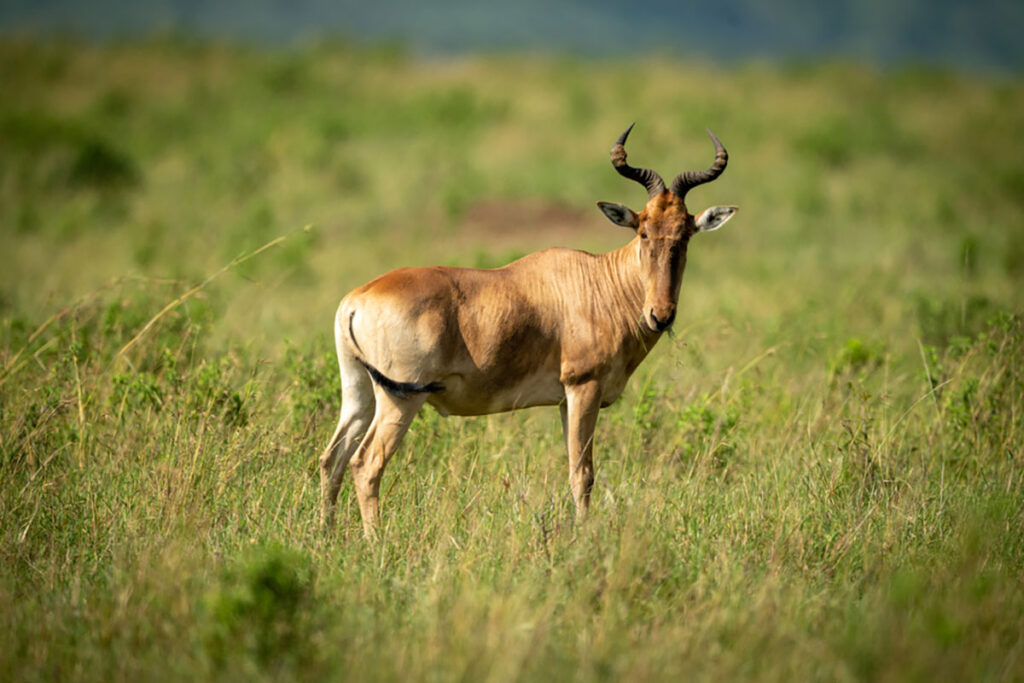
- Western hartebeest
- Bushbuck
- Oribi
- Red-flanked duiker
- Patas monkey
- Tantalus monkey
- Olive baboon
- Warthog
- Rock hyrax
- Porcupine
- Grasscutter
Smaller carnivores such as mongooses, civets, and genets are also present. Although predators like leopards and hyenas are difficult to observe, they have historically been part of Kamuku’s ecosystem.
Birds
Kamuku National Park is recognized as an Important Bird Area because of its exceptional bird diversity and high number of savanna-restricted species. With nearly 200 recorded species, Kamuku is a dream destination for bird enthusiasts.
Notable species include:
- Denham’s bustard
- Secretarybird
- Abyssinian ground-hornbill
- Various eagles, hawks, and vultures
- Bee-eaters, sunbirds, and starlings
- Ground-nesting francolins and lapwings
- Woodland kingfishers and hornbills
Birdwatching opportunities are particularly rich during the early rainy season and late dry season when species are most active and visible.
Reptiles, Amphibians, Insects and Arachnids
Kamuku supports a healthy population of reptiles, including species adapted to rocky habitats such as lizards, pythons, skinks, geckos, and tortoises. Amphibians flourish in the rainy season, while insects — butterflies, beetles, dragonflies, ants, termites, and pollinators — contribute significantly to nutrient cycling and ecosystem functioning. These groups are essential for maintaining the park’s ecological balance and provide valuable opportunities for entomological and herpetological research.
Unique Features That Make Kamuku National Park Special
Kamuku stands out among Nigerian national parks for its unique mix of geology, culture, and biodiversity. The large granite outcrops scattered throughout the park create stunning landscapes and shelter specialized plant and animal species. The Dogon Ruwa Waterfall offers an unexpected natural attraction in the savanna, ideal for eco-photography and adventure tourism.
Kamuku’s cultural landscapes also elevate its significance. Sacred hills, shrines, historic settlement sites, and traditional landmarks give the park a strong cultural identity intertwined with nature. This combination of natural and cultural value positions Kamuku as a future integrated tourism hub.
Indigenous People, Culture and Traditional Heritage
The Gwari (Gbagyi) and Kamuku peoples form the primary cultural communities surrounding the park. These groups have practiced sustainable land use for centuries, including farming, hunting, fishing, pottery, weaving, and herbal medicine. Their cultural values emphasize respect for land, animals, water bodies, and ancestral sites, which aligns naturally with conservation goals.
Many sacred landscapes inside the park — including hills, groves, and shrines — demonstrate the deep connection between people and their environment. Community festivals, crafts, folklore, and traditional ecological knowledge add immense cultural tourism potential to Kamuku.
Conservation Importance of Kamuku National Park
Kamuku is vital for preserving West Africa’s Sudan–Guinea Savanna ecosystem. It protects genetic diversity, watersheds, wildlife habitats, and large continuous tracts of woodland that are rapidly disappearing in unprotected areas. The park contributes significantly to climate adaptation, carbon storage, and long-term biodiversity conservation in Nigeria.
As a Key Biodiversity Area, Kamuku is essential for several threatened or biome-restricted species. It also acts as a refuge for wildlife affected by land-use pressure outside the park, making it valuable for regional ecological stability.
Threats Facing Kamuku National Park
Despite its ecological significance, Kamuku faces numerous threats that require long-term management solutions. These include:
- Poaching and unsustainable hunting for bushmeat
- Illegal livestock grazing inside the park
- Deforestation for firewood and charcoal production
- Uncontrolled burning that destroys tree regeneration
- Encroachment from farming and settlement
- Security challenges affecting ranger patrols and visitation
These threats highlight the need for stronger enforcement, community partnership, improved funding, and modern conservation strategies to secure Kamuku’s future.
Scientific Research, Monitoring and Academic Value
Kamuku provides excellent opportunities for ecological and scientific research. Its habitats are ideal for studying savanna ecology, plant succession, climate impacts, wildlife movement, fire ecology, hydrology dynamics, and community livelihoods. Universities, conservation organizations, and government agencies can use the park as a natural laboratory to generate data needed for national conservation planning.
Tourism Activities and Attractions (Present and Future Potential)
Although tourism is currently limited, Kamuku National Park offers rich possibilities for sustainable ecotourism development. Activities include:
- Game drives to observe antelopes, primates, birds, and savanna species
- Birdwatching excursions across wetlands, forests, and rocky outcrops
- Hiking and rock climbing on inselbergs and scenic hills
- Waterfall tours at Dogon Ruwa
- Cultural visits to Gwari and Kamuku communities
- Photography tours featuring wildlife and dramatic landscapes
- Camping, picnics, and nature education programs
With the right investment in security, infrastructure, and community engagement, Kamuku could become a premier safari destination in Nigeria.
Access and How to Reach Kamuku National Park
The park is typically accessed by road from Kaduna city to Birnin Gwari. Improvements to road infrastructure and security measures will significantly enhance accessibility. Future tourism growth will depend on developing more reliable transport services, ranger-guided routes, and visitor facilities.
Permits and Park Entry Requirements
Entry permits, research approvals, and guided tours are managed through the Nigeria National Park Service. Visitors — including researchers, filmmakers, tourists, and students — must comply with conservation rules, hire approved guides, and secure appropriate clearances before entering the park.
Accommodation in and Around Kamuku
Accommodation options near the park are currently basic, with most visitors staying in Birnin Gwari, Kaduna, or neighboring towns. Future development plans envision environmentally friendly eco-lodges, safari camps, community-run guesthouses, and research stations that can provide authentic, sustainable accommodations for tourists and scientists.
Best Time to Visit Kamuku National Park
From a wildlife and climatic perspective, the best time to visit Kamuku is during the dry season (November–April), when wildlife gathers around waterholes and visibility improves. The rainy season (May–October) is excellent for birdwatching, photography, and exploring lush landscapes. However, visitors should always confirm current safety conditions before planning a trip.
Why Kamuku National Park Is Truly Unique
Kamuku National Park is not just another protected area — it is a rare wilderness that preserves the natural, cultural, and ecological heartbeat of Nigeria’s savanna landscapes. Its untouched habitats, spectacular rock formations, waterfalls, wildlife diversity, and deep cultural heritage make it a one-of-a-kind destination. With proper management, community participation, and investment, Kamuku has the potential to become one of the most inspiring conservation and tourism success stories in West Africa.