
Karoo National Park
Karoo National Park South Africa – Complete Guide to Wildlife, Fossils, Safari Routes, Accommodation and the Great Karoo Desert
Karoo National Park is one of the most iconic wilderness destinations in South Africa, offering travellers a unique blend of semi-desert landscapes, world-renowned fossils, dramatic mountains, and desert-adapted wildlife. Located near Beaufort West in the Western Cape, the park forms part of the vast Great Karoo region and is a must-visit destination for travellers searching for an authentic Karoo safari, self-drive adventure, or scenic stopover on the N1 highway between Cape Town and Johannesburg.
This detailed guide explores everything you need to know about Karoo National Park — from its unique geology and wildlife to safari routes, accommodation, climate, visitor activities, and the best time to visit. If you are planning a Great Karoo road trip or looking for one of the quietest national parks in South Africa, Karoo National Park delivers wide-open spaces, spectacular mountain viewpoints, excellent stargazing, and desert wildlife experiences you cannot find anywhere else.
Overview of Karoo National Park
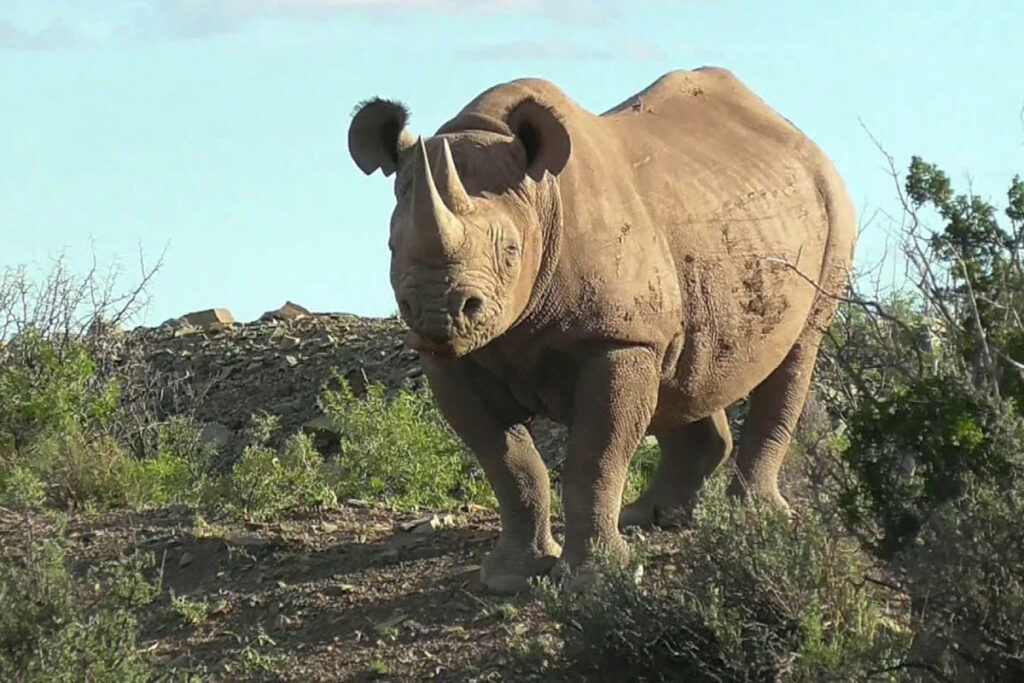
Established in 1979, Karoo National Park was created to conserve a representative portion of the Nama Karoo biome, one of South Africa’s largest and most fragile ecosystems. Over the years, SANParks has strengthened the park’s conservation footprint by reintroducing key species such as black rhino, Cape mountain zebra, cheetah, brown hyena, and lions. Today, a Karoo National Park safari offers the perfect mixture of accessible game viewing and dramatic semi-desert scenery.
The park is globally famous for its fossil fields, which form part of the Beaufort Group in the Karoo Supergroup — a geological treasure chest containing fossils older than dinosaurs. For this reason, Karoo National Park is not only a wildlife destination but also one of the most valuable paleontological regions in the world, attracting scientists, students, and fossil enthusiasts from across the globe.
Location and Size – Where to Find Karoo National Park
Karoo National Park is located just outside Beaufort West in South Africa’s Western Cape Province. It lies directly along the N1 national highway, making it a perfect stopover for travellers driving between Cape Town, Johannesburg, Kimberley, or Bloemfontein. Despite its easy access, the park immediately immerses visitors in a quiet, expansive desert environment.
Covering roughly 770–830 km², the park stretches across the Great Karoo plains and climbs into the Nuweveld Mountains, creating a dramatic backdrop for wildlife viewing and photography. For travellers searching Google for “Karoo National Park map,” “Karoo National Park location,” or “how big is Karoo National Park,” this diverse landscape offers a large, uncrowded, and authentic wilderness experience.
Geography and Geology – The Fossil Heart of the Great Karoo
Karoo National Park’s geography is dominated by rugged escarpments, flat-topped plateaus, dolerite-capped mesas, and vast semi-desert plains. The Nuweveld Mountains form the park’s scenic backbone, offering spectacular viewpoints along routes such as Klipspringer Pass and the 4×4 mountain trails.
Geologically, the park is internationally significant. The Beaufort Group rocks found in the Karoo contain fossils dating back 240–260 million years, including therapsids (mammal-like reptiles), early amphibians, and prehistoric plants. These formations help scientists understand mass extinction events and the evolution of early terrestrial life. Visitors can explore interpretive displays that bring the Karoo fossil story to life, making Karoo National Park one of South Africa’s best destinations for geology and natural history.
Climate – Weather in Karoo National Park
Karoo National Park has an extremely dry, semi-arid climate with low rainfall and wide temperature differences. Rainfall averages just 200–260 mm per year, making the region one of the driest in South Africa. Summer temperatures frequently soar above 40°C, particularly on the plains, while winter nights can fall below freezing — especially at higher altitudes in the Nuweveld Mountains.
The extreme climate shapes every aspect of life in the park, from plant survival strategies to the behaviour of wildlife. When planning a Karoo National Park safari or road trip, travellers should consider seasonal temperature changes to choose the best time to visit.
Hydrology – Water Sources in the Karoo
Although the Karoo is known for dryness, seasonal hydrology still plays an important ecological role. The park features dry riverbeds, known locally as “riviere,” which fill after rainstorms and support specialized riparian vegetation. Small dams, natural springs, and artificial waterholes provide essential habitats for birds, large herbivores, predators, and desert-adapted small mammals.
Because water scarcity is a defining feature of the Great Karoo, SANParks manages water strategically to maintain ecological balance, especially during periods of prolonged drought. These hydrological systems are essential to long-term Karoo National Park conservation.
Ecosystems and Habitats – Inside the Nama Karoo Biome
Karoo National Park protects some of the most characteristic habitats of the Nama Karoo biome. Although at first glance the landscape seems sparse, the park is rich in microhabitats that support a wide range of animal and plant species.
- Dwarf Shrubland: Dominant vegetation of hardy, drought-resistant shrubs.
- Rocky Slopes & Escarpments: Home to klipspringer, baboons, and raptors.
- Mountain Plateaus: Cooler microclimates with rare plants and seasonal blooms.
- Dry Riverbeds: Taller shrubs and acacias attracting browsers and birdlife.
These habitats form the foundation of the Karoo National Park ecosystem, supporting species specifically adapted to desert conditions.
Vegetation – Flora of Karoo National Park
Karoo National Park vegetation is dominated by low, drought-tolerant shrubs and succulents capable of surviving intense sun and minimal rainfall. Many plants grow close to the ground to reduce moisture loss, while others have developed deep root systems or fleshy leaves to store water. This vegetation supports grazing animals during brief periods of abundance following rare rains.
In wet years, visitors can witness wildflower blooms across the plains — a rare but spectacular event that transforms the semi-desert into a carpet of colour. These blooms contribute to pollinator activity and form part of the park’s fragile seasonal ecosystem.
Wildlife in Karoo National Park
Mammals
A Karoo National Park safari offers excellent sightings of desert-adapted wildlife. While it is not a traditional Big Five park, it has successfully reintroduced several important species, adding depth to wildlife viewing.
- Springbok: Common across the plains in large herds.
- Cape Mountain Zebra: A conservation success story in the park.
- Black Wildebeest: Often seen in energetic herds.
- Gemsbok (Oryx), Eland, Kudu, Hartebeest: Iconic Karoo herbivores.
- Lions: Reintroduced predators restoring natural ecological balance.
- Caracal, Bat-eared Fox, Brown Hyena: Smaller carnivores commonly seen.
Smaller mammals such as mongoose, rock hyrax, and ground squirrels are abundant and contribute significantly to the ecological diversity of the park.
Birdlife – Birding in Karoo National Park
Karoo National Park is one of South Africa’s best destinations for arid-zone birdwatching. Birders can expect outstanding raptor viewing, as well as numerous Karoo endemics and desert-adapted species.
- Verreaux’s Eagle: Often seen soaring above mountain cliffs.
- Martial Eagle & Jackal Buzzard: Powerful hunters of the plains.
- Ostrich: Abundant across open scrubland.
- Karoo Lark, Karoo Chat, Spike-heeled Lark: Key target species for birders.
- Sunbirds, buntings, and wheatears: Found along drainage lines.
Reptiles, Amphibians & Invertebrates
Karoo National Park is known for having one of the highest diversities of tortoises in any protected area. Reptiles and invertebrates play a crucial role in the park’s semi-desert ecology.
- Leopard tortoise and Karoo padloper
- Geckos, agamas, and skinks
- Puff adders and harmless house snakes
- Seasonal frogs appearing after rain
- Beetles, scorpions, ants, spiders, and termites
Unique Features of Karoo National Park
Karoo National Park stands out among South Africa’s national parks for several reasons. Its combination of fossil heritage, semi-desert safari experiences, and dramatic mountain scenery makes it one of the country’s most distinctive wilderness areas.
- Klipspringer Pass: One of the most scenic mountain roads in South Africa.
- Karoo Fossil Sites: Some of the oldest vertebrate fossils on Earth.
- Dark-Sky Stargazing: Exceptional astrophotography opportunities.
- Uncrowded safari routes: Ideal for travellers seeking solitude.
Cultural and Historical Significance
The wider Karoo region has a deep cultural history linked to the Khoisan, early pastoralists, and colonial expansion. Beaufort West, the gateway to Karoo National Park, is the oldest town in the Great Karoo and offers heritage sites, museums, and cultural attractions that enrich the visitor experience.
Conservation Importance
Karoo National Park plays a crucial role in conserving the Nama Karoo biome and its desert-adapted species. The park protects threatened species such as Cape mountain zebra and black rhino, while carefully managing predator populations and restoring natural ecological processes lost over decades of farming.
In addition to biological conservation, the park protects globally significant fossil deposits that help scientists understand major evolutionary events.
Threats and Challenges
Like many semi-arid ecosystems, the park faces threats such as climate change, habitat fragmentation outside its borders, potential poaching, invasive vegetation, and pressure on water resources. Conservation managers use scientific monitoring and adaptive strategies to address these challenges effectively.
Research and Monitoring Programs
Karoo National Park is an important scientific research hub, focusing on semi-arid ecology, vegetation monitoring, fossil studies, predator–prey dynamics, and climate resilience. Long-term studies guide SANParks in protecting both biodiversity and the park’s geological heritage.
Tourism Activities and Things to Do
Karoo National Park offers a variety of activities for both adventure travellers and families. Visitors can enjoy wildlife viewing, mountain scenery, 4×4 trails, birding, and fossil exploration.
- Self-drive safaris on scenic game-viewing routes.
- 4×4 eco-trails for experienced off-road drivers.
- Birdwatching with excellent opportunities for raptors and Karoo endemics.
- Short walking trails for landscape and geology lovers.
- Stargazing in some of South Africa’s clearest night skies.
Access and Getting to Karoo National Park
Access to the park is straightforward. Karoo National Park is located just 5–10 minutes from Beaufort West and directly off the N1. This makes it perfect for travellers driving between Cape Town and Johannesburg or exploring the Garden Route and central Karoo.
Most park roads are accessible to 2×4 vehicles, although certain mountain passes and eco-routes require a 4×4. Clear signage and well-maintained roads make self-drive safaris very convenient.
Entrance Fees, Permits and Park Rules
Entrance fees for Karoo National Park can be paid at the gate or covered by a SANParks Wild Card. Visitors must follow established national park regulations to ensure safety and preserve fragile desert ecosystems.
- No off-road driving.
- Do not feed wildlife.
- Observe speed limits at all times.
- Only use designated picnic and braai areas.
- Respect quiet zones, wildlife, and other visitors.
Accommodation – Where to Stay in Karoo National Park
Karoo National Park offers excellent SANParks accommodation, including self-catering chalets, family cottages, and a beautiful campsite with mountain and plains views. Many units offer verandas ideal for sunrise, sunset, and wildlife watching.
Facilities typically include a restaurant, swimming pool, small shop, and well-maintained picnic sites. Travellers looking for additional accommodation options will find numerous guesthouses and hotels in Beaufort West, only a few minutes away.
Best Time to Visit Karoo National Park
The best time to visit Karoo National Park is during the cooler seasons of autumn (March–May) and spring (August–October). These months offer comfortable temperatures for game drives, hiking, and photography.
Summer is extremely hot but ideal for dramatic landscapes and thunderstorms, while winter offers crisp air, excellent stargazing, and the possibility of snow on the Nuweveld Mountains.
Why Karoo National Park Is Unique
Karoo National Park is one of South Africa’s most distinctive national parks, offering desert-adapted wildlife, world-famous fossils, dramatic mountain scenery, and unmatched solitude. Its combination of natural beauty, cultural history, geology, stargazing, and accessibility makes it a top choice for travellers seeking a unique South African safari experience.
Whether you are planning a road trip, a Great Karoo safari, or a quiet escape into one of South Africa’s most ancient landscapes, Karoo National Park promises unforgettable views, rich biodiversity, and a deep connection to the timeless wilderness of the Karoo.