
Karuma Wildlife Reserve
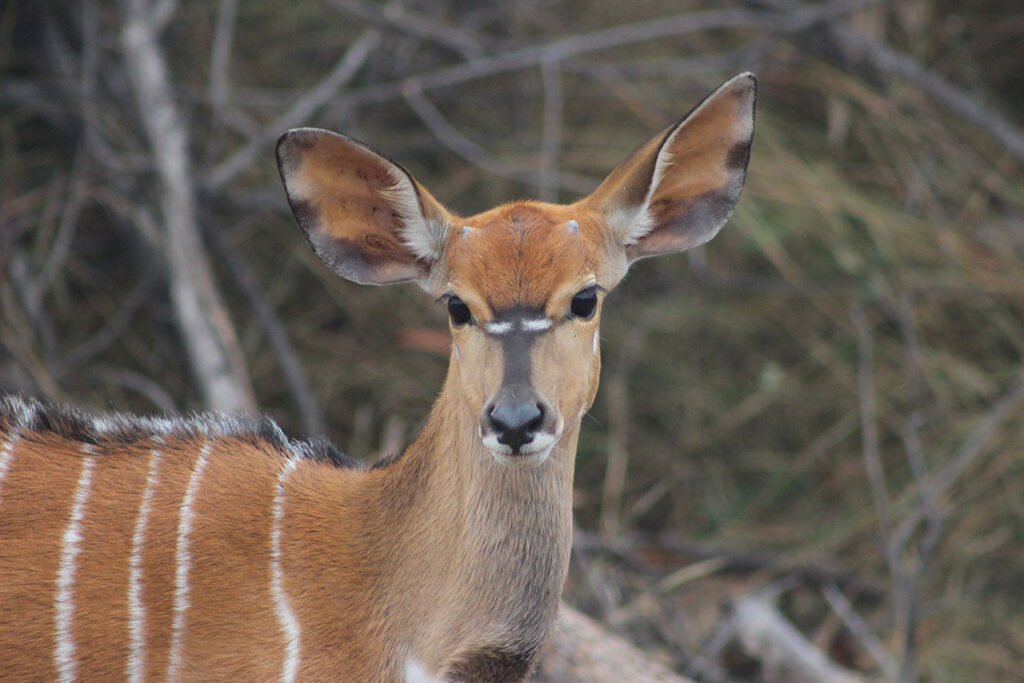
Karuma Wildlife Reserve – Uganda’s Scenic Wilderness of Karuma Falls, Nile Landscapes, Savannah Wildlife Corridors, and Untouched Natural Beauty
Karuma Wildlife Reserve is one of Uganda’s most important and visually stunning protected areas—a wild and richly biodiverse landscape where the mighty Victoria Nile roars through a chain of turbulent rapids, savannah plains stretch endlessly across the horizon, and riverine forests shelter rare wildlife. Covering approximately 675 km², this reserve forms a critical part of the Murchison Falls Conservation Area (MFCA), preserving essential migration routes, breeding grounds, and feeding areas for some of northern Uganda’s most iconic species. Its dramatic scenery, ecological importance, and low visitor density make it one of the country’s most underrated yet deeply rewarding wilderness destinations.
The centerpiece of the reserve is the famous Karuma Falls, a thunderous series of rapids created by ancient granite rocks that disrupt the Nile’s flow. These rapids, combined with rolling savannahs, acacia woodlands, and lush riverine belts, create a mosaic of habitats that support elephants, lions, Uganda kob, buffalo, leopards, primates, and an extraordinary array of birdlife. For travelers seeking wild landscapes, exceptional birdwatching, and a quieter alternative to heavily visited parks, Karuma Wildlife Reserve offers an immersive and authentic safari experience strongly rooted in Uganda’s natural heritage.
Overview of Karuma Wildlife Reserve
Karuma Wildlife Reserve was gazetted in 1964 to protect the ecologically rich landscape around the Karuma Falls stretch of the Victoria Nile. The area had long served as a migration corridor for wildlife moving between the north and south of the MFCA. As human settlement expanded around the park boundaries during the mid-20th century, the need for an official conservation area became urgent, leading to Karuma’s establishment as a safeguard for wildlife and river ecosystems.
Today, Karuma Wildlife Reserve plays a central role in ecological connectivity, linking Murchison Falls National Park to Budongo Forest Reserve and ensuring uninterrupted animal movement through one of Uganda’s most important conservation landscapes. The reserve supports high biodiversity, acts as a buffer zone against poaching, and provides critical feeding grounds for large herbivores and predators. It is also a valuable area for ecological research, especially concerning wildlife migration, river hydrology, and human–wildlife coexistence strategies.
Location and Size
Karuma Wildlife Reserve is located in northwestern Uganda and spans Kiryandongo, Oyam, and Nwoya districts. The reserve stretches along both sides of the Kampala–Gulu highway, making it one of the easiest protected areas to access by road. Immediately adjacent to the Karuma Bridge—a major landmark on the highway—the reserve serves as the northern gateway to the greater Murchison Falls ecosystem.
The reserve covers approximately 675 km² and occupies a strategic position between major ecological zones. To the south lies the Budongo Forest, famous for its chimpanzee population, while to the northwest lies Murchison Falls National Park—Uganda’s largest and oldest park. This location makes Karuma a biological corridor essential for seasonal wildlife movement and genetic exchange.
Geography and Geology
Karuma Wildlife Reserve’s landscape is defined by the dramatic interaction of water, rock, and savannah. The most striking geological feature is the granite bedrock that forces the Victoria Nile into a turbulent series of rapids known collectively as Karuma Falls. These rapids are not typical waterfalls but a chain of powerful white-water cascades extending several kilometers upstream and downstream.
Away from the river, the reserve features gently undulating plains interspersed with wooded hills, acacia groves, and scattered granite outcrops. The geological diversity creates numerous ecological niches, supporting everything from large herbivores to arboreal primates and raptors that thrive along the rocky cliffs.
- Granite ridges: Influence river flow and create dramatic rapids.
- Rolling savannah plains: Ideal for grazers and predators.
- Alluvial riverbanks: Fertile ground for dense vegetation.
- Scattered outcrops: Provide shade, shelter, and lookout points for wildlife.
Climate
Karuma Wildlife Reserve experiences a warm tropical savannah climate influenced by its proximity to the Nile and the northern savannah belt. Average temperatures range from 20°C to 30°C, making it a pleasant destination year-round. Seasonal variations in rainfall shape wildlife behavior, vegetation patterns, and river levels.
- Long rains (March–May): The landscape becomes lush, attracting breeding birds and smaller herbivores.
- Short rains (September–November): Support the regrowth of grasses and stabilize water levels.
- Dry season (December–February & June–August): The best time for wildlife viewing as animals gather near the Nile and permanent waterholes.
The seasonal flooding and drying cycles support a broad range of habitats from swampy riverbanks to dry savannah, enhancing wildlife diversity.
Hydrology and Rivers
The hydrology of Karuma Wildlife Reserve is dominated by the Victoria Nile, one of Africa’s most important river systems. As the Nile enters the reserve, it encounters granite formations that create a spectacular series of rapids—Karuma Falls. These rapids oxygenate the water, support fish populations, and create microhabitats for aquatic and semi-aquatic species.
- Victoria Nile: The main water artery sustaining wildlife year-round.
- Rocky pools and rapids: Critical for hippos, crocodiles, and riverine birds.
- Seasonal swamps: Provide grazing areas for antelopes during rainy months.
The river also influences nearby vegetation, creating dense riverine forests that shelter primates, antelopes, birds, and reptiles. Hydrological stability in Karuma is essential for maintaining ecological balance throughout the MFCA.
Ecosystems and Habitats
Karuma Wildlife Reserve contains a mosaic of interconnected ecosystems that support a wide range of species. These habitats shift from dense forest corridors near the Nile to wide-open savannahs dotted with acacia and woodland vegetation further inland. The variety of ecosystems makes Karuma one of Uganda’s richest wildlife corridors.
- Acacia and savannah woodlands: Dominated by grazers and browsers.
- Riverine forests: Thick vegetation along the Nile housing primates and forest birds.
- Open grasslands: Preferred feeding grounds for Uganda kob and buffalo.
- Rocky riverbanks: Home to crocodiles, fish eagles, and nesting birds.
Vegetation
The vegetation in Karuma Wildlife Reserve ranges from tall elephant grass and savannah shrubs to riverine hardwood trees. This botanical diversity sustains herbivores, predators, insects, and birds throughout the year.
- Acacia and Combretum species: Common across savannah plains.
- Fig trees and mahogany: Thriving in riverine forests.
- Elephant grass: Popular among grazers during rainy months.
- Papyrus and reeds: Found in wetland patches along the Nile.
These vegetation zones also provide cover for breeding animals and nesting sites for birds, contributing to the reserve’s ecological resilience.
Wildlife of Karuma Wildlife Reserve
Mammals
As part of the MFCA, Karuma Wildlife Reserve hosts an impressive variety of mammals. Wildlife moves freely between Karuma, Bugungu, Karuma Ranch, Budongo Forest, and Murchison Falls National Park, creating a dynamic and thriving ecosystem.
- Elephants: Frequently sighted along riverbanks and forest edges.
- Lions: Often observed hunting Uganda kob and buffalo.
- Leopards: Thriving in wooded and rocky habitats.
- Buffalo: Herds graze throughout the reserve.
- Uganda kob: The most abundant antelope in the region.
- Waterbuck, hartebeest, and bushbucks common across the plains.
Primates
Karuma’s riverine forests offer ideal habitats for several primate species. They are especially active around the rapids where food sources are abundant.
- Olive baboons
- Vervet monkeys
- Black-and-white colobus monkeys
Birdlife
Karuma Wildlife Reserve is a premier birding destination with over 350 recorded species. The Nile attracts aquatic birds, while woodlands host raptors, ground birds, and forest specialists.
- African fish eagle
- Goliath heron
- Pied and malachite kingfishers
- Grey crowned crane
- Secretary bird
- Martial eagle
Reptiles, Amphibians, and Insects
- Nile crocodiles: Common along riverbanks.
- Monitor lizards: Frequently seen basking on rocks.
- Pythons and cobras: Favor woodland and rocky habitats.
- Tree frogs and bullfrogs: Thrive in wetlands.
- Butterflies and dragonflies: Abundant near the Nile.
Unique Features of Karuma Wildlife Reserve
Karuma Wildlife Reserve stands out for its combination of dramatic river scenery, diverse wildlife, and strategic conservation value. The roaring Karuma Falls rapids are unlike any other feature within Uganda’s protected areas, creating breathtaking viewpoints and excellent photography opportunities.
- Karuma Falls: A spectacular multi-kilometer cascade of rapids on the Nile.
- Key wildlife corridor: Crucial for elephant and antelope migration.
- Beautiful riverine forests: Rare habitats supporting primates and birds.
- Unspoiled savannah landscapes: Ideal for low-impact safaris.
Cultural and Indigenous Communities
The reserve is surrounded by communities belonging to the Acholi, Lango, and Banyoro ethnic groups. These communities depend heavily on agriculture, fishing, and traditional resource use. Cultural beliefs related to rivers, forests, and wildlife shape how residents interact with the land.
Collaborative conservation initiatives engage local people through:
- Employment opportunities in tourism and ranger programs
- Environmental education and youth programs
- Human–wildlife conflict mitigation strategies
- Sustainable agricultural and livelihood training
Conservation Importance
Karuma Wildlife Reserve plays a vital conservation role within the Murchison Falls Conservation Area. It serves as a wildlife buffer zone, protecting migration routes and stabilizing the ecological balance of northern Uganda’s most important protected area network.
- Protects the Nile corridor: essential for aquatic life.
- Maintains elephant migration: between Budongo and Murchison.
- Buffers human–wildlife pressure: around the MFCA.
- Supports threatened species: including raptors and primates.
Ongoing conservation work includes anti-poaching operations, community extension programs, ecological surveys, and habitat restoration.
Threats and Challenges
While Karuma remains an important wildlife refuge, it faces several conservation challenges that require long-term mitigation:
- Poaching for bushmeat and ivory.
- Encroachment from expanding farmland.
- Infrastructure development modifying hydrology and habitats.
- Human–wildlife conflict due to crop raiding.
- Wildfires affecting woodland regeneration.
Research and Monitoring
Karuma Wildlife Reserve is a key research site for understanding wildlife movement, hydrology, vegetation change, and conservation threats within the MFCA. Scientists and conservationists monitor:
- Elephant and buffalo migration patterns
- River health and fish populations
- Bird species distribution
- Vegetation recovery after fire
- Human–wildlife coexistence trends
Tourism Activities
Although Karuma does not receive as many tourists as Murchison Falls National Park, it offers exceptional low-impact activities for nature lovers:
- Wildlife viewing: along roads surrounding the reserve.
- Photography: especially at Karuma Falls.
- Birdwatching: in riverine forests and savannah woodlands.
- Guided nature walks: in designated safe areas.
- Scenic river viewpoints: offering stunning panoramas.
Access and Getting There
Karuma Wildlife Reserve is one of the easiest reserves to access in Uganda:
- By Road: 3–4 hours from Kampala via the Kampala–Gulu highway.
- By Air: Nearby Pakuba Airstrip in Murchison Falls NP offers charter flights.
The reserve surrounds the Karuma Bridge, ensuring travelers have sweeping views of the rapids and wildlife even during transit.
Permits, Fees, and Park Rules
Visitors are required to follow Uganda Wildlife Authority regulations to ensure sustainable conservation:
- MFCA entry fees apply at designated gates.
- No off-road driving or habitat disturbance.
- No approaching or feeding wildlife.
- Walking only with ranger escorts.
- No littering or damaging vegetation.
Accommodation
Accommodation options inside the reserve are limited, but excellent facilities are available nearby within the MFCA and along the highway.
- Chobe Safari Lodge: A luxury lodge overlooking the Nile.
- Government rest houses: Limited availability around Karuma.
- Lodges in Murchison Falls NP: 1–2 hours away.
- Hotels in Kiryandongo, Oyam, and Nwoya districts.
Best Time to Visit
The best time to visit Karuma Wildlife Reserve is during the dry seasons (December–February and June–August). Wildlife congregates near the Nile, vegetation thins, and photography conditions improve. The wet season (March–May and September–November) transforms the landscapes into lush greenery and offers excellent birdwatching.
Why Karuma Wildlife Reserve Is Unique
Karuma Wildlife Reserve is unique for its dramatic Nile rapids, diverse wildlife, unspoiled savannahs, rich riverine forests, and crucial ecological role within Uganda’s largest conservation landscape. Unlike busier destinations, Karuma offers serenity, raw nature, and rare wildlife encounters without crowds—making it an exceptional destination for travelers seeking a peaceful yet wildlife-rich safari experience.
Its strategic location, spectacular scenery, abundant biodiversity, and conservation importance make Karuma Wildlife Reserve one of Uganda’s most valuable and captivating wilderness areas—an authentic gem awaiting exploration.