
Chad Basin National Park
Chad Basin National Park – Nigeria’s Semi-Arid Wilderness, Ramsar Wetlands, and Transboundary Biodiversity Treasure in the Lake Chad Basin
Chad Basin National Park is one of Nigeria’s most ecologically significant protected areas, covering approximately 2,258 km² across three distinct sectors—Chingurmi–Duguma, Bade–Nguru Wetlands, and the Bulatura Oases. Positioned in northeastern Nigeria within the fragile Sahel ecological belt, the park protects an exceptional mosaic of semi-arid savanna, floodplains, desert scrub, Sahara-fringe dunes, oasis systems, and internationally important wetlands. As part of the wider Lake Chad Basin, the park plays a crucial role in safeguarding biodiversity, supporting hydrological stability, and serving as a major refuge for Palearctic migratory birds and Sahelian wildlife.
Despite the intense environmental pressures facing the Sahel—including desertification, climate change, and the dramatic shrinkage of Lake Chad—the park remains a vital stronghold for wildlife, cultural heritage, and wetland-dependent communities. Its landscapes highlight both the fragility and resilience of one of Africa’s most climate-sensitive regions.
Location and Ecological Importance
The park stretches across Borno and Yobe States, connecting ecologically to Cameroon, Niger, and Chad. This transboundary positioning makes Chad Basin National Park a critical conservation landscape within West Africa. Historically, wildlife moved freely between Nigeria and Cameroon’s Waza National Park, contributing to one of the richest Sahelian migration systems. Although these migrations have declined, the region remains a vital ecological corridor and a priority zone for restoration.
Situated in the Sahel transition zone, the park experiences extreme temperatures, variable rainfall, and strong Harmattan winds that shape its vegetation and wildlife distribution. This positioning also makes the park an important research site for understanding desertification, hydrological decline, and the long-term impacts of Lake Chad’s drying.
The Three Sectors of Chad Basin National Park
1. Chingurmi–Duguma Sector
The Chingurmi–Duguma Sector, located near Nigeria’s border with Cameroon, features expansive acacia woodland, combretum savanna, sandy plains, and desert scrubland. Historically linked to Cameroon’s Waza National Park, this sector once supported large herds of elephants and giraffes. Though wildlife numbers have changed, it remains home to several important Sahelian species, including:
- Roan antelope
- Red-fronted gazelle
- Patas monkey
- Oribi
- Honey badger
- African wildcat
- Caracal
- Striped hyena
- Side-striped jackal
The landscape’s openness makes the Chingurmi–Duguma sector valuable for wildlife monitoring, ecological research, and future transboundary corridor restoration initiatives.
2. Bade–Nguru Wetlands Sector (Ramsar Site & IBA)
The Bade–Nguru Wetlands are the most globally significant portion of the park, recognised as a Ramsar Site and an Important Bird Area (IBA). Seasonal flooding from the Hadejia, Jama’are, and Komadugu–Yobe rivers creates a dynamic floodplain of papyrus swamps, riparian forests, shallow lakes, marshes, and rice fields. These wetlands provide essential habitat for millions of waterbirds, making the region a key stopover on the East Atlantic Flyway.
More than 300 bird species have been recorded here, with peak numbers arriving between November and March. Notable species include:
- Garganey
- Black-tailed godwit
- White-faced whistling duck
- Eurasian teal
- Saddle-billed stork
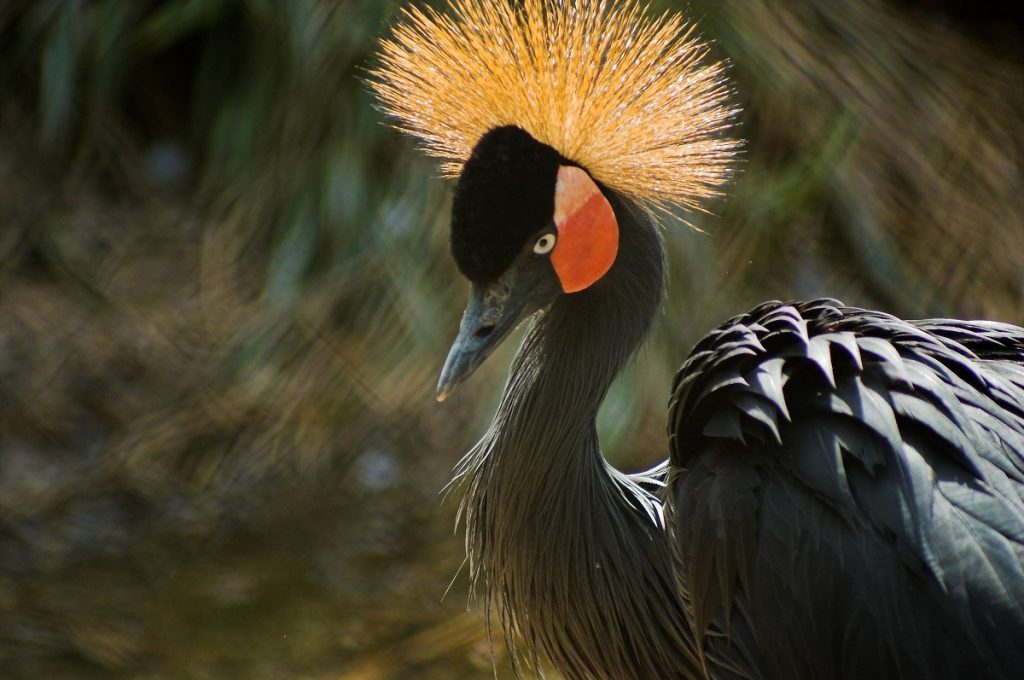
- Black-crowned crane
- Fulvous whistling duck
The wetlands support vital livelihoods through rice farming, fishing, floodplain agriculture, and sustainable grazing, illustrating their cultural and socio-economic significance.
3. Bulatura Oases Sector
The Bulatura Oases represent one of Nigeria’s only true desert environments, featuring permanent freshwater springs, date palm groves, Sahara-fringe sand dunes, and fossil river channels. This sector provides essential water sources and rare microhabitats for desert wildlife such as:
- Dorcas gazelle
- Pale fox
- Sand cat (rare)
- Desert rodents
- Reptiles adapted to extreme aridity
The oases are also culturally significant, sustaining traditional date palm cultivation and providing refuge for pastoral communities navigating increasingly harsh conditions.
Landscape, Ecosystems, and Hydrology
The park encompasses diverse habitats shaped by extreme climate variability, seasonal flooding, and the long-term drying of the Lake Chad Basin. Key ecosystems include:
- Sahelian thornbush savanna
- Floodplain wetlands and marshes
- Papyrus swamps and riparian forests
- Seasonal fadama floodplains
- Sahara-fringe dune fields
- Freshwater oases
Hydrology is central to the park’s ecological function. Annual floods from the Komadugu–Yobe Basin sustain fish cycles, trigger plant growth, and drive massive bird migrations. However, reduced flood volumes due to climate change and upstream irrigation present significant challenges, making wetland conservation more urgent than ever.
Flora
Plant life across Chad Basin National Park reflects exceptional adaptation to drought, flooding, and desert conditions. Dominant species include:
- Acacia seyal
- Acacia nilotica
- Balanites aegyptiaca (Desert date)
- Ziziphus mauritiana
- Cenchrus biflorus
- Schoenefeldia gracilis
- Papyrus reeds
- Date palms
These species support wildlife, stabilise soils, and provide essential resources for local communities, especially within oasis habitats.
Wildlife of Chad Basin National Park
The park remains a sanctuary for Sahelian and desert wildlife despite historical pressures. Its fauna includes mammals, birds, reptiles, and amphibians adapted to extreme heat, seasonal scarcity, and highly variable water conditions.
Mammals
- Roan antelope
- Kob
- Red-fronted gazelle
- Patas monkey
- Oribi
- Honey badger
- Pale fox
- African wildcat
- Caracal
- Striped hyena
- Dorcas gazelle (in Bulatura)
Birdlife
More than 300 bird species have been recorded, with numbers peaking in the dry season as millions of Palearctic migrants arrive from Europe, Asia, and the Middle East. The park is a critical site along the East Atlantic Flyway, making it a world-class destination for ornithologists and birdwatchers.
Reptiles and Amphibians
The park hosts desert-adapted reptiles such as sand boas, monitor lizards, geckos, desert tortoises, and several amphibians that thrive in temporary wetlands during the rainy season.
Communities and Cultural Heritage
The park is surrounded by diverse communities—including the Kanuri, Bade, Nguru, Manga, Fulani, and Shuwa Arabs—whose livelihoods depend on floodplain agriculture, fishing, rice cultivation, and pastoralism. Their traditional ecological knowledge, such as water harvesting techniques and sustainable grazing practices, is invaluable to the park’s conservation efforts.
Conservation Significance
Chad Basin National Park is vital for:
- Protecting Ramsar-designated wetlands
- Preserving migratory bird routes
- Supporting Sahelian wildlife under climate stress
- Mitigating desertification
- Supporting local livelihoods through ecosystem services
The park also serves as a natural buffer against land degradation, helping stabilise soils and preserve biodiversity in a rapidly changing landscape.
Threats and Challenges
Major threats include:
- Desertification and dune encroachment
- Climate change altering rainfall and flood patterns
- Shrinking wetlands due to reduced river inflow
- Poaching and illegal grazing
- Bushfires
- Security challenges limiting access and monitoring
The drying of Lake Chad remains the most significant long-term threat, affecting wildlife, hydrology, and community livelihoods across the basin.
Conservation and Research Initiatives
Conservation efforts involve partnerships between the Nigerian National Park Service (NNPS), the Nigerian Conservation Foundation (NCF), local communities, and international bird-monitoring organisations. Ongoing initiatives include:
- Migratory bird census programs
- Anti-poaching patrols
- Wetland hydrology modelling
- Community-based resource management
- Cross-border wildlife monitoring
The park is also a vital research hub for Sahel ecology, climate adaptation, desertification, and wetland conservation.
Tourism and Visitor Experience
Tourism is limited due to remoteness and infrastructure challenges, but offers rewarding experiences for adventurous travellers and researchers. Key attractions include:
- Bade–Nguru Wetlands – world-class birdwatching
- Chingurmi–Duguma – Sahelian wildlife viewing
- Bulatura Oases – desert exploration and cultural encounters
Visitors require experienced guides, 4×4 vehicles, and early planning. Accommodation options are available in nearby towns like Nguru, Gashua, and Geidam.
Best Time to Visit
The ideal time to visit is during the dry season (November–March) when migratory birds arrive in massive numbers, and wildlife gathers around wetlands. The wet season offers lush landscapes but may limit accessibility due to flooding.
Why Visit Chad Basin National Park?
Chad Basin National Park provides an extraordinary opportunity to experience Nigeria’s most ecologically diverse semi-arid landscapes—from Ramsar wetlands and Sahel savannas to rare desert oases. For birdwatchers, conservationists, and travellers seeking remote and authentic wilderness experiences, the park is an invaluable destination offering a deep connection to the natural and cultural heritage of the Lake Chad Basin.
Conclusion
Chad Basin National Park stands as a vital ecological treasure, protecting some of Nigeria’s most unique and vulnerable ecosystems. Despite significant environmental pressures, ongoing conservation efforts, community partnerships, and international collaborations continue to safeguard its wildlife, wetlands, and cultural landscapes. As climate change reshapes the Sahel, the park’s importance as a refuge for nature and people will only continue to grow.