
Chimanimani National Park
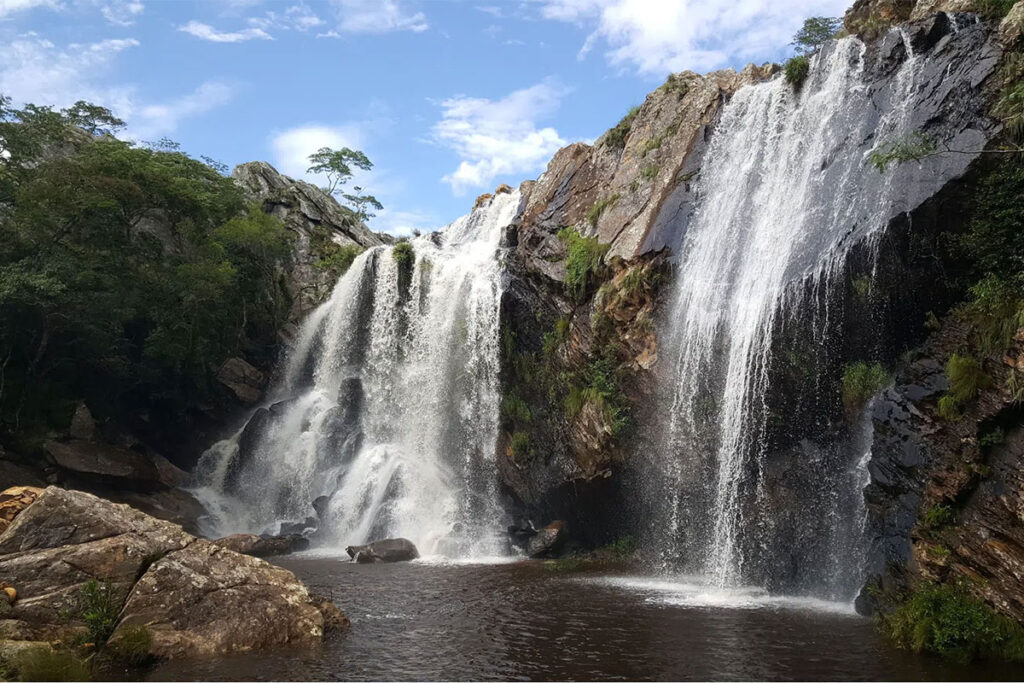
Chimanimani National Park – Zimbabwe’s Untamed Highland Sanctuary of Quartzite Peaks, Rare Biodiversity, Sacred Forests, and Ancient Rock Art
Chimanimani National Park is one of Southern Africa’s most awe-inspiring mountain wilderness areas, located along Zimbabwe’s eastern border with Mozambique. Famous for its majestic quartzite peaks, mist-filled valleys, spectacular waterfalls, crystal-clear rivers, and ancient San rock art, the park offers a rare blend of adventure, culture, and pristine nature. As the heart of the Chimanimani Transfrontier Conservation Area, this rugged mountain range protects globally important ecosystems and provides one of Zimbabwe’s most rewarding hiking destinations.
Chimanimani remains one of Africa’s least disturbed mountain sanctuaries—a place where visitors can walk for hours without seeing another person, where forests whisper with mist, and where cliffs rise dramatically from emerald-green valleys. Its extraordinary biodiversity and geological history, coupled with its cultural significance and mountain solitude, make it one of Zimbabwe’s greatest natural treasures.
Location and Dramatic Mountain Landscape
Chimanimani National Park lies in southeastern Zimbabwe, directly bordering Mozambique. Its centerpiece is the Chimanimani Mountains, a massive quartzite range rising over 2,000 meters above sea level. These mountains form some of the most striking alpine scenery in the entire Eastern Highlands.
The landscape is defined by:
- Knife-edge ridges with spectacular viewpoints
- Winding valleys often shrouded in cloud and mist
- Deep gorges carved by ancient rivers
- Granite domes and gigantic rock outcrops
- High-altitude plateaus overlooking Zimbabwe and Mozambique
- Forest-covered slopes rich in mosses, lichens, and ferns
Combined, these features create a dramatic and atmospheric wilderness—ideal for hiking, photography, and wilderness immersion.
Geology and Formation of the Chimanimani Mountains
The Chimanimani Mountains are among the oldest geological formations in Africa, with origins dating back over 1.8 billion years. Dominated by quartzite and schist, the range was shaped through tectonic uplift and relentless erosion, producing some of the continent’s most unusual mountain formations.
Key geological features include:
- Vertical quartzite cliffs towering hundreds of meters above valleys
- Karst-like fissures and caverns shaped by wind and water
- Ancient fossil-bearing formations
- Natural rock arches and hidden caves
- Steep gullies formed by millennia of erosion
These formations create unique habitats for rare plants and animals and contribute to the park’s outstanding scenic beauty.
Climate and Ecological Zones
Chimanimani’s high elevation gives it a cooler, wetter climate compared to much of Zimbabwe. Moist air from the Indian Ocean condenses over the mountains, producing cloud forests, mist zones, and perennial rivers.
The ecological zones include:
- Afromontane evergreen forests in the moist valleys
- High-altitude heathlands dominated by proteas, ericas, and wildflowers
- Brachystegia (miombo) woodland at lower elevations
- Moist ravine forests rich in mosses, orchids, and ferns
- Montane grasslands supporting endemic plant species
These habitats make Chimanimani one of Zimbabwe’s most important biodiversity hotspots.
Flora of Chimanimani
Chimanimani National Park is famous for its exceptional plant diversity. Its remote high-altitude zones and moist forests support species rarely found elsewhere in Southern Africa.
Iconic plant highlights include:
- Endemic orchids thriving along misty slopes
- Protea species painting the hillsides in pink and silver
- Wild aloes clinging to rocky cliffs
- Afromontane tree species including yellowwood and redwood
- Rare ferns, mosses, and lichens in forested ravines
- Medicinal shrubs used by local communities for generations
The adjacent Haroni–Rusitu valley and Moribane Forest in Mozambique contain some of the last remaining patches of tropical evergreen forest in the region, further enhancing the area’s conservation value.
Wildlife of Chimanimani National Park
Although the park is not known for large mammals, its rugged terrain supports a diverse array of mountain-adapted species. Many animals thrive in the dense forests, rocky slopes, and cool high-altitude zones.
Mammals
- Blue duiker – shy antelope of forested valleys
- Samango monkeys leaping between forest canopies
- Klipspringers perched on quartzite cliffs
- Bushbuck along rivers and forest edges
- Rock hyrax sunning on granite boulders
- Leopard – rarely seen but known to roam the mountains
Birdlife
Chimanimani is a top birding destination, especially for Eastern Highlands specialists. The varied habitats support diverse birdlife, from forest dwellers to raptors.
- Swynnerton’s robin – a globally threatened species
- Livingstone’s turaco – a vibrant evergreen forest species
- Blue swallow
- Malachite sunbird
- Gurney’s sugarbird
- Crowned eagle among forested valleys
- Augur buzzard soaring over ridges
Reptiles, Amphibians, and Insects
- Flap-neck chameleon
- Eastern Highlands gecko found only in this region
- Rare mountain frogs in streams and pools
- Endemic butterflies adapted to high-altitude climates
- Dragonflies brightening clear mountain pools
The insect diversity in Chimanimani is exceptionally high, with numerous species still being documented.
Sacred Springs, Waterfalls, and Crystal Rivers
Chimanimani is blessed with some of Zimbabwe’s most beautiful natural water features. Fed by mountain rainfall and mist, these waters remain clean, fresh, and icy-cold year-round.
- Bridal Veil Falls – a romantic curtain of water flowing over a lush cliff
- Chikukwa Falls – deep within the highlands
- Kurwaisimba Falls – a remote, multi-tier cascade
- Outward Bound Falls used for adventure activities
- Tessa’s Pool – a natural swimming basin
- Haroni and Rusitu Rivers flowing into Mozambique
These rivers support wildlife, vegetation, and downstream communities in both Zimbabwe and Mozambique.
Mount Binga – The Highest Peak in the Chimanimani Range
Mount Binga (2,436 m), located in Mozambique but accessible through the park, is the highest peak in the entire Chimanimani Mountain Range. Its challenging ascent crosses quartzite ridges, rocky platforms, and high-altitude grasslands.
On a clear day, climbers enjoy 360-degree views stretching across two countries—a highlight of any Eastern Highlands adventure.
Hiking Trails, Rock Shelters, and Wilderness Huts
Chimanimani is Zimbabwe’s ultimate hiking paradise. With a network of challenging mountain routes, remote shelters, and breathtaking viewpoints, the park offers pure wilderness trekking.
- Chimanimani Plateau Trail – panoramic views and wildlife encounters
- Bailey’s Folly Pass – steep, narrow, and adventurous
- Skeleton Pass – one of the park’s oldest transborder routes
- Mount Binga Summit Trail
- Poultry Farm to Outward Bound Trail
Natural caves and overhangs serve as overnight shelters, while designated mountain huts provide rustic accommodation for multi-day trekkers.
Cultural Heritage and San Rock Art
Chimanimani holds deep cultural significance. Ancient San hunter-gatherers once lived in these mountains, leaving behind expressive rock paintings depicting wildlife, rituals, and spiritual beliefs. These sacred sites add immense archaeological and cultural value to the park, making it both a natural and cultural heritage destination.
Community Conservancies and Transboundary Cooperation
Local communities play an essential role in preserving Chimanimani’s natural resources. Organizations such as:
- Chikukwa Ecological Land Use Community Trust
- Mutsiyo Community Conservation Area
- Moribane Forest Custodians in Mozambique
work collaboratively with park authorities to protect forests, restore damaged ecosystems, and support ecotourism livelihoods.
The Impact of Cyclone Idai
In 2019, Cyclone Idai dramatically altered parts of Chimanimani’s landscape, reshaping riverbeds, exposing new rock formations, and impacting local communities. Many trails were rebuilt, and ecological restoration efforts have helped stabilize sensitive areas.
Today, Chimanimani’s post-Idai landscape remains both beautiful and historically significant, symbolizing resilience and renewal.
Access Through Mozambique
The Mozambican side of the range, accessible through Espungabera and Moribane Forest Camp, offers equally dramatic scenery, cultural experiences, and additional trails leading into the mountains.
Management and Governance
Chimanimani National Park is managed by the Zimbabwe Parks and Wildlife Management Authority (ZPWMA) in partnership with:
- Mozambique’s Chimanimani National Reserve
- Transfrontier Conservation Area (TFCA) programs
- Local community trusts
These collaborations protect cross-border ecosystems, montane forests, and rare species.
Safety, Navigation, and Visitor Preparedness
Because Chimanimani is a true wilderness destination, visitors are advised to:
- Carry proper hiking boots and warm clothing
- Pack navigation tools such as maps or GPS
- Bring enough food and water for multi-day treks
- Pay attention to weather changes and mist
- Use guides for challenging routes
The rugged terrain and sudden fog make safety awareness essential.
Ecosystem Services
Chimanimani provides vital ecological benefits including:
- Water regulation and watershed protection
- Soil stabilization on steep mountain slopes
- Carbon storage in evergreen forests
- Habitat for rare and endemic species
- Climate moderation for surrounding communities
Best Time to Visit
The ideal seasons for visiting are:
- April–August for clear skies and excellent hiking conditions
- November–March for lush landscapes and powerful waterfalls
Why Visit Chimanimani National Park?
Visitors choose Chimanimani for its remarkable blend of:
- Spectacular mountain scenery
- World-class hiking and climbing
- Rare flora and fauna
- Ancient rock art
- Waterfalls and clear rivers
- Peace, solitude, and wilderness immersion
Conclusion
Chimanimani National Park is a mountain paradise—an extraordinary landscape where towering quartzite peaks, sacred forests, cascading waterfalls, rare wildlife, and ancient cultural heritage come together in perfect harmony. For hikers, photographers, botanists, and travelers seeking untouched beauty, Chimanimani offers one of Africa’s most profound and unforgettable wilderness experiences.