
Chobe National Park
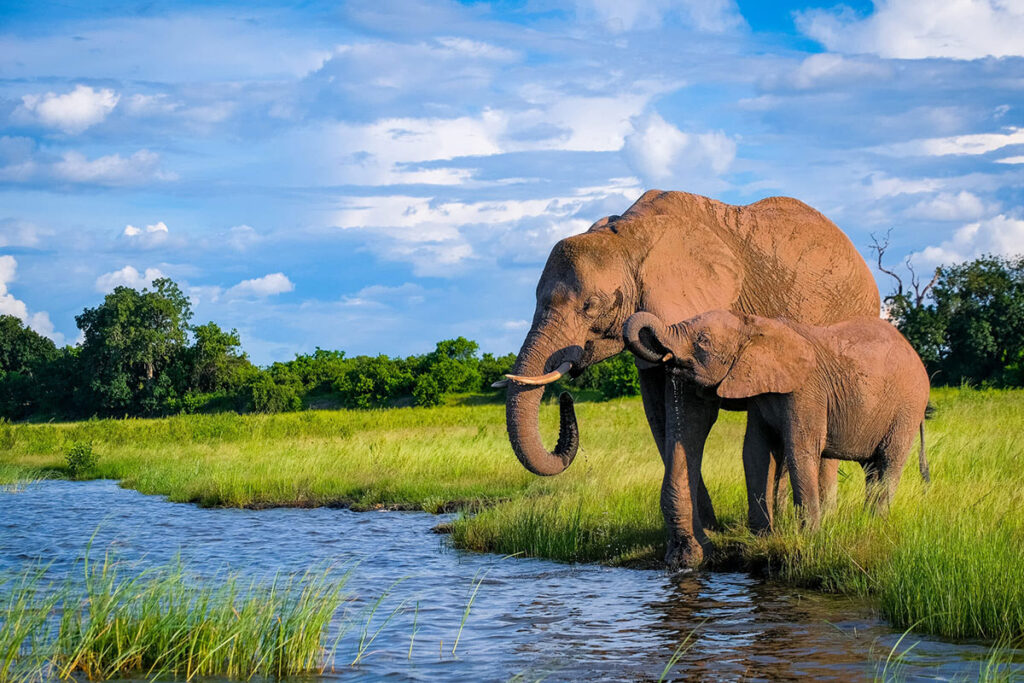
Chobe National Park – Botswana’s Iconic Land of Giant Elephants, Legendary River Safaris, Predator-Rich Savuti, and the Wild Linyanti Wetlands
Chobe National Park, located in the wildlife-rich northern corner of Botswana, is one of Africa’s most celebrated and biologically productive safari destinations. Famous for hosting the largest concentration of elephants in the world, Chobe also offers unforgettable river safaris, dramatic predator action in Savuti, and exclusive high-end wilderness experiences in Linyanti. Spanning approximately 10,700 km², this vast and diverse wilderness forms a core part of the KAZA Transfrontier Conservation Area, the largest cross-border conservation landscape on Earth.
The park’s incredible variety of ecosystems—ranging from lush floodplains along the Chobe River to remote marshes, open savannas, and dense mopane woodland—creates conditions for astonishing wildlife densities throughout the year. Chobe’s landscapes, wildlife movements, and seasonal spectacles attract photographers, safari lovers, and nature enthusiasts from across the globe.
Location, Geography, and Regional Significance
Chobe National Park lies at a strategic crossroads in southern Africa, where Botswana meets Namibia, Zambia, and Zimbabwe. The bustling town of Kasane forms the main gateway to the park, positioned only an hour from Victoria Falls and within easy reach of Namibia’s Caprivi (Zambezi Region). This makes Chobe one of the most accessible safari destinations for travelers combining multiple iconic attractions in one itinerary.
Chobe’s northern boundary is shaped by the Chobe River, a lifeline that supports abundant wildlife even in the harshest dry months. Inland, the landscape transforms into semi-arid woodlands, grasslands, and marshes that support both permanent and migratory wildlife populations.
The Four Major Safari Regions of Chobe National Park
Chobe is divided into four distinct safari zones, each delivering a unique wildlife and photographic experience. Understanding these regions is crucial for designing a perfect Chobe safari.
- Chobe Riverfront (Kasane–Serondela) – Known for river cruises, elephant herds, buffalo, and exceptional birdlife.
- Savuti (Savute) – A predator hotspot featuring lions, hyenas, cheetahs, and dramatic wildlife interactions.
- Linyanti Marsh – Exclusive, remote, and ideal for African wild dogs, elephants, and upmarket safaris.
- Ngwezumba Woodlands – A quieter area offering seasonal wildlife movement, pans, and woodland species.
Together, these landscapes create a safari ecosystem unmatched in diversity and density.
The Chobe Riverfront – Africa’s Premier Water-Based Safari Destination
The Chobe Riverfront is the park’s most iconic and accessible wildlife area. Stretching along the northern boundary from Kasane to Serondela, it is famous for its sunset boat cruises, dramatic riverbank game viewing, and unparalleled photography opportunities.
During the dry months (June–October), the river acts as the only reliable water source in the region, creating vast wildlife congregations. Visitors witness:
- Huge herds of elephants swimming across the river
- Buffalo herds tens to hundreds strong
- Hippos emerging from the water during golden-hour light
- Crocodiles patrolling sandbanks
- Giraffes, impalas, and sable antelope coming to drink
- Lions and leopards stalking the floodplains
The ability to watch wildlife from both water and land makes the Chobe Riverfront one of Africa’s most versatile safari environments.
Savuti – The Legendary Land of Lions, Hyenas, and Endless Drama
Savuti is a name synonymous with raw wilderness, big predators, and some of the continent’s most dramatic wildlife encounters. Its defining feature—the Savuti Channel—has a mysterious history of drying up for decades before flowing again unexpectedly, transforming the marsh ecosystem each time it changes.
Savuti is renowned for:
- Lion prides known for bold hunting strategies, including attempts on buffalo and sometimes elephants
- Spotted hyena clans competing intensely with lions
- Cheetahs using the plains for high-speed hunts
- Seasonal zebra movements depending on rain patterns
- Rocky hills offering panoramic views and leopards hiding in granite outcrops
For travelers seeking dramatic predator action, Savuti is one of Africa’s greatest safari destinations.
The Wild Linyanti Marsh – Remote Luxury and High-End Wilderness
The Linyanti region, bordering the Linyanti River, is a remote and exclusive wilderness offering a quieter, more private safari experience. Accessible mainly via fly-in safaris or long 4×4 routes, Linyanti is famous for its pristine wetlands, papyrus channels, and crystal-clear lagoons.
Linyanti’s highlights include:
- African wild dogs (painted wolves), often seen denning or hunting
- Large elephant concentrations during the dry months
- Sable and roan antelope moving through the woodland edges
- Lions, leopards, and cheetahs in open floodplains
- Exclusive luxury camps offering high-end photographic and walking safaris
For travelers seeking isolation and exclusivity, Linyanti is Chobe’s most premium safari zone.
Ngwezumba Woodlands – Seasonal Beauty and Undiscovered Wilderness
The interior Ngwezumba woodlands offer seasonal wildlife viewing, especially after the rains when temporary pans fill with water. This area is popular with elephants, wildebeest, zebra, and predators following the movements of plains game.
Ngwezumba’s quieter roads and scenic woodland make it ideal for off-the-beaten-path safaris.
Wildlife in Chobe National Park
Elephants – The Giants of Chobe
Chobe is home to the largest population of elephants on Earth, forming part of a regional mega-population shared across Botswana, Namibia, Zimbabwe, and Zambia through the KAZA Transfrontier Wildlife Corridor. It is common to encounter dozens—even hundreds—of elephants along the riverbanks, swimming across channels, or gathering at waterholes.
In peak dry season (August–October), the Chobe Riverfront becomes one of the most spectacular elephant-viewing areas in Africa.
Predators
Chobe supports a strong predator population:
- Lions – powerful prides, especially in Savuti
- Leopards – commonly seen along riverine woodland and rocky hills
- Cheetahs – most often encountered on open plains
- Spotted hyenas – highly active hunters and scavengers
- African wild dogs – frequently seen in Linyanti and sometimes along the riverfront
Herbivores and Other Mammals
- Buffalo – large herds migrate between Chobe and Zimbabwe’s Hwange
- Giraffe – abundant along floodplains
- Sable and roan antelope – prized sightings for safari enthusiasts
- Kudu, waterbuck, impala, bushbuck
- Zebra and wildebeest – common in Savuti and woodland pans
- Hippos and crocodiles in river channels
Birdlife
Chobe is one of Africa’s premier birding destinations, with over 450 recorded species. The Chobe River supports abundant waterbirds, while the woodlands host raptors and passerines.
- African fish eagle
- African skimmer
- Goliath and grey herons
- Openbills, storks, and egrets
- Carmines and little bee-eaters
- Kingfishers – malachite, pied, giant
- Bateleur, tawny eagle, martial eagle
Birding peaks from November to March when migrant species arrive.
Flora, Habitats, and Vegetation Zones
Chobe’s vegetation is a rich mosaic shaped by rainfall, soil type, and river systems:
- Riverine forest – with mahogany, jackalberry, wild fig, and sausage trees
- Mopane woodland – a key food source for elephants
- Zambezi teak forest – rare hardwood stands in sandy soils
- Floodplain grasslands – ideal grazing zones for herbivores
- Savanna and open plains – cheetah and antelope territory
Safari Activities in Chobe National Park
1. Boat Safaris on the Chobe River
Boat safaris are the signature Chobe experience. Wildlife often approaches within meters of the boat, offering low-angle photography, incredible sunset views, and close encounters with elephants, hippos, and birds.
2. Game Drives
Morning and afternoon game drives explore river loops, woodlands, and predator territories. The diversity of landscapes ensures exceptional big game sightings.
3. Photographic Safaris
Specialized photographic boats equipped with swivel chairs, gimbal mounts, and expert guides make Chobe a global hotspot for wildlife photographers. Mobile photographic safaris through Savuti and Linyanti are particularly popular.
4. Houseboat Safaris
The Zambezi Queen and Chobe Princess houseboats offer floating luxury accommodations with panoramic river views, private decks, and guided tender boat excursions.
5. Walking Safaris (in private concessions)
Although not permitted inside the national park, guided walking safaris in nearby private reserves provide intimate wildlife tracking and birding experiences.
Best Time to Visit Chobe National Park
- June–October (Dry Season) – Best wildlife viewing, especially elephants and predators.
- November–March (Green Season) – Lush landscapes, birding at its peak, newborn animals.
- April–May (Shoulder Season) – Mild temperatures, reduced crowds, excellent visibility.
Chobe Safari Circuits and Combinations
- Chobe + Victoria Falls – Ideal for first-time safari travelers.
- Chobe + Okavango Delta – River meets delta ecosystems.
- Chobe + Hwange National Park – Big game concentration circuit.
- Chobe + Namibia’s Zambezi Region – Cross-border wildlife corridor safaris.
Photography Tips for Chobe
- Best light: sunrise & sunset boat cruises
- Use low angles from boats to capture dramatic wildlife portraits
- Telephoto lenses recommended for birds and predators
- Wide-angle lenses ideal for elephant herds and dramatic skies
- Dry season offers the clearest visibility
Practical Visitor Tips and Safety
- Maintain distance from elephants—give them space on roads.
- Hippos are most dangerous at night—avoid riverbanks after dark.
- 4×4 vehicles essential for Savuti and Linyanti.
- Carry sunscreen, hats, and plenty of water.
- Book early during peak season (July–October).
Conservation Challenges
Chobe faces several ongoing conservation issues:
- High elephant numbers affecting vegetation and woodland regeneration.
- Human–wildlife conflict in surrounding communities.
- Climate change altering rainfall and water flow patterns.
- Cross-border poaching pressures in some areas.
Despite these challenges, Botswana’s strong conservation policies and the KAZA TFCA framework ensure continued protection and sustainable coexistence across borders.
Why Visit Chobe National Park?
Chobe National Park offers:
- The largest elephant gatherings in the world
- Exceptional boat and land safaris
- Close proximity to Victoria Falls
- World-class photography opportunities
- Amazing predator action in Savuti
- Luxury wilderness escapes in Linyanti
Conclusion
Chobe National Park is a premier African safari destination—an extraordinary landscape where elephants dominate the floodplains, predators roam ancient channels, and the Chobe River brings life to one of the richest ecosystems on the continent. Whether you come for the legendary river cruises, the drama of Savuti, the exclusivity of Linyanti, or the proximity to Victoria Falls, Chobe delivers a safari experience that is powerful, authentic, and unforgettable.