
Cross River National Park
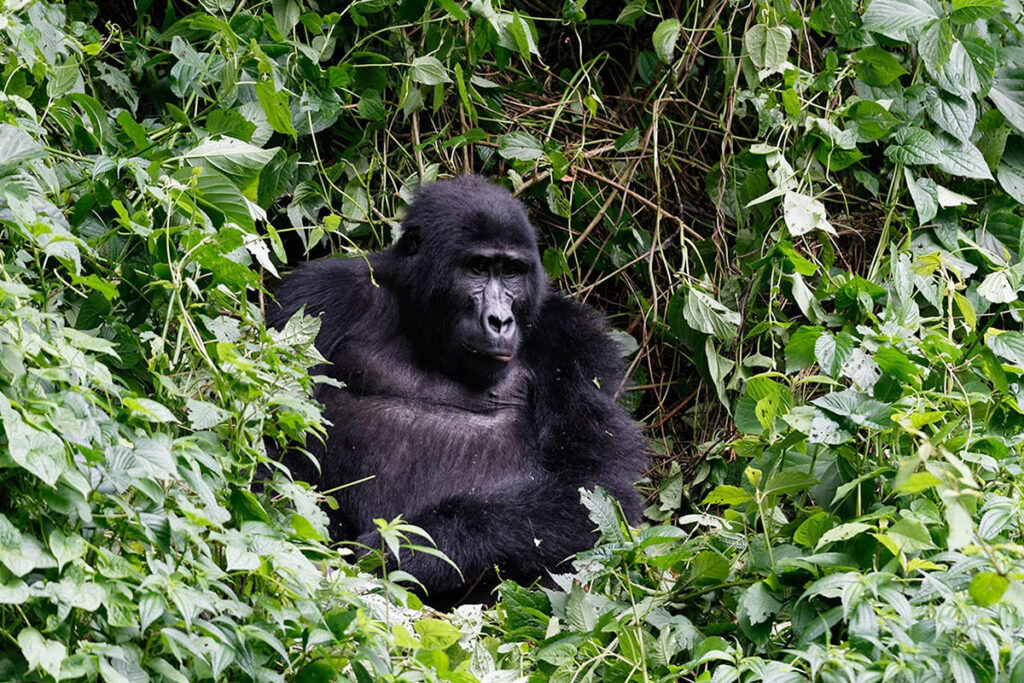
Cross River National Park – Nigeria’s Rainforest Crown, Last Home of the Cross River Gorilla, and West Africa’s Most Important Biodiversity Refuge
Cross River National Park (CRNP) in southeastern Nigeria is the country’s most biologically significant protected area and one of the last remaining strongholds of West Africa’s ancient rainforests. Stretching across approximately 4,000–4,500 km² of rugged mountains, deep valleys, evergreen forest, and cloud-shrouded highlands, the park safeguards ecosystems that have vanished almost everywhere else in the region. It protects the world’s only surviving population of the critically endangered Cross River gorilla, one of Africa’s richest concentrations of primates, and thousands of rare plants, birds, and forest mammals found nowhere else on Earth.
Recognized by UNESCO on Nigeria’s Tentative World Heritage List, the park sits at the heart of the Nigeria–Cameroon Transboundary Rainforest Complex—a vast ecological region linking Nigeria’s Cross River forests to Cameroon’s Korup, Takamanda, and Mone reserves. This enormous forest block forms one of Africa’s last intact rainforest corridors and an irreplaceable natural heritage site for the entire continent.
Location, Accessibility, and Conservation Landscape
Cross River National Park is located in Cross River State, southeastern Nigeria, close to the Cameroon border. The park is split into two divisions—Oban in the south and Okwangwo in the north—each with unique ecosystems, climates, wildlife, and conservation roles. Its positioning along the Cameroon frontier makes the park a vital ecological bridge for wildlife movement, genetic diversity, and cross-border conservation cooperation.
Unlike many classic safari parks, CRNP is a wilderness rainforest destination, meaning access involves forest tracks, guided trekking, and specialized logistics. Its remoteness is also the reason the park still retains large areas of pristine, undisturbed forest.
Oban Division – Ancient Rainforest and Botanical Wealth
The Oban Division contains one of the largest and oldest stretches of lowland tropical rainforest in West Africa. Here, giant mahoganies soar above 40 meters, dense undergrowth weaves through buttress roots, and a network of rivers, waterfalls, and forest pools forms a humid, wildlife-rich environment. Oban receives extremely high rainfall—often exceeding 3,000 mm annually—creating evergreen conditions throughout the year.
Oban is one of Nigeria’s most botanically rich ecosystems, known globally for its extraordinary diversity of:
- Hardwood trees including mahogany, iroko, and Afrormosia
- Over 950 butterfly species—one of the highest totals in the entire African rainforest belt
- Rare medicinal plants used for generations by forest communities
- Riverside forest corridors that support otters, crocodiles, and fish-rich pools
This division forms a continuous forest block with Cameroon’s Korup National Park, making it a core part of the region’s transboundary ecological stability.
Okwangwo Division – Gorilla Highlands and Cloud Forests
The Okwangwo Division is the northern and more mountainous section of the park. With elevations reaching more than 1,700 meters, this division offers a dramatic landscape of steep ridges, granite outcrops, cloud forests, bamboo thickets, and montane grasslands. Its rugged terrain shelters some of Africa’s rarest wildlife, including the Cross River gorilla and the Nigeria–Cameroon chimpanzee.
Okwangwo includes several globally important conservation areas:
- Afi Mountain Wildlife Sanctuary – home to drills, gorillas, and chimpanzees
- Mbe Mountains Community Forest – managed by nine local villages
- Takamanda–Okwangwo Gorilla Corridor – a transboundary habitat linking Nigeria and Cameroon
Because of its steep terrain and remote valleys, Okwangwo remains one of the least disturbed rainforest ecosystems in Africa and a priority zone for global primate conservation.
Geology, Terrain, and Hydrology
The park’s geological foundation consists of ancient Precambrian rocks, granite domes, metamorphic belts, and deeply weathered soils that create ideal structure for rainforest vegetation. Rivers such as the Cross River, Ekuri River, Okpon River, and Ikom tributaries carve through gorges and valleys, forming fast-flowing streams, cascades, and clear forest pools that sustain wildlife year-round.
The combination of mountains, plateaus, and wet basins forms a mosaic of:
- Lowland rainforest
- Mid-elevation cloud forest
- Montane forest and grasslands
- Riparian forest and swamps
This topographic variety is a key reason the park supports such a high diversity of species adapted to different temperature and moisture regimes.
Climate and Seasonal Patterns
Cross River National Park experiences a humid tropical climate characterized by:
- A long rainy season: March to November
- A short dry season: November to March
- Annual rainfall: 2,000–4,000 mm depending on elevation
- Humidity: typically above 80% throughout the year
- Daytime temperatures: 25–30°C
The park’s mountains receive more rainfall and often remain cloaked in mist, creating conditions ideal for ferns, mosses, orchids, and cloud forest specialists.
Flora – One of West Africa’s Richest Tropical Forests
The flora of Cross River NP is astonishingly diverse, with over 1,500–2,000 recorded plant species—many of which are endemic or threatened. The forest structure includes towering emergent trees, a dense middle canopy layer, and a multi-layered understory filled with ferns, vines, climbers, and shade-tolerant herbs.
Common and unique vegetation includes:
- Khaya spp. (African mahogany)
- Berlinia and Celtis species
- Coula edulis with edible fruits
- Epiphytic orchids in cloud forests
- Bamboo forests in high mountain belts
- Sacred groves preserved by local communities
These diverse habitats form the backbone of wildlife survival—from gorilla nesting sites to chimpanzee foraging grounds and antelope grazing patches.
Wildlife of Cross River National Park
Cross River Gorilla – The Rarest Gorilla on Earth
The Cross River gorilla (Gorilla gorilla diehli) is the park’s most iconic and critically endangered species. With fewer than 300 individuals surviving in the wild across Nigeria and Cameroon, this gorilla is the most threatened great ape globally.
They are known for:
- Using steep, remote mountain terrain that’s difficult for humans to access
- Nesting in small, dispersed groups to avoid detection
- Feeding on fruits, leaves, nuts, and bamboo shoots
- Displaying some of the most elusive behavior of any gorilla species
The survival of the Cross River gorilla depends heavily on CRNP’s protection, transboundary conservation partnerships, and community forest guardians.
Nigeria–Cameroon Chimpanzee – West Africa’s Most Threatened Chimp
The Nigeria–Cameroon chimpanzee (Pan troglodytes ellioti) is the rarest chimpanzee subspecies. It is distinguished by:
- Smaller population sizes
- Preference for rugged highland forests
- Use of large home ranges across valleys and ridges
- High vulnerability to hunting and habitat loss
Cross River NP protects one of its core remaining populations.
Drills, Monkeys, and Colobus Species
The park is a global hotspot for primate diversity with more than 18 species, including:
- Drill – a charismatic, endangered primate closely related to mandrills
- Preuss’s red colobus
- Sclater’s monkey – endemic to Nigeria
- Red-capped mangabey
- Mona and putty-nosed monkeys
- Olive baboons along edges and villages
Forest Mammals and Rare Species
- Forest elephants – extremely elusive but present
- Leopards – roaming both divisions
- Bongo antelope – extremely rare
- Yellow-backed duiker
- Water chevrotain – a shy, nocturnal ungulate
- Red river hogs
Birdlife – Over 400 Forest Species
Cross River NP is recognized as a top Important Bird Area (IBA) in West Africa with over 400 bird species, including:
- African grey parrot
- Great blue turaco
- Narina trogon
- Afep pigeon
- Wood owls and forest hornbills
- White-bellied kingfisher
Reptiles, Amphibians, and Invertebrates
- ~70 reptile species including pythons, cobras, and vipers
- ~40 amphibian species including rare endemic frogs
- 950+ butterfly species – one of Africa’s highest counts
- Nile monitors, forest geckos, and chameleons
Conservation Management and Partners
Cross River National Park is managed by the National Park Service of Nigeria (NPS), working closely with a network of international and local conservation groups:
- Wildlife Conservation Society (WCS) – long-term gorilla and chimpanzee monitoring
- Pandrillus Foundation – drill rehabilitation and release
- CERCOPAN – forest primate rescue and release programs
- Mbe Mountains Community Rangers
- Ekuri Initiative – one of Africa’s most successful community forestry models
Their work includes anti-poaching patrols, camera trap monitoring, environmental education, habitat restoration, and community conservation programs, especially around gorilla corridors.
Threats and Challenges
Despite its richness, Cross River NP faces serious conservation challenges:
- Bushmeat hunting, especially of primates
- Illegal logging targeting high-value hardwoods
- Forest fragmentation from expanding agriculture
- Human–wildlife conflict in buffer zones
- Limited tourism revenue for park management
Ongoing conservation projects are restoring degraded areas, strengthening ranger patrols, and supporting community-led forest protection.
Cultural Heritage and Community Conservation
CRNP is surrounded by culturally rich communities such as the Boki, Ejagham, Buanchor, and Nsadop peoples. Many still maintain sacred forest groves, spiritual conservation traditions, and customary taboos that discourage hunting of certain animals, including gorillas and drills.
Community conservation is critical here. Initiatives such as the Ekuri Community Forest Project and Mbe Mountains Community Rangers are internationally recognized models of how indigenous knowledge and modern conservation can work together to protect rainforests.
Tourism, Activities, and Visitor Experience
Tourism in Cross River NP is low-volume, immersive, and adventurous. It is ideal for travelers seeking authentic rainforest exploration rather than traditional savannah game drives. Activities may include:
- Gorilla and chimpanzee tracking in monitored zones
- Rainforest trekking in Oban and Okwangwo
- Birdwatching in forest clearings and canopy gaps
- Butterfly trails
- Waterfall excursions (Kwa Falls, Agbokim Falls)
- Cultural village visits
Because infrastructure is limited, visits typically involve guided tours, trained local trackers, and specialized forest camps.
Best Time to Visit
- Dry Season (Nov–Mar): Best for trekking, gorilla tracking, and accessible forest routes.
- Wet Season (Mar–Nov): Forest is lush; birding peaks; amphibians thrive—but roads become muddy and access is more challenging.
Why Cross River National Park Is Special
Cross River National Park stands apart as:
- The only home of the Cross River gorilla
- One of Africa’s richest primate habitats
- One of West Africa’s last intact rainforests
- A transboundary ecological corridor vital for global biodiversity
- An authentic, adventurous rainforest destination unlike typical African safaris
Conclusion
Cross River National Park is Nigeria’s most precious natural treasure—a sanctuary of rare primates, ancient forests, and rich cultural heritage. For travelers seeking wild, uncrowded, meaningful rainforest experiences, and for conservationists dedicated to protecting West Africa’s biodiversity, CRNP remains a critically important and unforgettable wilderness destination.