
Faro National Park
Faro National Park – Cameroon’s Remote Northern Wilderness of Savannah Landscapes, Elephants, Lions, Cultural Heritage, and Exceptional Biodiversity
Faro National Park is one of Cameroon’s largest and most undisturbed protected areas—a sprawling savannah wilderness where the vastness of the Sahelo-Sudanian landscape meets the dense riverine forests of the Faro River. Encompassing roughly 330,000 hectares, the park forms the core of the greater Faro–Benue–Bouba-Ndjida Conservation Landscape, a critical ecological corridor that sustains the movement of elephants, lions, antelopes, and migratory species across northern Cameroon. This remote, rugged, and biologically rich park remains one of Central Africa’s most authentic wilderness destinations—untouched by mass tourism, shaped by ancestral cultures, and home to some of the last large mammal populations in the region.
Faro’s isolation and low human presence contribute to its exceptional ecological integrity. Visitors encounter a landscape that feels timeless, where animals still follow ancient migration routes, pastoralist communities live according to traditional cycles, and the sounds of nature dominate the horizon. The park’s open savannas, scattered granite outcrops, dense gallery forests, wetlands, and broad river systems create a mosaic of habitats supporting an incredible diversity of wildlife. For adventurous travelers seeking a true off-grid safari, Faro National Park offers an unmatched combination of raw beauty, biodiversity, and cultural richness.
History and Establishment of Faro National Park
The history of Faro National Park reflects the evolution of conservation in northern Cameroon. The region was first recognized for its wildlife abundance in the mid-20th century, when colonial administrations established hunting zones to regulate big game exploitation. As pressures on wildlife increased—particularly on elephants and large antelopes—the Cameroonian government elevated the area to national park status in 1980 to provide stronger protection for threatened species and preserve essential habitats.
Over the decades, Faro has faced periods of wildlife decline, especially during the regional elephant poaching crisis between the 1980s and 2000s. Yet despite these challenges, the park remains one of Cameroon’s last ecosystems where savannah wildlife still functions within a vast, semi-connected landscape. Continued conservation efforts aim to restore wildlife populations and reinforce Faro’s role as an ecological refuge in Central Africa.
Location, Geography, and Conservation Landscape
Located in Cameroon’s North Region, Faro National Park forms the western section of an extensive ecosystem that includes Benue National Park to the east and Bouba-Ndjida National Park to the southeast. Together, these protected areas create the Faro–Benue–Bouba-Ndjida Landscape, one of the most important conservation corridors in West-Central Africa. This landscape remains vital for the survival of elephants, lions, hyenas, buffalo, hartebeest, and migratory ungulates whose ranges extend across thousands of square kilometers.
The park’s terrain is characterized by sweeping plains, rugged rock formations, rolling hills, and thick riverine forests. The dramatic granite inselbergs scattered across the landscape offer magnificent views and create natural refuges for reptiles, raptors, and small mammals. The combination of open vistas and sheltered forested zones supports both savannah and forest-edge species, contributing to Faro’s exceptional biodiversity.
The Faro River System – Lifeline of the Park
The Faro River defines the park’s eastern boundary and serves as its ecological lifeline. Rising in the Adamawa Mountains, the river flows through a semi-arid environment, creating rich floodplains, wetlands, oxbow lakes, and fertile alluvial soils that support dense vegetation even in the height of the dry season. This makes the Faro River one of the most important freshwater systems in northern Cameroon.
The river supports:
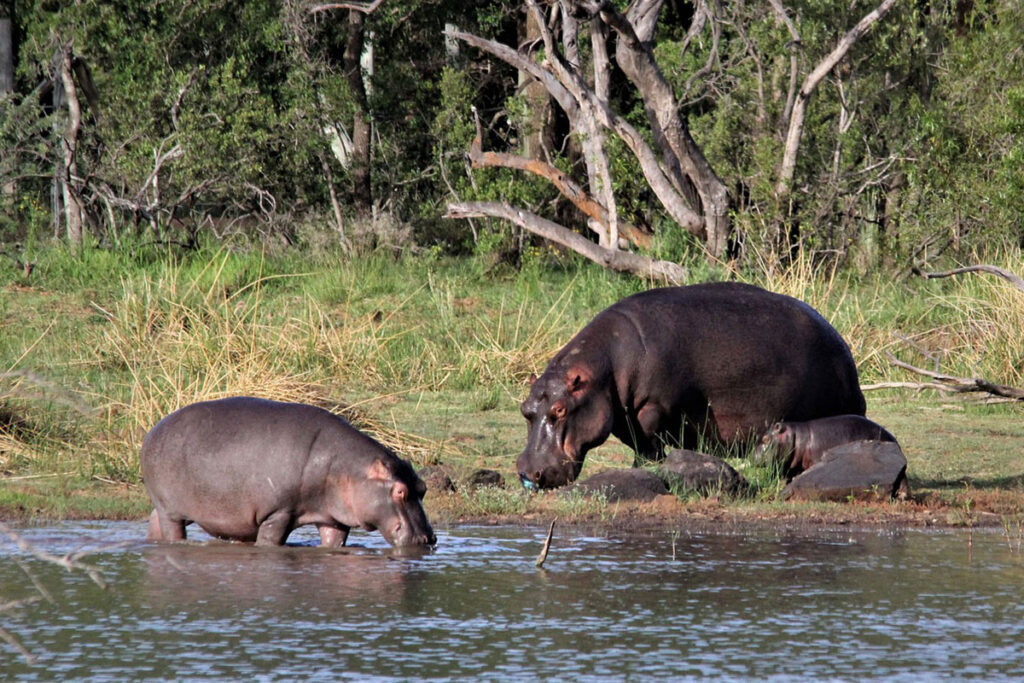
- Large hippopotamus pods that rest and breed in its deeper pools
- Nile crocodiles that bask along the sandbanks
- A wide diversity of freshwater fishes vital to local communities
- Seasonal wildlife migrations, especially elephants and antelopes seeking water
During the dry season, as smaller water sources disappear, the Faro River becomes a gathering point for wildlife, transforming the river corridor into one of the park’s prime areas for viewing elephants, antelopes, monkeys, and predators. Its hydrological stability is essential for both biodiversity and the livelihoods of nearby pastoralist communities.
Climate, Seasons, and Ecological Rhythms
Faro National Park experiences a tropical savannah climate with stark seasonal contrasts. Rainfall patterns shape the distribution of wildlife, the productivity of grasslands, and the movement of pastoral communities. The park’s climate can be divided into two primary seasons:
- Dry Season (November–April) — Temperatures rise, the Harmattan wind sweeps across the plains, and water becomes scarce. Wildlife density around the Faro River increases dramatically, providing some of the best game viewing opportunities in Cameroon.
- Wet Season (May–October) — Heavy rains turn the landscape green, replenish water sources, and trigger plant regrowth. This abundance leads to the dispersal of herbivores across the park and the arrival of migratory birds from Europe and Asia.
The interplay between these seasons creates dynamic ecological conditions that support diverse wildlife behavior, calving periods, predator-prey interactions, and vegetation cycles.
Ecosystems and Vegetation
Faro National Park sits within a rich transition zone between Sudan-Guinea savanna and Sahelian ecosystems, resulting in remarkable floral diversity. Key vegetation zones include:
- Open savanna grasslands dominated by tall perennial grasses
- Wooded savannas with acacia, isoberlinia, and combretum species
- Gallery forests along watercourses, home to primates, birds, and shade-tolerant shrubs
- Rocky outcrops hosting drought-resistant trees, succulents, and specialized ground flora
These vegetation communities support complex food webs—where grasses feed herbivores, which in turn support predators—maintaining the ecological balance of the park. The vegetation also reflects traditional fire management practices used for centuries to renew grazing areas and maintain healthy savanna ecosystems.
Mammals of Faro National Park
Faro National Park supports an impressive range of savannah mammals, making it one of Cameroon’s key wildlife reserves. Iconic species include:
- African savanna elephants that traverse the park’s migration corridors
- Lions that dominate the river and savanna hunting zones
- Leopards that thrive in woodland and rocky areas
- African buffalo forming large herds during the dry season
- Roan antelope and Giant eland in surrounding reserves
- Kob, hartebeest, waterbuck, and reedbuck
- Warthogs, hyenas, and civets
- Patas and tantalus monkeys along savannas and river forests
Smaller mammals such as porcupines, mongooses, African civets, and pangolins inhabit the wooded and riparian zones, contributing to the park’s ecological diversity.
Birdlife and Avian Diversity
Faro National Park is a paradise for birdwatchers, boasting more than 300 recorded bird species. The example of birds found in the park include:
- Saddlebill storks and African openbills along wetlands
- Secretary birds and ground hornbills
- Goliath herons and pelicans
- Martial eagles, booted eagles, and tawny eagles
- A variety of bee-eaters, rollers, and kingfishers
- Palaearctic migrants arriving during the winter months
The mix of wetlands, savannas, and woodland habitats allows the park to support raptors, waterbirds, songbirds, and migratory species, reinforcing its status as a key biodiversity hotspot.
Reptiles, Amphibians, and Invertebrates
Reptiles are abundant in the park, with Nile crocodiles, monitor lizards, pythons, cobras, and chameleons thriving in diverse habitats. Amphibians like frogs and toads flourish during the rainy season, contributing to the vast insect population that sustains birds and small mammals. The wet season also brings an explosion of butterflies, beetles, and pollinating insects essential for ecosystem functioning.
Cultural Heritage and Local Communities
The Faro region is home to various indigenous and pastoralist communities, including the Fulani (Peul), Kirdi groups, and other local ethnic communities. These groups practice seasonal cattle herding, rain-fed agriculture, and traditional fishing methods. Their daily lifestyles are closely tied to ecological rhythms, with grazing patterns synchronized with grass availability and seasonal water sources.
The local communities retain a rich cultural heritage that includes storytelling, traditional hunting knowledge, herbal medicine, and deep spiritual ties to the land. Their ecological wisdom has helped maintain the region’s biodiversity, although modern pressures are increasingly challenging this coexistence.
Threats and Conservation Challenges
Faro National Park faces several conservation challenges, including:
- Poaching of elephants, lions, and antelopes
- Cattle encroachment leading to habitat degradation
- Illegal mining on the park’s peripheries
- Unregulated fishing that threatens aquatic biodiversity
- Human-wildlife conflict involving crops and livestock
- Wildfires affecting dry-season grazing lands
Addressing these threats requires coordinated efforts involving government agencies, community leaders, conservation NGOs, and local residents. Anti-poaching patrols, community conservation programs, and ecological monitoring are ongoing but require sustained support.
Conservation Programs and Research Initiatives
Multiple national and international organizations are active in safeguarding Faro’s wildlife. Conservation initiatives include:
- Elephant and lion population monitoring through satellite tracking
- Anti-poaching patrols and ranger training programs
- Vegetation surveys to guide fire management
- Hydrological studies on the Faro River system
- Community education programs focused on coexistence and sustainable livelihoods
Research results from Faro contribute to regional conservation planning across northern Cameroon, informing policies related to wildlife corridors, ecosystem management, and human-wildlife coexistence.
Tourism Activities
Tourism in Faro National Park is low-impact and ideal for adventurous travelers seeking an authentic African wilderness experience. Activities include:
- Game drives through grasslands and woodlands
- Walking safaris with experienced guides
- Birdwatching tours in prime wetland and savanna areas
- Boat excursions on the Faro River
- Cultural experiences with pastoral communities
Due to its remoteness, visitors often find themselves completely alone in the landscape—creating intimate, high-quality wildlife encounters rarely found in popular safari destinations.
Access, Road Conditions, and Permits
Visitors typically access Faro National Park through Garoua, connected by road to Ngong and the park entrances. A 4×4 vehicle is required for navigating rugged terrain, especially during the rainy season when roads can become muddy and impassable. Entry permits, guide services, and logistical support must be arranged through Cameroon’s wildlife authorities or licensed tour operators.
The nearest major airport is Garoua International Airport, offering regional flights and charter options that connect to the park via ground transport.
Accommodation Options
Accommodation in and around Faro National Park remains limited but provides an authentic safari atmosphere. Visitors can stay in:
- Safari camps and concession lodges near the park boundaries
- Basic eco-lodges offering rustic comfort
- Campsites for self-sufficient travelers equipped with supplies
Future tourism development plans aim to introduce eco-friendly lodges designed to support sustainable tourism and generate income for conservation and community development.
Best Time to Visit
The best time to experience Faro National Park is during the dry season (November–April), when wildlife congregates along the Faro River and visibility increases as grasses thin. Elephant sightings and predator interactions are most frequent during this period. The wet season offers exceptional birdwatching and lush scenery but presents transportation challenges.
Why Visit Faro National Park?
Faro National Park is ideal for travelers seeking untouched wilderness, rare wildlife encounters, and deep cultural immersion. Its sweeping savannas, thriving wildlife populations, traditional pastoralist communities, and vast open spaces create a safari experience unlike any other in Cameroon. The park’s tranquility, ecological richness, and natural beauty make it a haven for photographers, conservationists, and adventure travelers looking for Africa’s hidden gems.
Conclusion
Faro National Park stands as one of Cameroon’s great wilderness areas—an unspoiled landscape of savannas, rivers, wildlife, and cultural heritage. Its role within the Faro–Benue–Bouba-Ndjida conservation complex underscores its ecological importance, while its remoteness and authenticity offer a rare opportunity to experience Africa’s wilderness in its purest form. With ongoing conservation efforts and growing interest in sustainable tourism, Faro remains a critical sanctuary of biodiversity and a powerful symbol of Cameroon’s natural legacy.