
Golden Gate Highlands National Park
Golden Gate Highlands National Park – South Africa’s Spectacular Sandstone Mountains, Grassland Biodiversity, and Ancient Basotho Heritage
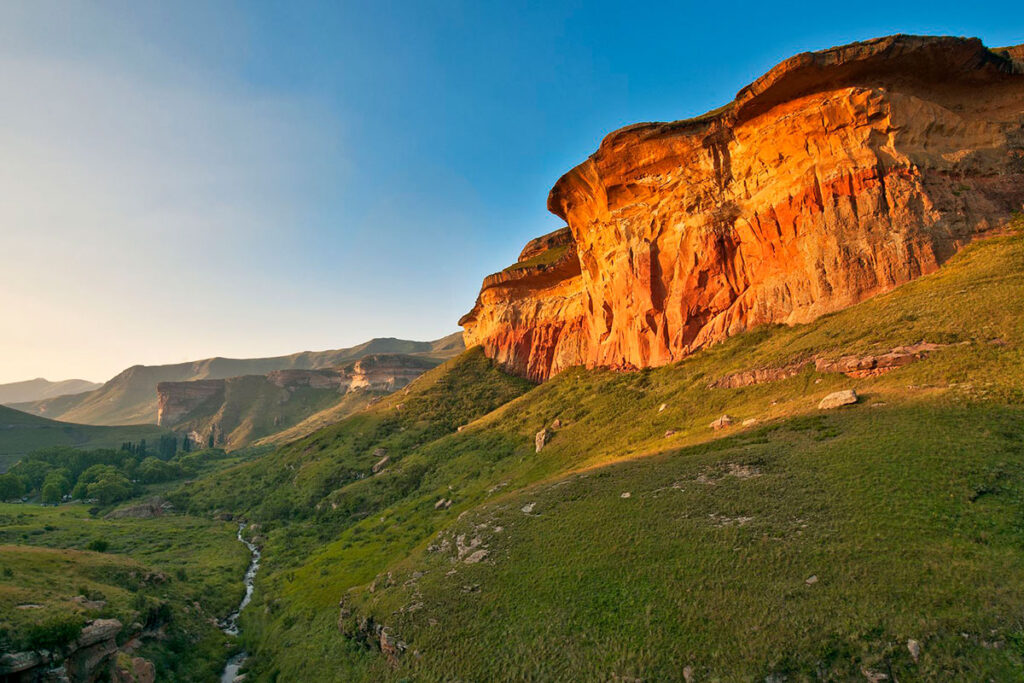
Golden Gate Highlands National Park, located in South Africa’s Free State Province near the Lesotho border, is one of the most visually striking and ecologically important protected areas in the country. Famous for its dramatic sandstone cliffs glowing golden at sunrise and sunset, the park spans nearly 340 km² of undulating foothills, high-altitude grasslands, deep gorges, and fossil-rich geological formations. It forms a key part of the Maloti-Drakensberg Transfrontier Conservation Area and protects some of the last remaining highveld grasslands in southern Africa. With rare birds, free-roaming antelope, ancient cultural sites, and breathtaking scenery, Golden Gate Highlands National Park offers an unforgettable blend of nature, geology, and cultural heritage.
Overview of Golden Gate Highlands National Park
Established in 1963, Golden Gate Highlands National Park was created to protect the region’s unique sandstone formations, high-altitude grasslands, and diverse wildlife. Its name comes from the shimmering golden hues cast upon the sandstone cliffs—especially the famous Brandwag Buttress—during sunrise and sunset. The park lies within the Maloti Mountains, forming a natural corridor that connects South Africa with the highlands of Lesotho.
Golden Gate is also a sanctuary for high-altitude biodiversity, including rare animals such as the bearded vulture, black wildebeest, eland, blesbok, and Cape mountain zebra. As one of the country’s most important grassland conservation areas, it preserves critical habitats found nowhere else in the world while offering scenic viewpoints, hiking trails, wildlife photography opportunities, and rich cultural insights into Basotho and San history.
Location and Size
The park is located in the northeastern Free State, near the town of Clarens and on the border with Lesotho. It covers roughly 340 km², forming part of the larger Maloti-Drakensberg Transfrontier Park, a UNESCO World Heritage Site known for its exceptional natural beauty and rock art heritage.
Golden Gate’s location in South Africa’s highlands gives it a dramatic landscape characterized by sweeping plains, towering cliffs, and river valleys. It serves as a critical ecological corridor between South Africa and Lesotho, supporting the movement of wildlife, seed dispersal, and the preservation of genetic diversity across the Maloti Mountains.
Geography and Geology
Golden Gate Highlands National Park is internationally renowned for its breathtaking sandstone formations. These cliffs and buttresses were formed over millions of years by the erosion of Clarens Formation sandstone—a geological layer that dates back to the Jurassic period. Iron oxides and minerals give the rock its distinctive orange, cream, and golden hues.
Fossils discovered within the park—including dinosaur bones, mammal-like reptiles, and ancient plant species—provide crucial insights into Earth’s prehistoric eras. Rolling grassland plateaus, river valleys, weathered caves, and basalt cliffs add complexity to the landscape, creating microhabitats that support diverse flora and fauna.
Climate
Golden Gate Highlands National Park has a cool, temperate mountain climate with four distinct seasons. Winters (June–August) are cold and dry, often bringing frost, crisp mornings, and occasional snowfall on the higher slopes. Summers (December–February) are warm but tempered by altitude, with frequent thunderstorms that rejuvenate the grasslands and fill rivers and streams.
The park’s high elevation—ranging from 1,800 to over 2,900 meters above sea level—creates unique conditions ideal for high-altitude species, while seasonal shifts produce vibrant changes in vegetation and wildlife behavior throughout the year.
Hydrology and Rivers
Golden Gate forms an important watershed for the Free State Province. Several rivers originate or flow through the park, including the Little Caledon River, which runs along its eastern boundary. These rivers shape deep valleys and nourish wetlands that serve as key habitats for waterbirds, reeds, amphibians, and aquatic insects.
Riparian corridors provide essential drinking points for wildlife and support unique vegetation shielded from the harsh mountain winds. Seasonal rains replenish streams and create temporary marshes that attract numerous bird species during the wet months.
Ecosystems and Habitats
Golden Gate Highlands National Park protects one of the most endangered ecosystems in southern Africa: the highveld and high-altitude grasslands. These grasslands, interspersed with wetlands, cliffs, caves, rocky outcrops, and valleys, support a remarkable diversity of plant and animal life adapted to the cooler temperatures and open landscapes.
- Montane grasslands: Dominated by hardy grasses, wildflowers, and plants adapted to frost and wind.
- Rocky outcrops: Specialized habitats for reptiles, small mammals, and cliff-nesting birds.
- Wetlands and marshes: Essential for waterbirds, amphibians, and grassland-loving species.
- Riparian forests: Moist, shaded zones supporting trees, shrubs, and river-dependent wildlife.
- Sandstone cliffs and caves: Provide nesting sites for vultures and shelter for bats, owls, and rock hyrax.
Vegetation
The park’s vegetation is dominated by high-altitude grass species such as Themeda triandra (red grass), Festuca caprina, and Merxmuellera, which create sweeping, open habitats across the highlands. In spring and early summer, the grasslands burst into color with wildflowers, including irises, aloes, watsonias, and proteas.
Along riverbanks and sheltered areas, woody plants such as ouhout, wild olive, and dogwood thrive. The diversity of vegetation supports pollinators, grazing wildlife, and predators, forming a balanced and resilient ecosystem.
Wildlife of Golden Gate Highlands National Park
Mammals
Golden Gate is home to a rich variety of mammals, particularly grazing species that thrive in the vast grasslands. Iconic species include black wildebeest, eland, blesbok, Burchell’s zebra, mountain reedbuck, grey rhebok, and springbok. Cape mountain zebra, once globally threatened, have successfully been reintroduced and roam freely across the park.
Smaller mammals such as rock hyraxes, bat-eared foxes, servals, mongooses, porcupines, and various rodents inhabit rocky areas and forested valleys. Although elusive, predators such as caracals and jackals also occur in the park.
Birds
Golden Gate Highlands National Park is a premier birding destination, known for its cliff-nesting raptors, grassland specialists, and high-altitude endemics. More than 140 species have been recorded within the park.
Notable species include the bearded vulture (lammergeier), Cape vulture, bald ibis, jackal buzzard, secretary bird, blue crane, ground woodpecker, and southern bald ibis. The sandstone cliffs provide prime nesting sites for vultures, while wetlands attract herons, storks, and waders.
Reptiles, Amphibians, and Insects
Reptiles include skinks, agamas, snakes, and tortoises adapted to the cooler high-altitude environment. Amphibians thrive in the park’s wetlands and include various frog and toad species important to the region’s ecological health.
Insect life includes colorful butterflies, beetles, dragonflies, grasshoppers, and rare highland species that contribute to pollination and nutrient cycling. During summer thunderstorms, flying termites and other insects emerge, providing food for birds and mammals.
Unique Features of Golden Gate Highlands National Park
Golden Gate’s most striking feature is its glowing sandstone cliffs, which appear golden under sunlight and form some of the most recognizable geological landmarks in South Africa. The Brandwag Buttress, Cathedral Cave, and imposing rock formations define the park’s iconic skyline.
The park also preserves high-altitude grasslands found nowhere else in the world, supports endangered vultures, and contains ancient San rock art sites, making it a unique fusion of natural and cultural heritage.
Cultural and Indigenous Communities
The region surrounding Golden Gate Highlands National Park is rich in Basotho, San, and Free State farming culture. San hunter-gatherers once roamed these mountains, leaving behind rock art depicting animals, rituals, and daily life. Basotho communities maintain long-standing pastoral traditions, farming practices, and spiritual connections to the mountains.
Cultural tourism programs allow visitors to experience Basotho heritage through music, food, storytelling, traditional architecture, and craft-making. These programs help support local livelihoods while preserving cultural identity.
Conservation Importance
Golden Gate Highlands National Park plays a vital role in conserving high-altitude grasslands—one of the most threatened biomes in South Africa. The park protects critical habitats for endangered vultures, rare antelope, and endemic plants found only in the highlands.
Its conservation work extends across the Maloti-Drakensberg Transfrontier Park, contributing to cross-border habitat connectivity, watershed stability, climate regulation, and regional biodiversity resilience.
Threats and Challenges
Major threats include soil erosion, invasive species, overgrazing in surrounding lands, climate change, and the decline of vulture populations. Illegal harvesting of plants and human–wildlife conflict on park boundaries also pose challenges.
Active conservation measures—such as controlled burns, vulture feeding programs, anti-poaching patrols, and community education—help mitigate these threats and protect the park’s ecological integrity.
Research and Monitoring
Golden Gate Highlands National Park is a key center for ecological research focused on grassland dynamics, climate change impacts, bird population monitoring, and predator-prey relationships. Scientists study vulture movement, plant resilience, fire ecology, and water catchment systems to guide conservation strategies.
Ongoing research ensures that management decisions support long-term sustainability, biodiversity recovery, and ecosystem resilience in the face of climate variability.
Tourism Activities
Golden Gate offers a wide range of nature-based and cultural tourism activities suited to adventure seekers, photographers, hikers, and families. Its scenic landscape and well-maintained routes make it ideal for outdoor exploration.
- Hiking trails: Explore scenic routes such as the Brandwag Buttress Trail, Wodehouse Peak Trail, and Mushroom Rock Trail.
- Game drives: Spot wildlife across open grasslands and valleys.
- Cultural tours: Visit Basotho cultural villages and San rock art sites.
- Birdwatching: Search for vultures, cranes, and grassland specialists.
- Photography: Capture golden cliffs, dramatic landscapes, and vibrant wildflowers.
- Horseback riding: Explore the park’s trails on horseback (offered at certain lodges).
Access and Getting There
The park is easily accessible from Clarens (approximately 15 km), Bethlehem, and Harrismith. It lies along the scenic R712 route, which runs directly through the park, offering striking views of sandstone cliffs and open plains.
Golden Gate is approximately 3–4 hours’ drive from Johannesburg and Bloemfontein, making it a popular weekend destination for both domestic and international travelers.
Permits, Fees, and Park Rules
Visitors must pay conservation fees at entrance gates, which support habitat management, wildlife protection, and community development. Permits are required for certain activities such as backcountry hikes, research, and organized tours.
- Stay on designated trails and roads.
- Do not disturb wildlife or remove plants, rocks, or fossils.
- No off-road driving.
- Respect cultural sites and local communities.
- Follow ranger and safety guidelines at all times.
Accommodation
The park offers various accommodation options, including rest camps, guesthouses, cottages, mountain chalets, and nearby lodges in Clarens. Popular options include Glen Reenen Rest Camp, Highlands Mountain Retreat, and Golden Gate Hotel, each offering unique views of the surrounding landscapes.
Camping is available at designated sites with facilities for both tents and caravans. Lodges outside the park provide additional luxury options for travelers seeking upscale hospitality.
Best Time to Visit
Golden Gate Highlands National Park can be visited year-round, but each season offers a distinct experience. The dry winter months bring clear skies, cool temperatures, and golden-brown landscapes ideal for hiking and photography. Snow occasionally dusts the peaks, creating stunning mountain scenes.
Summer (November–March) features lush green grasslands, blooming wildflowers, and active wildlife. Afternoon thunderstorms add dramatic lighting to the sandstone cliffs, making this period ideal for landscape photographers.
Why Golden Gate Highlands National Park Is Unique
Golden Gate Highlands National Park is unique for its extraordinary sandstone cliffs, rare high-altitude grasslands, and rich cultural heritage. Its dramatic scenery, fossil-rich geology, San rock art, and endangered vulture populations make it one of South Africa’s most iconic natural treasures.
For travelers seeking breathtaking landscapes, diverse wildlife, exceptional birding, and an immersion in the ancient heritage of the Maloti Mountains, Golden Gate offers an unforgettable wilderness experience—a place where geology, ecology, and culture converge in spectacular harmony.