
Gombe Stream National Park
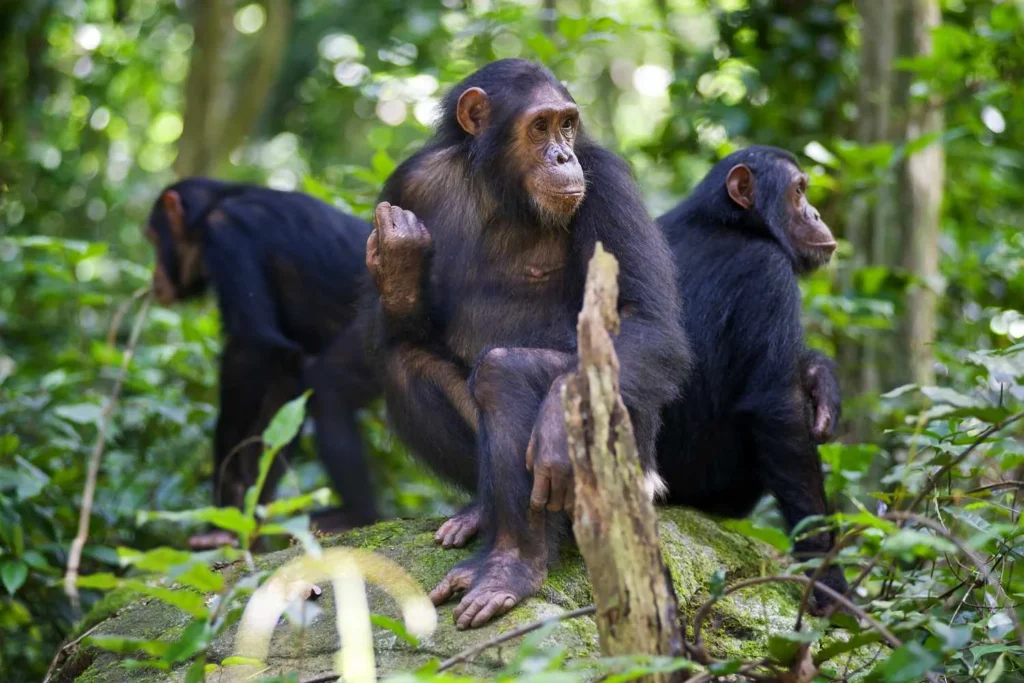
Gombe Stream National Park – Tanzania’s Legendary Chimpanzee Sanctuary and a Living Laboratory of Primate Behavior, Biodiversity, and Forest Conservation
Gombe Stream National Park is one of Africa’s most iconic wildlife destinations and the birthplace of modern primatology. Located along the forested shores of Lake Tanganyika in western Tanzania, this compact 35 km² park is world-famous for the groundbreaking chimpanzee research launched by Dr. Jane Goodall in 1960. Today, Gombe remains a living laboratory of primate behavior, evolutionary science, and rainforest conservation. Its steep river valleys, rolling hills, and lush miombo and evergreen forests shelter chimpanzees, red-tailed monkeys, olive baboons, over 200 bird species, and countless forest creatures. The park’s stunning combination of scientific history, rare wildlife, and scenic beauty makes it one of the most extraordinary protected areas in Africa.
Overview of Gombe Stream National Park
Gombe Stream National Park is the smallest national park in Tanzania but one of the richest in scientific and cultural legacy. Established in 1968 to protect the chimpanzee community studied by Jane Goodall, Gombe has since become synonymous with long-term wildlife research and conservation. For more than six decades, scientists have observed chimpanzee family groups here, documenting social dynamics, tool use, emotion, cooperation, competition, and complex communication—transforming the world’s understanding of primates and human evolution.
Beyond its chimpanzees, Gombe offers breathtaking scenery: steep ridges rising from the lakeshore, deep stream valleys carpeted with vegetation, and the crystal-blue waters of Lake Tanganyika stretching toward the Congo Basin. The park’s untouched rainforest and rugged terrain make it a truly wild and immersive destination accessible only by boat.
Location and Size
Gombe Stream National Park is located in western Tanzania, along the eastern shore of Lake Tanganyika near the town of Kigoma. The park covers just 35 km² of rugged terrain—narrow, linear, and bounded by the lake on one side and steep forested highlands on the other.
Despite its small size, Gombe protects one of the world’s most important populations of wild chimpanzees and forms part of a larger forest corridor stretching toward Mahale Mountains National Park. This forest belt plays a key role in maintaining genetic diversity among chimpanzee populations across western Tanzania.
Geography and Geology
Gombe’s landscape is shaped by the dramatic topography of the Albertine Rift. The park is characterized by narrow river valleys, steep rocky escarpments, and high forested ridges rising sharply from the lakeshore. These hills create isolated microhabitats that support diverse vegetation and unique wildlife communities.
Underlying the terrain are Precambrian rocks rich in quartz and schist, formed millions of years ago during tectonic shifts that created the Great Rift Valley. Erosion has carved deep gullies and seasonal streams, creating natural travel paths for chimpanzees and other wildlife. This spectacular fusion of geology and ecology makes Gombe a visually stunning and scientifically valuable environment.
Climate
Gombe Stream National Park experiences a tropical climate moderated by the vast waters of Lake Tanganyika. Rainfall is highest from November to April, transforming the forest into a lush, green paradise bursting with fruit, insects, and flowering plants. This season provides abundant food for chimpanzees, encouraging large group gatherings and active social behavior.
The dry season from May to October brings cooler temperatures, clearer skies, and increased visibility as vegetation thins. Because Gombe has mild and enjoyable weather throughout the year, the park remains an excellent destination for primate trekking and forest hiking in all seasons.
Hydrology and Rivers
The park is named after the numerous streams and rivulets that flow down from the forested highlands into Lake Tanganyika. Streams such as Kakombe, Mitumba, and Mkenke provide essential water sources for wildlife, support riparian forests, and maintain humid microclimates that help sustain evergreen vegetation.
Lake Tanganyika, one of the deepest and oldest lakes in the world, forms the park’s western boundary. Its clear waters support more than 350 fish species, many of them endemic, and play a vital role in regulating the park’s temperature, humidity, and ecological rhythms.
Ecosystems and Habitats
Gombe Stream National Park protects a mosaic of forest, woodland, grassland, and aquatic ecosystems that support exceptional biodiversity. These varied habitats provide food, shelter, and breeding grounds for chimpanzees and other species.
- Evergreen forest: Moist, dense vegetation rich in fruiting trees—the core habitat of chimpanzees.
- Miombo woodland: Dominated by Brachystegia and Julbernardia species, ideal for baboons and antelope.
- Riverine forest: Lush corridors along streams that support amphibians, birds, and primates.
- Grassland patches: Open areas where dik-dik, bushbuck, and olive baboons forage.
- Lake Tanganyika shoreline: Rocky and sandy beaches used by hippos, birds, and small aquatic species.
Vegetation
Gombe’s vegetation ranges from tall evergreen forest in the valleys to drier woodland on the slopes and grassland on the ridges. Fruit-bearing trees such as Ficus, Trema, and Parinari dominate the forests, providing essential food for chimpanzees. Palms, vines, and lianas weave through the canopy, creating dense feeding areas for arboreal species.
Dry slopes support miombo trees, shrubs, and lower vegetation that attract grazing and browsing animals. Wildflowers bloom during the rainy season, carpeting the hillsides with color and attracting pollinators like butterflies, bees, and beetles. Together, these plant communities create a rich mosaic of habitats that sustain one of Africa’s most diverse primate populations.
Wildlife of Gombe Stream National Park
Mammals
Gombe’s chimpanzees are the stars of the park and among the most habituated in the world. Visitors can follow these incredible primates as they forage, socialize, groom, nurse infants, display dominance behaviors, and communicate using a remarkable range of facial expressions and vocalizations.
In addition to chimpanzees, Gombe is home to olive baboons, red-tailed monkeys, vervet monkeys, blue monkeys, bushpig, bushbuck, and small antelope species. The diversity of primates in such a small park highlights Gombe’s exceptional ecological richness and long-term conservation value.
Birds
More than 200 bird species live in Gombe Stream National Park, making it a prime destination for birdwatching in western Tanzania. Forest species such as the African fish eagle, palm-nut vulture, trumpeter hornbill, crowned eagle, paradise flycatcher, and Peters’s twinspot thrive in the dense canopies and valley forests.
Shoreline and lakeside species include kingfishers, herons, sandpipers, and ospreys. Migratory birds stop in Gombe during seasonal movements, adding even more diversity to the park’s avian population.
Reptiles, Amphibians, and Insects
Reptiles found in Gombe include monitor lizards, chameleons, agamas, skinks, and several snake species. Amphibians flourish in the stream valleys, especially during the rainy season, when frogs and toads breed in shallow pools and riverbanks.
Insects are abundant and play key roles in pollination, nutrient cycling, and the food chain. Colorful butterflies, beetles, ants, termites, and dragonflies inhabit the forest floor, canopy, and streams, contributing to the ecological balance of the park.
Unique Features of Gombe Stream National Park
The most unique feature of Gombe is its unmatched legacy of chimpanzee research. Jane Goodall’s decades-long study transformed global science and revealed profound insights into primate intelligence, emotion, and social behavior. Her findings—such as tool use, hunting behavior, and complex family bonds—redefined humanity’s understanding of its closest relatives.
The park’s intimate size, accessibility only by boat, and steep rainforest terrain create a sense of isolation and wildness rarely found in other African parks. Gombe offers one of the world’s most immersive primate-tracking experiences, allowing visitors to step directly into the forests where scientific breakthroughs were made.
Cultural and Indigenous Communities
Communities surrounding Gombe Stream National Park include fishing villages and small agricultural settlements along Lake Tanganyika. Locals rely on fishing, small-scale farming, and forest resources for their livelihoods. Cultural practices include traditional song, dance, basket weaving, and fishing techniques passed down over generations.
Conservation programs work closely with communities to promote sustainable fishing, forest protection, eco-friendly farming, and environmental education. These partnerships are essential for preserving both the cultural heritage and ecological integrity of the region.
Conservation Importance
Gombe Stream National Park protects one of the last viable populations of eastern chimpanzees in Tanzania and forms a critical piece of a larger conservation landscape along the western Rift Valley. The park supports essential ecological processes, safeguards genetic diversity, and protects water sources flowing into Lake Tanganyika.
Research conducted in Gombe contributes to global conservation strategies, providing insights into primate health, habitat needs, climate resilience, and the impacts of human activity on wildlife behavior.
Threats and Challenges
Key threats to Gombe include habitat fragmentation, human–wildlife conflict, disease transmission between humans and chimpanzees, illegal fishing, and forest encroachment along park boundaries. Limited park size also restricts chimpanzee ranging areas, making habitat connectivity projects essential.
Conservation initiatives focus on community partnerships, forest restoration, scientific monitoring, disease prevention protocols, and education to ensure the long-term survival of Gombe’s chimpanzees and their ecosystem.
Research and Monitoring
Gombe Stream National Park remains one of the most important primate research sites in the world. Long-term chimpanzee studies continue today, making Gombe the longest-running wildlife research project ever conducted. Scientists monitor social dynamics, health, genetics, migration patterns, and environmental change using field observations, acoustic monitoring, and GPS tracking.
Research programs also extend to baboons, birds, insects, vegetation, and lake ecology. Findings provide crucial data for conservation and deepen global understanding of primate evolution and rainforest ecosystems.
Tourism Activities
Visitors to Gombe can engage in immersive, low-impact activities that highlight the park’s natural beauty and scientific heritage. Because tourism is carefully controlled, experiences feel intimate, authentic, and deeply rewarding.
- Chimpanzee trekking: Follow experienced guides through the forest to observe chimpanzee families in the wild.
- Guided forest hikes: Explore steep ridges, waterfalls, and scenic viewpoints overlooking Lake Tanganyika.
- Birdwatching: Search for forest, lakeside, and migratory species.
- Swimming and lakeshore walks: Enjoy the clear waters and tranquil beaches of Lake Tanganyika.
- Boat excursions: Travel along the shoreline and spot wildlife near the water.
- Cultural visits: Engage with local communities, learn traditional crafts, and explore local fishing culture.
Access and Getting There
Gombe Stream National Park is accessible only by boat. Visitors typically reach Kigoma by flight or road and then travel by motorboat or dhow from the Kigoma port to the park—an unforgettable journey along the scenic lakeshore.
The boat ride usually lasts 1–2 hours depending on the vessel. This remote access contributes to Gombe’s pristine condition, isolation, and unique sense of adventure.
Permits, Fees, and Park Rules
Entry permits and chimpanzee trekking fees are required and help fund conservation and research efforts. Because chimpanzees are susceptible to human diseases, strict rules govern trekking activities.
- Maintain a safe distance from chimpanzees.
- No trekking when ill with respiratory symptoms.
- Do not touch or feed wildlife.
- Follow ranger instructions at all times.
- Stay on designated paths to reduce ecological impact.
Accommodation
Accommodation options in Gombe include rustic bandas, lakeside cottages, and simple guesthouses that offer direct access to the forest. Gombe Forest Lodge is the most established option, offering comfortable rooms with spectacular lake views.
Many visitors choose to stay in Kigoma—at lodges or hotels—and visit Gombe as a day or overnight excursion. Staying inside the park, however, provides the most immersive rainforest experience.
Best Time to Visit
The best time to visit Gombe Stream National Park is during the dry season from June to October, when trails are easier to navigate and chimpanzee groups are easier to track. Wildlife viewing conditions are excellent, and the forest offers clearer views.
The wet season (November–April) turns the park into a lush green paradise with abundant plant and insect life. Chimpanzees may be more active and food availability increases, offering dynamic sightings for nature enthusiasts.
Why Gombe Stream National Park Is Unique
Gombe Stream National Park is unique for its unmatched scientific legacy, wild chimpanzee populations, and breathtaking lakeside rainforest landscape. No other park in Africa offers the combination of world-changing research, intimate primate encounters, and such dramatic natural beauty.
For visitors seeking an authentic, powerful, and deeply inspiring wildlife experience, Gombe offers a rare opportunity to walk in the footsteps of Jane Goodall and witness the remarkable intelligence, emotion, and social complexity of chimpanzees in their natural home.