
Hluhluwe–Imfolozi Park
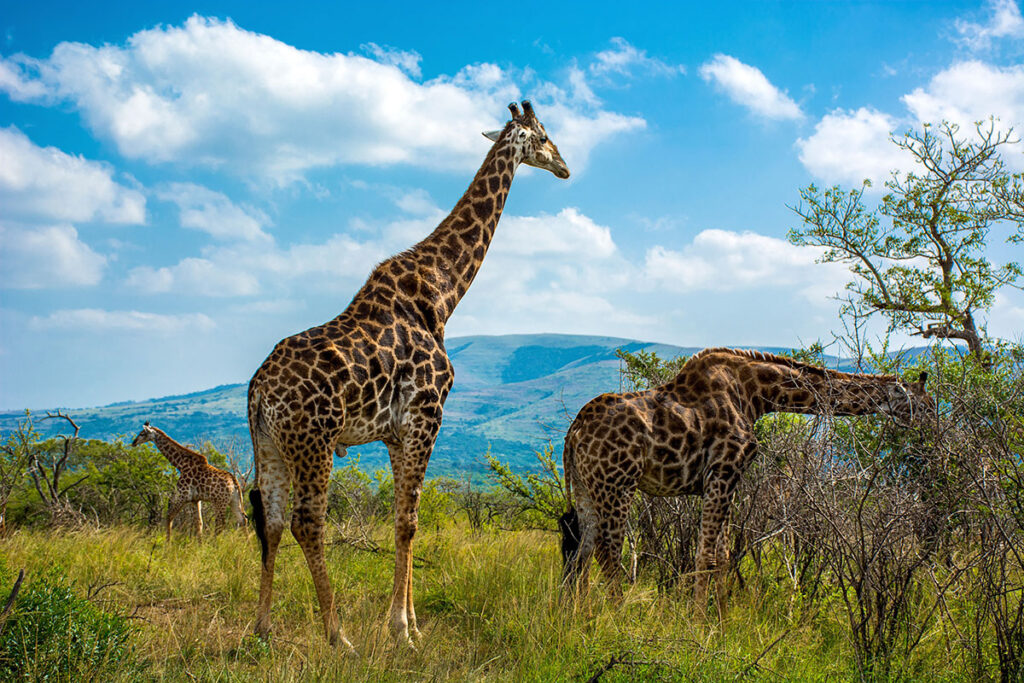
Hluhluwe–Imfolozi Park – South Africa’s Oldest Big Five Safari Destination, Rhino Conservation Stronghold, and Zululand’s Iconic Wilderness
Hluhluwe–Imfolozi Park is one of Africa’s most historic, biodiverse, and conservation-focused wildlife sanctuaries, renowned for its extraordinary Big Five safaris, dramatic landscapes, and the world-famous Operation Rhino program that saved the southern white rhino from extinction. Located in northern KwaZulu-Natal, this 960 km² wilderness is South Africa’s oldest proclaimed game reserve and remains a leading destination for travellers seeking authentic wildlife encounters, ecological diversity, and meaningful conservation tourism. With sweeping savannas, rolling green hills, river-cut valleys, dense forests, and an abundant variety of wildlife, Hluhluwe–Imfolozi Park is the crown jewel of Zululand and one of the most rewarding safari destinations in Southern Africa.
Established in 1895, the park was formed through the merging of two historically significant reserves: Hluhluwe Game Reserve in the north and the Imfolozi Game Reserve in the south. Together, they form a conservation landscape that protects some of the most productive wildlife habitats in South Africa. This is the birthplace of modern rhino conservation, where decades of pioneering work transformed a species on the edge of extinction into a symbol of survival and hope. Today, the park continues to play a crucial role in global rhino conservation while offering one of South Africa’s most immersive and diverse safari experiences.
Overview of Hluhluwe–Imfolozi Park
As the oldest proclaimed game reserve in South Africa, Hluhluwe–Imfolozi Park has a long legacy of wildlife protection. Once the hunting grounds of Zulu royalty, the area was first protected to safeguard dwindling wildlife populations, particularly the rare southern white rhino. For more than a century, the park has been a cornerstone of conservation science, rhino recovery work, and ecological restoration. Managed by Ezemvelo KZN Wildlife, the park continues to lead in wildlife management practices, anti-poaching operations, ecological monitoring, and community-focused conservation programs.
What sets Hluhluwe–Imfolozi Park apart from other African reserves is its remarkable blend of wildlife diversity, varied landscapes, cultural heritage, and world-leading conservation history. The northern Hluhluwe section is lush, mountainous, and scenic, with forested valleys and sweeping viewpoints. It offers incredible photographic opportunities and is known for its populations of elephant, buffalo, nyala, and rare forest birds. The southern Imfolozi region, on the other hand, is more open, wild, and rugged, offering classic Big Five safari terrain perfect for spotting lions, hyenas, wild dogs, white rhinos, and large herbivore herds. Combined, these contrasting landscapes create one of the most rewarding safari ecosystems in Southern Africa.
Location and Accessibility
Hluhluwe–Imfolozi Park is located in northeastern KwaZulu-Natal, around 250 km north of Durban and approximately 80 km from Richards Bay. Its prime location makes it ideal for travellers exploring the iSimangaliso Wetland Park, St Lucia Estuary, Sodwana Bay, or the Indian Ocean coastline. Because it is easily accessible by road and has well-maintained internal routes, many visitors choose Hluhluwe–Imfolozi as an alternative or complement to South Africa’s Kruger National Park.
With its strategic location in the heart of Zululand, the park is surrounded by Zulu communities, private reserves, game ranches, and protected cultural landscapes. This creates a broader conservation corridor that supports wildlife movement and encourages community participation in eco-tourism, thereby enhancing long-term conservation.
Geography, Landscapes, and Terrain
The geography of Hluhluwe–Imfolozi Park is one of its most defining features. The northern region features rugged mountains, dramatic slopes, deep ravines, and riverine forests, while the southern region offers vast, open savannas, acacia-dotted plains, and lightly wooded hills. This blend of terrains provides a visually captivating and biologically rich environment that supports diverse wildlife species with different habitat needs.
The park’s geological foundation is a mix of ancient sandstone formations, shale layers, and volcanic-derived soils. Fertile alluvial soils along major rivers support dense forests and productive grasses, while rocky highlands encourage hardy shrubs and thornveld. This geological variation forms the basis of the park’s remarkable ecological diversity.
Climate and Weather
Hluhluwe–Imfolozi Park experiences a warm, subtropical climate with distinct wet and dry seasons, making it an excellent year-round safari destination. Summers (October to March) are hot, humid, and rainy, with dramatic thunderstorms that transform the landscape into a lush, green paradise. This is the season of newborn animals, vibrant birdlife, and flowering plants.
Winters (May to August) are dry, cool, and sunny — ideal for game viewing. Vegetation becomes sparse, and wildlife gathers around permanent water sources, creating excellent opportunities to see predators, elephants, buffalo, and large herbivore herds. Because Hluhluwe is more humid and forested, and Imfolozi more open and dry, the park experiences microclimates that further enhance biodiversity.
Hydrology and River Systems
The park’s lifeline is its network of rivers, springs, wetlands, and seasonal pans. The Hluhluwe River flows through the northern region, creating forested valleys and wildlife-rich riverbanks, while the Black and White Imfolozi Rivers wind through the southern section before merging to form the main Imfolozi River. These rivers attract a high density of wildlife and support lush riparian ecosystems that provide shade, food, and refuge for numerous species.
During dry seasons, wildlife congregates around riverbeds, providing photographers and safari enthusiasts with exceptional viewing opportunities. Riverine forests also serve as vital corridors for species such as elephants, bushbuck, primates, and a diverse array of bird species.
Major Ecosystems and Habitats
Hluhluwe–Imfolozi Park is home to one of the most diverse collections of habitats in any South African reserve. This variation supports an impressive variety of mammals, birds, reptiles, amphibians, and plant species. The primary habitats include:
- Montane Forest and Hilltop Thickets: Rich in shade-loving plants, forest birds, nyala, bushbuck, and monkeys.
- Thornveld and Acacia Savanna: Wide plains dotted with acacias, offering perfect grazing areas for rhinos, zebras, wildebeest, and their predators.
- Riverine and Riparian Forests: Dense vegetation supporting elephants, hippos, fig trees, and a variety of bird species.
- Bushveld Woodland: Mixed trees and shrubs providing shelter for browsers and ambush predators.
- Open Grasslands: Highly productive grazing grounds that attract large herbivore herds and Big Five predators.
The park’s rich array of habitats enables visitors to experience multiple environments in one safari — from wooded hillsides and lush riverbanks to open savannas and sweeping vistas.
Vegetation and Plant Life
Hluhluwe–Imfolozi’s vegetation is a vital foundation for its wildlife diversity. Key vegetation types include acacia savannas, broadleaf woodlands, tall grasslands, and riparian forests. Iconic African trees such as marula, knobthorn, red bushwillow, tamboti, and sycamore fig provide essential food sources and habitats for insects, birds, reptiles, and mammals.
The wet season transforms the park into a lush green landscape filled with flowering plants, while the dry season opens up the bush, making wildlife easier to spot. This dynamic seasonal change shapes the park’s wildlife movements, breeding cycles, and predator activity.
Wildlife of Hluhluwe–Imfolozi Park
Hluhluwe–Imfolozi Park is one of the best places in South Africa to see the Big Five — lion, leopard, elephant, buffalo, and rhino — in one reserve. It is particularly renowned for its population of white rhinos, one of the largest on the continent. Black rhinos, though more elusive, also thrive here in significant numbers.
The Big Five
- Rhinos (White and Black): The park is the historical heart of rhino conservation, offering some of the best rhino viewing on the continent.
- Elephants: Common throughout the park, often seen at rivers, mud wallows, and woodland habitats.
- Buffalo: Large breeding herds roam the park, especially in the Imfolozi region.
- Lions: Strong populations with frequent sightings during early mornings and late afternoons.
- Leopards: Secretive but regularly seen, particularly in forested areas.
Other Mammals
- Giraffe
- Zebra
- Blue wildebeest
- Nyala, kudu, bushbuck
- Eland and reedbuck
- Warthog
- Spotted hyena
- African wild dog (occasional)
- Cheetah (rare but present)
Birdlife
Hluhluwe–Imfolozi is a birdwatcher’s dream with over 400 recorded bird species. Raptors, forest birds, wetland species, and savanna specialists can all be found in the park.
- Martial eagle
- Crowned eagle
- Bateleur
- Vultures (lappet-faced, white-backed, hooded)
- Southern ground hornbill
- Turacos
- Rollers, bee-eaters, and kingfishers
- Weavers, bishops, and widowbirds
Reptiles, Amphibians, and Insects
The park’s rich reptile and amphibian fauna include Nile crocodiles, monitor lizards, pythons, cobras, frogs, toads, and chameleons. Insects such as butterflies, beetles, dragonflies, and termites play vital roles in ecosystem health.
Operation Rhino: A Global Conservation Success Story
One of the most significant chapters in wildlife conservation history took place in Hluhluwe–Imfolozi Park. By the mid-20th century, fewer than 100 southern white rhinos remained on Earth, all located in this region. Through pioneering surgeries, translocations, breeding programs, and anti-poaching interventions, Operation Rhino brought the species back from the brink. Today, nearly every white rhino population in Africa descends from individuals originally protected in Hluhluwe–Imfolozi Park.
This conservation miracle has inspired global wildlife protection initiatives and positioned the park as a model for endangered species recovery programs worldwide.
Cultural Heritage and Local Communities
Hluhluwe–Imfolozi is deeply connected to the cultural and historical identity of the Zulu people. Many communities around the park rely on tourism, craftwork, conservation jobs, and small-scale agriculture. Cultural tourism experiences include traditional Zulu dance, music, storytelling, homestead visits, and craft markets.
Community-based conservation programs empower local residents to participate in wildlife protection, anti-poaching efforts, environmental education, and sustainable tourism.
Safari Activities in Hluhluwe–Imfolozi Park
The park offers an extensive range of activities for nature enthusiasts, wildlife photographers, families, and adventure travellers.
- Self-drive game drives: Enjoy flexibility while exploring scenic routes at your own pace.
- Guided game drives: Expert-guided safaris at sunrise, daytime, or sunset with professional rangers.
- Guided bush walks: Perfect for learning about tracks, plants, insects, and bush ecology.
- Birdwatching excursions: Explore forest, savanna, and wetland bird habitats.
- Photography outings: Capture dramatic landscapes, wildlife sightings, and riverine scenes.
Sample 2–3 Day Safari Itinerary
Day 1: Enter through either Memorial Gate (north) or Nyalazi Gate (south). Explore the Hluhluwe section with its hilltop viewpoints and riverine forests. Look for elephants, buffalo, nyala, and birdlife.
Day 2: Venture into the Imfolozi region, focusing on open plains for lions, rhinos, hyenas, and large herbivore herds.
Day 3: Sunrise drive, riverbank viewing, and optional short walk before departing.
Photography Tips
- Early mornings and late afternoons offer the best lighting.
- River crossings and waterholes attract wildlife during dry seasons.
- Hilltop viewpoints in Hluhluwe provide panoramic scenes ideal for golden-hour shots.
- Keep a zoom lens ready for birds and predators.
- Use wider lenses for landscapes and herds.
Accommodation Options
- Hilltop Camp: Scenic lodge with chalets, rondavels, a restaurant, and sweeping views.
- Mpila Camp: Rustic, unfenced camp offering a truly wild overnight experience.
- Self-catering cottages and chalets for families and groups.
- Tented camps for immersive bush stays.
- Private lodges outside the park offering guided safaris and cultural experiences.
Best Time to Visit Hluhluwe–Imfolozi Park
The best time for game viewing is during the dry winter months (May to September) when wildlife congregates around waterholes and visibility is at its best. However, the green summer season (October to March) offers lush landscapes, birding opportunities, and dramatic sunsets. Each season provides a unique safari experience.
Park Fees, Rules, and Responsible Tourism
- Daily conservation fees fund wildlife protection and community programs.
- Remain inside your vehicle except at designated viewpoints.
- Do not feed or disturb wildlife.
- Respect speed limits and keep a safe distance from animals.
- Follow ranger instructions during guided walks or drives.
Why Hluhluwe–Imfolozi Park Is One of South Africa’s Most Important Safari Destinations
Hluhluwe–Imfolozi Park offers a rare combination of breathtaking scenery, Big Five wildlife, ancient cultural heritage, and one of the most important conservation legacies on Earth. It is the birthplace of modern rhino conservation, a sanctuary for endangered species, and a living symbol of resilience, hope, and environmental stewardship in Africa.
For travellers seeking a safari experience that is both visually spectacular and deeply meaningful, Hluhluwe–Imfolozi Park stands as one of South Africa’s most unforgettable wilderness destinations.