
Ichkeul National Park
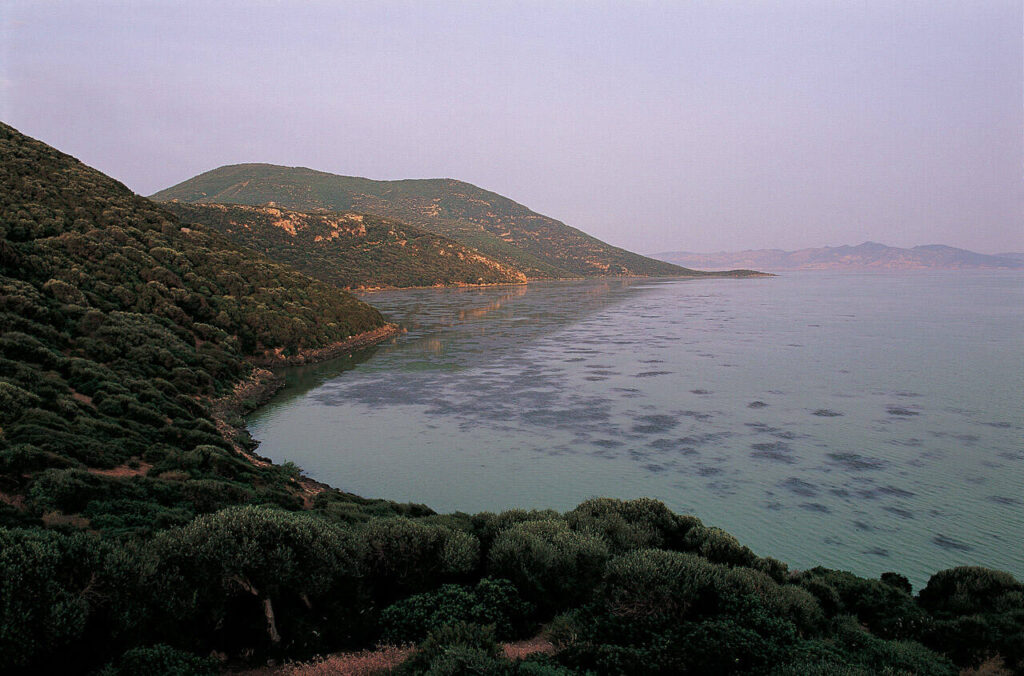
Ichkeul National Park – Tunisia’s UNESCO World Heritage Wetland and Africa’s Most Important Migratory Bird Sanctuary on the Mediterranean Flyway
Ichkeul National Park stands as one of the Mediterranean region’s most extraordinary natural treasures — a UNESCO World Heritage Site internationally recognized for its vast freshwater lake, seasonally flooded marshes, unique mountain ecosystems, and irreplaceable role in sustaining the migratory bird populations that travel between Europe, Asia, and Africa. Situated in northern Tunisia, this 12,600-hectare protected area is the last remaining functional wetland in a once extensive chain of North African lakes that historically supported millions of wintering birds.
The park’s ecological centerpiece, Lake Ichkeul, expands dramatically during winter rains and retreats in the hot summer months, creating a dynamic wetland system that supports ducks, geese, storks, coots, cormorants, flamingos, and countless other species. Rising above the landscape, Djebel Ichkeul — a striking limestone mountain — adds geological, cultural, and ecological richness to the park. For nature lovers, birdwatchers, researchers, and conservation travelers, Ichkeul National Park offers an unforgettable immersion into one of the most vital wetland ecosystems in Africa.
Overview of Ichkeul National Park
Declared a national park in 1980 and listed as a UNESCO World Heritage Site the same year, Ichkeul protects one of the most biologically productive wetland–mountain complexes in Africa. The park gained global conservation importance because of its role as a winter refuge for migrating Palearctic birds — with some years recording over 300,000 birds feeding and resting on its marshes.
Ichkeul’s ecological health has faced major challenges due to upstream dams that reduced freshwater input, causing lake salinity to rise dramatically in the 1990s and early 2000s. These changes threatened reedbeds, marsh plants, fish species, and the migratory birds that depend on them. After extensive ecological restoration and improved water management, the lake’s natural cycle has largely recovered, and Ichkeul remains a powerful example of successful wetland restoration in the Mediterranean basin. Today, it stands as a symbol of Tunisia’s long-term commitment to biodiversity conservation and sustainable water management.
Location and Size
Ichkeul National Park is located in northern Tunisia near Bizerte, roughly 75 km northwest of Tunis. Positioned along one of the most important migratory routes linking Eurasian breeding grounds to African wintering habitats, the park’s location is essential for millions of birds that travel thousands of kilometers across continents.
The park covers approximately 12,600 hectares and includes:
- Lake Ichkeul: A shallow but expansive freshwater lake whose surface area changes dramatically with the seasons.
- Marshes and reedbeds: Rich feeding grounds for ducks, geese, storks, and waders.
- Djebel Ichkeul: A 511-meter limestone mountain offering diverse flora and exceptional viewpoints.
- Floodplains and meadows: Seasonal grazing areas historically used by wild buffalo and other herbivores.
This compact yet layered landscape creates one of the most ecologically diverse protected areas in North Africa.
Geography and Geology
Ichkeul’s landscape is shaped by the dynamic interaction between its freshwater lake, sediment-rich marshes, surrounding plains, and the towering Djebel Ichkeul mountain. The region’s geological foundation consists mainly of Jurassic limestone, which forms rocky slopes, cliffs, and caves that support specialized plants and wildlife.
Additional geological elements include:
- Silty marsh substrates: Essential for wetland vegetation such as reeds and sedges.
- Alluvial floodplains: Created by seasonal river deposits that enrich soils and support grasses.
- Karstic formations: Channels and fissures in Djebel Ichkeul that store and release groundwater.
This geological complexity underpins the park’s rich mosaic of habitats and contributes to its scenic beauty and ecological significance.
Climate
Ichkeul experiences a Mediterranean climate characterized by cool, wet winters and hot, dry summers. Winter rainfall plays a critical role in filling the lake and maintaining low salinity levels that are essential for wetland vegetation and migratory birds. The cold season also coincides with the arrival of vast flocks of Palearctic birds that depend on Ichkeul for food and shelter.
In summer, temperatures rise significantly, leading to increased evaporation and natural salinity fluctuations. Although seasonal drying is part of the lake’s natural cycle, modern hydrological challenges have made water management essential to preserving the ecosystem’s delicate balance.
Hydrology and Water Systems
The hydrological system of Ichkeul National Park is one of the most important ecological features in the entire Mediterranean region. Lake Ichkeul receives freshwater from several wadis, including Wadi Tinja, Wadi Ghézala, and Wadi Joumine, whose inflows determine the lake’s depth, salinity, and ecological productivity.
Key hydrological components include:
- Lake Ichkeul: Expands in winter due to rainfall and river inflows, shrinking during summer droughts.
- Marshlands: Seasonal wetlands that produce rich plant biomass essential for bird feeding.
- Tinja Canal: A natural–artificial channel controlling water movement between the lake and Lake Bizerte.
- Seasonal floodplains: Fertile grazing areas historically used by buffalo and waterbirds.
Achieving the right balance of freshwater and brackish water is crucial to maintaining the ecological integrity of this UNESCO site.
Ecosystems and Habitats
Ichkeul National Park contains some of the most ecologically diverse wetland habitats in North Africa. Its ecosystems support complex interactions between plant species, freshwater organisms, grazing herbivores, and a massive diversity of migratory birds.
- Freshwater marshes: Home to reeds, bulrushes, and aquatic plants vital for wintering birds.
- Open water lake: Provides habitat for diving ducks, coots, and cormorants.
- Seasonal meadows: Used by buffalo and waterfowl during low water periods.
- Mountain habitats: Djebel Ichkeul supports endemic plants and raptors.
- Mediterranean scrub: Includes evergreen shrubs, aromatic plants, and woodland patches.
Together, these habitats make Ichkeul a biodiversity hotspot within the Mediterranean Basin.
Vegetation
The vegetation of Ichkeul National Park is incredibly varied, ranging from marsh plants to Mediterranean shrubs and mountain flora. Seasonal water levels create a shifting tapestry of plant communities that support rich wildlife populations.
- Reeds (Phragmites australis): Dominant in marsh zones and important for bird nesting.
- Sedges and bulrushes: Provide food for geese, ducks, and coots.
- Halophytes: Salt-tolerant plants thriving in marsh edges with higher salinity.
- Olive, mastic, and carob trees: Common in Mediterranean woodlands.
- Limestone flora: Endemic herbs and shrubs adapted to rocky slopes of Djebel Ichkeul.
Wildlife of Ichkeul National Park
Mammals
Although primarily known for its birdlife, Ichkeul also shelters interesting mammal species adapted to marsh and mountain habitats. These animals contribute to the park’s ecological functioning and biodiversity.
- Water buffalo: Once numerous, now restored through conservation programs.
- Wild boar
- Golden jackal
- Barbary fox
- Hedgehogs, hares, and small rodents
- Occasional sightings of caracal and serval in remote areas
Birds
Ichkeul National Park is one of the most important bird migration sites in the world. Every winter, hundreds of thousands — sometimes over 300,000 — birds stop here during their journeys across the Mediterranean flyway. Because of this, Ichkeul is internationally recognized as a critical migratory bottleneck and a sanctuary for species threatened by habitat loss elsewhere.
- Greylag geese: Often arriving in impressive flocks.
- Eurasian coots: One of the most abundant species on the lake.
- Ducks such as shovelers, pochards, teals, and mallards
- Herons, egrets, storks, and ibises
- Flamingos feeding in shallow water zones
- Raptors including marsh harriers, kestrels, buzzards, and eagles
Birdlife peaks between December and March, attracting birdwatchers, scientists, and photographers from around the world.
Reptiles, Amphibians, and Insects
Ichkeul’s wetlands and rocky slopes support a variety of reptiles and amphibians, including frogs, toads, freshwater turtles, and harmless water snakes. Seasonal rains trigger explosive insect activity, supporting large populations of dragonflies, butterflies, mosquitoes, and wetland beetles that form essential components of the food web.
Unique Features of Ichkeul National Park
Ichkeul’s uniqueness comes from its combination of ecological, geological, and cultural features. As the only remaining freshwater lake in the region’s ancient wetland chain, it is irreplaceable for the survival of migratory bird populations across the Mediterranean. Its scenic contrast between wetlands and the rugged Djebel Ichkeul mountain creates one of the most dramatic natural landscapes in Tunisia.
- UNESCO World Heritage Site: Listed for both natural and ecological significance.
- Critical flyway habitat: A key station for migratory birds traveling between continents.
- Dynamic hydrology: Seasonal changes shape plant communities and wildlife distribution.
- Exceptional biodiversity: Wetland, mountain, and Mediterranean ecosystems in one protected area.
Cultural and Indigenous Communities
Communities around Ichkeul have historical ties to grazing, fishing, agriculture, and natural resource use. These traditional activities shaped the cultural landscape long before the area became a national park. Today, local residents contribute to conservation efforts through community-based ecotourism, environmental education, and sustainable grazing practices.
Conservation Importance
Ichkeul National Park is one of Africa’s and Europe’s most important wetland conservation areas. It protects:
- Critical migratory bird habitats threatened globally by wetland loss
- One of the last freshwater lakes in North Africa
- Unique reedbeds and marsh ecosystems supporting rare species
- Endemic plants growing on Djebel Ichkeul
Due to its vulnerability, Ichkeul was once placed on UNESCO’s “World Heritage in Danger” list — but successful restoration efforts and improved water management led to its removal in 2006, showcasing one of the region’s greatest conservation success stories.
Threats and Challenges
Despite progress, Ichkeul continues to face environmental challenges that threaten its long-term ecological stability:
- Reduced freshwater inflow due to dams and irrigation upstream.
- Rising salinity that alters plant and fish communities.
- Climate change leading to increased drought and reduced rainfall.
- Agricultural expansion causing habitat fragmentation.
- Pollution and sedimentation impacting marsh vegetation.
Addressing these challenges requires integrated water management, ecological monitoring, and community engagement.
Research and Monitoring
Ichkeul hosts a number of long-term ecological research programs focused on bird populations, plant communities, salinity levels, water quality, and ecosystem resilience. Hydrological monitoring is essential to understand how dam operations upstream impact the lake’s ecological cycles. Partnerships with universities and international conservation organizations help support these long-term studies.
Tourism Activities
Ichkeul National Park offers relaxing and enriching nature-based experiences suitable for eco-travelers, families, and birdwatchers:
- Birdwatching: Winter is peak season for spectacular migratory bird sightings.
- Hiking: Trails on Djebel Ichkeul provide panoramic views of wetlands and lakes.
- Nature walks: Explore marshes, plains, and reedbeds with interpretive guides.
- Photography: Exceptional opportunities for capturing birds, landscapes, and sunsets.
- Visitor center: Exhibits on ecology, hydrology, and conservation history.
Due to its accessibility from Tunis and Bizerte, Ichkeul is ideal for day trips, educational tours, and nature outings.
Access and Getting There
Ichkeul National Park can be reached by road from Tunis, Bizerte, Mateur, and other northern Tunisian cities. The main visitor center serves as the entry point, offering maps, guides, ecological displays, and staff assistance for planning hikes and birdwatching activities.
Permits, Fees, and Park Rules
Visitors pay a small park entrance fee that contributes directly to conservation management. Important rules include:
- Stay on designated hiking and walking paths.
- Do not disturb nesting or feeding birds.
- No fishing, hunting, or collecting plants.
- Dispose of waste responsibly.
- Respect quiet zones near sensitive bird habitats.
Accommodation
Although Ichkeul does not have lodges inside the park boundaries, travelers can stay in nearby cities and towns such as Bizerte, Mateur, and Tunis. Options range from comfortable guesthouses to modern hotels and eco-lodges that offer guided excursions to the park.
Best Time to Visit
The best time to visit Ichkeul National Park is during winter and early spring (December–March), when migratory birds arrive in massive numbers and the marshlands are at their ecological peak. Spring and autumn offer pleasant hiking conditions with mild temperatures and clear views, while summer provides fascinating opportunities to observe seasonal lake changes, exposed wetlands, and unique salt-tolerant vegetation.
Why Ichkeul National Park Is Unique
Ichkeul National Park is unique for its irreplaceable role in global bird migration, its iconic freshwater lake, and the rare combination of wetland and mountain ecosystems within a single protected area. As the last functioning wetland in a once large network of North African lakes, Ichkeul’s conservation is vital not only to Tunisia but to biodiversity across Europe, Asia, and Africa.
For travelers seeking an accessible yet deeply meaningful natural experience, Ichkeul offers a rare window into the complex interactions between water, climate, wildlife, and human stewardship. It remains one of the Mediterranean’s most remarkable national parks — a sanctuary of life, heritage, and ecological resilience.