
Ifrane National Park
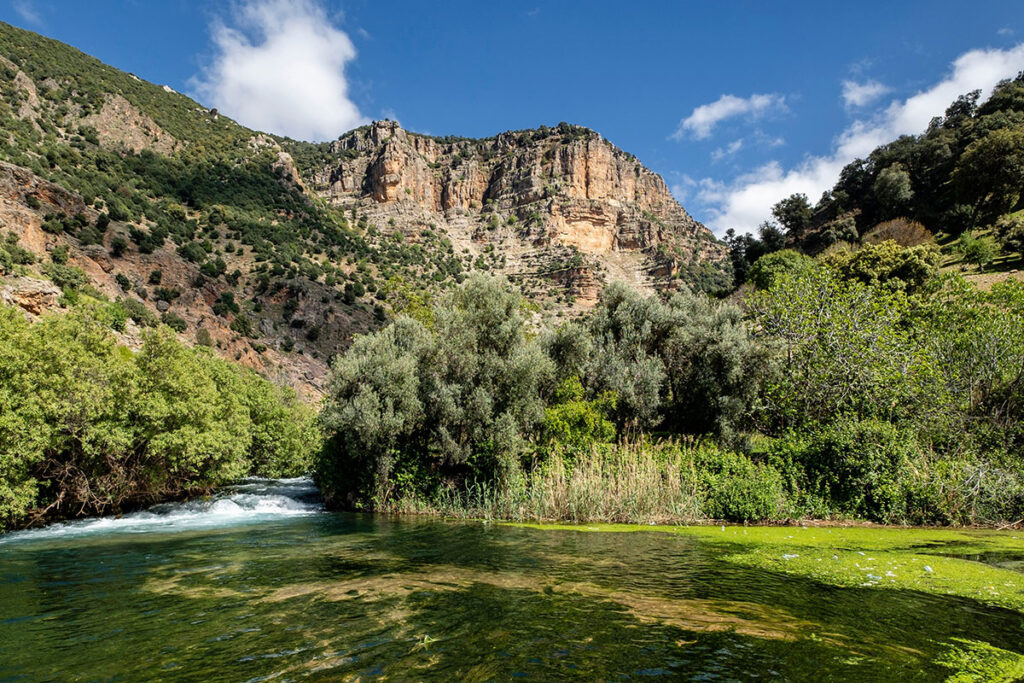
Ifrane National Park – Morocco’s Middle Atlas Cedar Forest Kingdom, Barbary Macaque Stronghold, Alpine Lakes, Volcanic Landscapes, and Exceptional Biodiversity Haven
Ifrane National Park is one of the most spectacular protected areas in North Africa — a rare high-altitude wilderness in Morocco’s Middle Atlas Mountains known for its ancient cedar forests, pristine alpine lakes, volcanic plateaus, sweeping meadows, and rich biodiversity. Stretching across more than 500 km², the park is the largest refuge for the endangered Barbary macaque, making it one of the most ecologically significant conservation areas in the entire Maghreb. Its blend of cool climate, forested mountains, snow-covered winters, and lush summer valleys gives the park an almost European feel, earning nearby Ifrane the nickname “Little Switzerland of Morocco.”
This remarkable national park attracts conservation scientists, eco-tourists, families, hikers, birdwatchers, and travelers seeking a refreshing alternative to Morocco’s desert landscapes. Visitors come for the tall Atlas cedars, the serene mirror-like lakes, the crisp mountain air, the incredible wildlife encounters, and the peaceful forests dotted with wildflowers. With its four distinctive seasons and rare biodiversity, Ifrane National Park stands out as one of the most beautiful, biologically valuable, and climate-resilient ecosystems in Morocco.
Overview of Ifrane National Park
Created in 2004, Ifrane National Park was established to safeguard the extraordinary natural heritage of the Middle Atlas region — especially its cedar forests, mountain lakes, and endangered wildlife. The park preserves some of the last and most extensive stands of the majestic Atlas cedar (Cedrus atlantica), a tree species found only in the Atlas Mountains of Morocco and Algeria. These ancient forests once covered vast areas of North Africa, but today only fragments remain, making Ifrane a critical conservation stronghold.
At the heart of the park’s mission is the protection of the Barbary macaque (Macaca sylvanus), the only native primate in North Africa and one of the world’s most endangered macaque species. Once widespread across Morocco, Tunisia, and Algeria, the species has declined dramatically due to habitat loss, hunting, and illegal wildlife trade. Ifrane National Park now supports the world’s largest remaining population, making it essential for global macaque survival and long-term genetic stability. The park also plays a vital role in maintaining hydrological balance in central Morocco, feeding major water systems that support agriculture, drinking supplies, and downstream ecosystems.
Location and Size
Ifrane National Park lies in the Middle Atlas Mountains of northern Morocco, positioned between the cities of Ifrane, Azrou, Timahdite, and El Hajeb. Its elevation ranges from 1,400 to more than 2,400 meters, creating one of the coolest climates in the country. This high-altitude environment supports an array of ecosystems not found elsewhere in Morocco, from cedar forests and alpine grasslands to volcanic plateaus and glacial lakes.
The park spans over 500 km² of protected land, including:
- Vast cedar forests that form the ecological backbone of the Middle Atlas.
- Mountain lakes such as Dayet Aoua, Ifrah, and Afourgagh that support migratory birds.
- Holm oak and pine woodlands thriving at lower elevations.
- High plateaus shaped by volcanic activity and glacial erosion.
- Deep river valleys enriched by freshwater springs and riparian vegetation.
Geography and Geology
The geography of Ifrane National Park is a diverse mosaic of mountains, forests, lakes, and volcanic formations shaped by millions of years of geological activity. The Middle Atlas region is dominated by limestone massifs, basalt flows, karst formations, and high plateaus, all of which contribute to the park’s dramatic landscapes and ecological richness.
Key geological features include:
- Limestone mountains carved by erosion into cliffs, caves, and rocky slopes used by birds of prey.
- Volcanic fields and basalt plateaus that create fertile soils supporting unique vegetation.
- Glacial lakes formed during the Ice Age and now serving as biodiversity hubs.
- Karst systems where underground channels feed springs and streams.
This complex geological foundation supports a wide variety of habitats that make Ifrane one of the richest ecological regions in North Africa.
Climate
Ifrane National Park experiences a high-altitude Mediterranean climate with cold, snowy winters and mild, pleasant summers. This climate is rare in North Africa, where desert conditions dominate much of the region. Winter temperatures frequently drop below freezing, covering the park in snow and creating ideal conditions for winter tourism. Spring brings carpets of wildflowers and renewed wildlife activity, while summer offers cool relief from Morocco’s heat, making the park a popular escape for locals and international travelers.
Autumn transforms the forests into vibrant shades of gold, orange, and red, creating one of the most spectacular seasonal color displays anywhere in Morocco. This four-season climate is a key factor in the park’s rich biodiversity and unique ecological identity.
Hydrology and Water Systems
The hydrology of Ifrane National Park is essential not only for local biodiversity but also for Morocco’s broader water supply. The park’s forests, lakes, and wetlands act as major water catchment zones that feed the Oum Er-Rbia and Sebou river systems — two of the most important rivers in the country.
- Natural springs such as Ain Vittel and Ain Choubik that flow year-round.
- High-altitude lakes that support aquatic species and migratory birds.
- Streams and rivers that nurture forests, meadows, and riparian corridors.
- Snowmelt-fed basins that replenish groundwater and maintain hydrological balance.
These freshwater systems support agriculture, drinking water supplies, and ecosystems far from the park, making its conservation crucial at a national and regional level.
Ecosystems and Habitats
Ifrane National Park is one of Morocco’s most diverse ecological landscapes, combining Mediterranean forests, alpine meadows, high-altitude wetlands, volcanic soil vegetation, and rocky mountain habitats. Each ecosystem supports specialized wildlife adapted to these unique environmental conditions.
- Atlas cedar forests offering habitat for macaques, birds, and forest mammals.
- Holm oak and evergreen woodlands supporting foxes, boar, and smaller carnivores.
- Alpine grasslands alive with seasonal wildflowers and grazing herbivores.
- Wetlands and lakes that serve as breeding and feeding grounds for numerous bird species.
- Rocky cliffs forming nesting sites for raptors and mountain birds.
Vegetation
The vegetation of Ifrane National Park is an exceptional blend of Mediterranean, alpine, and endemic plant species adapted to the region’s high-altitude climate. The park contains some of the oldest cedar forests in the world, alongside oak, pine, juniper, and shrub species that create layered, multi-structured habitats.
- Atlas cedar (Cedrus atlantica): The park protects some of Earth’s most intact cedar stands.
- Holm oak, cork oak, and kermes oak: Dominant hardwoods at moderate elevations.
- Juniper and Aleppo pine: Adapted to rocky, cold environments.
- Wild herbs and flowers: Including crocus, orchids, daisies, and medicinal plants used by locals.
- Riparian plants: Reeds, poplars, willows, and aquatic vegetation along lakes and streams.
Wildlife of Ifrane National Park
Mammals
Ifrane National Park is globally significant for harboring the largest surviving population of the endangered Barbary macaque. Numerous mammal species thrive in the park’s forests, grasslands, and lakeside habitats, benefiting from the protected environment and relatively low human disturbance.
- Barbary macaque — the park’s flagship species and a major conservation priority.
- Golden jackal
- Red fox
- Wild boar
- Barbary sheep (in rugged mountain zones)
- European otter inhabiting the lakes and streams
- Various rodents and small forest mammals
Birds
With over 200 bird species, Ifrane National Park is one of Morocco’s premier birdwatching destinations. Its lakes, forests, and cliffs provide essential habitats for both resident and migratory birds, making it an important site on North African bird migration routes.
- Golden eagle
- Bonelli’s eagle
- Levaillant’s woodpecker — a Moroccan endemic
- White storks and herons around wetlands
- Kestrels, owls, and falcons
- Passerines such as jays, finches, and warblers
Reptiles, Amphibians, and Insects
The park’s diverse reptile and amphibian populations include frogs, toads, turtles, and numerous lizard species adapted to the region’s varied ecosystems. Insects such as butterflies, bees, grasshoppers, and beetles play critical ecological roles as pollinators and food sources for birds and mammals.
Unique Features of Ifrane National Park
What makes Ifrane National Park truly unique is its combination of high-altitude cedar forests, endangered primate populations, alpine lakes, volcanic landscapes, and cooler climate — a rare environment in North Africa. The park stands apart from most Moroccan landscapes and offers visitors an experience that feels more alpine than Mediterranean or desert-like.
- The world’s largest population of Barbary macaques
- Ancient cedar forests found nowhere else on Earth
- Snowy landscapes during winter
- Pristine high-altitude lakes ideal for photography and birdwatching
- Diverse botanical species adapted to altitude and cold climate
Cultural and Indigenous Communities
The Ifrane region is home to Amazigh (Berber) communities whose traditional culture remains strongly connected to the land. For generations, these communities have practiced sustainable forestry, seasonal grazing, beekeeping, medicinal plant gathering, and artisanal craftsmanship. Their ecological knowledge contributes to the region’s conservation history and cultural richness.
Visitors can discover:
- Traditional Berber villages with stone and adobe architecture
- Handcrafted carpets, pottery, woodwork, and textiles
- Local foods such as honey, dates, herbs, and mountain dairy products
- Cultural experiences including music, storytelling, and mountain hospitality
Conservation Importance
Ifrane National Park is one of Morocco’s most vital conservation areas due to its globally unique cedar forests, endangered wildlife, and critical water resources. The park protects essential biodiversity while also supporting climate regulation, soil protection, and hydrological stability throughout central Morocco.
- Protection of the endangered Barbary macaque
- Conservation of rare cedar and oak forests
- Preservation of high-altitude water systems that feed major rivers
- Monitoring of sensitive bird and amphibian populations
The park is a cornerstone of Morocco’s long-term ecological resilience strategy.
Threats and Challenges
Despite its protected status, Ifrane National Park faces several ongoing threats that impact its forests, wildlife, and water systems.
- Illegal logging and timber harvesting threatening cedar forests
- Climate change reducing snowfall and impacting water supplies
- Urban expansion near Ifrane and Azrou
- Habitat disturbance from unregulated tourism and grazing
- Human-wildlife conflict affecting macaque populations
Long-term ecological monitoring and community collaboration are essential to mitigating these threats.
Research and Monitoring
Ifrane National Park is a hub for scientific research focused on forest ecology, climate adaptation, primate behavior, hydrology, and endemic species conservation. Universities and international conservation groups conduct long-term monitoring to understand the ecological dynamics of the Middle Atlas and protect the region against climate pressures.
Tourism Activities
The park offers exceptional nature-based tourism experiences that appeal to adventure travelers, families, wildlife enthusiasts, and photographers. Its forests, lakes, and mountains provide a peaceful and scenic environment for outdoor activities.
- Hiking and trekking through cedar forests and mountain plateaus
- Wildlife watching including macaque encounters and bird observation
- Photography of snowy winter landscapes and autumn forests
- Horseback riding and mountain biking in open plains and forest trails
- Lake activities such as walking trails and nature viewing
- Cultural tours in nearby Amazigh villages
Access and Getting There
Ifrane National Park is one of Morocco’s most accessible natural reserves. Good roads connect the park to major cities such as Fez, Meknes, and Rabat.
- Ifrane – 10 to 20 minutes
- Azrou – 15 to 30 minutes
- Fez – about 1 hour
- Meknes – about 1.5 hours
Most visitors enter the park through well-marked roadways leading to cedar forests and lake areas.
Permits, Fees, and Park Rules
Entrance is generally free, though guided tours, forest access points, or certain organized activities may require a fee. Visitors must follow environmental guidelines to protect the park’s fragile ecosystems.
- Do not feed macaques or wildlife.
- Stay on designated trails.
- No cutting or collecting plants or wood.
- Dispose of waste properly.
- Respect quiet zones near wildlife habitats.
Accommodation
Visitors can find excellent accommodation options in Ifrane, Azrou, and nearby rural areas. These include:
- Mountain lodges and eco-lodges
- Guesthouses with traditional Amazigh hospitality
- Forest retreats and rural riads
- Hotels and resorts in Ifrane
Many lodges offer guided tours, wildlife experiences, and nature-based activities.
Best Time to Visit
Ifrane National Park is beautiful year-round, but each season offers unique highlights:
- Spring: Wildflowers, flowing rivers, abundant wildlife.
- Summer: Cool temperatures perfect for hiking.
- Autumn: Vibrant forest colors and mild weather.
- Winter: Snow-covered forests and stunning mountain scenery.
Why Ifrane National Park Is Unique
Ifrane National Park stands out as the ultimate mountain wilderness of Morocco — a rare landscape of ancient cedar forests, endangered primates, mirror-like lakes, cool climate conditions, and spectacular four-season beauty. Its role as a biodiversity refuge, water source, and cultural heritage site makes it one of the most important protected areas in the Maghreb.
For travelers seeking pristine nature, wildlife encounters, hiking adventures, and peaceful forest escapes, Ifrane National Park offers an unforgettable journey into the heart of Morocco’s Middle Atlas — a place where wilderness, culture, and ecological wonder come together in perfect harmony.