
Iona National Park
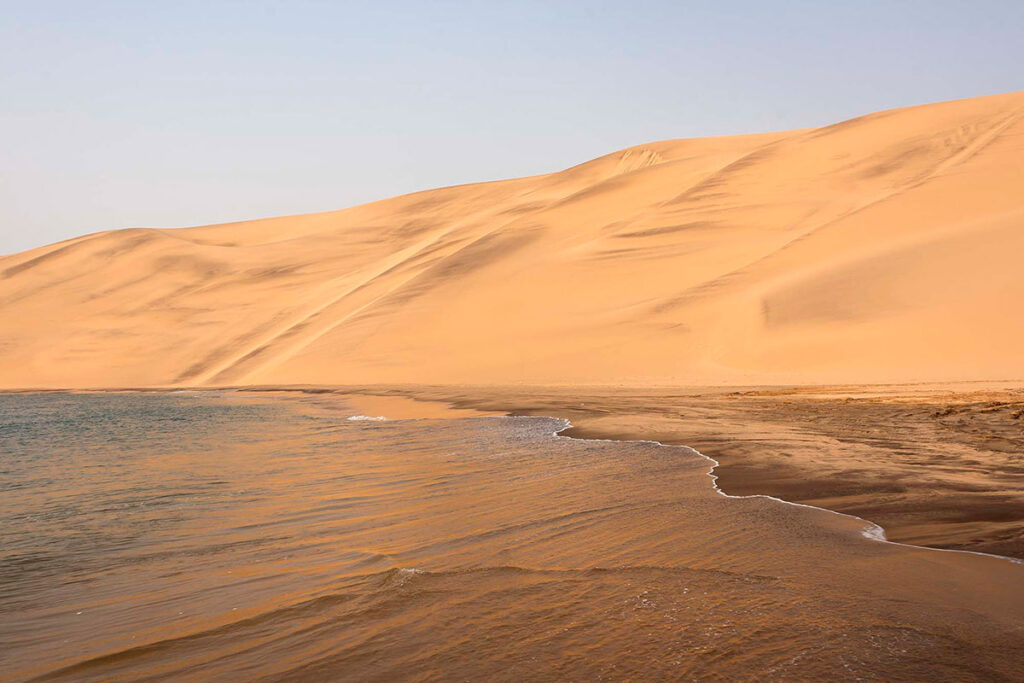
Iona National Park – Angola’s Namib Desert Giant of Towering Dunes, Ancient Welwitschia Plants, Desert Lions, Rugged Mountains, and Untouched Wilderness Landscapes
Iona National Park is one of Africa’s most spectacular and least-explored desert wildernesses — a massive 15,000 km² protected area located in Angola’s remote southwest, where the Namib Desert spills across the border from Namibia into one of the continent’s most geologically ancient landscapes. It is a region unlike anywhere else in Angola: a surreal blend of rolling orange dunes, shimmering gravel plains, dramatic granite mountain massifs, endless fog-fed coastal deserts, and rare plants that have survived unchanged for thousands of years.
This immense wilderness is home to Angola’s most iconic desert-adapted wildlife, including oryx, springbok, brown hyenas, ostriches, Hartmann’s mountain zebras, and increasingly, the return of legendary desert lions. At the heart of its ecological identity is the Welwitschia mirabilis — an extraordinary living fossil that can survive for more than 1,500 years and is found nowhere else on Earth except the Namib Desert. As one of the oldest deserts on the planet, Iona National Park provides a rare window into ancient ecological processes, making it a global hotspot for desert research, biodiversity conservation, and wilderness tourism.
Overview of Iona National Park
Established in 1937, Iona National Park holds the distinction of being Angola’s oldest national park and one of the largest protected desert regions in southern Africa. Its conservation significance is immense: the park forms the northern anchor of the Namib Desert ecosystem, an extremely old biome estimated to be at least 55 million years old. This ancient desert has allowed rare adaptations to evolve, creating plants, insects, and animals found nowhere else in the world.
Although the park suffered during Angola’s civil war, major restoration and conservation initiatives — including partnerships with African Parks, the Angolan government, and regional communities — have brought new hope for wildlife recovery. Desert lions, previously thought to be extinct in the region, are returning, and several antelope species have begun repopulating their ancestral territories. Today, Iona is again becoming one of the last great African wildernesses: vast, silent, untouched, and brimming with ecological potential.
Location and Size
Iona National Park lies in the far southwest corner of Angola’s Namibe Province, bordering Namibia’s famed Skeleton Coast. This strategic position links the park to a transboundary conservation landscape that extends from the Cunene River in the south to the Serra da Curoca mountains in the north. Its western boundary meets the Atlantic coastline, where powerful ocean currents generate the fog that sustains the Namib Desert ecosystem.
Spanning more than 15,000 km² — an area larger than the entire country of Montenegro — Iona is Angola’s largest national park and a vital ecological corridor for wildlife migration, climate resilience, and desert biodiversity preservation.
Geography and Geology
The geography of Iona National Park is dominated by the rugged features of the Namib Desert, an ancient landscape sculpted by wind, sand, tectonic uplift, and extreme aridity. The region is one of the best-preserved desert geomorphological systems on Earth.
- Sand dunes: Towering, wind-sculpted ridges forming part of the Namib’s northern dune fields.
- Gravel plains: Vast, shimmering expanses of desert pavement supporting specialized reptiles and insects.
- Granite and basalt mountains: Including Serra da Curoca and Tchamalindi — geological giants that create microhabitats for rare plant species.
- Salt pans and dry riverbeds: Relics of ancient lakes and watercourses that occasionally flood during rare rains.
These varied landforms provide ideal conditions for desert-adapted flora and fauna, while offering visiting scientists and geologists a unique natural laboratory for studying the origins of the Namib Desert and its long-term climatic evolution.
Climate
Iona National Park experiences a hyper-arid climate shaped by the cold Benguela Current along the Atlantic coast. Rainfall is extremely scarce, often less than 50 mm per year, making this one of the driest regions in Africa. Despite low rainfall, the area receives regular moisture through dense marine fog known locally as “cacimbo.” This fog penetrates deep into the desert interior, sustaining countless species that have evolved methods to absorb water from the air rather than the soil.
Temperatures fluctuate dramatically between scorching daytime heat and cold night-time lows. Coastal areas remain relatively cool thanks to strong winds and the influence of the Atlantic Ocean, while inland plains and rocky mountains experience harsher desert heat. The fog cycles, wind patterns, and extreme temperature ranges create an ecosystem where survival depends on remarkable biological adaptations.
Hydrology and Water Sources
Although Iona is one of the driest parks in Africa, it is sustained by a unique hydrological system built around fog, ephemeral rivers, and deep underground reserves.
- Fog moisture: Plants and insects harvest microscopic water droplets directly from the air.
- Seasonal rivers: The Curoca and Cunene Rivers briefly flow after rare rains, attracting large mammals.
- Ephemeral pans: Shallow depressions that temporarily hold rainwater and support bursts of plant growth.
- Groundwater reserves: Tapped by deep-rooted plants such as Welwitschia and desert shrubs.
The hydrology of Iona is a perfect example of desert resilience — an ecosystem functioning on minimal water yet supporting an astonishing variety of life.
Ecosystems and Habitats
Iona National Park protects a mosaic of habitats found nowhere else in Angola, each shaped by wind, fog, geology, and extreme temperatures. These ecosystems form the northernmost part of the Namib Desert biome.
- Sand dune ecosystems: Home to burrowing reptiles, fog-dependent beetles, and hardy grasses.
- Gravel plains: Vast expanses where dark rocks absorb solar heat, creating microhabitats for small mammals and insects.
- Mountain ecosystems: Rocky slopes supporting specialized succulents, lichens, and raptors.
- Coastal deserts: Rich in seabirds, salt-tolerant plants, and moisture-loving organisms.
- Dry riverbeds (omiramba): Key wildlife corridors for desert elephants, predators, and herbivores.
Vegetation
Iona’s flora is dominated by highly specialized desert plants that survive through extraordinary adaptations such as fog-harvesting, shallow spreading roots, and minimal transpiration. The region is scientifically famous for its abundance of Welwitschia mirabilis — one of the planet’s most unique plants.
- Welwitschia mirabilis: A prehistoric gymnosperm often exceeding 1,000 years old.
- Saltbush and desert shrubs: Dominant food sources for antelope and small mammals.
- Succulents: Storing water in fleshy leaves and stems.
- Acacias and tamarisks: Found in ephemeral riverbeds and underground-water areas.
- Lichens: Creating colorful crusts over rocks in fog-heavy zones.
These plants form the backbone of the park’s food web, supporting herbivores, insects, and predators.
Wildlife of Iona National Park
Mammals
Thanks to renewed conservation efforts, Iona National Park is witnessing the return of numerous desert-adapted mammals. Many of these species had disappeared during Angola’s civil war but are now rebounding due to improved protection.
- Desert lions: Extremely rare lions that survive with minimal water, now slowly recolonizing the park.
- Brown hyenas: Also known as “strandwolves,” these scavengers depend on coastal ecosystems.
- Oryx (gemsbok): Perfectly adapted to extreme heat and aridity.
- Springbok: One of the region’s most common antelope species.
- Hartmann’s mountain zebra: Agile climbers thriving in rugged mountain terrain.
- Giraffes: Recently reintroduced as part of an ecological restoration program.
- Bat-eared foxes, jackals, and smaller carnivores
Birds
Birdlife in Iona National Park reflects the diversity of desert, coastal, and mountain habitats. Many species are desert specialists or migratory visitors that rely on the Namib ecosystem.
- Ostriches roaming sand plains
- Black-chested snake eagles
- Lappet-faced vultures
- Tractrac chats and dune larks
- Rüppell’s korhaan
- Coastal seabirds such as terns and gulls
Reptiles, Amphibians, and Insects
The Namib region is famous for its reptiles and insects, many of which display extraordinary fog-harvesting behaviors and heat adaptations.
- Namaqua chameleons
- Sidewinder snakes
- Geckos and skinks
- Fog-basking beetles that collect water from morning mist
- Scorpions adapted to extreme desert heat
Unique Features of Iona National Park
Iona’s uniqueness lies in its blend of ancient geology, desert ecology, and cultural heritage. It is one of the few places on Earth where:
- Fog sustains an entire ecosystem with minimal rainfall.
- Welwitschia plants grow for more than a thousand years.
- Desert lions hunt in dunes and gravel plains.
- Granite mountains rise dramatically above a sea of desert sand.
- Cultural groups maintain ancient pastoral traditions.
Cultural and Indigenous Communities
Iona is not only a natural wilderness but a cultural landscape inhabited by traditional Himba, Mwila, and other semi-nomadic groups whose lifestyles remain deeply connected to desert ecology. Their traditional knowledge of water sources, grazing patterns, and medicinal plants is invaluable for conservation.
Engaging with these communities allows visitors to experience:
- Traditional Himba villages
- Indigenous crafts, jewelry, and hairstyles
- Cultural ceremonies and pastoral traditions
- Rock art sites depicting ancient desert life
Conservation Importance
Iona National Park plays a critical role in preserving the northern Namib Desert ecosystem, safeguarding ancient species and restoring wildlife populations lost during years of conflict.
- Protection of desert lions and brown hyenas
- Preservation of Welwitschia fields
- Rewilding antelope and giraffe populations
- Maintaining transboundary wildlife corridors
The park is central to Angola’s national biodiversity strategy and one of the continent’s most promising conservation success stories.
Threats and Challenges
Although Iona remains one of Africa’s last great wildernesses, it faces several threats:
- Poaching and illegal hunting
- Climate change reducing fog frequency
- Off-road vehicle damage to fragile habitats
- Human–wildlife conflict near pastoral zones
- Unsustainable grazing in buffer areas
Research and Monitoring
The park is increasingly recognized as a key research hub for understanding desert ecology. Scientists study:
- Welwitschia growth, genetics, and longevity
- Fog meteorology and ecosystem dependence
- Desert lion movement patterns
- Adaptations of insects and reptiles to extreme conditions
These studies contribute to global desert research and climate resilience strategies.
Tourism Activities
Tourism in Iona focuses on immersive wilderness experiences, offering exceptional opportunities for desert exploration and cultural encounters:
- 4×4 desert expeditions
- Wildlife viewing including antelope, zebras, and predators
- Guided visits to Welwitschia fields
- Himba and Mwila cultural tours
- Mountain hikes in Serra da Curoca
- Coastal desert photography
Access and Getting There
Due to its remoteness, accessing Iona National Park requires careful planning. Most travelers begin their journey in Namibe or Tombwa before transitioning to off-road routes into the park.
- 4×4 vehicles are essential
- Guided expeditions strongly recommended
- Cross-border access possible from Namibia’s Skeleton Coast
Permits, Fees, and Park Rules
Visitors must secure permits through Angola’s park authorities or approved tourism operators. Important rules include:
- Stay on designated tracks
- No collecting plants or rocks
- No disturbing wildlife
- Carry sufficient water, fuel, and supplies
Accommodation
Accommodation options are rustic and wilderness-focused, enhancing the sense of adventure and remoteness:
- Eco-lodges near Namibe
- Wilderness campsites
- Mobile safari camps
- Guesthouses in Virei and Tombwa
Best Time to Visit
The best time to visit Iona National Park is during the cooler months from May to September. These months offer pleasant temperatures, better visibility, and ideal conditions for wildlife viewing and desert exploration. Summer months are extremely hot but reward photographers with intense desert colors and spectacular sunsets.
Why Iona National Park Is Unique
Iona National Park stands alone as a landscape where geological antiquity, ecological rarity, and cultural heritage converge. It is one of the few places on Earth where visitors can witness fog-sustained ecosystems, thousand-year-old plants, re-emerging populations of desert lions, towering dunes, basalt mountains, and genuine nomadic cultures still living in harmony with the desert.
For nature lovers, adventurers, conservationists, and photographers seeking authentic wilderness with unmatched scientific value, Iona National Park is one of Africa’s most extraordinary destinations — a vast, untouched desert sanctuary shaped by wind, fog, time, and resilience.