
Katavi National Park
Katavi National Park – Tanzania’s Remote Safari Paradise of Giant Wildlife Herds, Spectacular Floodplains, Predator Action, Hippo Havens, and Untouched Wilderness
Katavi National Park is one of Africa’s most spectacular and least disturbed safari destinations—a remote and pristine wilderness deep in western Tanzania where immense buffalo herds, sprawling floodplains, roaring lions, and hundreds of hippos gather in dramatic natural scenes. Covering approximately 4,471 km², Katavi is Tanzania’s third-largest national park, yet it receives only a tiny fraction of the visitors who flock to Serengeti or Ngorongoro. This unparalleled level of seclusion has allowed Katavi to preserve its ancient rhythms, making it one of the last places on the continent where wildlife behaves with minimal human influence.
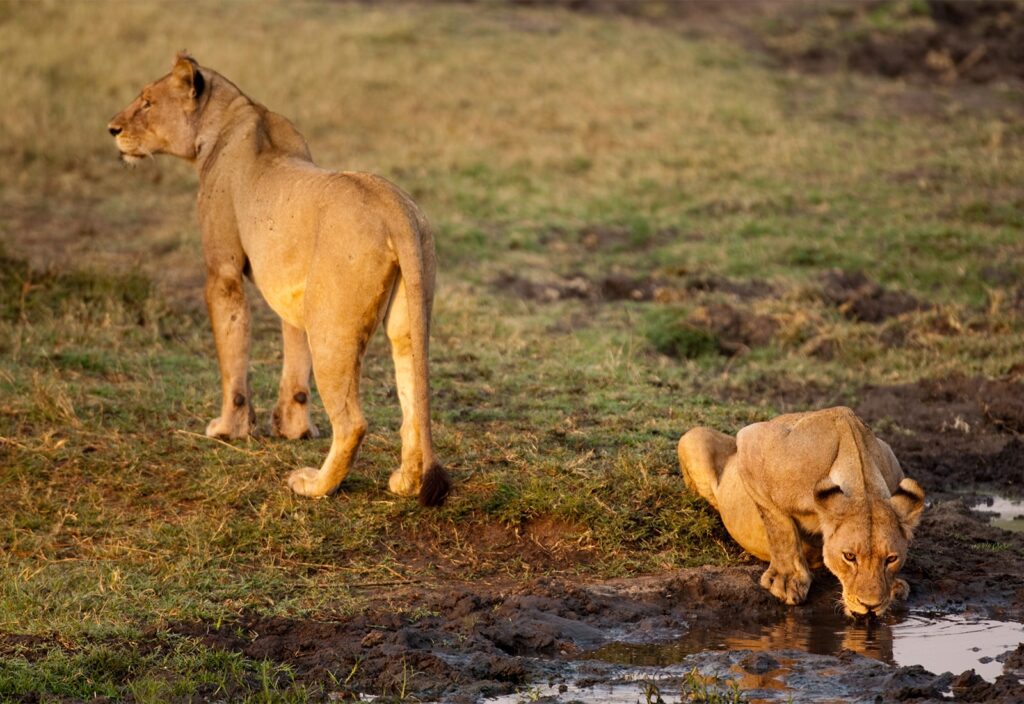
The park is best known for its extraordinary dry-season wildlife concentrations, especially around Lake Katavi, Lake Chada, and the Katuma River. When water becomes scarce, thousands of animals converge in these shrinking wetlands, creating breathtaking safari encounters that feel straight out of documentaries. Massive buffalo herds, sometimes exceeding 1,000 individuals, dominate the plains, followed closely by lions that have perfected the art of hunting in open terrain. Towering elephants, elegant roan and sable antelopes, enormous crocodiles, and famously crowded hippo pools make Katavi a dream destination for travelers seeking a raw and genuine African experience.
Overview of Katavi National Park
Established in 1974, Katavi National Park protects some of the most ecologically valuable landscapes of the Katavi–Rukwa ecosystem. It remains one of the few places in Tanzania where wilderness still feels vast, untouched, and free from the pressures of mass tourism. The park’s low visitation rate—often only a few hundred visitors per year—allows wildlife to roam undisturbed and enables travelers to enjoy exceptionally private safari experiences.
The park forms part of a larger ecological network that includes Lake Rukwa, the Rukwa Valley, and the greater Western Rift. Its wetlands and plains support dense herbivore populations, while its woodlands harbor elusive species rarely seen elsewhere. For safari purists, conservationists, and wildlife photographers, Katavi is considered one of the most rewarding yet underrated parks in Africa.
Location and Size
Katavi National Park lies in western Tanzania, approximately 40 km southwest of Mpanda and several hundred kilometers from the country’s typical northern safari circuit. This remote location contributes to the park’s exclusivity and wilderness feel, creating a safari environment where visitors may explore for days without encountering other vehicles.
At 4,471 km², Katavi encompasses floodplains, seasonal lakes, marshes, acacia savannas, and dense miombo woodlands. The park’s expansive size ensures that wildlife populations remain healthy and ecologically functional, while the open landscapes offer magnificent panoramic views ideal for game viewing and photography.
Geography and Geology
Katavi’s geological foundation is tied to the Western Rift Valley. The region’s tectonic activity shaped its broad plains, shifting river channels, and wetland basins over thousands of years. Today, the park consists of a series of flat alluvial floodplains surrounded by woodland-covered ridges, creating scenic contrasts between wetland and dryland ecosystems.
Major geological elements include:
- Lake Katavi and Lake Chada Floodplains: Seasonal wetlands that attract enormous grazing herds during the dry season.
- Katuma River Channel: A crucial water source sustaining wildlife throughout the year.
- Miombo ridges: Elevated woodland areas dominated by Brachystegia tree species.
- Rich alluvial soils: Supporting nutritious grasses favored by large herbivores.
The shifting water levels, nutrient-rich soils, and varied terrain make Katavi one of the most productive ecosystems in Tanzania.
Climate
Katavi experiences a distinctly seasonal climate that profoundly influences wildlife behavior. The wet season (November–April) transforms the park into a lush paradise of flowing rivers, green grasslands, and flowering woodlands. Migratory birds arrive in great numbers, herbivores disperse across the plains, and predators follow in pursuit.
The dry season (May–October) is the highlight of the Katavi safari experience. As water sources diminish, wildlife crowds into shrinking pools and along remaining river channels. Temperatures rise, dust fills the air, and dramatic interactions unfold as animals compete for space and resources. The iconic hippo pools—sometimes filled with hundreds of individuals—become the focal point of powerful wildlife spectacles unique to Katavi.
Hydrology and Rivers
Hydrology plays a central role in Katavi’s ecology. The Katuma River is the park’s lifeline, feeding both Lake Katavi and Lake Chada. During the rainy season, these lakes expand into vast wetlands, supporting abundant fish, aquatic birds, amphibians, and herbivores. In the dry season, they shrink dramatically, creating nutrient-rich mudflats and shallow channels that attract predators and scavengers in astonishing numbers.
- Katuma River: Main perennial water source for hippos, crocodiles, elephants, buffalo, and predators.
- Lake Chada Floodplain: A critical grazing and hunting zone.
- Lake Katavi Floodplain: One of the best places to observe large herbivore concentrations.
- Seasonal streams and marshes: Essential breeding grounds for amphibians and aquatic invertebrates.
The park’s hydrology supports a delicate but powerful balance of life, making Katavi a stronghold of wetland biodiversity in Tanzania.
Ecosystems and Habitats
Katavi’s vast wilderness is made up of several interconnected ecosystems that support a wide diversity of species. The shifting seasons transform the park’s appearance, creating contrasts between vibrant green periods and dusty, wildlife-packed plains.
- Floodplains: Home to large herds of buffalo, zebra, and topi.
- Miombo woodlands: Habitat for sable antelope, elephants, and predators.
- Riverine forests: Sheltering primates and forest birds.
- Swamps and marshlands: Critical for crocodiles, hippos, and migratory birds.
- Grassland savannas: Open habitats ideal for predator–prey interactions.
This habitat diversity makes Katavi one of the richest wildlife landscapes in Tanzania.
Vegetation
Vegetation in Katavi changes dramatically between seasons, supporting different wildlife needs. The wet season brings lush new growth, tall grasses, and flowering plants that attract grazers and pollinators. During the dry season, grasses thin, revealing bare plains that become hunting grounds for lions and hyenas.
- Miombo trees: Dominated by Brachystegia and Julbernardia species.
- Acacia woodlands: Common along drier ridges.
- Floodplain grasses: Such as Cynodon and star grass, highly nutritious for herbivores.
- Riparian vegetation: Figs, sycamores, palms, and tamarind trees.
- Wetland vegetation: Papyrus, water lilies, reeds, and bullrushes.
This plant diversity enhances ecological resilience and supports Katavi’s complex food webs.
Wildlife of Katavi National Park
Mammals
Katavi is home to some of the largest mammal concentrations in Tanzania. The park’s wildlife behavior is raw, dramatic, and unfiltered due to the scarcity of human presence.
- Buffalo: Legendary mega-herds exceeding 1,000 animals.
- Elephants: Large breeding herds and solitary bulls.
- Zebra, topi, hartebeest, and waterbuck: Numerous across floodplains.
- Roan and sable antelope: Rare, majestic species protected in woodland areas.
- Giraffes, impalas, and bushbucks: Common throughout.
Predator densities are equally impressive:
- Lions: Known for buffalo hunting specialization.
- Leopards: Abundant but elusive in woodlands.
- Spotted hyenas: Dominant scavengers and skilled hunters.
- African wild dogs: Occasional but significant sightings.
Hippos and Crocodiles
Katavi is famous for having some of Africa’s densest hippo concentrations. During intense dry months, hundreds of hippos may crowd into shallow pools, creating territorial clashes and dramatic displays. Giant Nile crocodiles—some of the largest in Tanzania—line the riverbanks or dig caves into the mud to cool off.
Birdlife
Birdwatchers regard Katavi as a paradise, with more than 400 recorded species thriving across wetlands, woodlands, and plains.
- Fish eagles, storks, and pelicans dominate wetland areas.
- Kingfishers, bee-eaters, rollers, and hornbills enrich the woodlands.
- Waders and waterbirds flourish in lakes and marshes.
- Raptors such as bateleur eagles and tawny eagles circle the skies.
Reptiles, Amphibians, and Insects
- Nile crocodiles and monitor lizards
- Pythons and harmless colubrids
- Seasonal frogs and toads
- Dragonflies, butterflies, and termites supporting birdlife
Unique Features of Katavi National Park
Katavi’s extreme remoteness and low visitor numbers make it one of the most exclusive safari destinations in Africa. Its enormous buffalo herds, huge hippo concentrations, colossal crocodiles, and unspoiled floodplains set it apart from every other Tanzanian park.
- Authentic “old Africa” wilderness atmosphere.
- Very few visitors—true exclusivity.
- Spectacular floodplain wildlife events.
- Massive hippo and crocodile populations.
Cultural and Indigenous Communities
The regions around Katavi are home to the Pimbwe, Bende, and Rungwa communities—groups whose histories, rituals, and land stewardship traditions are deeply connected to the natural environment. These communities practice small-scale agriculture, pastoralism, beekeeping, and fishing, adapting their livelihoods to seasonal cycles.
Traditional knowledge plays an important role in local conservation practices, especially in fire management, wildlife tracking, and sustainable natural resource use.
Conservation Importance
Katavi National Park is a critical conservation area for western Tanzania. It protects:
- One of Tanzania’s largest buffalo populations.
- Rare antelope species such as roan and sable.
- Vital elephant migration corridors.
- Wetland ecosystems essential for birds and aquatic life.
Its remote nature has helped shield the ecosystem from over-tourism, habitat loss, and excessive human disturbance.
Threats and Challenges
Despite its isolation, Katavi faces several conservation challenges that require consistent monitoring and intervention:
- Poaching for ivory and bushmeat.
- Encroachment near park boundaries.
- Uncontrolled fires affecting woodland regeneration.
- Climate change altering wetland hydrology.
- Human–wildlife conflict with surrounding communities.
Research and Monitoring
Katavi serves as an important research center for large herbivore ecology, predator dynamics, and wetland conservation. Studies focus on:
- Elephant and buffalo movement patterns.
- Lion–buffalo predator–prey relationships.
- Dry season hippo and crocodile aggregation behavior.
- Vegetation changes due to fire and grazing.
- Water retention and floodplain hydrology.
Tourism Activities
Katavi offers some of the wildest and most adventurous safari activities in Tanzania, with minimal tourist traffic and unmatched exclusivity.
- Game drives across the Chada and Katavi floodplains.
- Walking safaris for close encounters with wildlife.
- Hippo and crocodile viewing along the Katuma River.
- Birdwatching in marshes and woodlands.
- Photography safaris to capture dramatic wildlife scenes.
Access and Getting There
Reaching Katavi is part of the adventure. Its remoteness ensures exclusivity and unparalleled wilderness access.
- By Air: Charter flights to Ikuu Airstrip from Arusha, Dar es Salaam, or Mwanza.
- By Road: Lengthy overland journeys through rugged terrain—best for expedition-style travelers.
The absence of mass tourism infrastructure is a major part of the park’s charm.
Permits, Fees, and Park Rules
Park entry fees are administered by TANAPA. Visitors must follow key regulations:
- No off-road driving.
- No night driving without authorization.
- Always maintain safe wildlife viewing distances.
- Walking safaris only with qualified guides.
- No littering or damage to vegetation.
Accommodation
Accommodation in Katavi is deliberately limited to preserve its wilderness atmosphere. Options include:
- Chada Katavi Camp: A luxury tented camp offering immersive safari experiences.
- Katavi Wildlife Camp: Ideally located for floodplain views.
- Public campsites: For self-sufficient adventurers.
These accommodations provide a close-to-nature experience with uninterrupted views of wildlife.
Best Time to Visit
The best time to visit Katavi is during the dry season (June–October), when animals gather around shrinking water sources, creating some of Africa’s most dramatic wildlife scenes. The wet season (November–April) is lush, beautiful, and excellent for birdwatching, but wildlife disperses and road access becomes more challenging.
Why Katavi National Park Is Unique
Katavi National Park is unique because it offers a pure wilderness experience unmatched by other parks in Tanzania. Its vast landscapes, massive wildlife herds, intense predator action, and limited visitor numbers create a safari experience that feels timeless, untouched, and authentically African. For anyone seeking a remote adventure, Katavi is one of the continent’s greatest hidden gems.
Whether you are a photographer, researcher, wildlife lover, or intrepid traveler, Katavi delivers a safari that is powerful, immersive, and unforgettable—an African wilderness exactly as it was meant to be experienced.