
Kéran National Park
Kéran National Park – Togo’s Northern Wilderness of Baobab Savannas, Riverine Forests, Rare Wildlife, and Traditional Cultural Landscapes
Kéran National Park is one of Togo’s most ecologically significant and scenically captivating protected areas—a refuge of sweeping savannas, towering baobab trees, lush gallery forests, and wildlife-rich floodplains stretching across the northern Kara Region. Encompassing approximately 1,630 km² when combined with the neighboring Kéran Hunting Reserves, the park protects one of the last remaining expanses of intact savanna-forest ecosystems in northern Togo. It offers visitors a rare chance to experience authentic West African wilderness, far removed from urban centers and mass tourism. The landscapes of Kéran are defined not only by their natural beauty but also by their cultural depth, as local communities have lived in harmony with this environment for generations.
Situated within a transition zone between Sahelian drylands and the more humid Guinean forest belt, Kéran National Park showcases rich biodiversity and striking vegetation contrasts. Its mosaic of habitats—ranging from open grasslands to dense riverine forests—creates ideal conditions for antelope, primates, reptiles, and an impressive variety of birds. Although Kéran suffered substantial wildlife declines in previous decades due to poaching and socio-political disturbances, ongoing restoration programs, anti-poaching patrols, ecological monitoring, and community engagement initiatives are steadily revitalizing the park. Today, it stands as a symbol of resilience and a cornerstone of Togo’s conservation strategy.
Overview of Kéran National Park
Established in 1971, Kéran National Park was created to safeguard northern Togo’s savanna ecosystems and the wildlife that depends on them. For decades, the park played a major role in supporting populations of elephants, buffalo, antelope, and large carnivores. Although historical events—particularly in the 1980s and 1990s—led to habitat degradation and wildlife declines, the renewed conservation focus has revived optimism. Community involvement now forms the backbone of Kéran’s long-term recovery efforts, with local residents participating in patrols, wildlife surveys, and sustainable livelihood programs designed to reduce pressure on natural resources.
Kéran is also an essential part of Togo’s ecological network, forming a corridor between northern Togo and the transboundary landscapes of Benin and Burkina Faso. Because wildlife in West Africa often migrates across vast distances in search of food, water, and breeding habitats, the park’s ecological connectivity significantly increases regional biodiversity resilience. As climate variability continues to intensify in West Africa, protected areas like Kéran become even more crucial as refuges for species under environmental stress.
Location and Size
Kéran National Park is located in northern Togo within the Kara Region, extending toward the Savanes Region near the borders with Benin and Burkina Faso. Its strategic location makes it a key ecological gateway between coastal West Africa’s tropical systems and the more arid inland zones of the Sahel. Travelers typically access the park through nearby towns such as Kara, Niamtougou, and Pya, all of which offer accommodation, cultural experiences, and transport links.
The park’s total protected area—including its northern and southern hunting reserves—covers approximately 163,000 hectares. This makes Kéran one of Togo’s largest conservation landscapes. The Kéran River forms the park’s life-giving artery, nourishing riverine forests, sustaining wildlife through harsh dry seasons, and shaping the fertile valleys that attract herbivores and predators.
Geography and Geology
Geographically, Kéran sits on ancient Precambrian rock formations that shape its gently rolling terrain. The park features a harmonious blend of open savannas, sandy plains, granite outcrops, and wooded hills. Its geology influences soil fertility, vegetation structure, water retention, and the overall ecological behavior of wildlife. Many of the park’s rocks—some of which appear as isolated inselbergs—provide vantage points for raptors and denning sites for small mammals.
Prominent geographic and geological features include:
- Savanna plains dotted with baobabs: These open landscapes are emblematic of northern Togo and offer superb visibility for wildlife viewing.
- Rocky hills and inselbergs: Ancient formations that create microhabitats for reptiles, insects, and nesting birds.
- Floodplains and alluvial soils: Highly productive grazing zones during the rainy season.
- Sandstone and granite substrates: Influencing vegetation distribution and hydrological patterns.
Climate
The climate of Kéran National Park is quintessentially Sudanian—characterized by alternating wet and dry seasons that profoundly shape ecological life. This seasonal rhythm dictates flowering cycles, grass regeneration, wildlife migrations, and water availability.
- Wet season (May–October): Abundant rain transforms the park into lush green landscapes filled with flowering plants, aquatic life, and migratory birds.
- Dry season (November–April): Hot, dry, and dusty, dominated by Harmattan winds blowing from the Sahara. Waterholes shrink, concentrating wildlife along riverbanks.
The region’s temperature fluctuations—from cool, pleasant mornings to midday heat exceeding 38°C—offer insights into how savanna species adapt through behavioral and physiological mechanisms.
Hydrology and Rivers
The hydrological network of Kéran National Park revolves around the **Kéran River**, which flows seasonally from north to south, rejuvenating the park’s landscapes and providing essential moisture for wildlife survival. During the rainy season, the river swells dramatically, creating temporary lakes, marshes, and floodplains that support aquatic plants, fish, amphibians, and waterbirds.
Significant hydrological features include:
- Kéran River: The lifeline of the park, sustaining wildlife during the dry months and supporting lush vegetation in surrounding zones.
- Seasonal ponds: Critical breeding areas for frogs, insects, fish, and migratory birds.
- Riparian forests: Moist, shaded habitats that host primates, reptiles, and forest bird species.
These water systems materially influence animal distribution and behavior. Elephants, buffalo, antelope, and primates rely heavily on riverine habitats, while predators patrol the floodplains during the dry season when prey densities are highest.
Ecosystems and Habitats
Kéran National Park protects a diverse array of ecosystems shaped by climate, soils, hydrology, and topography. Its habitats form a gradient from open Sahelian shrublands to semi-humid gallery forests, creating conditions that support both savanna and forest species.
- Wooded savannas: Characterized by grasses, acacia trees, and scattered baobabs, ideal for grazing antelope and browsing herbivores.
- Gallery forests: Dense, moisture-rich corridors along rivers that support primates, birds, and shade-loving species.
- Floodplain meadows: Extremely productive feeding zones for herbivores during and after the rainy season.
- Shrublands and thornveld: Prime habitat for smaller mammals, reptiles, and nesting birds.
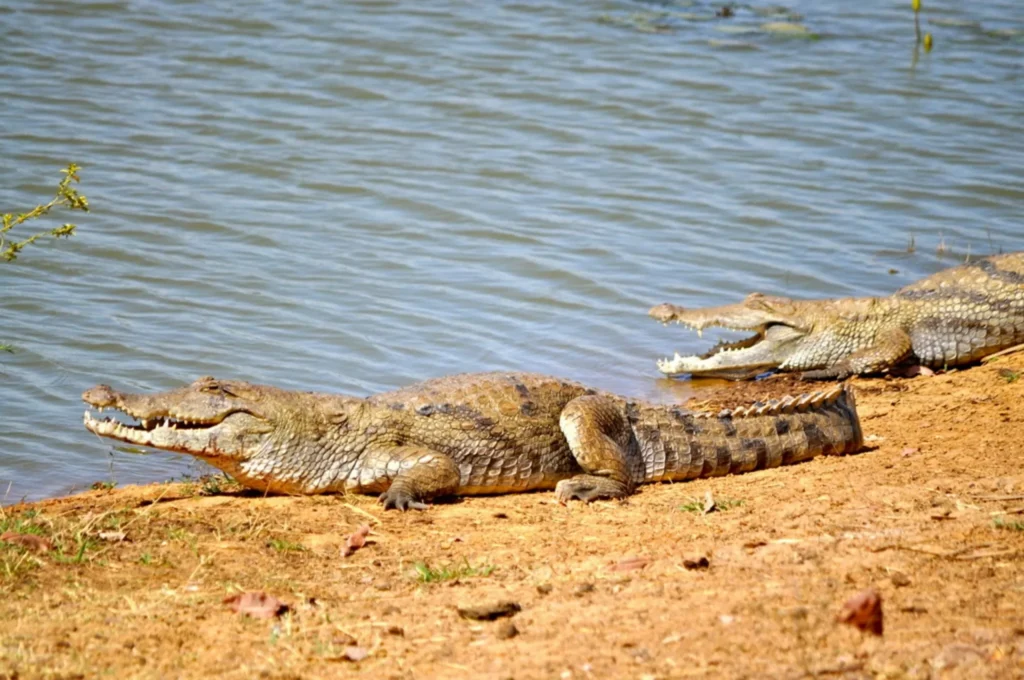
- Wetlands and marshes: Home to crocodiles, hippos, amphibians, and aquatic insects.
Vegetation
Vegetation in Kéran National Park reflects the region’s climatic seasonality, alternating between lush greenery during the wet season and golden savanna during the dry months. The plant life provides food, shelter, and breeding habitat for the park’s wildlife.
- Baobab trees: Symbolic giants that store water, produce fruit for wildlife, and offer nesting hollows for birds.
- Shea trees: Economically vital to local communities and valuable as wildlife forage.
- Acacia species: Providing nectar, shelter, and browse for herbivores.
- Combretum and Terminalia shrubs: Dominant in drier highland zones.
- Elephant grasses and tall savanna grasses: Crucial for grazing antelope herds.
Wildlife of Kéran National Park
Mammals
Kéran National Park’s wildlife diversity reflects a combination of savanna, forest, and wetland species. While population numbers fluctuated historically, recent conservation improvements have encouraged gradual recovery of fauna.
- Elephants: Occasional sightings confirm small but stable populations using cross-border migration routes.
- Antelope species: Including roan antelope, waterbuck, kob, duiker, bushbuck, and hartebeest.
- Buffalo: Once common, now returning slowly in secluded zones.
- Primates: Olive baboons, patas monkeys, and green monkeys populate riverine forests.
- Hippos and crocodiles: Found in deeper river pools.
- Carnivores: Jackals, hyenas, civets, genets, and elusive leopards.
Small mammals such as mongooses, porcupines, African hares, and rodents are essential contributors to the park’s food chain.
Birds
Birdlife in Kéran is exceptional, thanks to its mix of savanna, forest, and wetland habitats. Birdwatchers can expect both resident and migratory species.
- Aquatic birds: Storks, herons, egrets, kingfishers, and cormorants along riverbanks.
- Raptors: Martial eagles, hawks, vultures, and fish eagles.
- Savanna species: Turacos, rollers, hornbills, bee-eaters, and francolins.
- Migratory species: Visiting between November and March.
Reptiles, Amphibians, and Insects
- Nile crocodiles thriving along slow river stretches.
- Snakes including pythons, cobras, and harmless grass snakes.
- Amphibians breeding in seasonal pools.
- Insects: Beetles, dragonflies, butterflies, termites, and ants essential for ecosystem functioning.
Unique Features of Kéran National Park
Kéran is unique because it combines authentic wilderness, significant wildlife habitats, and culturally rich landscapes in one protected area. Its baobab-dotted savannas, hidden forest corridors, and seasonal marshes create one of the most photogenic and biologically important spaces in Togo.
- Low tourism pressure: Providing a rare sense of solitude.
- Cultural landscapes: Traditional villages located near the park boundary.
- Excellent birdwatching: Especially around wetlands and river systems.
- Key wildlife restoration zone: Supporting gradual re-establishment of species.
Cultural and Indigenous Communities
The region around Kéran is home to the Kabye, Tem, Moba, and Gourma ethnic groups, each with their own traditions, ceremonies, and ancestral ties to the land. These communities depend on farming, cattle herding, and artisanal crafts while maintaining spiritual relationships with local forests, mountains, and rivers.
Visitors can explore:
- Traditional dance performances
- Village storytelling and folklore
- Craft-making workshops including pottery, weaving, and leatherwork
- Sacred natural sites with cultural significance
Conservation Importance
Kéran plays a crucial role in the conservation of West African savanna biodiversity. It forms an ecological bridge linking Togo’s protected areas with the transboundary W–Arly–Pendjari (WAP) complex in Benin and Burkina Faso—one of the most important conservation landscapes in West Africa.
The park contributes to:
- Protection of endangered habitats and species
- Soil and watershed stabilization
- Carbon sequestration and climate resilience
- Local livelihood support through ecotourism
- Genetic connectivity for wide-ranging wildlife
Threats and Challenges
Kéran National Park faces challenges typical of West African conservation areas, including:
- Poaching: Historically severe but now decreasing with enforcement improvements.
- Human–wildlife conflict: Especially on agricultural lands near the boundary.
- Illegal grazing: Affecting vegetation regeneration.
- Uncontrolled fires: Often set by farmers during land-clearing.
- Climate variability: Leading to fluctuations in water availability.
Research and Monitoring
Kéran National Park’s scientific value is growing, with research focusing on:
- Wildlife population recovery studies
- Anthropogenic pressures on savanna ecosystems
- Vegetation mapping and regeneration rates
- Bird surveys and migratory patterns
- Community-based conservation initiatives
Monitoring programs help inform management strategies and support long-term ecological health.
Tourism Activities
Tourism in Kéran National Park is designed for travelers seeking authentic nature experiences without crowds. Activities include:
- Guided game drives through savannas, forests, and river corridors
- Walking safaris with knowledgeable local trackers
- Birdwatching in wetlands and gallery forests
- Cultural encounters in nearby villages
- Landscape photography of baobab trees, sunsets, and wildlife scenes
Access and Getting There
Kéran National Park is accessible from Kara, Niamtougou, and Pya via partly paved and laterite roads. While entry is possible with standard vehicles during the dry season, a 4×4 is recommended—especially from May to October when rains can flood low-lying areas.
Permits, Fees, and Park Rules
Visitors should obtain the necessary entry permits and follow park rules:
- Respect wildlife and maintain safe viewing distances
- No off-road driving
- No feeding animals
- Respect cultural sites and community boundaries
- Use only designated campsites and trails
Accommodation
Accommodation options include rustic eco-lodges, basic campsites, and community guesthouses, offering visitors a comfortable base from which to explore the park.
- Eco-lodges: Offering simple rooms near the park’s southern entrance
- Community camps: Providing authentic local hospitality
- Guesthouses: Available in surrounding towns like Kara and Pya
Best Time to Visit
The dry season (November–April) is the most favorable time to visit, with easier road access, better wildlife visibility, and comfortable temperatures for exploration. The wet season offers lush landscapes and excellent birdwatching, especially after heavy rains when migratory species are present.
Why Kéran National Park Is Unique
Kéran National Park is unique because it blends rich biodiversity, striking savanna landscapes, riverine ecosystems, and traditional cultural heritage into one unforgettable destination. As one of Togo’s largest protected areas, it provides essential ecological services, supports wildlife restoration, and offers immersive nature and cultural experiences far removed from urban life.
For travelers seeking tranquility, authentic wilderness, cultural depth, and a chance to witness a recovering conservation landscape, Kéran National Park represents one of the most inspiring and rewarding destinations in West Africa.