
Khaudum National Park
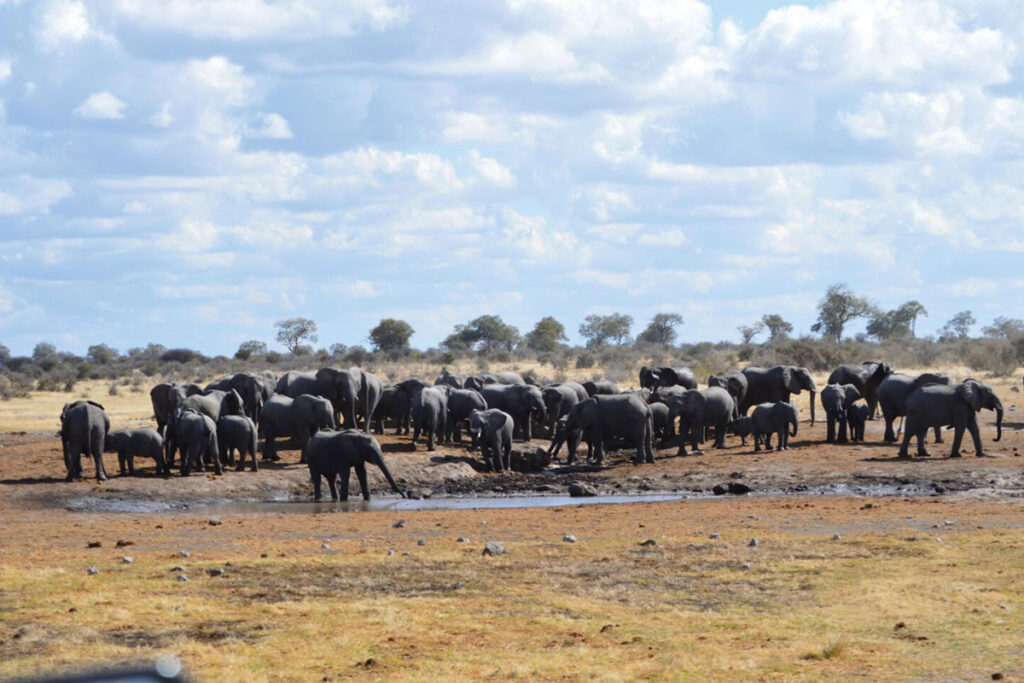
Khaudum National Park – Namibia’s Last True Wilderness of Roaming Elephants, Endless Kalahari Sandveld, Predator-Rich Forests, and Untouched African Safari Adventure
Khaudum National Park is arguably the wildest and most remote protected area in Namibia — a sprawling stronghold of raw Kalahari forest, ancient omurambas, sweeping sand plains, and rich wildlife populations that still move freely across unfenced landscapes. Spanning more than 3,840 km² in northeastern Namibia’s Kavango East Region, Khaudum is a destination designed not for mass tourism but for hardcore nature enthusiasts, conservation researchers, and adventurous travelers who want to encounter Namibia at its most authentic and untamed. The park’s isolation, deep sand tracks, minimal infrastructure, and vast wilderness give visitors a rare opportunity to experience a safari that mirrors the Africa of centuries past.
Unlike other Namibian parks where tourism infrastructure is well-developed, Khaudum prioritizes ecological integrity above comfort. There are no tarred roads, no crowded viewpoints, and no luxury lodges dominating the landscape. Instead, visitors find towering camelthorn trees casting shade across ancient dunes, mopane forests echoing with elephant rumblings, waterholes attracting predators at dusk, and endless horizons where the only sounds are wind, birds, and wildlife. This sense of remoteness — combined with healthy populations of elephants, lions, African wild dogs, giraffes, roan antelope, and over 320 bird species — makes Khaudum one of the most spectacular wilderness experiences anywhere in southern Africa.
Overview of Khaudum National Park
Established in 1989, Khaudum National Park was created to protect Namibia’s remote Kalahari sandveld ecosystems and to provide a safe haven for migrating elephants and predators moving across the Namibia–Botswana–Angola wildlife corridor. The park forms a vital section of the Kavango–Zambezi Transfrontier Conservation Area (KAZA TFCA), the world’s largest transboundary wildlife conservation initiative. This connectivity ensures that wildlife populations — especially elephants and African wild dogs — can roam freely across international borders, following seasonal rainfall, food availability, and ancient instinctive migration routes.
Because of its ecological importance and minimal human impact, Khaudum is considered one of Namibia’s most crucial strongholds for conservation research. Biologists, ecologists, and wildlife specialists frequently study predator-prey dynamics, elephant migration patterns, woodland regeneration, fire ecology, and ecosystems resilience within the park. Khaudum is not only a biodiversity refuge but a living laboratory that provides valuable insights into how large mammals and dryland forests survive in semi-arid environments.
Location and Size
Khaudum National Park is situated in the far northeastern corner of Namibia, bordering Botswana along its eastern edge. Its strategic position within the Kalahari Basin makes it a core habitat for wide-ranging elephant herds, predators, and highly nomadic wildlife species. The nearest towns are Tsumkwe to the south and Mukwe or Rundu to the north and west, but these communities are far from the park’s interior — reinforcing the sense of isolation that defines Khaudum.
Covering more than 3,840 km² of continuous wilderness, Khaudum is similar in size to entire countries and significantly larger than many of Africa’s well-known parks. When combined with adjacent conservation areas and the greater KAZA ecosystem, it becomes part of one of the largest wildlife landscapes on Earth, ensuring natural gene flow, predator dispersal, and seasonal migrations.
Geography and Geology
The geography of Khaudum National Park is deeply shaped by its Kalahari origins. This region was once a vast inland lake system that gradually transformed into a desert dominated by fossil riverbeds, ancient dunes, and deep sandy soils. Over thousands of years, wind, erosion, and climate variability shaped the unique landscapes that now define the park.
- Sandveld forests: These dense woodlands of camelthorn, silver cluster-leaf, Burkea africana, and Zambezi teak provide essential food and shelter for wildlife.
- Omurambas: These dry riverbeds, like Omuramba Khaudum and Omuramba Nhoma, act as seasonal floodplains and grazing corridors during the rainy season.
- Kalahari dunes: Low, rolling dunes that create scenic open plains ideal for spotting predators and antelope.
- Wooded savanna: Rich in grasses and shrubs that support herbivores and smaller predators.
This combination of geological features creates an ecosystem that is both harsh and abundant — surviving on seasonal rains but supporting thousands of large mammals and hundreds of bird species.
Climate
Khaudum National Park experiences a typical semi-arid Kalahari climate with dramatic seasonal contrasts that determine wildlife movement and vegetation cycles. Temperatures can soar above 35°C in summer and drop to near freezing during winter nights, creating a dynamic and challenging environment for both wildlife and travelers.
- Summer (November–March): Expect intense heat, dramatic afternoon thunderstorms, flowering trees, abundant grazing, and large concentrations of elephant, giraffe, and antelope.
- Winter (May–August): Days are mild but nights can be cold. Water becomes scarce, attracting wildlife to strategic waterholes.
- Rainfall: Typically 450–600 mm annually, driving the park’s ecological productivity.
This climate produces seasonal wetlands in the omurambas, influences predator hunting patterns, and triggers the mass arrival of migratory birds from Europe and other parts of Africa.
Hydrology and Water Systems
Although Khaudum is part of the Kalahari, its hydrology plays a crucial role in sustaining wildlife. The park’s water system is dominated by ephemeral rivers, pans, and man-made waterholes that supplement natural water sources during Namibia’s long dry season.
- Omuramba Khaudum: The largest fossil riverbed and one of the park’s most important wildlife corridors.
- Seasonal pans: Temporary wetlands filled by summer rains, supporting migrant birds and breeding amphibians.
- Artificial waterholes: Maintained by MEFT to ensure survival of elephants, predators, and antelope during drought periods.
These water systems determine where wildlife concentrates, making Khaudum’s waterholes some of the best places in Namibia for observing elephants, lions, hyenas, and African wild dogs.
Ecosystems and Habitats
Khaudum National Park contains some of Namibia’s richest dryland ecosystems. Its habitats shift from dense woodland to shrub-covered plains, creating a mosaic of environments that support a surprising diversity of species despite the semi-arid conditions.
- Mopane woodlands: Vital for elephants and browsers.
- Kalahari sandveld forests: Shelter for giraffes, antelope, and birdlife.
- Acacia shrublands: Prime hunting ground for lions, cheetahs, and hyenas.
- Riparian forests: Rich vegetation along fossil riverbeds.
- Grass and shrub savannas: Supporting herds of hartebeest, wildebeest, and kudu.
The diversity of habitats enables predators, herbivores, and smaller species to find food year-round, attracting wildlife researchers interested in dryland adaptation and species resilience.
Vegetation
The vegetation in Khaudum National Park is dominated by drought-resistant trees, shrubs, and grasses perfectly adapted to Kalahari sand. Their deep roots, thick bark, and long taproots help them survive extreme heat and limited rainfall.
- Camelthorn (Vachellia erioloba): Producing pods essential for herbivores and nesting sites for raptors.
- Silver cluster-leaf (Terminalia sericea): A hallmark of Kalahari sandveld vegetation.
- Burkea africana: Dominant in woodland areas.
- Mopane trees: Critical for elephants during dry seasons.
- Savanna grasses: Supporting grazers like zebra, wildebeest, and hartebeest.
Seasonal flowering plants add bursts of color during the rainy season, attracting pollinators such as bees, butterflies, and beetles.
Wildlife of Khaudum National Park
Mammals
Khaudum is home to some of Namibia’s highest densities of elephants and one of the country’s most important carnivore populations. The park’s unfenced borders and minimal tourism pressure allow wildlife to behave naturally, offering some of the most authentic sightings in southern Africa.
- African elephants: Large herds use the park as a migratory corridor between Botswana and Angola.
- Lions: Including desert-adapted individuals with large territories.
- African wild dogs: Khaudum is one of Namibia’s last refuges for this endangered species.
- Leopards and cheetahs: Often spotted near sandy clearings and waterholes.
- Giraffes: Common among Kalahari woodlands.
- Roan antelope, kudu, eland, and hartebeest: Thriving in savanna zones.
Smaller mammals such as jackals, aardwolves, honey badgers, African wildcats, porcupines, and mongooses add to the richness of the park’s mammalian community.
Birds
Birdwatchers consider Khaudum a must-visit destination thanks to its mix of resident, nomadic, and migratory species. With more than 320 recorded species, the park is especially rewarding in the green season when waterbirds, raptors, and woodland species are abundant.
- Vultures: White-backed, hooded, and lappet-faced vultures thrive here due to abundant prey.
- Eagles: Martial eagle, tawny eagle, and Bateleur eagle.
- Ground birds: Kori bustards, ostriches, and francolins.
- Wetland birds: Pelicans, herons, storks, and waders after rains.
- Colorful species: Lilac-breasted rollers, kingfishers, hornbills, and bee-eaters.
The park’s waterholes, open pans, and sandveld forests provide perfect observation points for bird photography and research.
Reptiles, Amphibians, and Insects
As a warm Kalahari ecosystem, Khaudum supports a wide range of reptiles and invertebrates, many of which play essential roles in the food chain and ecological balance.
- Snakes: Including African rock pythons, cobras, puff adders, and sand snakes.
- Lizards and geckos: Abundant across the sandveld.
- Monitor lizards: Common near waterholes.
- Amphibians: Active during rainy season breeding cycles.
- Insects: Termites, beetles, butterflies, dragonflies, and ants drive ecosystem processes such as soil aeration and pollination.
Unique Features of Khaudum National Park
Khaudum is unlike any other park in Namibia — or southern Africa — due to its complete dedication to wilderness preservation. Key features include:
- Unfenced borders: Allowing natural migration between Botswana, Angola, and Namibia.
- Minimal tourism pressure: Creating a genuine sense of solitude and immersion in nature.
- Kalahari sandveld forests: Among the finest preserved dryland forests in the region.
- Excellent predator populations: Particularly lions, cheetahs, and African wild dogs.
- Deep wilderness camping: With star-filled skies and wildlife calling through the night.
This is a place where safari feels like a true expedition — unpredictable, wild, and deeply rewarding.
Cultural and Indigenous Communities
The San (Bushmen) communities living near the park possess one of the world’s oldest and most detailed knowledge systems related to dryland survival. Their skills in tracking, herbal medicine, storytelling, and hunting reflect an intimate relationship with the Kalahari environment that dates back thousands of years.
Eco-cultural tourism initiatives allow visitors to learn about traditional bow-and-arrow techniques, fire-making, foraging, dances, and medicinal plants. These programs support local livelihoods and contribute to the preservation of Indigenous cultural heritage.
Conservation Importance
Khaudum National Park plays an essential role in both national and transboundary conservation strategies:
- It protects one of Namibia’s most important elephant migration routes.
- It supports critical predator populations, especially African wild dogs.
- It preserves vast Kalahari sandveld forests and woodland ecosystems.
- It contributes to KAZA’s ecological connectivity across southern Africa.
- It acts as a biodiversity reservoir for species vulnerable to habitat loss elsewhere.
The park’s low visitor numbers and strict wilderness policies make it one of the last true wild refuges for Africa’s large mammals.
Threats and Challenges
Despite its remoteness, Khaudum faces several conservation challenges:
- Poaching: Primarily affecting elephants and antelope.
- Human–wildlife conflict: Occurs along the park’s boundaries.
- Bushfires: Natural and human-induced, altering vegetation structures.
- Climate change: Intensifying drought cycles and affecting water availability.
- Habitat degradation outside the park: Due to livestock expansion and settlement growth.
Conservation measures include ranger patrols, cross-border collaboration, waterhole management, community outreach, and research partnerships with universities.
Research and Monitoring
Khaudum is a valuable site for studying semi-arid ecosystems. Research topics include:
- Elephant spatial ecology and genetics.
- Wild dog pack behavior and dispersion.
- Predator dynamics throughout the KAZA ecosystem.
- Forest health and fire ecology.
- Bird migration patterns and breeding success.
Tourism Activities
Khaudum is a paradise for adventurous travelers who want immersive, unpredictable, and authentic wilderness experiences. Popular activities include:
- 4×4 game drives: Across deep sand tracks, omurambas, and remote pans.
- Wildlife viewing: Elephants, lions, wild dogs, and large antelope herds.
- Birdwatching: Especially rewarding near waterholes and in woodlands.
- Photography: Dramatic landscapes and wildlife scenes with no crowds.
- Cultural interactions: Visit nearby San communities to learn about traditional skills and lifestyles.
Access and Getting There
Reaching Khaudum requires preparation, a well-equipped vehicle, and confidence in off-road driving. There are two entrances:
- Sikereti Gate (South): Accessible from Tsumkwe, ideal for deep sandveld exploration.
- Khaudum Gate (North): Accessible from Rundu and Mukwe, close to key waterholes.
A 4×4 vehicle is mandatory, and visitors must bring their own water, fuel, food, recovery gear, and camping supplies due to the park’s harsh remoteness.
Permits, Fees, and Park Rules
Visitors must obtain park entry permits and follow conservation rules designed to protect wildlife:
- No driving off designated tracks.
- No camping outside official campsites.
- No feeding wildlife.
- No fires except in designated areas.
- Total self-sufficiency required — no shops or fuel inside the park.
Accommodation
Khaudum offers rustic, unfenced wilderness campsites:
- Khaudum Camp (North): Near major waterholes and wildlife-rich areas.
- Sikereti Camp (South): Ideal for exploring remote Kalahari forests.
These campsites offer fire pits, basic ablution facilities, and unforgettable nights beneath the Milky Way with elephants, lions, and hyenas often heard nearby.
Best Time to Visit
Khaudum can be visited year-round, but conditions vary dramatically:
- Dry season (May–October): Animals gather around waterholes, making this the best time for wildlife viewing.
- Green season (November–April): Vibrant landscapes, excellent birdwatching, and dramatic thunderstorms.
Why Khaudum National Park Is Unique
Khaudum is truly unique because it remains untouched, unfenced, and unspoiled — a rare opportunity to experience Africa exactly as it exists in vast wilderness regions few people ever explore. Its wild nature, low visitor numbers, roaming megafauna, and deep cultural heritage make it one of Namibia’s most extraordinary destinations for travelers who crave real adventure.
For those who long for solitude, epic Kalahari landscapes, authentic wildlife encounters, and a safari experience that prioritizes nature over tourism, Khaudum National Park stands as one of the last great wilderness treasures in Africa.