
Kidepo Valley National Park
Kidepo Valley National Park – Uganda’s Wild Frontier of Big Cats, Untouched Savannah Wilderness, and Authentic Karamojong & Ik Cultural Landscapes
Kidepo Valley National Park is one of Africa’s most extraordinary wilderness destinations—remote, rugged, wild, and astonishingly beautiful. Tucked away in the extreme northeastern corner of Uganda, far from the country’s traditional safari circuit, this spectacular park offers a rare chance to experience an untouched savannah ecosystem where dramatic mountains, sweeping golden plains, rocky outcrops, and seasonal river valleys create one of East Africa’s most breathtaking landscapes.
Renowned for its exceptional populations of lions, cheetahs, leopards, elephants, buffalo herds, ostriches, giraffes, zebras, and rare dryland species not found anywhere else in Uganda, Kidepo Valley National Park is widely considered the country’s finest wildlife destination. Its isolation has preserved a raw, authentic wilderness that feels exactly like Africa must have been centuries ago—untamed, quiet, and filled with wildlife at every turn. Combined with its rich cultural encounters with the Karamojong warriors and the remote Ik people of Mount Morungole, Kidepo offers a safari experience unlike anywhere else on the continent.
Overview of Kidepo Valley National Park
Established in 1962 and spanning 1,442 km², Kidepo Valley National Park is one of Uganda’s most ecologically important protected areas. It forms part of the vast semi-arid savannah belt that extends into South Sudan’s Kidepo Game Reserve and Kenya’s Turkana region—an ancient landscape where wildlife migrations once occurred freely across borders. Today, Kidepo remains the last stronghold of many dry-country species within Uganda, making it a critical conservation area for biodiversity unique to the Horn of Africa.
Visiting Kidepo feels like stepping into another world. The park’s dramatic topography—characterized by rugged mountains, massive plains, desert palms, volcanic ridges, and wide river valleys—creates a sense of limitless space and natural grandeur. Its remoteness has allowed wildlife populations to remain healthy and undisturbed, producing a predator-rich ecosystem with large herds and remarkable wildlife interactions rarely seen in other parks.
- Uganda’s best park for lions, cheetahs, and massive buffalo herds
- One of the last protected areas in East Africa with true wilderness solitude
- Home to rare dryland species such as ostriches, caracals, and greater kudu
- A critical conservation refuge for northern savannah ecosystems
- An authentic cultural landscape shared with the Karamojong and Ik tribes
Location and Size
Kidepo Valley National Park lies in the Karamoja sub-region, Uganda’s most sparsely populated and culturally distinctive area. Situated at the borders with South Sudan and Kenya, the park forms a transboundary ecosystem that links East Africa’s semi-arid shrublands with Uganda’s greener savannahs. This positioning gives Kidepo a unique ecological identity, blending wildlife typical of northern Kenya with Ugandan species, making it one of the most diverse parks in East Africa.
Covering 1,442 km², the park is dominated by two major valleys—the Narus Valley and the Kidepo Valley—surrounded by the Morungole, Lotukei, and Napore mountain ranges. These mountains not only create dramatic scenery but also influence rainfall patterns, water flow, vegetation growth, and wildlife distribution across the region.
Geography and Landscapes
Kidepo’s landscapes are among the most varied and photogenic in the entire African savannah biome. The Narus Valley, located in the southwest, is the park’s wildlife hub thanks to its permanent water sources that support dense populations of herbivores and predators year-round. The valley is a vast, picturesque plain dotted with acacia trees, palm-studded waterholes, and sweeping views that stretch across the horizon.
In contrast, the Kidepo Valley to the north is much more arid, dominated by desert palms, dry grasslands, and wide sand riverbeds that shimmer under intense sunlight. This valley feels more like a desert ecosystem, home to dry-country species such as ostriches, caracals, aardwolves, and jackals. Towering over the park is Mount Morungole (2,750 meters), whose cool highland forests provide habitat for rare species and serve as the ancestral homeland of the Ik people.
Climate
Kidepo Valley National Park experiences a hot, semi-arid climate that differs significantly from Uganda’s wetter western region. The park receives less rainfall, causing dramatic seasonal changes that influence animal behavior and vegetation patterns. Daytime temperatures often range between 25°C and 32°C but can exceed 40°C in the peak of the dry season.
Kidepo’s climate is characterized by:
- Long Dry Season (September–March): Ideal for wildlife viewing as animals concentrate around the Narus Valley water sources. Visibility is excellent, and the plains open up for photography.
- Wet Season (April–August): The park transforms into a lush green landscape filled with new vegetation, migratory birds, newborn animals, and short-lived rivers. The dramatic contrast makes it an excellent season for photographers and nature lovers.
The extreme seasonal contrasts create one of the most dynamic wildlife environments in East Africa.
Hydrology and River Systems
Two seasonal rivers define Kidepo’s hydrology: the Narus River and the Kidepo River. The Narus River retains water for most of the year, forming natural pools and wetlands that attract large herbivores and predators even during the dry season. As a result, the Narus Valley boasts the highest wildlife density in the park.
The Kidepo River, on the other hand, is a sandy riverbed for much of the year, bordered by doum palms and desert vegetation. During rare heavy rains, it fills with water and temporarily becomes a lifeline for dryland species. The palms along its banks provide shade and food for baboons, elephants, and birds, adding to the valley’s unique desert-like appearance.
Ecosystems and Habitats
Kidepo Valley National Park is a mosaic of habitats, each supporting distinct wildlife communities found nowhere else in Uganda. This ecological diversity makes it one of the most scientifically interesting savannah parks in East Africa.
- Semi-Arid Plains: Golden grasslands and thorn bushes ideal for cheetahs, jackals, and antelope species.
- Acacia Woodlands: Rich in giraffes, elephants, and browsing antelope.
- Montane Forests on Morungole: Cool, moist habitat home to rare birds and the Ik community.
- Riverine Forests: Thick vegetation along the Narus Valley offering shade and food for wildlife.
- Desert-Edge Ecosystems: Dry scrublands and dunes typical of northern Kenya and South Sudan.
This diversity supports predators, herbivores, primates, birds, reptiles, and insects in concentrations that rival some of Africa’s top safari destinations.
Vegetation
The vegetation in Kidepo is dominated by open savannah grasslands interspersed with acacia trees, desert palms, and hardy shrubs adapted to semi-arid environments. The Themeda and Brachiaria grasses provide excellent grazing for buffalo herds, zebras, hartebeest, and other ungulates. Borassus palms, iconic to the region, grow along the sandy riverbeds of the Kidepo Valley, adding distinctive silhouettes to the dry plains.
The montane forests on Mount Morungole contain unique plant species, including medicinal herbs used by the Ik people. In wetter areas, riverine forests support fruit-bearing trees that attract primates, elephants, and birds.
Wildlife of Kidepo Valley National Park
Kidepo boasts some of the most diverse and exciting wildlife in Uganda. With over 77 mammal species and 475 bird species, it rivals the most iconic parks in East Africa, offering safari experiences described by experts as “Kenya and Tanzania 50 years ago.”
Big Cats and Predators
Kidepo Valley National Park is a predator stronghold with some of Uganda’s highest densities of lions, leopards, and hyenas. It is also the only park in Uganda where cheetahs occur, making it a top destination for big cat enthusiasts.
- Lions: Often seen in the Narus Valley, resting on rocks or hunting grazers.
- Cheetahs: Found mainly in the drier plains of the Kidepo Valley.
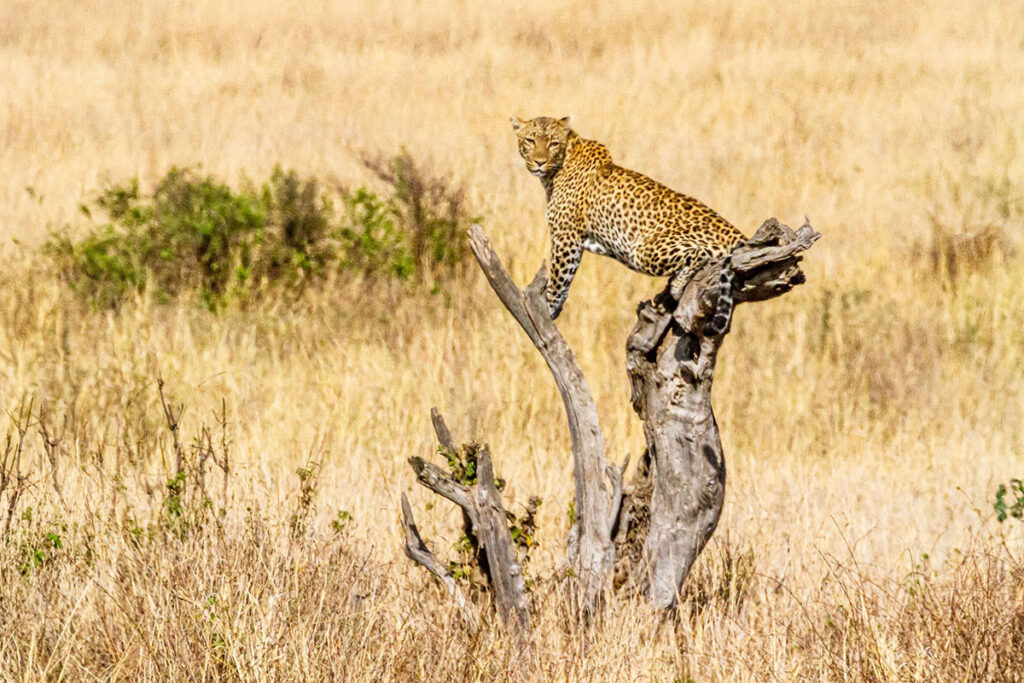
- Leopards: Elusive but frequently recorded around rocky outcrops.
- Hyenas: Active throughout the park, especially at dusk.
- Jackals and foxes: Common in dry scrublands.
Large Mammals and Herbivores
Kidepo is home to massive herds of buffalo—some of the largest in Africa—alongside elephants, giraffes, zebras, and numerous antelope species.
- Rothschild Giraffes
- Burchell’s Zebras
- Jackson’s Hartebeest
- Waterbuck, Bushbuck, and Reedbuck
- Eland, Oribi, and Dik-dik
- Uganda Kob
- Large Elephant Herds
Dry-Country Specialists
These species are found ONLY in Kidepo within Uganda, strengthening its reputation as a unique safari destination:
- Ostriches
- Caracals
- Aardwolves
- Lesser and Greater Kudu
- Bat-eared Foxes
Birdlife
Kidepo is one of Uganda’s best birding destinations, offering species typical of the Horn of Africa not found elsewhere in the country.
- Kori Bustard
- Secretary Bird
- Ostrich (Uganda’s only habitat)
- Vultures and Eagles
- Turacos & Hornbills
- Karamoja Apalis (endemic)
Reptiles, Amphibians, and Insects
The park hosts pythons, monitor lizards, chameleons, skinks, and numerous frog species during the rainy season. Insects—especially butterflies, scarab beetles, and locust swarms—play a major ecological role across the savannah.
Unique Features of Kidepo Valley National Park
- Uganda’s only park with cheetahs & ostriches
- The most remote and wildest national park in the country
- Unspoiled views with no crowds or congestion
- Massive buffalo herds among the largest in Africa
- A rare opportunity to visit the Ik tribe of Mount Morungole
Cultural and Indigenous Communities
Kidepo’s surrounding communities are among the most culturally unique in East Africa. The Karamojong people are known for their warrior traditions, cattle culture, and intricate beadwork. Cultural visits offer insights into their pastoral lifestyle, dances, homesteads, and ceremonial customs.
The Ik people, one of Africa’s smallest ethnic groups, live high in the mountains of Morungole. Their remote, terraced villages are accessible only via guided hikes, offering a deeply authentic cultural encounter rarely experienced by tourists.
Conservation Importance
Kidepo Valley National Park is critical for conserving Uganda’s dryland ecosystems and unique wildlife. It preserves the country’s only populations of ostriches, caracals, and kudu, and maintains genetic diversity for northern savannah species. The park also acts as a buffer zone along the international borders, helping prevent habitat fragmentation and poaching incursions.
Threats and Challenges
- Poaching and bushmeat hunting in surrounding areas
- Climatic droughts affecting water availability
- Human–wildlife conflict near park boundaries
- Encroachment and overgrazing in buffer zones
- Limited funding for ranger operations
Research and Monitoring
Long-term studies focus on predator ecology, giraffe conservation, climate impacts on dryland vegetation, and herbivore population dynamics. Research partnerships also involve community rangeland mapping, carnivore monitoring, and cross-border wildlife tracking.
Tourism Activities
- Game drives in Narus & Kidepo Valleys
- Cultural visits to Karamojong and Ik communities
- Guided nature and birding walks
- Hiking Mount Morungole
- Photography safaris
- Scenic viewing from Apoka ridge
Access and Getting There
Visitors can reach Kidepo by road through the scenic Karamoja corridor (9–12 hours depending on the route) or by scheduled/charter flights from Entebbe and Kampala to Apoka Airstrip. Flying is the fastest and most comfortable option, while driving offers breathtaking landscapes and cultural encounters.
Permits, Fees, and Park Rules
All travelers must pay Uganda Wildlife Authority (UWA) entry fees. Guided walks, hikes, and cultural visits require ranger escorts. Drivers must stay on designated tracks, maintain safe wildlife distances, and follow Leave No Trace principles.
Accommodation
- Luxury safari lodges overlooking the Narus Valley
- Mid-range lodges in Apoka
- Budget bandas managed by UWA
- Wilderness campsites for adventurous travelers
Best Time to Visit Kidepo Valley National Park
- September–March (Dry Season): Best for wildlife viewing, clear skies, and predator sightings.
- April–August (Wet Season): Stunning green landscapes, excellent birding, fewer tourists.
Why Kidepo Valley National Park Is Unique
Kidepo Valley National Park is a rare, captivating wilderness that blends breathtaking landscapes, unmatched predator densities, massive animal herds, rare dryland species, and deeply meaningful cultural experiences. Its remote beauty, powerful sense of space, dramatic savannah vistas, and authentic tribal heritage make it one of Africa’s last genuine frontier safari destinations. For travelers seeking a raw, uncrowded, and unforgettable wildlife experience, Kidepo stands among the greatest national parks on the continent.