
Makgadikgadi Pans National Park
Makgadikgadi Pans National Park, Botswana – Salt Pans, Desert Wildlife, Zebra Migration, Flamingos and Complete Travel Guide
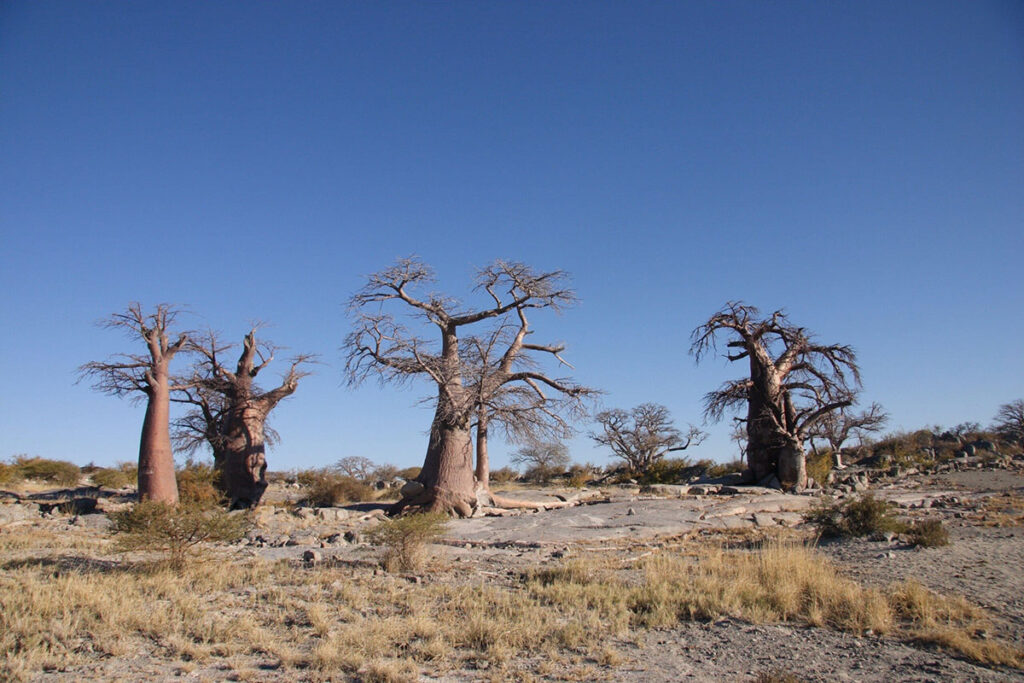
Makgadikgadi Pans National Park is one of Africa’s most surreal wilderness destinations, defined by its enormous salt pans, shimmering white horizons, seasonal wetlands and desert-adapted wildlife. Located in northeastern Botswana and stretching across approximately 3,900 km², the park protects the southwestern corner of the massive Makgadikgadi Basin—one of the largest salt pan complexes on Earth. The landscape is visually striking and emotionally stirring: ancient baobabs stand like silent guardians on the horizon, vast salt flats reflect the sky like a mirror after rain, and desert winds whisper across plains where early humans once walked thousands of years ago.
Declared a national park in 1992 and managed by Botswana’s Department of Wildlife and National Parks, this protected area is an ecological treasure trove. Its dry-season desert emptiness transforms dramatically when rains arrive. What appears barren comes alive as zebras and wildebeest move in great herds, springbok dance across the plains, and flamingos gather in immense pink flocks to feed and sometimes breed on the newly formed wetlands. This powerful shift from silence to abundance makes Makgadikgadi one of the most seasonally dynamic ecosystems in southern Africa.
Location, Landscape and Conservation Significance
Makgadikgadi Pans National Park lies east of the Boteti River and west of the central Makgadikgadi pans, forming a key component of Botswana’s wider Kalahari ecosystem. It sits between Maun and Nata, and together with Nxai Pan National Park and surrounding Wildlife Management Areas, forms an immense conservation landscape that enables wildlife to move freely across vast distances.
The park’s location is vital for maintaining ancient migration pathways linking the Okavango Delta, Central Kalahari Game Reserve, Nxai Pan and Boteti River. These connections sustain one of Africa’s last intact long-distance migrations—an astonishing spectacle involving tens of thousands of zebras and wildebeest. Protecting this migration requires maintaining open corridors and water access points, making Makgadikgadi a cornerstone of regional conservation.
Key Facts
- Size: Approximately 3,900 km²
- Elevation: Between 900 and 950 metres above sea level
- Established: 1992
- Management: Botswana Department of Wildlife and National Parks
The park’s protected status ensures the long-term preservation of Botswana’s desert ecology and the globally significant Makgadikgadi wetland system.
Geology and the Ancient Super-Lake
Makgadikgadi’s story is deeply tied to its geological past. These vast pans were once submerged beneath the waters of Lake Makgadikgadi, a colossal prehistoric lake estimated to have covered up to 80,000 km². Thousands of years ago, tectonic uplift and shifting climate patterns caused river systems to change course, gradually drying this inland sea. What remains today are its glittering salt beds, fossil shorelines, mudflats, dune ridges and ancient river channels.
These geological formations underpin the region’s ecology. The pans’ mineral-rich sediments influence plant growth, soil structure and the abundance of algae and brine shrimp during wet periods. Fossil deposits and ancient artefacts found across the region reveal the presence of early humans who thrived along the lake’s shores, reinforcing Makgadikgadi’s significance as a landscape shaped by both natural and human history.
Climate – Extremes That Shape Life
Makgadikgadi Pans National Park experiences dramatic seasonal extremes that define wildlife behaviour, plant cycles and the visitor experience. While the dry months bring intense heat, cloudless skies and shimmering white pans, the rainy season transforms the desert into a lively, colourful and biologically productive landscape.
- Dry Season (May–October): Clear skies, intense sunlight and very low humidity. Temperatures can exceed 40°C in late winter and spring, while nights can become surprisingly cold. During this period the pans are fully exposed, and wildlife concentrates around the Boteti River.
- Wet Season (November–April): The rains bring dramatic cloud formations, rolling thunderstorms and the rapid emergence of grasses. Shallow lakes form on the pans, attracting flamingos, waders, migratory birds and large herds of herbivores.
This powerful cycle of drought and renewal drives Makgadikgadi’s ecological productivity. The rains trigger plant germination and growth, which in turn fuels migrations, calving events and breeding cycles across the desert.
Hydrology – The Boteti River and the Life of the Pans
The Boteti River forms Makgadikgadi’s western edge and is the region’s most reliable water source. Historically dry for long periods, the river now flows seasonally depending on upstream Okavango Delta water levels. When the Boteti flows, it becomes a magnet for wildlife, creating lush riverine habitats and supporting elephants, zebra herds, predators and an array of birdlife.
In contrast, the pans themselves are flat, dry expanses for most of the year. But when rains fall, the clay depressions fill with water, creating ephemeral wetlands that support enormous blooms of microscopic life. These waters attract flamingos, pelicans and other waterbirds in spectacular numbers. The depth rarely exceeds a few centimetres, but the pans’ sheer size turns them into enormous feeding grounds for birds and seasonal grazing areas for herbivores.
Ecosystems and Vegetation Zones
Though seemingly barren, Makgadikgadi hosts a mosaic of ecosystems shaped by salinity, rainfall, soil chemistry and seasonal flooding. The transition between pans, grasslands and wooded riverbanks creates diverse habitats supporting a wide range of species.
Key Vegetation Zones
- Salt Pans: Silver-white, endlessly flat surfaces that appear lifeless until rains awaken algae and microscopic organisms. Their reflective surfaces create stunning light displays.
- Short Grass Plains: Rain-fed grasses provide nutrient-rich grazing for migratory zebras, wildebeest and antelopes. These plains are essential calving grounds during the wet season.
- Riverine Woodland: Acacia, mopane and fig trees lining the Boteti River offer shade, forage and nesting sites. These woodlands support elephants, giraffes, predators and woodland birds.
- Dry Shrublands: Hardy shrubs tolerant of salinity and drought dominate pan margins and dune ridges, providing habitat for smaller mammals, reptiles and insects.
Within and around the park, several ancient baobab trees serve as cultural and ecological landmarks. Their towering trunks and unique silhouettes reflect centuries of survival in harsh desert conditions.
Wildlife of Makgadikgadi Pans National Park
Despite being a desert environment, Makgadikgadi supports an impressive array of wildlife that has adapted to seasonal scarcity and abundance. The park’s open spaces, ephemeral wetlands and riverine zones attract animals from across the Kalahari.
The Zebra and Wildebeest Migration
Makgadikgadi hosts Africa’s second-largest zebra migration—a dramatic seasonal movement involving tens of thousands of zebras and large numbers of blue wildebeest. This migration is triggered by rainfall patterns, with herds leaving the Boteti River in November or December and moving eastwards to exploit fresh, mineral-rich grasses near the pans.
As the rains continue, the herds spread across the plains, followed closely by predators. When the dry season returns, the animals move back towards permanent water, especially the Boteti River. The scale of this movement, the dust clouds kicked up by thousands of hooves and the sheer density of wildlife make this one of Botswana’s greatest natural spectacles.
Large Mammals
- Plains zebras (migratory)
- Blue wildebeest
- African elephants, especially along the Boteti River
- Lions, often focusing on migration routes
- Spotted and brown hyenas
- Leopards (rare but present)
- Springbok, impala and steenbok
- Occasional gemsbok (oryx) in drier zones
- Giraffes feeding on acacia woodlands
Lions and hyenas play crucial ecological roles, hunting or scavenging along migration corridors. Elephants navigate vast distances in search of water and forage, creating natural pathways that shape the desert environment.
Flamingos and Birdlife
Makgadikgadi is internationally recognized for its flamingo gatherings. In wet years, lesser and greater flamingos may arrive in the tens of thousands, feeding on brine shrimp and algae that flourish in the shallow waters. Their synchronized movements, vibrant colours and mirrored reflections make the pans one of Africa’s most photogenic birding destinations.
- Lesser flamingo
- Greater flamingo
- Kori bustard
- Secretary bird
- Pied avocet
- Black-winged stilt
- Martial eagle
- Lappet-faced vulture
In addition to flamingos, Makgadikgadi hosts many migratory species from Europe, Asia and other parts of Africa during the wet season, making it a significant birdwatching hotspot.
Reptiles, Amphibians and Insects
Desert reptiles such as geckos, lizards, cobras and pythons thrive in Makgadikgadi’s hot, open landscapes. After rains, amphibians emerge rapidly to breed in temporary pools. Seasonal insect blooms—including dragonflies, beetles, butterflies and mosquitoes—form an essential part of the wet-season food chain.
Unique Natural Features and Desert Landmarks
Makgadikgadi’s landscape is filled with striking natural landmarks—some geological, some botanical, and others historical. The baobabs found around the park, including famous specimens like Chapman’s Baobab and Green’s Baobab just beyond park boundaries, have served as navigation markers for explorers, traders and early travellers.
The sense of space in Makgadikgadi is unparalleled. Standing on the pans feels like standing on the floor of an ancient ocean—flat, white and endless. During sunrise and sunset, the sky reflects off the salt crust, creating surreal colours and atmospheric phenomena that attract photographers from around the world.
Cultural and Indigenous Heritage
The Makgadikgadi region has deep cultural roots. Indigenous San (Basarwa) communities have lived around the pans for generations, developing sophisticated knowledge of tracking, survival, medicinal plants and desert ecology. Their ancient interactions with the land include seasonal hunting, gathering, fire-management practices and spiritual connections tied to specific trees, hills and water sources.
Visitors may encounter opportunities for guided walks or cultural experiences, where skilled trackers interpret wildlife signs, explain edible plants, demonstrate traditional fire-starting techniques and share stories passed down through generations. These insights enrich travellers’ understanding of how people thrive in seemingly inhospitable environments.
Conservation and Ecological Importance
Makgadikgadi Pans National Park plays a vital role in conserving Botswana’s desert ecosystems and maintaining regional wildlife migrations. It protects key calving grounds, feeding areas, riverine habitats and breeding wetlands essential for flamingos and migratory birds. The park also helps maintain ecological connectivity between the Okavango Delta, Chobe River system and Central Kalahari—an interconnected landscape that supports some of the largest animal movements left in Africa.
Conservation efforts focus on maintaining open corridors, monitoring wildlife populations, managing tourism sustainably and addressing human–wildlife conflict in surrounding areas where cattle ranching and settlements border wildlife territories. Botswana’s commitment to conservation has played a major role in protecting the fragile salt pan ecosystem.
Threats and Management Challenges
- Habitat fragmentation and fencing outside park boundaries
- Competition with livestock for grazing in adjacent areas
- Human–wildlife conflict involving elephants and predators
- Vehicle damage to pans when driven on while wet
- Climate uncertainty affecting rainfall patterns and pan flooding
Effective management requires collaboration between park authorities, local communities, tourism operators and conservation researchers. Efforts include maintaining wildlife corridors, promoting responsible tourism practices and monitoring sensitive breeding sites.
Research, Monitoring and Wildlife Corridors
Scientific studies in Makgadikgadi focus on understanding the movement patterns of zebras, wildebeest and elephants. GPS-collar data reveals migration routes and highlights bottlenecks where animals risk encountering human activities. Maintaining these corridors ensures the long-term survival of the region’s large mammals.
Other research priorities include monitoring water quality and algae blooms in the pans, tracking flamingo populations, studying predator dynamics along the Boteti River and mapping vegetation changes linked to climate variability. This research helps inform adaptive management strategies and long-term conservation planning.
Tourism Activities and Safari Experiences
Makgadikgadi Pans National Park offers diverse and memorable experiences for visitors. Its blend of desert adventure, wildlife viewing and dramatic scenery makes it suitable for both first-time and seasoned safari travellers.
- Dry-season game drives along the Boteti River
- Zebra and wildebeest migration observation
- Wet-season flamingo and waterbird viewing
- Quad biking on designated dry sections of the pans
- Guided walking safaris with skilled trackers
- Stargazing under some of Africa’s clearest night skies
- Cultural experiences with local communities
- Photographic safaris focused on landscapes and wildlife
Sunrise and sunset drives on the pans are particularly powerful, as colour, shadow and reflection transform the desert into a luminous dreamscape. At night, the Milky Way stretches across the sky in a way rarely seen elsewhere.
Access – How to Get There
- By Road: The park is accessible from Maun, Nata and Gweta. A 4×4 vehicle is recommended due to deep sand and remote tracks.
- By Air: Charter flights to nearby airstrips allow direct access for fly-in safaris.
- By Guided Safari: Many travellers explore the park through mobile safaris or lodge-based guided excursions.
Travellers should check road and weather conditions before entering the park and ensure adequate supplies, as services are minimal and distances are long.
Permits and Park Regulations
- Entry permits required and payable at park gates or through operators
- Camping only permitted at official campsites
- No driving on wet pans due to ecological sensitivity
- Off-road driving is restricted to protect vegetation and crusts
- Firewood collection is prohibited; travellers must bring their own
Adhering to these guidelines protects wildlife, fragile pan surfaces and the visitor experience for future generations.
Practical Tips and What to Pack
- Light, breathable clothing for hot days and warm layers for chilly nights
- Wide-brimmed hat, sunglasses and high-SPF sunscreen
- Reusable water bottles and electrolyte supplements
- Sturdy shoes or boots for walking on sand and rocky ground
- Camera gear with dust protection for photographic opportunities
- Navigation tools, spare tyres and recovery equipment for self-drive safaris
- First-aid kit and any essential personal medication
Because of the region’s remoteness, travellers should be self-sufficient and well-prepared, or rely on experienced guides who handle logistics and safety.
Accommodation Options
Makgadikgadi offers a range of accommodation options catering to different travel styles:
- Exclusive luxury lodges along the Boteti River with game viewing decks and guided activities
- Comfortable mid-range camps and tented lodges
- Public campsites for self-drive visitors
- Mobile safari camps offering immersive multi-night adventures on the pans
Staying along the Boteti River is ideal during the dry months, while pan-edge camps provide the best access to flamingo viewing and wet-season landscapes.
Best Time to Visit
- Dry Season (May–October): Best for wildlife concentrations along the Boteti River and safe access to the dry pans for activities like quad biking.
- Wet Season (November–April): Best for witnessing the zebra migration, seeing flamingos and enjoying lush green landscapes and dramatic cloudscapes.
Both seasons offer compelling reasons to visit, and many travellers return in different months to experience Makgadikgadi’s contrasting personalities.
Why Makgadikgadi Pans National Park Is Unique
Makgadikgadi Pans National Park is a place of profound beauty and ancient history, where vast white landscapes meet seasonal wildlife spectacles and cultural heritage. Its salt pans evoke a sense of standing on the floor of an ancient ocean, while its grasslands support one of Africa’s great migrations. Flamingos paint the shallow waters pink, predators follow the herds, and baobabs rise like monuments to time itself.
For travellers seeking vast horizons, desert silence, remarkable wildlife and a deeper connection to the rhythms of nature, Makgadikgadi remains one of Botswana’s most unforgettable wilderness destinations—timeless, awe-inspiring and truly unique.