
Mana Pools National Park
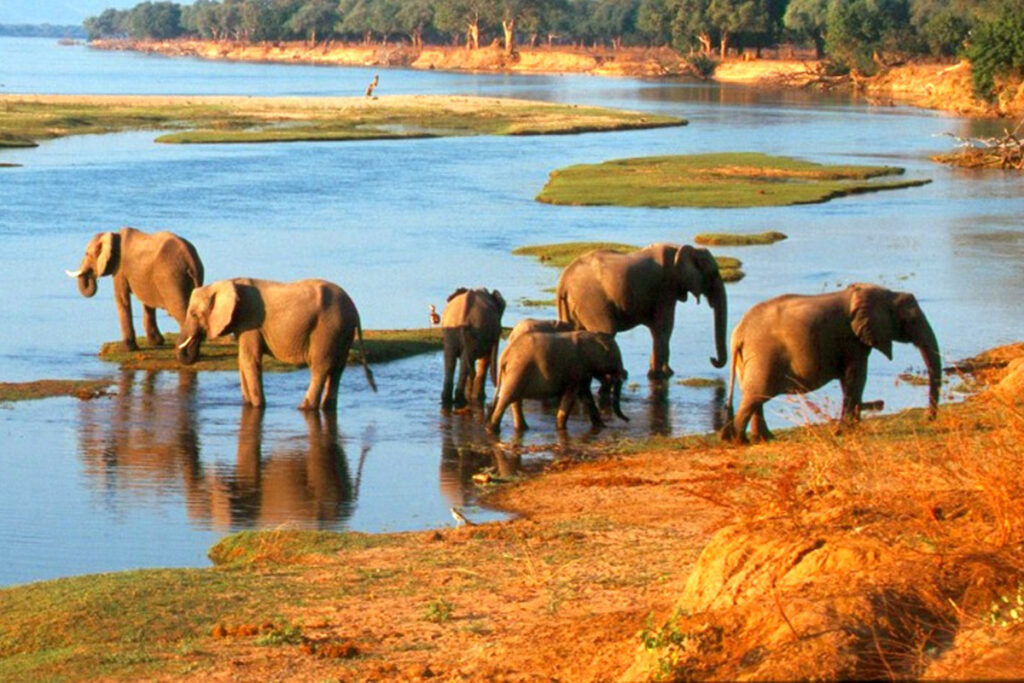
Mana Pools National Park, Zimbabwe – Zambezi Floodplains, Walking Safaris, Wild Dogs, Elephants and Complete Travel Guide
Mana Pools National Park is one of Africa’s most enchanting and immersive wilderness areas, a place where floodplains glow golden under the late afternoon sun, elephants stand on their hind legs to feed from towering acacia trees, and packs of African wild dogs hunt across open plains. Located along the southern banks of the Zambezi River in northern Zimbabwe, the park spans about 2,196 km² and forms the ecological heart of a vast transboundary landscape that also includes Sapi and Chewore Safari Areas in Zimbabwe and Lower Zambezi National Park across the river in Zambia. Together, this UNESCO World Heritage Site and Ramsar wetland covers over 6,700 km² of intact riverine, woodland and floodplain ecosystems.
Designated as a national park in 1975 after being protected as a game reserve since 1963, Mana Pools is globally renowned for its wilderness character, open floodplain woodlands, high densities of large mammals, outstanding predator sightings, and the rare opportunity to explore on foot. Its name, “Mana,” means “four” in Shona, referring to the four permanent pools—Long Pool, Chine Pool, Green Pool and Chisasiko Pool—formed by old meanders of the Zambezi River. These pools anchor the park’s wildlife-rich floodplains and sustain life through the long, hot dry season. Mana Pools is one of the last places in Africa where the ancient movements of wildlife, river, soil and floodplain continue with minimal human interference, offering a safari experience unmatched in authenticity, atmosphere and intimacy.
Location, Landscape and Conservation Context
Mana Pools lies in the Lower Zambezi Valley, with the Zambezi River forming its northern boundary and the steep, rugged Zambezi Escarpment rising sharply to the south. This dramatic geographical setting creates a natural amphitheatre where river, woodland, and escarpment ecosystems interact to support exceptional biodiversity. The park plays a vital role in the Lower Zambezi–Mid-Zambezi Transfrontier Conservation Area, enabling wildlife to move freely between Zimbabwe and Zambia. Elephants, buffalo, lions, wild dogs and numerous antelope species regularly cross the river, reinforcing genetic diversity and maintaining ancient movement routes.
- Size: ~2,196 km² (core national park)
- UNESCO World Heritage Area: 6,766 km² (with Sapi & Chewore)
- Coordinates: ~15°45′ S, 29°20′ E
- Elevation: 329–1,180 metres
- Protection Status: National Park, UNESCO World Heritage Site, Ramsar Wetland
- Established: 1975 (Game Reserve since 1963)
Mana Pools is one of the few protected areas in Africa where the interplay of natural flooding, alluvial soil formation, and wildlife movement continues much as it has for thousands of years. This ecological continuity makes it a globally significant conservation landscape.
Geography, Floodplains and River Channels
The geography of Mana Pools is dominated by the Zambezi River and its dynamic floodplain. Each rainy season, the river overflows its banks, inundating wide expanses of woodland and grassland. When the waters recede, they leave behind fertile silt and carve new channels, while old river paths become the permanent pools for which the park is famous. These pools—Long, Chine, Green, and Chisasiko—provide critical dry-season water for hippos, crocodiles, elephants, buffalo and other wildlife.
The valley floor is relatively flat near the river, shifting into mopane woodland further south before rising dramatically into the escarpment. This creates an ecological gradient from wet to dry, fostering a diverse array of habitats including alluvial floodplain forests, riverine woodland, inland savannas, sandbanks, mudflats and oxbow wetlands.
The Four Permanent Mana Pools
- Long Pool: Stretching roughly six kilometres, it holds dense populations of hippos and crocodiles and attracts elephants, buffalo, antelopes and predators year-round.
- Chine Pool: Known for picturesque floodplain settings where elephants and predators frequently gather.
- Green Pool: An extension of Long Pool, surrounded by lush vegetation and frequented by waterbirds.
- Chisasiko Pool: Easily accessible and a key drinking point for herbivores in late dry season.
Together, these pools create one of the most wildlife-dense dry-season habitats in Southern Africa.
Climate and Seasonal Cycles
The climate is highly seasonal, with a clear wet season (November–March) and a long, hot dry season (April–October). These cycles dictate vegetation patterns, wildlife movements and visitor experiences.
- Wet Season: Rainfall transforms the valley into a lush green world, with migrant birds arriving, grasses growing high, and floodplains partially submerged.
- Early Dry Season: Water begins to recede; visibility improves; temperatures cool; wildlife starts concentrating along the river.
- Late Dry Season: September–October brings extreme heat and some of Africa’s most dramatic game viewing as animals crowd water sources.
Average annual rainfall is around 700 mm, mostly falling in brief but intense thunderstorms. Temperatures peak above 35°C in October, while June nights can be cool and pleasant.
Hydrology – The Zambezi River, Kariba Dam and Floodplain Ecology
The Zambezi River is the lifeblood of Mana Pools. Its seasonal flooding creates the alluvial soils that sustain winterthorn woodlands and supports one of the most productive ecosystems in Southern Africa. However, upstream hydrological modifications—especially the Kariba Dam—have altered flood cycles. While the dam provides hydroelectric power to Zimbabwe and Zambia, it also impacts natural flood pulses, sediment movement and wetland renewal.
Conservationists carefully monitor these changes, as healthy floodplains are essential for vegetation regeneration, especially the nutrient-rich pods of Faidherbia albida trees that sustain elephants, buffalo and antelopes in the dry season. Maintaining natural flooding patterns is crucial for maintaining Mana Pools’ ecological character and wildlife abundance.
Ecosystems and Vegetation
Mana Pools’ ecosystems are shaped by water availability and soil type. The park’s vegetation includes riverine forest, alluvial floodplain woodland, mopane woodland, mixed savanna, sandbanks, reedbeds and escarpment forests.
Key Vegetation Zones
- Floodplain Woodlands: Dominated by winterthorn and apple-ring acacia, these open forests create the iconic Mana landscape and offer shade and pods for elephants and other herbivores.
- Riverine Forest: Figs, ebonies, mahoganies and sausage trees line the Zambezi, creating dense corridors used by baboons, leopards and birds.
- Mopane Woodland: Dominant inland, providing browse for elephants and habitat for many herbivores and smaller mammals.
- Wetlands and Pools: Permanent water bodies and seasonal floodplains support hippos, crocodiles, fish, frogs and aquatic plants.
- Escarpment Slopes: Host mixed, dense vegetation important for wide-ranging mammals and predators.
One ecological concern is elephant browsing pressure, which affects regeneration of the winterthorn and acacia woodlands. Research is ongoing to understand long-term impacts and guide adaptive management.
Wildlife of Mana Pools
Mana Pools is one of Africa’s greatest wildlife sanctuaries. Its open woodlands, permanent water, and lack of fences allow large mammals to thrive. Predator–prey interactions are visible, dramatic and often within walking distance for visitors.
Elephants and Unique Behaviours
Mana Pools’ elephants are world famous for their relaxed nature and unusual behaviour. Some bulls, including the iconic elephant “Boswell,” have mastered the ability to stand on their hind legs to reach high branches of acacia trees. This spectacular behaviour is rarely observed elsewhere in Africa and has become one of the park’s defining wildlife highlights. Elephants also regularly wade across the Zambezi River to feed on islands or cross into Zambia.
African Wild Dogs (Painted Wolves)
Mana Pools hosts one of Southern Africa’s most studied wild dog populations. Packs such as the Nyakasanga Pack became globally known through the BBC’s “Dynasties” documentary series. These highly social predators hunt impala and other prey in the open floodplain, often allowing remarkable viewing opportunities. Mana’s open terrain and natural lighting make it one of the best destinations in Africa to observe wild dog behaviour up close.
Large Mammals
- Elephants (iconic, relaxed bulls and breeding herds)
- Lions (strong, visible populations)
- Leopards (frequent but elusive along riverine corridors)
- Cheetahs (seen occasionally on open floodplains)
- Buffalo (large herds, especially at pools)
- Hippos (high density in river channels and pools)
- Crocodiles (abundant along the Zambezi)
- Zebra, impala, kudu, waterbuck, eland
- Baboons, vervet monkeys and smaller mammals
Black rhinos once lived here but were extirpated due to poaching in the late 20th century. Discussions about reintroduction continue as long-term security improves.
Birdlife
With over 350–450 bird species in the greater area, Mana Pools is a premier birdwatching destination. Migratory birds arrive after November, while the dry season concentrates raptors, waders and riverine species.
- Pel’s fishing owl
- African skimmer
- Fish eagle
- Carmine and white-fronted bee-eaters
- Herons, storks and egrets
- Martial and crowned eagles
- Rollers, kingfishers and sunbirds
Prime birding occurs from November to April when migrants arrive and vegetation is lush.
Reptiles, Amphibians and Insects
Mana Pools supports Nile crocodiles, pythons, cobras, monitor lizards and numerous smaller reptiles. Frogs and toads breed explosively after heavy rains, while insect populations flourish during the wet season, feeding fish, birds and small mammals.
Chitake Springs – One of Africa’s Wildest Areas
Chitake Springs, located in the southern, inland part of the park, is one of Africa’s rawest and most intense wildlife zones. Far from the Zambezi River, Chitake is fed by underground water emerging from the escarpment, creating a year-round water source in an otherwise bone-dry landscape. This attracts huge concentrations of buffalo, elephants, lions and hyenas during the dry season.
Chitake is known for extreme wilderness conditions: predators hunt openly near campsites, elephants pass close to tents, and the soundtrack of roaring lions is constant. Camping here is strictly controlled, and only a handful of visitors are permitted at a time. Walking safaris in Chitake offer some of the most thrilling wildlife encounters in Africa, making it a favourite among experienced guides, photographers and adventurers.
Cultural and Indigenous Heritage
The Zambezi Valley has been inhabited for millennia by Shona-speaking communities and earlier hunter-gatherer groups. Archaeological findings reveal ancient riverine settlements, trading paths and rock paintings in nearby escarpment areas. Fishing, crop farming, foraging and spiritual traditions tied to the river and its wildlife remain an important part of local identity.
Today, community-based conservation initiatives near Mana Pools help support livelihoods through tourism partnerships, anti-poaching employment and cultural experiences. Traditional knowledge continues to inform sustainable resource use in surrounding communal lands.
Walking Safaris – The Soul of Mana Pools
Mana Pools is one of the few places in Africa where walking safaris are not only permitted but integral to the experience. The open floodplain woodlands, visibility across flat terrain, relaxed wildlife and soft alluvial soils create ideal conditions for tracking and approaching animals safely under expert guidance. In certain designated zones, extremely experienced visitors may walk without a guide, although this requires special permission and is not recommended for most travellers.
Walking in Mana Pools allows visitors to observe wildlife behaviour quietly and intimately—tracking wild dog prints, watching elephants browsing at close range, feeling the heat of the day rise from the ground, and hearing birdsong in the riverine forests. This human-scale interaction with nature is one of the park’s greatest attractions.
Tourism Activities
Mana Pools offers a wide range of wilderness activities that take advantage of its unique landscape.
- Walking Safaris: The park’s signature experience, offering close wildlife encounters in open woodland.
- Game Drives: Explore the floodplains and inland woodlands to observe predators, elephants and herds.
- Canoe Safaris: Multi-day or day trips on the Zambezi River offer water-level views of elephants, hippos and birds.
- Photographic Safaris: Soft light, open woodlands and relaxed animals make Mana one of Africa’s premier photography destinations.
- Birdwatching: Excellent year-round, with peak diversity during the rainy season.
- Catch-and-Release Fishing: Tigerfish and bream can be caught in designated areas.
Because many activities occur on foot or water, safety briefings and responsible behaviour are essential. Experienced guides ensure ethical wildlife viewing that respects the animals and maintains the park’s wilderness character.
Research and Monitoring
Research programs in Mana Pools include predator studies, elephant movement tracking, vegetation monitoring, waterbird surveys, and landscape ecology projects. Organisations such as the Painted Wolf Foundation, Zambezi Society, and universities collaborate with park authorities to gather data crucial for conservation.
GPS-collaring of elephants, lions and wild dogs helps map transboundary movement patterns, identify poaching threats and guide management decisions for the greater Zambezi valley ecosystem.
Threats and Management Challenges
- Altered flooding due to Kariba Dam operations
- Poaching pressure on elephants and predators
- Human–wildlife conflict around communal lands
- Vegetation degradation from concentrated elephant browsing
- Climate change affecting water availability
Long-term protection requires strong cross-border collaboration, community engagement, anti-poaching patrols and careful monitoring of hydrology and woodland regeneration.
Access – How to Get There
- By Air: Charter flights from Harare, Victoria Falls or Kariba to Mana airstrips offer fast, convenient access.
- By Road: Accessible via 4×4 from Harare or Kariba; road conditions vary seasonally and may be difficult during rains.
- By River: Visitors from Zambia may arrive via boat transfers from Lower Zambezi National Park.
Seasonal flooding can make certain areas inaccessible from December to March, and some camps close during heavy rains.
Permits, Rules and Responsible Travel
- Entry permits required at park gates
- Walking only allowed in designated zones; unguided walking limited
- Camping permitted only in designated camps
- Fishing strictly regulated and catch-and-release only
- No off-road driving or disturbance of wildlife
Visitors must follow guidelines to ensure their safety, protect wildlife and preserve the wilderness experience for others.
Accommodation Options
Mana Pools offers a range of accommodation options, all maintaining the park’s low-impact, wilderness ethos.
- Public Campsites: Basic but atmospheric, some on the riverfront.
- Seasonal Tented Camps: Small, intimate and focused on walking and canoeing safaris.
- Luxury Lodges: Exclusive camps offering superb guiding, riverfront views and well-appointed amenities.
- Mobile Safaris: Seasonal camps offering deep immersion in remote areas such as Chitake Springs.
Many camps close during the rainy season due to access challenges.
Best Time to Visit
- June–August: Cool mornings, warm days, excellent walking and general wildlife viewing.
- September–October: Hot but exceptional game viewing as water shrinks and animals gather in large numbers.
- April–May: Lush and green with fewer visitors; birding is superb.
- November–March: Rainy season; access can be limited; camps may be closed; landscapes are vibrant and birdlife peaks.
Why Mana Pools National Park Is Unique
Mana Pools National Park is a masterpiece of African wilderness. Few places offer such direct, intimate engagement with wildlife—walking beside elephants in open woodlands, watching wild dogs hunt at dawn, canoeing past hippos on a legendary river, or listening to lions roar across the floodplain at night. Its combination of river, floodplain, woodland and escarpment creates a landscape of immense beauty and ecological richness. The park remains truly wild, largely unchanged by development, and continues to function as a natural system governed by ancient rhythms.
For travellers seeking raw wilderness, extraordinary wildlife encounters and a deep sense of connection to nature, Mana Pools stands among the greatest national parks in Africa—timeless, powerful and unforgettable.