
Mangetti National Park
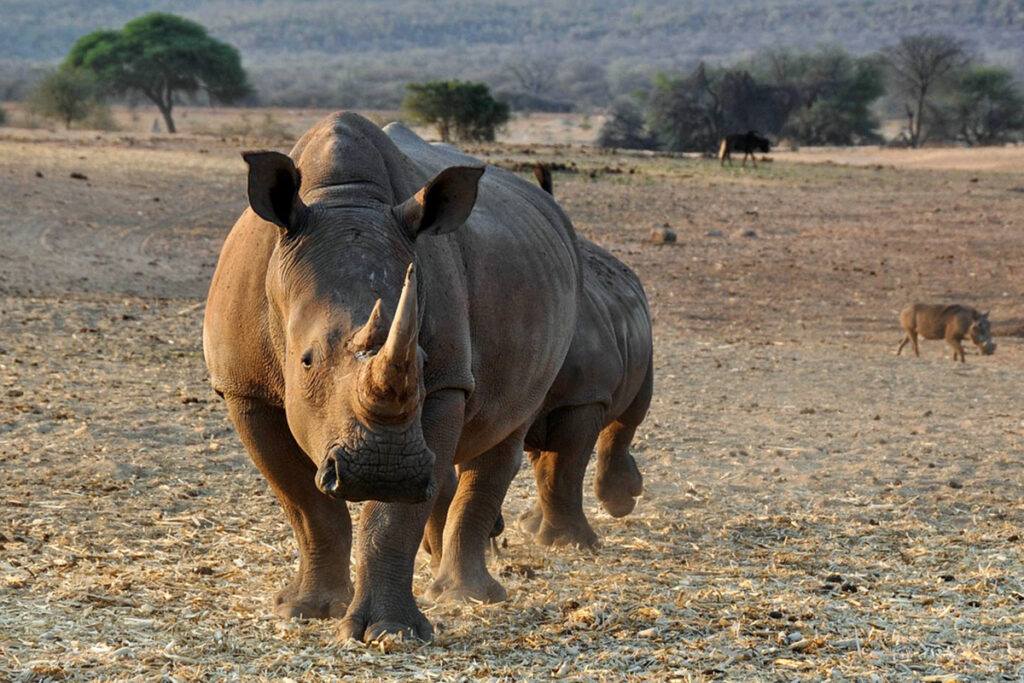
Mangetti National Park, Namibia – Kalahari Woodlands, Rare Antelope, Community Conservation and an Immersive Wilderness Experience
Mangetti National Park is one of Namibia’s most intriguing and least-explored protected areas—an expanse of remote, atmospheric woodland that offers travellers a deeply peaceful safari experience. Situated in the Kavango West Region and covering approximately 420 km², the park safeguards a remarkable stretch of northern Kalahari woodland, ancient red dunes, seasonal pans and omiramba riverbeds that sustain wildlife in this semi-arid landscape. Established in 2008 from the former Mangetti State Forest, the park plays a key role in restoring wildlife numbers, protecting threatened woodland species, and strengthening Namibia’s network of interconnected conservation areas.
This is a landscape where sunlight glows through silver cluster-leaf trees, where the scent of wild bushveld rises from the ground after rain, and where quiet woodlands reveal shy antelope, elusive predators and vibrant woodland birds. For visitors seeking solitude, authenticity and immersion in a lesser-known ecosystem, Mangetti delivers an experience far removed from the crowds of larger national parks. Its focus on community partnerships, ecological restoration and low-impact tourism elevates it as a model for conservation in northern Namibia.
Historical Background and the Park’s Evolution
The creation of Mangetti National Park reflects Namibia’s long-term commitment to woodland conservation and responsible land stewardship. Before becoming a national park, Mangetti was one of the country’s most important State Forests. Managed for controlled timber harvesting, grazing, wild resource use and limited hunting, the forest supported local communities for generations. However, increasing pressure from illegal wood harvesting, unregulated hunting, expanding farmland and declining wildlife corridors threatened the region’s ecological health.
Recognising the importance of preserving these dense woodlands, Namibia transformed the area into a national park in 2008. This shift allowed for enhanced protection of wildlife, restoration of natural habitats and closer collaboration with communal conservancies. It also helped re-establish traditional wildlife routes between Khaudum, Etosha, the Kavango River basin and surrounding community forests—routes that had existed for centuries before human activity disrupted them.
Location, Setting and Ecological Context
Mangetti National Park lies southwest of Rundu along the Trans-Zambezi Route, offering a natural transition between the Kavango River basin and Namibia’s interior savannas. Its strategic position makes it a valuable ecological bridge, protecting woodland biodiversity and enabling wildlife to move safely between protected areas and communal lands. This connectivity strengthens long-term conservation efforts, especially for species that depend on seasonal movement to survive.
- Region: Kavango West, Northern Namibia
- Area: Approximately 420 km²
- Established: 2008
- Coordinates: Approx. 18° S, 19° E
- Landscape Type: Northern Kalahari Sandveld
Surrounding communal conservancies are active partners in wildlife protection and tourism development, making Mangetti a strong example of how protected areas and rural communities can thrive together. This collaboration helps reduce human–wildlife conflict, promotes sustainable resource use, and ensures that local people benefit economically from the park’s success.
Geography, Soils and the Character of the Woodlands
Mangetti’s geography is defined by ancient Kalahari sands—deep, red and porous soils that support a rich mosaic of woodland vegetation. These sands were once active dunes, but today they are stabilised by trees, shrubs and grasses, giving the park its distinctive shaded landscapes. Small dunes and sandy ridges rise gently, creating a topography that feels soft and rolling, while low-lying depressions form seasonal pans and host unique plant communities.
Omiramba riverbeds—fossilised drainage channels carved into the sandy plains—run through parts of the park. They rarely carry flowing water, but after heavy rains they channel runoff, recharge groundwater and create pockets of lush vegetation. These riverbeds serve as vital wildlife pathways, offering shade, browse and natural movement corridors through the dense woodlands.
The combination of Kalahari sands, fire-adapted flora and seasonal wetlands creates a dynamic ecosystem with exceptionally high resilience, despite the harsh climate.
Climate and Seasonal Changes
Mangetti experiences a semi-arid climate marked by hot summers, cool winters and sharp seasonal contrasts. These cycles profoundly shape wildlife movements, vegetation growth and visitor experiences.
- Rainy Season (November–April): Heavy but brief thunderstorms transform the park. Woodlands sprout fresh green leaves, seasonal pans fill, amphibians emerge, and insect activity explodes. This is the best time for experiencing lush landscapes and diverse birdlife.
- Dry Season (May–October): Temperatures drop, humidity falls, and water becomes scarce. Wildlife begins to concentrate around waterholes, making these months ideal for game viewing.
Summer temperatures often exceed 35°C, while winter nights feel crisp and refreshing. Fire, naturally occurring or managed, plays a crucial role in maintaining open grasslands, regenerating vegetation and supporting nutrient cycling.
Hydrology – Lifelines in a Semi-Arid Woodland
Mangetti has no permanent rivers, but its hydrology plays a vital role in sustaining wildlife. Rain-fed pans form shallow seasonal wetlands that remain productive for months after rainfall, attracting birds, amphibians and grazing mammals. Omiramba riverbeds carry water only briefly during periods of intense rainfall, yet they serve as ecological arteries, supporting taller trees and preserving moisture in the subsurface soils.
Groundwater is an essential resource, and strategically placed boreholes and waterholes help maintain wildlife populations during drought years. These water points become focal zones for observing predators and herbivores, especially during the late dry season when natural pans are empty.
Vegetation and Woodland Ecology
Mangetti’s vegetation is among the richest in Namibia’s woodland ecosystems. The park showcases a variety of drought-tolerant trees, fire-resistant shrubs and hardy grasses that form habitats for browsers, grazers, birds and smaller mammals.
Main Vegetation Types
- Kalahari Sandveld Woodlands: Featuring silver cluster-leaf (Terminalia sericea), camelthorn (Acacia erioloba), shepherd’s tree, wild seringa and various bushwillow species.
- Mopane Woodland: Dominant in the drier parts of the park and vital for elephants, kudu and insects.
- Fire-Influenced Grasslands: Open patches regenerated by controlled burns that promote fresh grass for herbivores.
- Omiramba Vegetation: Taller trees, dense shade and cooler microclimates providing shelter for birds and mammals.
- Seasonal Pans: Wetlands alive with aquatic plants, frogs and birds after rains.
The diversity of vegetation stabilises the soil, stores significant carbon and provides essential forage for even the rarest antelope species. Fire is used carefully to maintain habitat variation, prevent woody overgrowth and promote new grass growth.
Wildlife of Mangetti National Park
Although wildlife densities are still growing, Mangetti offers an exciting mix of woodland-adapted species, many of which are difficult to see elsewhere. Predators, rare antelopes and a range of nocturnal mammals thrive in the shaded habitats where human disturbance is minimal.
Large and Medium-Sized Mammals
- Roan antelope (a conservation priority species)
- Eland
- Kudu
- Giraffe
- Spotted hyena and brown hyena
- Leopard (frequent but elusive)
- Cheetah (using open clearings to hunt)
- Warthog and bushpig
- Steenbok, duiker and other woodland antelopes
Roan antelope are one of the park’s iconic species, and the quiet woodlands provide ideal conditions for them to recover and thrive. The presence of elusive predators such as leopard and hyena reflects the park’s healthy ecosystem and minimal human intrusion.
Small and Nocturnal Mammals
- African civet
- Genet species
- Caracal
- Honey badger
- Aardwolf
- Bat-eared fox
- Pangolin (rare but possible)
Night drives reveal the park’s hidden wildlife, especially during warm evenings when nocturnal animals emerge to forage.
Elephants
Elephants occasionally move through Mangetti from surrounding conservancies, following traditional pathways between Khaudum, the Kavango River, and Namibia’s interior. Their seasonal presence contributes to woodland dynamics, opening gaps in vegetation and reshaping habitat structure in subtle but important ways.
Birdlife
Mangetti is a rewarding birding destination, especially in the rainy season when migrant species arrive and woodland birds become highly active. The mix of open areas and dense woods supports an impressive variety of species, many of which are specialists of the northern Kalahari biome.
- Southern ground hornbill
- Rufous-bellied tit
- Violet-eared waxbill
- Woodland kingfisher
- Meyer’s parrot
- Lilac-breasted roller
- Hornbills, sunbirds and cuckoos
- Raptors such as bateleur, martial eagle and African hawk-eagle
Birdsong fills the park after summer rains, and seasonal pans become hotspots for herons, storks and smaller waders.
Reptiles, Amphibians and Insects
Reptiles are well represented, with monitor lizards, skinks, geckos and several snake species thriving in the warm climate. After heavy rains, amphibians emerge to breed explosively in temporary pools. Insects—especially butterflies, beetles and dragonflies—become abundant in the wet season, supporting birds and smaller mammals.
Cultural Heritage and Community Collaboration
Mangetti’s surrounding communities, largely from Kavango cultural groups, have deep historical ties to the land. Local livelihoods traditionally revolved around woodcraft, sustainable wild harvesting, livestock herding and farming. Many community members possess extensive knowledge of woodland plants, medicinal herbs, animal tracking and traditional fire management.
The park was established specifically to strengthen partnerships with these communities, offering employment in guiding, conservation work, craft markets, research support and eco-tourism initiatives. Revenue-sharing agreements help communities benefit economically from wildlife conservation, stabilising local livelihoods and fostering strong stewardship of natural resources.
Fire Ecology and Woodland Regeneration
Fire is an integral part of Mangetti’s ecosystem. Naturally occurring or carefully managed burns help maintain open grasslands, stimulate new plant growth, reduce woody encroachment and enhance biological diversity. However, uncontrolled fires during severe drought can damage sensitive habitats and reduce forage availability.
Park managers use controlled burns to maintain a healthy balance, ensuring that woodland and grassland habitats remain resilient while reducing long-term fuel loads that could cause damaging wildfires.
Conservation Challenges and Threats
- Illegal hunting around park boundaries
- Encroachment from farmland and livestock
- Unsustainable wood harvesting in adjacent areas
- Climate change affecting rainfall reliability
- Human–wildlife conflict in communal lands
Despite these challenges, partnerships with conservancies and strengthened anti-poaching patrols are steadily improving wildlife numbers and promoting ecological restoration. Mangetti is emerging as a conservation success story with long-term potential.
Research and Monitoring
Multiple conservation and research programmes operate within the park, contributing to the region’s scientific knowledge and guiding management decisions. These include:
- Roan antelope population studies
- Camera-trap monitoring of predators and nocturnal mammals
- Vegetation and fire-impact mapping
- Bird surveys across seasonal cycles
- Research on wildlife corridors and movement patterns
- Community-based forest management studies
These projects help safeguard the park’s long-term ecological health and guide adaptive management strategies.
Visitor Atmosphere and Wilderness Experience
Mangetti offers an atmosphere of solitude, reflection and undisturbed nature. Travellers are greeted by soft woodland light, the scent of wild sage, the rustle of antelope moving through the underbrush and the distant call of hornbills echoing through the trees. Sunsets paint the sky with deep oranges and purples, casting long shadows across the dunes, while nights reveal a spectacular canopy of stars with minimal light pollution—ideal for stargazing and night photography.
Tourism Activities
- Guided game drives along sandy woodland tracks
- Birdwatching at pans and omiramba riverbeds
- Nature walks led by community guides
- Night drives to observe nocturnal mammals
- Photography of woodland species and landscapes
- Cultural experiences in nearby communities
The focus is on low-impact tourism and meaningful interaction with nature rather than high-density game viewing. This makes Mangetti perfect for travellers who value quiet, immersive experiences.
Access – How to Reach Mangetti National Park
- By Road: Accessible by 4×4 from Rundu or Grootfontein. Deep sand and remote tracks require confident off-road driving.
- By Air: Charter flights can be arranged to nearby airstrips.
- Self-Drive: Travellers should carry ample fuel, water and supplies due to the park’s remoteness.
Access becomes more challenging after rainfall when sandy tracks can become slippery or waterlogged.
Safety and Practical Tips
- Carry two spare tyres, jack, compressor and recovery gear.
- Take malaria precautions; Mangetti lies in a malaria zone.
- Respect wildlife—most species are shy and easily disturbed.
- Stay on designated tracks to avoid damaging vegetation.
- Plan fuel and water carefully; there are no services inside the park.
- Fires only in designated areas.
Preparedness ensures a safe and enjoyable safari experience in Mangetti’s remote woodlands.
Accommodation
- Community Campsites: Rustic, peaceful, offering authentic woodland settings.
- Government Camps: Basic facilities for adventurous travellers.
- Nearby Lodges: Found along access roads on the route to Rundu.
- Mobile Tented Camps: Operated by specialist safari companies.
Future development plans aim to introduce more eco-friendly accommodation options that benefit local communities while protecting the woodland ecosystem.
Best Time to Visit
- May–October (Dry Season): Ideal for wildlife visibility, cool weather and comfortable travel conditions.
- November–April (Wet Season): Lush green landscapes, excellent birding, vibrant insect life and spectacular thunderstorms.
Each season provides unique photographic and ecological highlights, making the park rewarding all year long.
Why Mangetti National Park Is Unique
Mangetti National Park is a hidden gem in Namibia’s conservation landscape—a place where tranquil woodlands, rare antelope, elusive predators and meaningful community partnerships merge into a deeply authentic wilderness experience. Its role as a wildlife corridor, its atmospheric Kalahari woodlands, and its dedication to sustainable conservation make it a standout destination for travellers seeking nature in its purest form.
Quiet, biodiverse and culturally connected, Mangetti is a remarkable sanctuary where wildlife thrives under the guardianship of both the environment and the communities who call this land home.