
Murchison Falls National Park
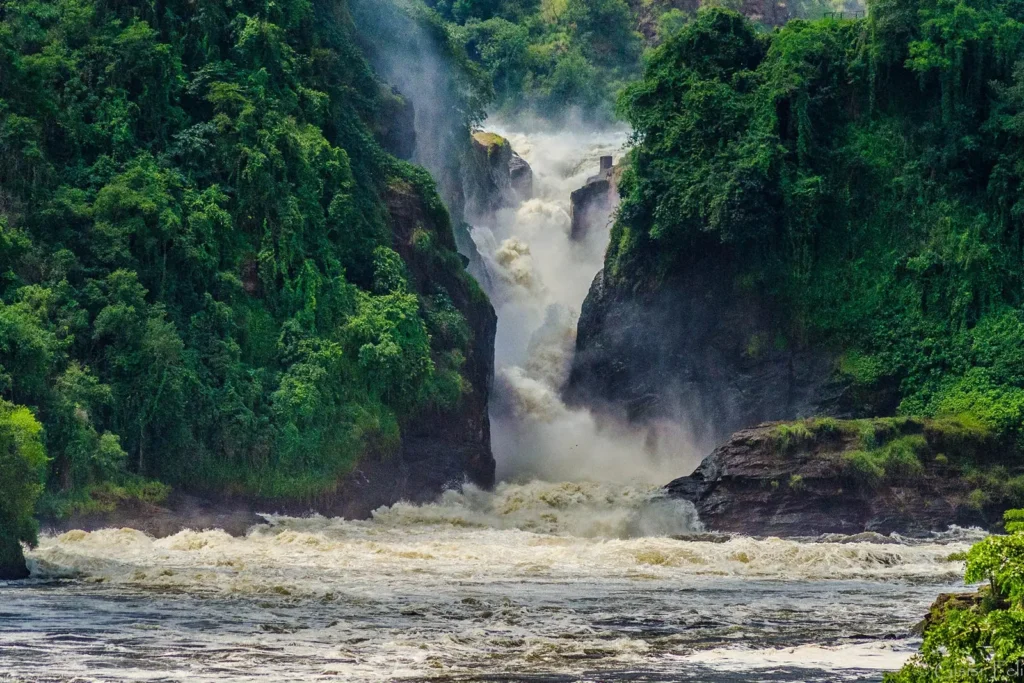
Murchison Falls National Park, Uganda – The Nile, Wildlife, Ancient Savannahs, Waterfalls, and the Complete Wilderness Guide
Murchison Falls National Park is Uganda’s oldest and largest protected wilderness, a vast and dramatic landscape where the mighty Nile River roars through a narrow gorge, savanna plains stretch into the horizon, and some of East Africa’s most remarkable wildlife thrives. Covering approximately 3,893 km², the park was established in 1952 and remains the centerpiece of Uganda’s safari circuit. Its mix of rolling grasslands, riverine forests, acacia woodlands, wetlands and tropical thickets creates one of the most ecologically diverse protected areas in East Africa. Murchison Falls is a place of raw power, gentle beauty and ancient rhythms—a park defined by the pulse of the Nile and the life it sustains.
This article offers a fully expanded, comprehensive guide to Murchison Falls National Park, integrating its history, ecosystems, wildlife behavior, cultural landscape, hydrology, forests, research programs, threats, travel logistics, stargazing and zone-by-zone orientation. Every major paragraph has been enriched to create a complete, authoritative and immersive experience of this extraordinary park.
Historical Background and Formation of the Park
The area that is now Murchison Falls National Park has been a wildlife refuge for centuries. Local communities such as the Acholi, Alur and Banyoro traditionally lived alongside wildlife, fishing in the Nile, hunting sustainably and using riverine forests for medicine, tools and cultural rituals. European interest in the region grew in the 19th century when explorer Sir Samuel Baker and his wife Florence Baker named the waterfall “Murchison Falls” after the President of the Royal Geographical Society.
In 1926, the region was declared a game reserve, and in 1952 it was officially gazetted as Uganda’s first national park. The park faced severe wildlife declines during the 1970s and 1980s as political instability and poaching reduced elephant and buffalo numbers dramatically. Since the 1990s, strong conservation programs have helped restore wildlife populations, and Murchison is once again a thriving ecosystem with healthy numbers of big game, predators and rare bird species.
Geographical Setting and Landscape Zones
Murchison Falls National Park is divided into distinct ecological and tourism zones, each offering unique landscapes, wildlife densities and visitor experiences. The Nile River acts as a natural boundary between the northern savannas and southern woodlands, shaping habitats and animal distributions across the park.
Buligi Peninsula
The Buligi Peninsula is the heart of game viewing, lying between the Victoria Nile and the Albert Nile. Its open savannas and scattered acacia trees create ideal conditions for observing elephants, lions, giraffes, buffaloes and antelopes. The peninsula is known for breathtaking sunrise and sunset views, wide plains and excellent predator sightings.
Para and Pakuba Area
The Para/Pakuba region near the Para Ferry is the most accessible section of the park’s northern bank. Plains game are abundant, predators patrol open woodlands, and elephants regularly gather along the riverbanks. Para is also home to several lodges overlooking the Nile.
The Delta Zone (Nile–Albert Delta)
Where the Nile spreads into multiple channels before entering Lake Albert, the Delta becomes a lush wetland teeming with birdlife and aquatic animals. It is the best place in Uganda to search for the rare shoebill stork. Quiet channels host hippos, crocodiles, skimmers and herons, making the Delta one of Africa’s most tranquil and scenic water landscapes.
Chobe Sector
Located in the northeastern part of the park, Chobe boasts dramatic river scenery, elephant herds and beautiful riverine forests. It is quieter than the main tourism hubs and ideal for visitors seeking peaceful boat cruises and exclusive wilderness experiences.
Southern Sector (Woodlands and Forest Edge)
South of the Nile, the landscape shifts to dense bushland and tropical forests merging with Budongo Forest Reserve. This region supports primates such as baboons, vervet monkeys and colobus monkeys. The southern sector is richer in woodland birds and offers access to Kaniyo Pabidi, a renowned research area for chimpanzees and forest ecology.
The Nile River and the Power of Murchison Falls
The Nile River defines the character of the park. After flowing through forests and wetlands, the river is forced through a narrow 7-meter-wide gorge, creating Murchison Falls—the most powerful natural surge of water on the Nile. It crashes 43 meters into a churning pool below, sending mist and spray skyward and producing a thunderous roar that echoes across the cliffs.
The top-of-the-falls viewpoint offers an unforgettable sensory experience: the ground trembles beneath your feet, mist cools the air, and the sheer force of the water dominates the landscape. Below the falls, boat safaris travel along the calm waters toward the base of the gorge, offering dramatic views of cliffs, rock formations, and the plume of mist rising into the sky.
Downstream, the river widens into peaceful channels rich with wildlife—hippos lounging in the water, crocodiles basking on sandbanks, elephants drinking at the shore and birds lining the banks. The Nile shapes vegetation zones, influences predator distribution and provides life-sustaining water for the entire park.
Hydrology, Wetlands and Delta Ecology
Murchison’s hydrological system revolves around the Nile and its network of wetlands, tributaries and seasonal streams. The Nile–Albert Delta is a major fish-breeding ground and supports numerous aquatic plants. During the rains, floodplains expand, supporting grazing antelopes and waterbirds. The delta’s papyrus beds and shallow lagoons host special bird species such as the shoebill, African pygmy goose and saddle-billed stork.
Seasonal wetlands across the park fill with water during the rainy season, attracting amphibians, insects and migratory birds. These wetlands are key feeding grounds for elephants and buffaloes and sustain plant species that thrive in periodically flooded environments. The hydrology of the park is also influenced by upstream rainfall patterns and by Lake Albert, which stabilizes water flows during dry months.
Climate and Seasonal Patterns
Murchison Falls National Park experiences a warm tropical savanna climate with two dry seasons and two rainy seasons. Wildlife viewing, vegetation growth and river flow vary depending on rainfall patterns.
- Dry Seasons: December–February and June–July. These months feature sparse vegetation and excellent game visibility. Animals gather around permanent water sources, especially along the Nile.
- Wet Seasons: March–May and August–November. The park becomes lush and green, grasses grow tall, and numerous bird species appear. Dramatic storm clouds and lush scenery make this an ideal time for photography.
Temperatures range from 25–32°C during the day, with cooler nights between 18–22°C. In the dry season, the northern savannas can feel hot, while shaded riverine forests offer relief from the heat.
Vegetation, Flora and Fire Ecology
The diverse vegetation of Murchison Falls National Park supports a rich array of wildlife species. The flora varies from open savannas dominated by elephant grass and acacia trees to riverine forests filled with figs, tamarind and mahogany.
Key Vegetation Types
- Savanna Grasslands: Dominated by elephant grass (Pennisetum purpureum) and spear grass.
- Borassus Palm Savannah: Scenic landscapes with tall palms rising over the plains.
- Riverine Forests: Thick vegetation along the Nile with Ficus, mahogany, tamarind and jackfruit trees.
- Acacia Woodlands: Home to giraffes, antelopes and browsing species.
- Papyrus Swamps: Papyrus (Cyperus papyrus) and aquatic vegetation dominate wetland fringes.
Fire plays a natural and essential role in the savanna ecosystem. Controlled burns help prevent thicket expansion, recycle nutrients and stimulate fresh grass growth for grazing herbivores. The annual fire cycle also shapes predator visibility and influences animal movement patterns.
Wildlife of Murchison Falls National Park
Murchison Falls is one of the best wildlife-viewing destinations in East Africa due to its rich mix of savanna, forest and wetland species. Large mammals, predators, primates and birds coexist in varied habitats around the park.
Large Mammals
- Elephants: Seen along the riverbanks and woodlands.
- Lions: Often found in the Buligi and northern savannas.
- Leopards: Elusive but present throughout the park.
- Giraffes (Rothschild’s): One of the largest populations in Africa.
- Buffaloes: Common across savannas and wetlands.
- Hippos: Abundant along the Nile.
- Crocodiles: Particularly large individuals in the Nile.
- Hyenas: Spotted hyenas are frequently encountered.
- Antelopes: Uganda kob, oribi, hartebeest, waterbuck and duiker.
Uganda kobs form spectacular mating arenas known as leks, where males display and compete for females—a fascinating wildlife behavior unique to Uganda’s savannas.
Primates
- Olive baboons
- Vervet monkeys
- Colobus monkeys
Nearby Budongo Forest supports chimpanzees and forest specialists, complementing the savanna wildlife experience of the main park.
Birdlife
With more than 450 recorded species, Murchison Falls is one of Africa’s premier birdwatching destinations.
- Shoebill stork (especially in the Delta)
- African fish eagle
- Goliath heron
- Pied and giant kingfisher
- Saddle-billed stork
- Grey crowned crane
- Swallow-tailed bee-eater
- African skimmer
- Terns, pelicans and herons
Forested edges host forest birds such as Nahan’s francolin, turacos and greenbuls. Migratory species arrive between October and April, increasing diversity.
Reptiles, Amphibians and Insects
- Nile crocodiles
- Monitor lizards
- Pythons and cobras
- Tree frogs and toads (during rainy season)
- Termite mounds—vital ecological structures
Termite mounds dot the savannas, shaping soil fertility and offering shelter to warthogs, mongooses and reptiles.
Cultural and Indigenous Connections
Murchison Falls is surrounded by communities rich in cultural heritage. The Acholi, Alur and Banyoro have long depended on the Nile for fishing, farming and transportation. Traditional dances, music, crafts and stories celebrate their deep ties to the landscape. Visitors can experience local culture through village visits, craft centers and cultural performances near the park.
Modern conservation efforts involve community participation through education programs, benefit-sharing arrangements and local employment in tourism and park operations.
Research, Science and Monitoring Programs
Murchison Falls National Park hosts active conservation science programs that contribute to regional biodiversity knowledge. Key research activities include:
- Lion population monitoring and movement studies
- Elephant migration tracking using GPS collars
- Vegetation and fire mapping surveys
- Bird counts in the Delta and riverine forests
- Fish ecology and Nile hydrology studies
- Human–wildlife conflict mitigation research
These studies help guide conservation decisions and ensure the park is managed sustainably.
Conservation Challenges
- Poaching pressures in remote areas
- Human–wildlife conflict around park boundaries
- Habitat loss outside the park
- Climate variability affecting water flow
- Infrastructure expansion pressures
Despite these challenges, strong collaboration between Uganda Wildlife Authority, communities and conservation groups has greatly improved wildlife protection and habitat recovery over the last two decades.
Tourism Activities
- Game drives on northern savannas
- Boat safari to the base of the falls
- Boat cruise to the Delta
- Top-of-the-falls walk and viewpoints
- Nature walks
- Birdwatching tours
- Sport fishing (Nile perch and catfish)
Each experience offers a different perspective on the park—from the thunderous falls to calm river channels full of wildlife.
Access and Park Logistics
Murchison Falls is accessible by both road and air:
- By Road: 4–6 hours from Kampala via Masindi or Gulu-Karuma road.
- By Air: Domestic flights to Pakuba, Chobe or Bugungu airstrips.
- Ferry: Para Ferry connects south and north banks; operates daily on schedule.
Main gates include Para Gate, Bugungu Gate, Chobe Gate and Wankwar Gate.
Safety, Packing and Practical Advice
- Stay 30+ meters from elephants and hippos.
- Do not approach crocodile-infested shorelines.
- Wear sun protection—temperatures can be high.
- Carry insect repellent; region has mosquitoes.
- Pack binoculars and a long lens for birding and photography.
- Drink plenty of water on game drives.
Accommodation Options
- Luxury Lodges: Riverfront lodges with premium views.
- Mid-range Lodges: Comfortable facilities with river access.
- Budget Lodges: Affordable accommodations near gates.
- Campsites: Basic and scenic for adventurous travellers.
Many lodges overlook the Nile, offering dramatic sunsets, hippo calls and wildlife sightings from camp.
Night Sky and Photography
Murchison Falls has minimal light pollution, making it excellent for stargazing. The Milky Way arcs vividly across the sky, especially during dry, clear months. Early mornings and late afternoons offer golden light ideal for wildlife photography. Boat safaris provide unique angles for shooting elephants, hippos and cliff formations.
Best Time to Visit
- June–July & December–February: Best wildlife viewing.
- March–May & August–November: Lush scenery and excellent birding.
The park is rewarding year-round, with each season offering different experiences.
Why Murchison Falls National Park Is Unique
Murchison Falls National Park is a place where nature expresses itself with dramatic force and quiet beauty. From the crashing waters of the falls to the peaceful channels of the Delta, from vast savannas teeming with wildlife to forests alive with bird song, the park captures the essence of wild Uganda. It is a landscape shaped by the Nile, enriched by ancient ecosystems, and protected through decades of resilience and conservation.
With unmatched diversity, breathtaking scenery, abundant wildlife and unforgettable river experiences, Murchison Falls stands among Africa’s greatest wilderness destinations—a place of wonder, power and timeless natural heritage.