
Merdja Zerga Biological Reserve
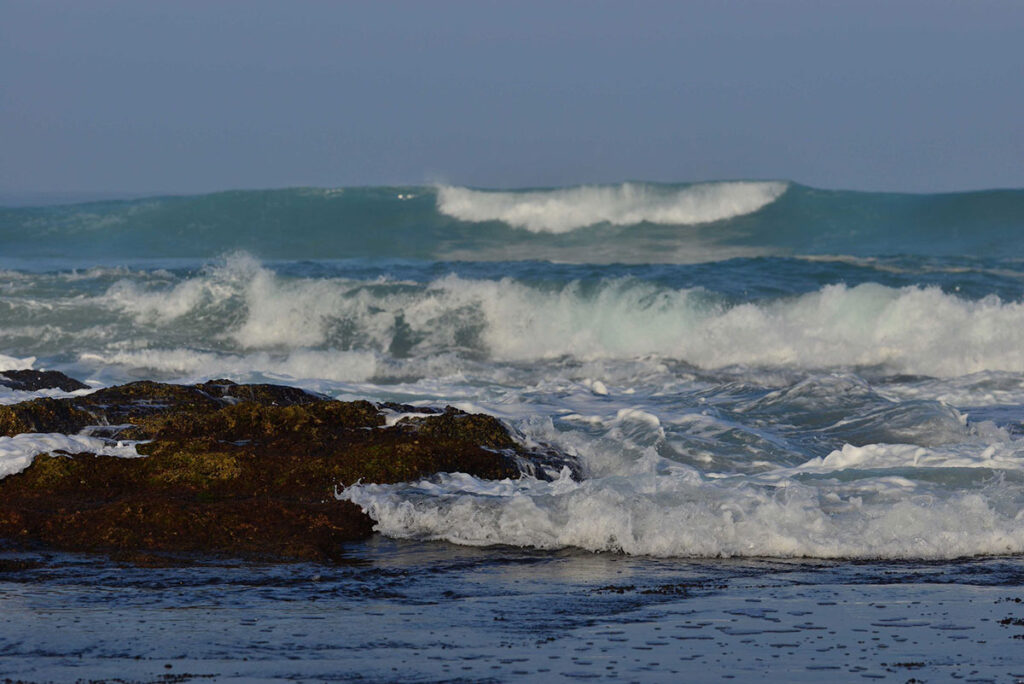
Merdja Zerga Biological Reserve, Morocco – Ramsar Wetland, Migratory Birds, Coastal Lagoon Ecosystems and North Africa’s Premier Bird Sanctuary
Merdja Zerga Biological Reserve is one of Morocco’s most important protected wetlands—an ecologically rich, visually stunning, and internationally significant lagoon system located along the country’s Atlantic coast. Renowned for its extraordinary birdlife and its critical role along the East Atlantic Flyway, this coastal reserve serves as a wintering, breeding and migratory hub for thousands of birds traveling between Europe, Africa and the Arctic. With its expansive lagoon, tidal channels, mudflats, reedbeds, salt marshes and protective dune systems, Merdja Zerga is a biological hotspot where land, sea and freshwater ecosystems merge to create one of the most productive natural environments in North Africa. For birdwatchers, ecologists, conservationists and nature lovers, Merdja Zerga offers an unparalleled glimpse into the delicate beauty and ecological complexity of Morocco’s coastal wetlands.
Overview
Covering roughly 45 km², Merdja Zerga Biological Reserve is recognized as a Ramsar Wetland of International Importance and classified as an Important Bird Area (IBA). The reserve surrounds a shallow coastal lagoon connected to the Atlantic Ocean through a narrow channel, where tidal forces interact with freshwater inflows to produce dynamic ecological conditions. These rich, nutrient-filled waters foster massive plankton blooms, nourish fish populations, and support incredible numbers of waterbirds throughout the year. The reserve is especially famous for hosting tens of thousands of wintering birds, including geese, waders, ducks, flamingos and spoonbills. Beyond its avifauna, Merdja Zerga is a vibrant landscape of salt marshes, reedbeds, dunes and wetlands that support diverse plant and animal communities, making it one of Morocco’s premier natural treasures.
Location and Key Facts
Merdja Zerga lies along Morocco’s northwest coastline near the small fishing town of Moulay Bousselham. Its location at the intersection of marine and terrestrial ecosystems contributes to exceptional biodiversity and makes it an essential ecological corridor.
- Country: Morocco
- Region: Kénitra Province, Northwest Morocco
- Nearest Town: Moulay Bousselham
- Area: Approximately 45 km²
- Designation: Ramsar Site, Important Bird Area (IBA)
- Ecosystem Type: Coastal lagoon and wetland complex
- Flyway: East Atlantic Migratory Flyway
Geological Formation and Soil Types
The Merdja Zerga lagoon was formed through long-term interactions between marine currents, sediment deposits, river inflows and shifting sand dunes. Over centuries, coastal currents deposited vast amounts of sand along the Atlantic shoreline, shaping the tall dune ridges that now protect the lagoon from strong ocean swells. Behind these barriers, tidal forces sculpted a shallow basin where freshwater and seawater mix, creating a brackish wetland ecosystem. The reserve’s soils include sandy substrates on dunes, clay-rich mudflats, saline marsh soils and organic sediments that accumulate in slow-moving water. These soil variations influence plant composition, ecosystem productivity and the availability of habitats for fish, birds and invertebrates.
Climate
Merdja Zerga experiences a mild Mediterranean climate with strong Atlantic influences. It enjoys moderate temperatures, cool sea breezes, high humidity and a distinct wet season that replenishes freshwater flows into the lagoon.
- Average Temperature: 14°C–26°C
- Rainfall: Highest from November to March
- Dry Season: May–September
- Humidity: Moderate to high year-round
Seasonal Climate Pattern
During winter, increased rainfall and river inflows expand freshwater zones within the lagoon and attract wintering birds from Europe and the Arctic. Summer brings warmer temperatures, reduced freshwater supply and greater exposure of mudflats—vital feeding areas for shorebirds. The stable climate ensures year-round productivity, making Merdja Zerga one of the most reliable wetlands for migrating species across North Africa.
Hydrology
The lagoon’s hydrology is shaped by tidal exchange with the Atlantic Ocean and freshwater contributions from seasonal rivers such as the Nador and Drader. The narrow ocean inlet allows seawater to enter during high tides, raising salinity and renewing the lagoon’s nutrient content. Meanwhile, freshwater inflows reduce salinity in specific areas, creating a gradient of brackish conditions. This mixture supports a wide variety of organisms—fish spawn in brackish zones, crustaceans thrive in salt marsh edges and plankton blooms sustain waterbirds. Hydrological rhythms dictate ecological cycles, bird feeding patterns and vegetation distribution throughout the reserve.
Ecological Functions
Merdja Zerga is not only a habitat but also a powerful ecological engine that plays multiple roles of global importance:
- Nursery habitat: The lagoon shelters juvenile fish, mollusks and crustaceans essential for local fisheries.
- Migration gateway: A critical stopover for exhausted birds traveling thousands of kilometers.
- Carbon storage: Salt marshes capture significant amounts of carbon in their sediment layers.
- Flood regulation: Wetlands absorb excess water during heavy rains, reducing flood risks.
- Water purification: Reedbeds filter pollutants and sediments, improving water quality.
- Coastal protection: Sand dunes buffer inland areas from erosion and storm impacts.
Ecosystems and Habitats
The reserve hosts a diverse range of interconnected ecosystems that support unique plant and animal communities. These habitats shift with tides, storms, seasons and sediment flows, making the reserve a highly dynamic environment.
- Coastal Lagoon: A shallow water body rich in plankton, fish, crustaceans and waterbirds.
- Salt Marshes: Dominated by halophytic vegetation adapted to saline soils.
- Mudflats: Critical feeding areas for shorebirds during low tide.
- Reedbeds: Nesting and shelter habitat for birds and amphibians.
- Sand Dunes: Stabilized by grasses and shrubs, protecting the lagoon from oceanic erosion.
- Freshwater Wetlands: Seasonal zones supporting amphibians, insects and wading birds.
Vegetation
Vegetation within Merdja Zerga varies based on soil salinity, water depth, tidal influence and nutrient levels. Salt marshes feature halophytes such as Salicornia, Arthrocnemum and Atriplex. Reedbeds composed of Phragmites australis, Juncus and Typha thrive in marshy zones, providing essential nesting sites for birds and refuge for fish fry. Sand dunes support dune grasses and hardy shrubs that anchor shifting sands and prevent erosion. Seasonal freshwater areas host sedges, aquatic plants, algae mats and marsh grasses, enhancing the overall diversity of the plant community.
Wildlife of Merdja Zerga Biological Reserve
Mammals
Although best known for its birdlife, Merdja Zerga supports various small mammals adapted to wetland and coastal environments. These include hares, rodents, hedgehogs, mongooses and occasional jackals. Offshore areas near the lagoon’s mouth may also attract dolphins following fish schools.
Birds (Main Attraction)
Merdja Zerga is one of the most important bird habitats in Morocco and the wider East Atlantic Flyway. It hosts tens of thousands of migratory birds annually and supports a variety of threatened and rare species.
Conservation-Significant Bird Species
- Marbled teal (Near Threatened)
- Eurasian spoonbill
- Greater flamingo
- Osprey
- Common teal
- Greylag goose
- Black-tailed godwit (Near Threatened)
- Kentish plover
- Curlew sandpiper
- Grey plover
- Ruddy shelduck
Migratory Bird Cycles
- Winter (Nov–Mar): Massive influx of ducks, geese, flamingos and waders from Europe.
- Spring (Mar–May): Birds heading north stop to feed and regain strength.
- Summer (Jun–Aug): Lower bird numbers; excellent visibility for resident species.
- Autumn (Sep–Nov): Returning flocks from northern breeding grounds arrive in huge numbers.
Reptiles and Amphibians
The reserve supports several reptiles and amphibians including frogs, toads, turtles and small lizard species. These play important roles in the food web, particularly for wading birds and marsh predators.
Fish and Marine Life
The lagoon’s waters teem with mullet, eel, gobies, shrimp, crabs, mollusks and plankton. These fisheries support both wildlife and the local economy. The brackish nature of the lagoon provides ideal nursery habitat for juvenile marine species, making Merdja Zerga a vital component of coastal Morocco’s marine ecosystem.
Unique Features of Merdja Zerga
- A Ramsar Wetland critical to international migratory routes.
- One of Morocco’s richest birdwatching destinations.
- A dynamic lagoon shaped by tides, rivers and dune systems.
- Nutrient-rich wetlands with high ecological productivity.
- Essential fish nursery habitat supporting regional fisheries.
Cultural and Local Communities
The communities around Merdja Zerga, particularly in Moulay Bousselham, have longstanding cultural ties to fishing, agriculture and lagoon stewardship. Traditional fishing practices using small boats and hand-operated nets have been passed down for generations. Ecotourism has become an important income source, with local guides offering boat tours and birdwatching excursions. Cultural traditions, seafood cuisine, local markets and handicrafts enhance the visitor experience and strengthen community-based conservation.
Conservation Importance
Merdja Zerga is essential for global conservation due to its role in supporting migratory species vulnerable to habitat loss. It acts as one of the most important wintering grounds in North Africa for Palearctic birds. The reserve’s vegetation, especially salt marshes, helps store carbon and protect coastlines from erosion. It contributes to climate regulation, biodiversity conservation and sustainable livelihoods for local communities. Its status as a Ramsar site underscores its ecological and international value.
Management Strategies
The sustainable management of Merdja Zerga focuses on preserving ecological integrity while supporting community needs:
- Monitoring bird populations and migratory patterns.
- Regulating fishing to prevent overexploitation.
- Controlling boat speeds and limiting disturbance to birds.
- Preventing illegal sand extraction from dunes.
- Implementing anti-pollution and waste management measures.
- Promoting sustainable ecotourism and community engagement.
Threats to the Reserve
- Pollution: Agricultural runoff, plastic waste and untreated water.
- Overfishing: Pressure on fish stocks without proper management.
- Dune erosion: Driven by storms and unsustainable tourism.
- Climate change: Sea-level rise, salinity shifts and loss of mudflat habitats.
- Habitat disturbance: Human activity near nesting and feeding areas.
Climate Change Impacts
Climate change represents a growing risk to Merdja Zerga’s ecosystems. Rising sea levels threaten dune stability and may alter lagoon salinity. Increased storm frequency speeds up erosion and affects nesting birds. Changes in rainfall patterns can reduce freshwater inflows, shifting vegetation zones and reducing habitat suitability for both migratory and resident species. Protecting Merdja Zerga from climate-driven changes is essential for safeguarding its long-term ecological health.
Research and Monitoring
Ongoing research at Merdja Zerga includes ornithological surveys, vegetation mapping, water-quality monitoring, sediment studies and hydrological modeling. Conservation groups and universities collaborate to study endangered species, track migration patterns and understand climate impacts. This scientific research informs effective management and ensures the lagoon continues to support key ecological functions.
Visitor Guidelines
- Avoid disturbing birds, especially during nesting and wintering seasons.
- Stay on designated trails and avoid fragile dune vegetation.
- Follow instructions when boarding boats—silence improves sightings.
- Do not litter or introduce pollutants into the lagoon.
- Avoid drone use near birds, as it can cause stress and flight.
Tourism Activities
Merdja Zerga offers several nature-based activities focused on wildlife appreciation:
- Birdwatching: The reserve is a paradise for ornithologists and photographers.
- Boat excursions: Local guides offer lagoon tours for close-up bird sightings.
- Photography: Mudflats, flocks of birds and dune backdrops provide stunning visuals.
- Nature walks: Explore reedbeds, dunes and marshlands.
- Cultural experiences: Visit fishing villages and enjoy local hospitality.
Photography Highlights
- Sunrise over the lagoon: Soft light, mist and reflections.
- Low-tide mudflats: Ideal for capturing wading birds.
- Flamingo flocks: Beautiful compositions during feeding times.
- Boat-view shots: Close proximity to spoonbills, herons and egrets.
Nearby Attractions
- Moulay Bousselham: Coastal village offering markets, seafood and cultural immersion.
- Atlantic beaches: Scenic stretches of coastline ideal for relaxation.
- Oued Loukos estuary: Another important wetland for birding.
- Kénitra coastal forests: Pine and eucalyptus woodlands.
- Larache: A historic town with Spanish-Moroccan heritage.
Access and How to Get There
Merdja Zerga Biological Reserve is easily accessible from major Moroccan cities. Visitors typically travel via road from Kénitra, Larache or Rabat. The nearby town of Moulay Bousselham provides parking, guides, restaurants and boat services. The reserve’s flat terrain and open landscapes make exploration straightforward and enjoyable for all visitors.
Permits and Regulations
Merdja Zerga does not require strict entry permits for general visitors, but boat tours and guided excursions must follow sustainability guidelines. Professional research projects require authorization from local authorities. Visitors must respect wildlife, avoid loud noises and adhere to conservation protocols.
Accommodation
A range of accommodation options surrounds the reserve, including small hotels, eco-lodges, guesthouses and community-run lodgings in Moulay Bousselham. Many offer lagoon views, birdwatching terraces, fresh seafood cuisine and guided nature tours. For researchers, some field stations and eco-centers provide practical lodging for scientific activities.
Best Time to Visit
The ideal time to visit Merdja Zerga is during winter (November to March), when tens of thousands of migratory birds arrive from Europe and the Arctic. Birdwatchers can observe large flocks of ducks, geese, waders and flamingos. Spring and autumn also offer excellent birding, while summer is quieter but ideal for photography and peaceful lagoon exploration.
Why Merdja Zerga Biological Reserve Is Unique
Merdja Zerga’s uniqueness lies in its extraordinary biodiversity, ecological productivity and critical role in international bird migration. As one of North Africa’s premier coastal wetlands, it supports threatened species, protects vital food webs and offers a sanctuary for wildlife across continents. Its blend of lagoon, marshes, dunes, mudflats and cultural heritage makes it a rare and irreplaceable natural wonder—essential for conservation and unforgettable for visitors seeking nature at its most vibrant and alive.