
Mikumi National Park
Mikumi National Park, Tanzania – Big Game Safaris, The Iconic Mkata Floodplain, Elephant Herds, Lion Encounters and Southern Circuit Wilderness
Mikumi National Park is one of Tanzania’s most captivating wildlife destinations, renowned for its sweeping savannah landscapes, abundant big game populations and scenic Mkata Floodplain, which resembles a miniature Serengeti. Covering approximately 3,230 km², Mikumi is the fourth-largest national park in Tanzania and forms a crucial part of the Southern Safari Circuit. Its central location between Nyerere National Park (formerly Selous Game Reserve), the Udzungwa Mountains and the Uluguru highlands makes it a vital ecological corridor supporting elephants, lions, giraffes, buffaloes and countless other species that roam across this vast protected wilderness network. For travellers searching for Mikumi National Park safaris, affordable Tanzania wildlife tours or Southern Circuit safari experiences, Mikumi offers a perfect blend of accessibility, wildlife density and breathtaking scenery.
Unlike the more crowded northern parks, Mikumi offers a quieter, wilder safari experience. The park’s dramatic horizons, iconic baobab trees, thriving wetlands and year-round wildlife concentrations make it a superb destination for both short safaris from Dar es Salaam and multi-park expeditions deeper into southern Tanzania. Whether exploring the floodplains, tracking lions across the grasslands or watching herds of elephants pass through acacia forests, Mikumi delivers unforgettable, immersive nature encounters.
Overview of Mikumi National Park
Declared a national park in 1964, Mikumi was established to protect the Mkata Floodplain and safeguard the ancient wildlife movement corridors that link Tanzania’s southern protected areas. Over time, it has become one of the most important ecological hubs in East Africa, forming the northern gateway into a conservation landscape that includes Nyerere National Park, Udzungwa Mountains National Park and the Kilombero Valley. This interconnected system spans more than 70,000 km², creating one of the largest wildlife habitats on the African continent.
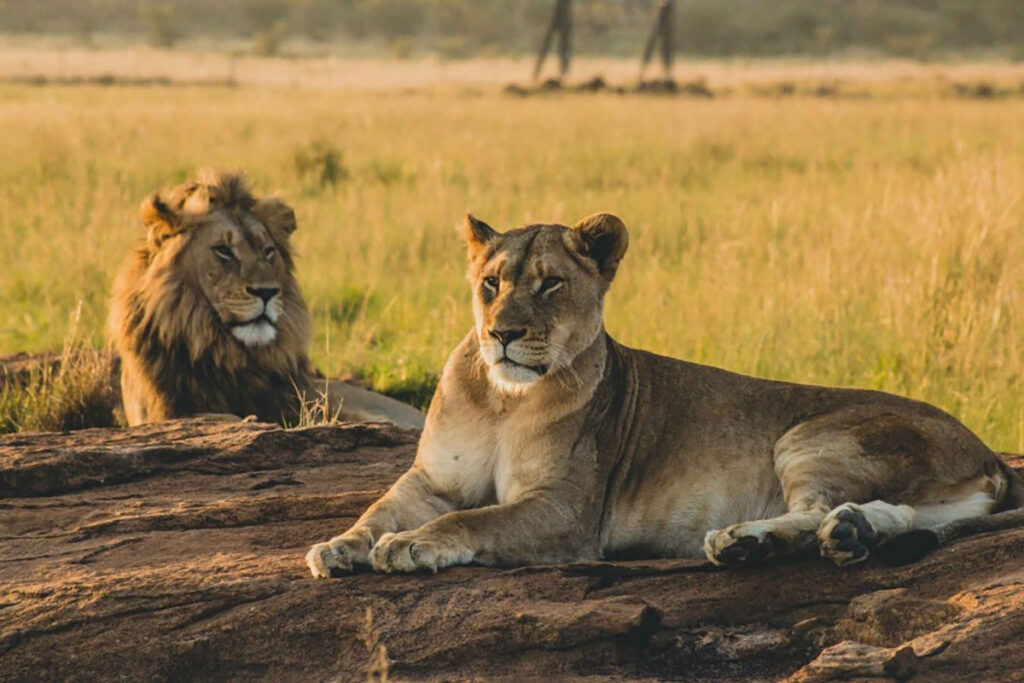
Mikumi’s growing reputation as a premier safari destination stems from its accessibility and wildlife reliability. The park’s ecosystems support high herbivore populations, which in turn sustain thriving predator communities. Lions, in particular, are commonly seen resting on termite mounds, stalking prey across the plains or lounging in shaded riverine thickets. These rich predator-prey dynamics make Mikumi one of the best locations in Tanzania for observing natural wildlife behaviour in an uncrowded setting.
Location, Size and Key Facts
Mikumi National Park lies approximately 300 km west of Dar es Salaam and 120 km from Morogoro. Its proximity to a major tarmac road makes it one of the easiest parks to reach in Tanzania. The landscape is dominated by the Mkata Floodplain—an expansive, open grassland surrounded by acacia savannahs, miombo woodlands and rugged hills that frame the park’s dramatic horizons.
- Established: 1964
- Protected area: 3,230 km²
- Ecosystem: Part of the Nyerere–Udzungwa–Uluguru conservation complex
- Main wildlife zones: Mkata Floodplain, Vuma Hills, Magogo Hill, miombo plateaus
- Key species: elephants, lions, buffaloes, zebras, giraffes, wildebeest, elands, hippos
- Access: 4–5 hours by road from Dar es Salaam
Geology, Soil and Landscapes
Mikumi’s landscapes were shaped over millions of years by tectonic activity, volcanic forces and river erosion. The vast Mkata Floodplain is an ancient alluvial basin fed by sediments carried down from the surrounding highlands. Its fertile soils support nutrient-rich grasses that attract huge numbers of grazers. The region’s rocky hills—such as Vuma and Magogo—are remnants of ancient metamorphic formations that predate the formation of the Great Rift Valley.
The park’s soils range from clay-rich black cotton soil in the floodplain—ideal for grasses—to sandy, well-drained soils that support acacia and miombo woodlands. These variations in soil type create distinct habitats, each with unique vegetation and wildlife, contributing to Mikumi’s ecological diversity and year-round beauty.
Climate and Seasonal Patterns
Mikumi experiences a tropical savannah climate marked by a long dry season and a vibrant rainy season. From June to October, the plains dry out, exposing golden grasses and concentrating animals around waterholes—ideal conditions for wildlife viewing and photography. As the rains arrive in November, the floodplain transforms into a lush green expanse filled with young shoots, wetlands and abundant birdlife.
Temperatures range between 20°C and 33°C, with cooler evenings during the dry season. Seasonal changes influence everything from animal behaviour to bird migration patterns, making Mikumi a dynamic and visually stunning park throughout the year.
Hydrology and Water Systems
Rivers and wetlands are the lifeblood of Mikumi. The Mkata River, Vuma River and a network of seasonal streams feed permanent waterholes and hippo pools that sustain wildlife during the dry season. These water sources attract elephants, giraffes, buffaloes, zebras, lions and a multitude of small mammals seeking hydration and shade.
During the rainy season, floodwaters replenish natural pools, nourish grasses and create breeding grounds for amphibians, fish and insects. These wetlands also serve as critical habitats for waterbirds, including storks, herons, spoonbills, pelicans and African fish eagles.
Ecosystems and Vegetation of Mikumi
Mikumi National Park features a remarkable ecological gradient, ranging from grassy plains and acacia savannahs to dense miombo woodlands and palm-lined wetlands. This diversity supports a wide variety of wildlife species and makes Mikumi an exceptional safari destination in all seasons.
The Mkata Floodplain
The iconic Mkata Floodplain is the heart of Mikumi and one of the most scenic wildlife areas in Tanzania. Its short-grass savannah resembles the Serengeti in both appearance and wildlife density. Large herds of zebras, wildebeest, ellipsen hartebeest, impalas and buffaloes roam freely, attracting predators such as lions, hyenas and jackals. The open landscape offers excellent visibility, making it one of the best places in the Southern Circuit to observe wildlife behaviour.
Miombo Woodland Ecosystems
The northern and western parts of the park are dominated by miombo woodlands—characterized by Brachystegia, Julbernardia and Isoberlinia trees. These forests support species such as sable antelopes, greater kudus, elands, wild dogs (occasionally sighted) and a range of bird species adapted to woodland environments.
Acacia Savannah and Baobab Zones
Acacia scrublands and towering baobabs create striking silhouettes across the park. These habitats attract giraffes, elands, impalas, zebras and predators that rely on the abundant prey in this region. Baobabs also provide nesting sites for owls, bats and hornbills.
Riverine Forests and Wetlands
Along permanent rivers, lush riverine forests flourish with figs, palms and shade-loving vegetation. These areas serve as critical habitats for elephants, leopards, bushbucks, monkeys and many bird species. Wetlands support frogs, catfish, turtles, crocodiles and large numbers of migratory birds.
Wildlife of Mikumi National Park
Mammals
Mikumi hosts an impressive array of mammals, making it a top wildlife destination in Tanzania. Key species include:
- African elephants – often seen in large herds
- Lions – frequently spotted on the Mkata plains
- Leopards – found in riverine forest zones
- Buffaloes
- Zebras, wildebeest and hartebeests
- Giraffes – including the graceful Masai variant
- Elands, sable antelopes, kudus and impalas
- Hippos – especially visible in the hippo pools
Smaller mammals include mongoose species, jackals, civets, servals, porcupines and honey badgers. Primates such as vervet monkeys and yellow baboons thrive across the park.
Birdlife
With over 400 species, Mikumi is a paradise for birdwatchers. The floodplain attracts bustards, secretary birds, hornbills, vultures and martial eagles, while wetlands support herons, storks, fish eagles and bee-eaters. Migratory species arrive between November and April, expanding the park’s avian diversity even further.
Reptiles and Amphibians
Crocodiles, monitor lizards, pythons, cobras, agamas and various geckos inhabit Mikumi’s rivers and woodlands. After the rains, frogs and toads emerge in large numbers, triggering breeding displays and attracting predators.
Invertebrates
Butterflies, dragonflies, beetles, ants and spiders are abundant. Termite mounds provide shelter for many species and serve as hunting platforms for lions and cheetahs.
Unique Features of Mikumi National Park
Mikumi stands out for its Serengeti-like floodplain, its excellent wildlife concentration along the highway-accessible eastern boundary, and its role in connecting multiple protected areas. The park is also less crowded than northern parks, creating intimate safari moments rarely found elsewhere.
Cultural and Community Influence
Local Maasai, Hehe and Luguru communities have historically lived around Mikumi. Community cooperatives, cultural tourism initiatives and conservation education projects help reduce human–wildlife conflict and support sustainable livelihoods. Visitors can experience traditional dances, handicrafts and storytelling near the park.
Conservation Importance
As a crucial wildlife corridor between Nyerere National Park and Udzungwa Mountains, Mikumi plays a vital role in maintaining gene flow for elephants, lions and other wide-ranging predators. TANAPA’s conservation efforts include anti-poaching patrols, ecological monitoring, fire management and highway wildlife-crossing mitigation.
Threats to Mikumi National Park
Major challenges include poaching, habitat degradation outside park boundaries, wildlife-vehicle collisions, illegal grazing and climate change. Conservation authorities work closely with communities to mitigate conflict and support wildlife-friendly land practices.
Ongoing Research and Scientific Programs
Research in Mikumi focuses on elephant migration, lion pride dynamics, wild dog recovery potential, climate impact on floodplain vegetation, raptor ecology and fire-adapted plant species. Bird migration studies track Eurasian and African migratory flows that pass through the park during rainy months.
Tourism Activities
Game Drives
Game drives along the Mkata Floodplain offer superb opportunities to see elephants, lions, giraffes, buffaloes and zebras. Sunrise and sunset game drives create dramatic photographic conditions.
Hippo Pool Viewing
The hippo pool is one of Mikumi’s top attractions, drawing visitors to observe hippos and crocodiles cooling in the water.
Birdwatching
Bird enthusiasts can explore wetlands, plains and wooded zones for diverse species including raptors, waders and colorful bee-eaters.
Cultural Excursions
Guided cultural visits in surrounding communities offer insight into Maasai and Luguru traditions.
Access and Getting There
Mikumi is easily accessed by road from Dar es Salaam (4–5 hours) or via charter flights to the park’s airstrip. It is often combined with Ruaha, Udzungwa and Nyerere for multi-park safaris.
Permits and Regulations
Park entry fees follow TANAPA’s standard structure. Off-road driving is prohibited, and night drives require special booking. Visitors must respect wildlife, avoid littering and follow all ranger guidelines.
Accommodation Options
Accommodation includes luxury safari lodges, midrange tented camps, budget bandas and camping facilities. Lodges near the floodplain offer excellent game-viewing from the comfort of the property.
Best Time to Visit
The dry season (June–October) provides the clearest wildlife viewing, while the green season (November–May) features lush landscapes, migratory birds and baby animals.
Why Mikumi National Park Is Special
Mikumi National Park offers everything safari travelers dream of—big cats, elephant herds, sweeping savannahs, dramatic baobabs and rich wetlands—without the crowds. As the gateway to Tanzania’s Southern Circuit, Mikumi combines accessibility, biodiversity and unforgettable scenery, making it one of East Africa’s most rewarding and underrated safari destinations.